
WINERIES
Suntory Tomi no Oka Winery Strengthens Its Focus on Koshu! Also Wins Top Award at DWWA!!

Based on the concept of "Water, Soil, and People," Suntory's Tomi no Oka Winery crafts Japanese wine with a story. In September 2022, the brand was revamped under the name "SUNTORY FROM FARM."
Suntory's Tomi No Oka Winery crafts Japanese wine with a "story," guided by the concept of "Water, Soil, and People."
In September 2022, the brand was revamped under the name "SUNTORY FROM FARM."
At the Decanter World Wine Awards 2024 (DWWA), announced this past June, "SUNTORY FROM FARM Tomi Koshu 2022" won Best in Show! This marks the very first Best in Show award for a Japanese wine!
First, let us briefly explain just how monumental an achievement this is.
DWWA is one of the world's largest wine competitions, held annually since 2004 by Decanter—a British wine magazine founded in 1975 and now published in over 100 countries worldwide—marking its 21st year in 2024.
It is widely regarded as one of the global awards where winning a Gold medal is the hardest, so naturally, the results attract immense attention across the international alcoholic beverage industry.
The award categories are Platinum, Gold, Silver, and Bronze. Out of more than 18,000 entries, only 50 items received the top honor of Best in Show.
Furthermore, the wine simultaneously earned a GOLD medal at the International Wine & Spirit Competition (IWSC) 2024, another competition famously difficult to win!
CHAPTER 01
SUNTORY FROM FARM's Initiatives for "Koshu"
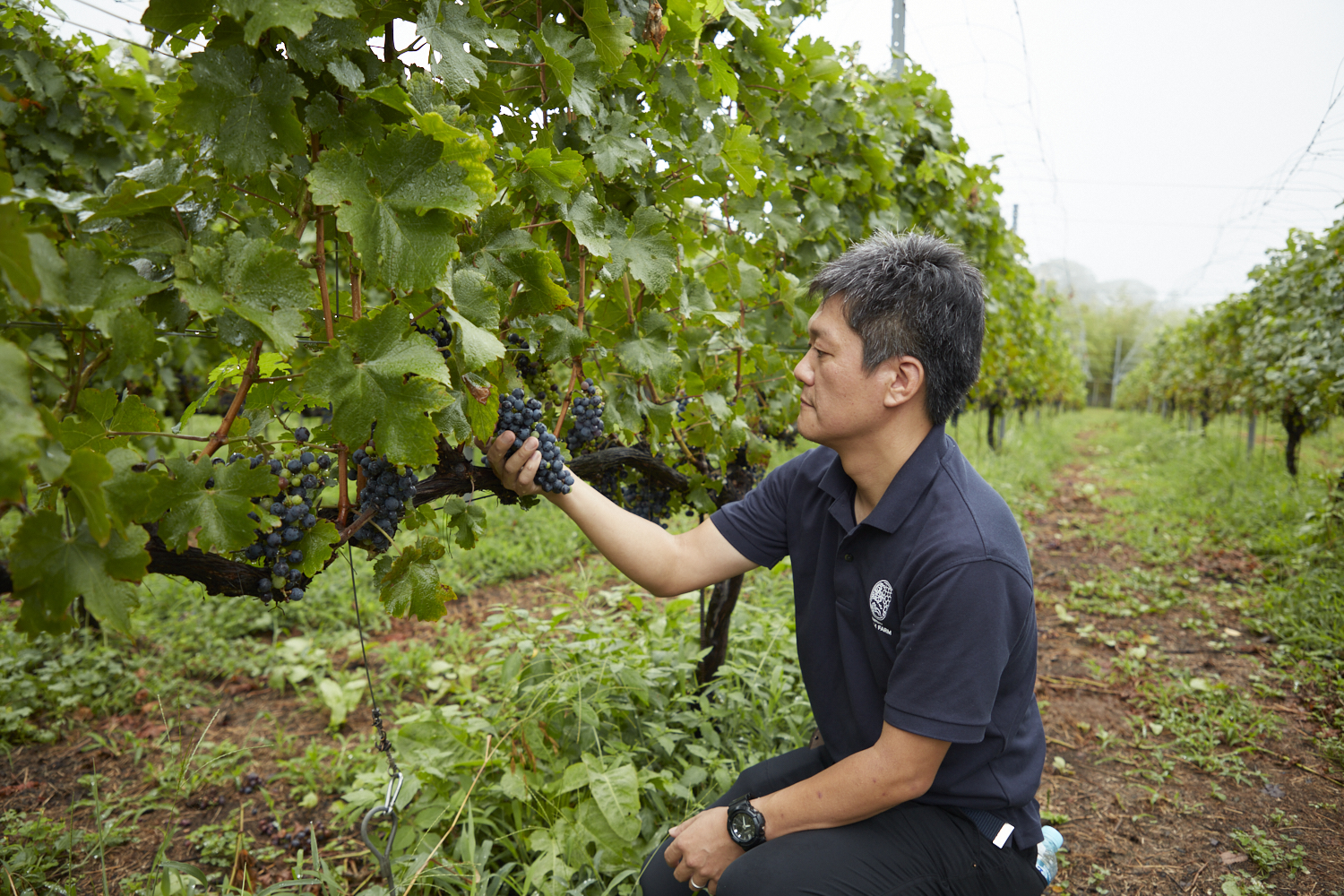
At Tomi No Oka Winery, terroir is held in the highest regard. To make the most of this terroir, they divide their estate vineyards into roughly 50 plots and manage grape growing individually for each.
The overall elevation ranges from 500 to 600 meters. Their motto is to bring out the unique character of each plot and directly and accurately express what the land produces.
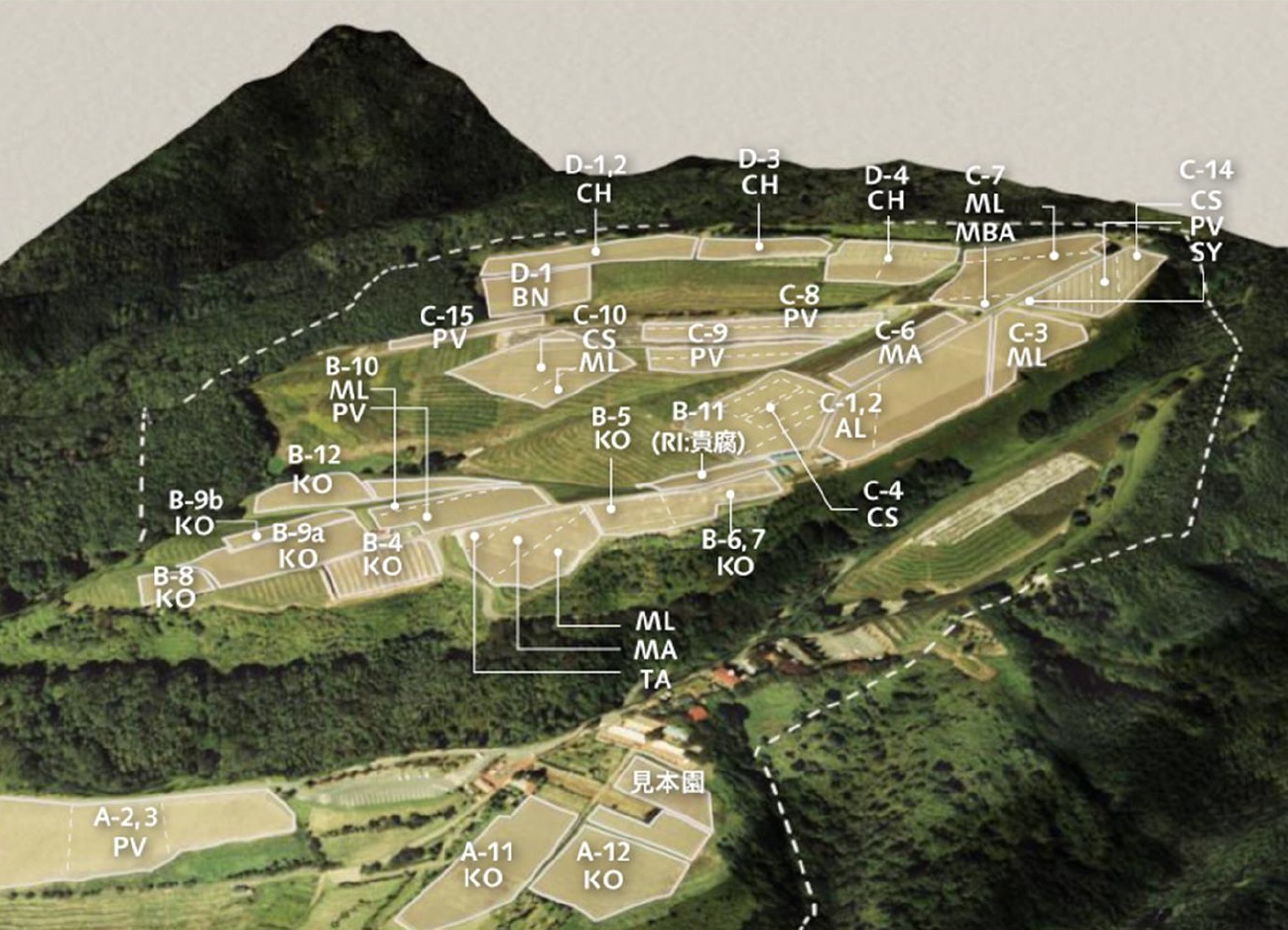
In particular, driven by a desire to "elevate Koshu to a grape variety that stands shoulder-to-shoulder with the world's best," they began intensifying their efforts on Koshu in 2010.
In 2012, they started selecting clones suited to the land and aligned with their target wine profile. Planting took place in 2015, with the first harvest coming in 2020.
The "Koshu" they aim for is: a wine with multi-layered aromas of fully ripened fruits like citrus and peach, a concentrated and dense palate entry, and a soft, elegant flavor profile.
To achieve this, they needed to capitalize on the inherent characteristics of the Koshu variety while overcoming the challenge of its lower sugar accumulation compared to European varieties.
They shared with us the key initiatives undertaken to address this:
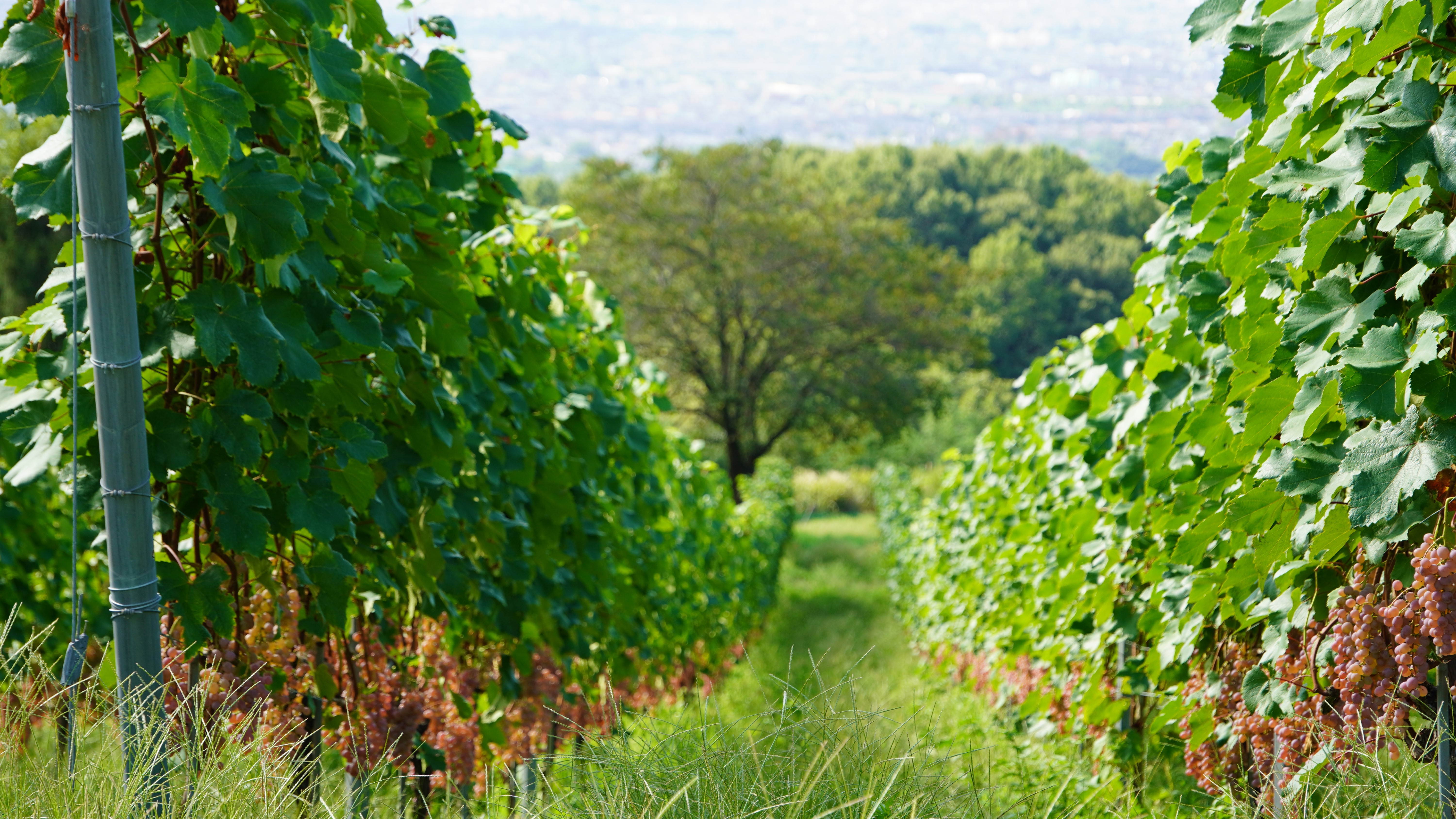
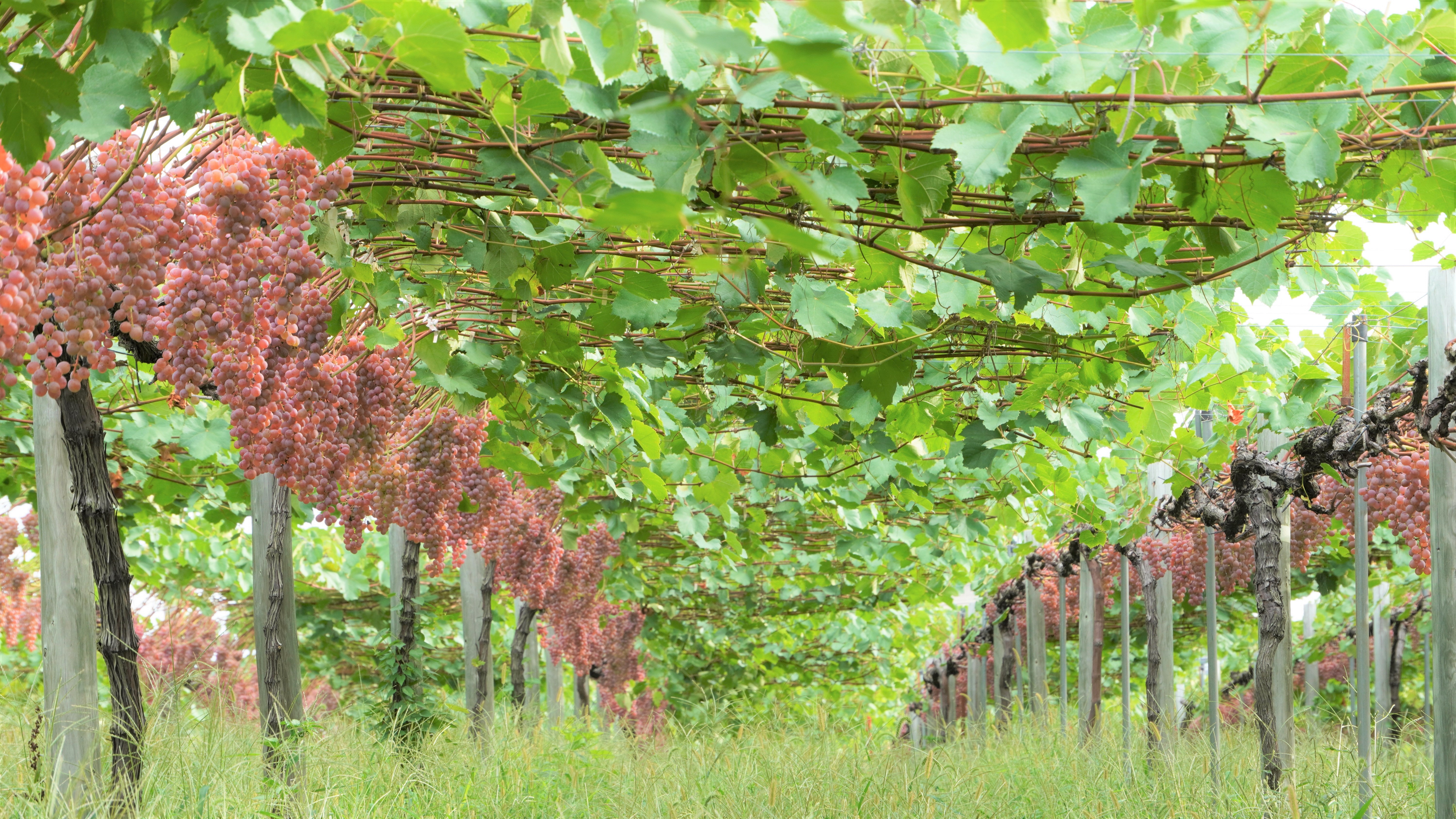
Tomi No Oka has 9 plots dedicated to Koshu. To create the specific flavor profile required for "Tomi Koshu," they selected 2 well-drained, sun-drenched plots.
KW01 (intense aroma), KW02 (high-yielding), and KW05 (high sugar content) were selected, applying cultivation methods tailored to each.
Furthermore, even within the same block, only fully ripened grapes are selectively harvested.
Pursuing a sense of "concentration" that surpasses conventional concepts of Koshu, thorough measures are carried out right up until harvest.
As a result of these efforts, the juice sugar content in blocks targeted for "Tomi Koshu" has risen sharply over the past four years.
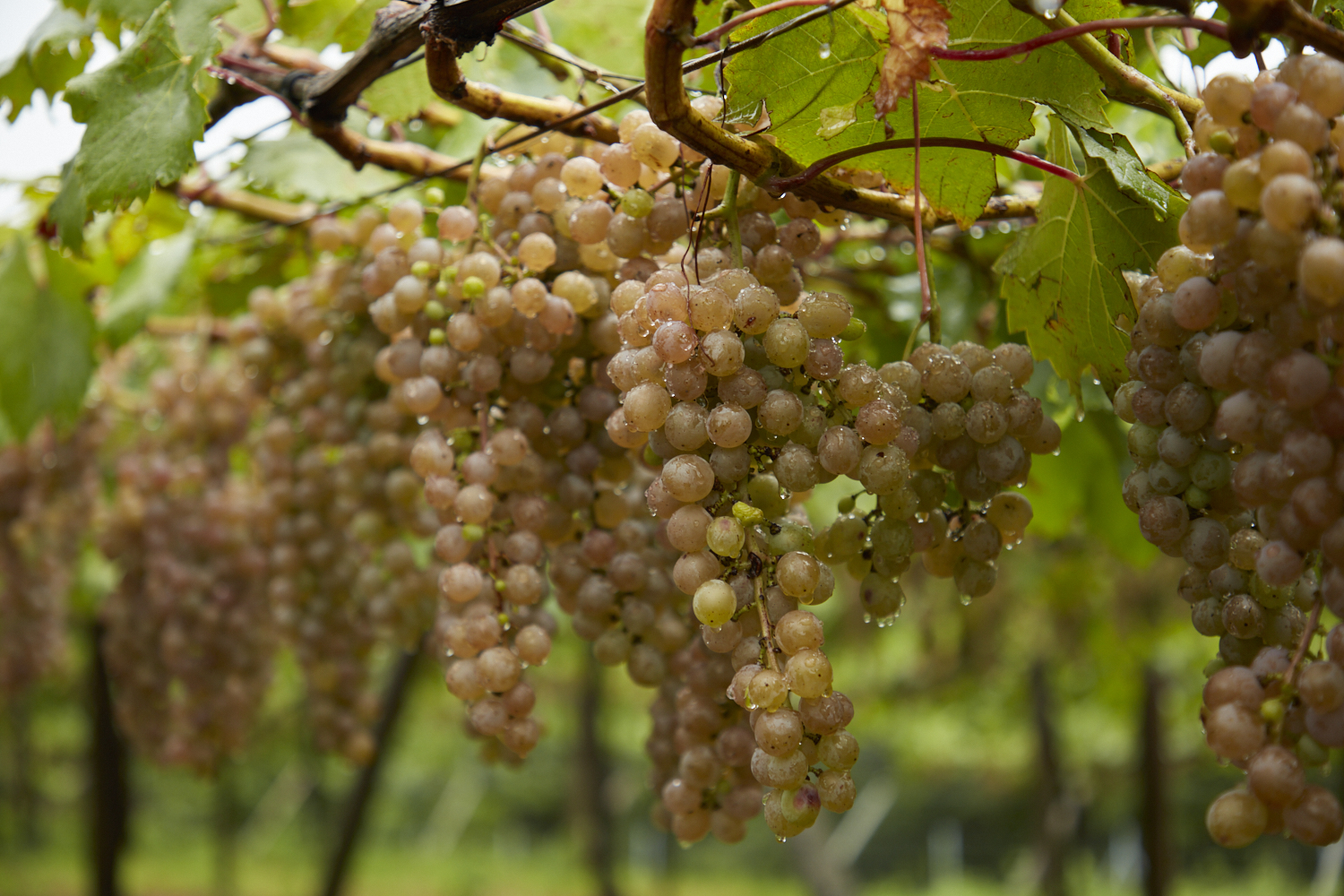
In addition, Koshu is cultivated across areas with diverse soil and climate characteristics, including Hosaka, Kofu, Katsunuma, and Minami-Alps.
Furthermore, the agricultural production corporation Japan Premium Vineyard Co., Ltd. was established to expand company-managed vineyards, accelerating efforts to improve both quality and quantity.
Currently, besides Tomi no Oka, they hold approximately 3.5 ha in Chuo City (Koshu, Muscat Bailey A), approximately 2.5 ha in Kai City (Koshu), and approximately 10 ha in Minami-Alps City (Koshu), planning for an astounding Koshu harvest yield of 297 tons in 2030.
CHAPTER 02
Expectations for Koshu
The initiative that started in 2010 enters its 14th year this year, and a Koshu that preserves the clean, refreshing characteristics of the grape while offering concentration and richness has finally been born, earning the world's highest acclaim.
And the plan is still only midway through.
Not only Japanese wine enthusiasts, but wine lovers around the world will surely be unable to take their eyes off the future of Tomi no Oka's Koshu.
In response to a reporter's question, "With long-term initiatives spanning 10 or 20 years, won't the people in charge change?", Kohei Oyama, chief viticulturist, replied with a smile, "I place great value on human relationships and communication. Everyone in both viticulture and winemaking gets together for drinks frequently, beyond their assigned roles (laughs). You listen closely to your seniors and drink that wine. Doing so reveals a great deal. Wine doesn't lie."
It was a moment that made the tagline 'With water, with soil, with people' feel remarkably convincing.
About the author
Stories covering the same region, newest first.
- WINE & DININGThe Manns Wines You Think You Know May Be Out of Date — From Volume to Quality: Where Manns Wines Is Today6 MAY 2026Miyuki Isobe
- WINERIESThe People Who Create the “Beginning” of Wine: Visiting Suda Grape Nursery in Yamanashi Prefecture5 JAN 2026Miyuki Isobe
- WINERIESFrom a Winery in Manriki, Yamanashi: Cave an’s Winemaking That Has Mastered the Basics12 DEC 2025Miyuki Isobe
- WINERIESBringing Refreshing Relief to Sweltering Days! Delivered from Heavy Snow Country: Housui Winery23 JUN 2025Miyuki Isobe
- WINERIESBottling Yamanashi's Nature! Asking Naomichi Kondo About Komaen Vineyard's Dedication!21 APR 2025Miyuki Isobe
- WINE & DINING[Part 2] Restaurant SAI 燊 — An Evening Indulging in the Ultimate Pairing of "Oku-Yamanashi Cuisine" and Japanese Wine17 NOV 2024Miyuki Isobe
Wineries in this region
REGIONAL WINERIESRead → Know → VisitWineries in 山梨県. Find somewhere to visit.