
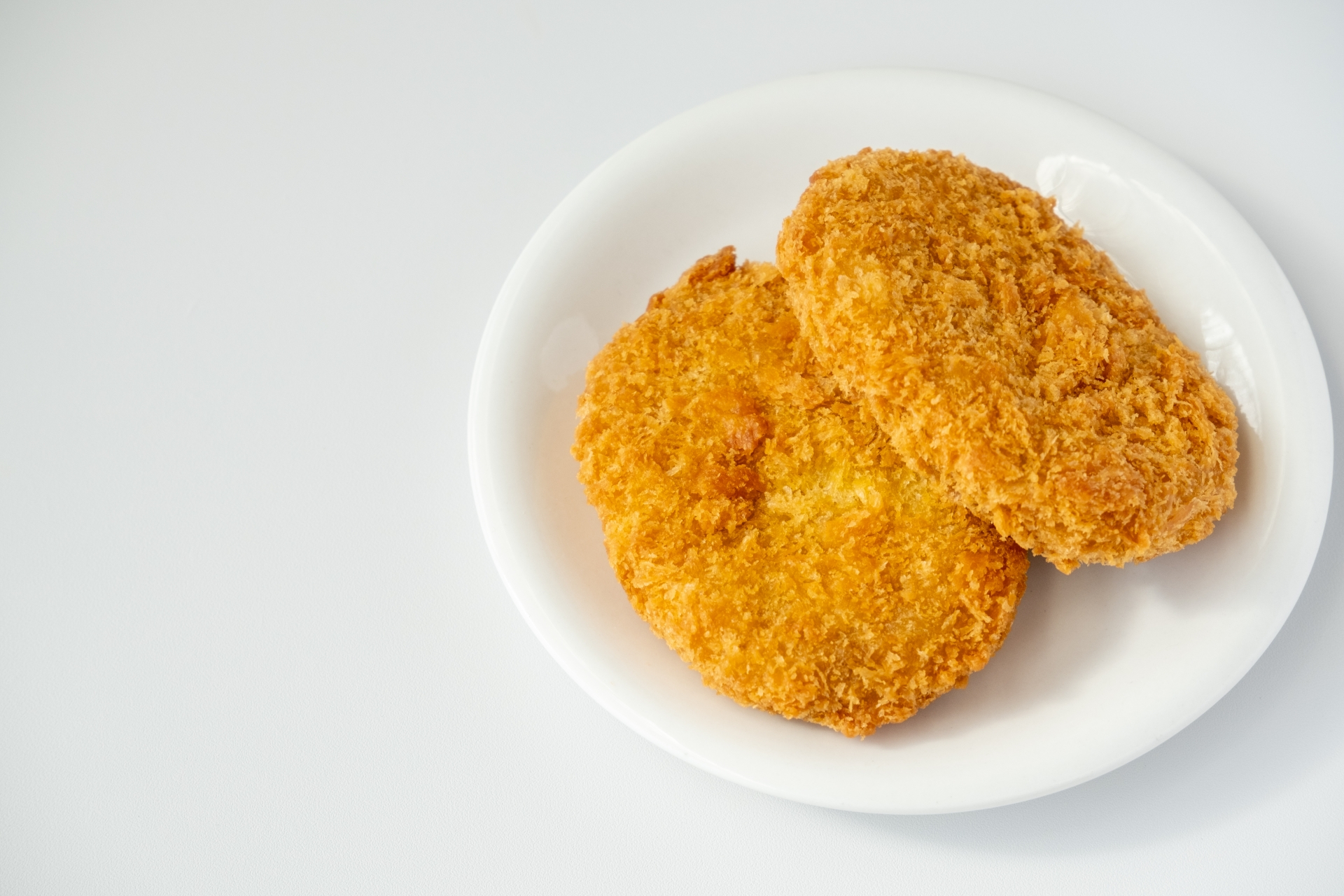
Croquettes are one of many Western dishes adapted into Japanese cuisine. Found everywhere—supermarkets, convenience stores, butcher shops, restaurants, and specialty shops—it is a dish with an exceptionally high "encounter rate*" for people in Japan. *Refers to the appearance rate of enemies in RPGs.
One of the Western dishes adapted into Japanese cuisine,is the "korokke."
Supermarkets, convenience stores, butcher shops, restaurants, specialty stores... In short, for Japanese people,the "encounter rate*" of this dish is remarkably high.
*Refers to the rate at which enemies appear in RPG games. (Though korokke is a friend to the common people!)
While many people may assume that korokke is strictly a side dish for rice, it actually pairs remarkably well with wine, too.
Here, let's explore the pairing of korokke and wine in depth.
Korokke Pairs Exceptionally Well with Japanese White Wine
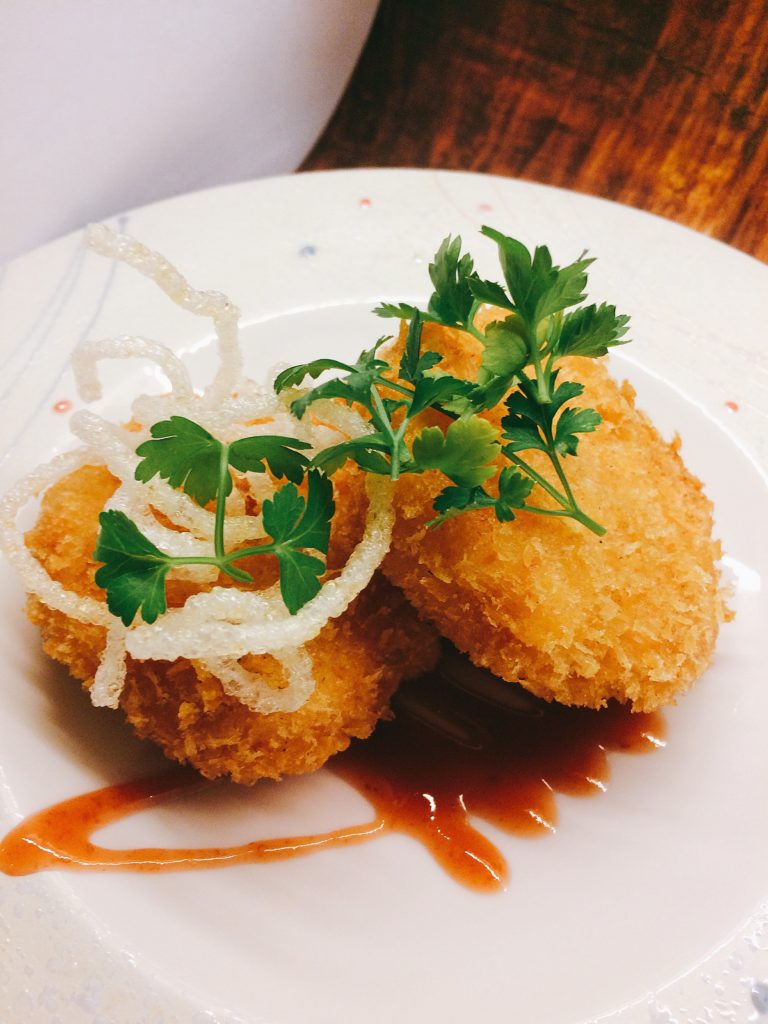
In conclusion, if you are pairing croquettes with wine, “Japanese white wine”
is recommended.
Furthermore, in the case of Japanese white wine that meets certain conditions, the affinity
will be even greater.
“Croquettes? I usually picture red wine…”
some of you might think.
We will explain the reasons why we recommend pairing croquettes with white wine.
Commonalities Between Croquettes and Wine
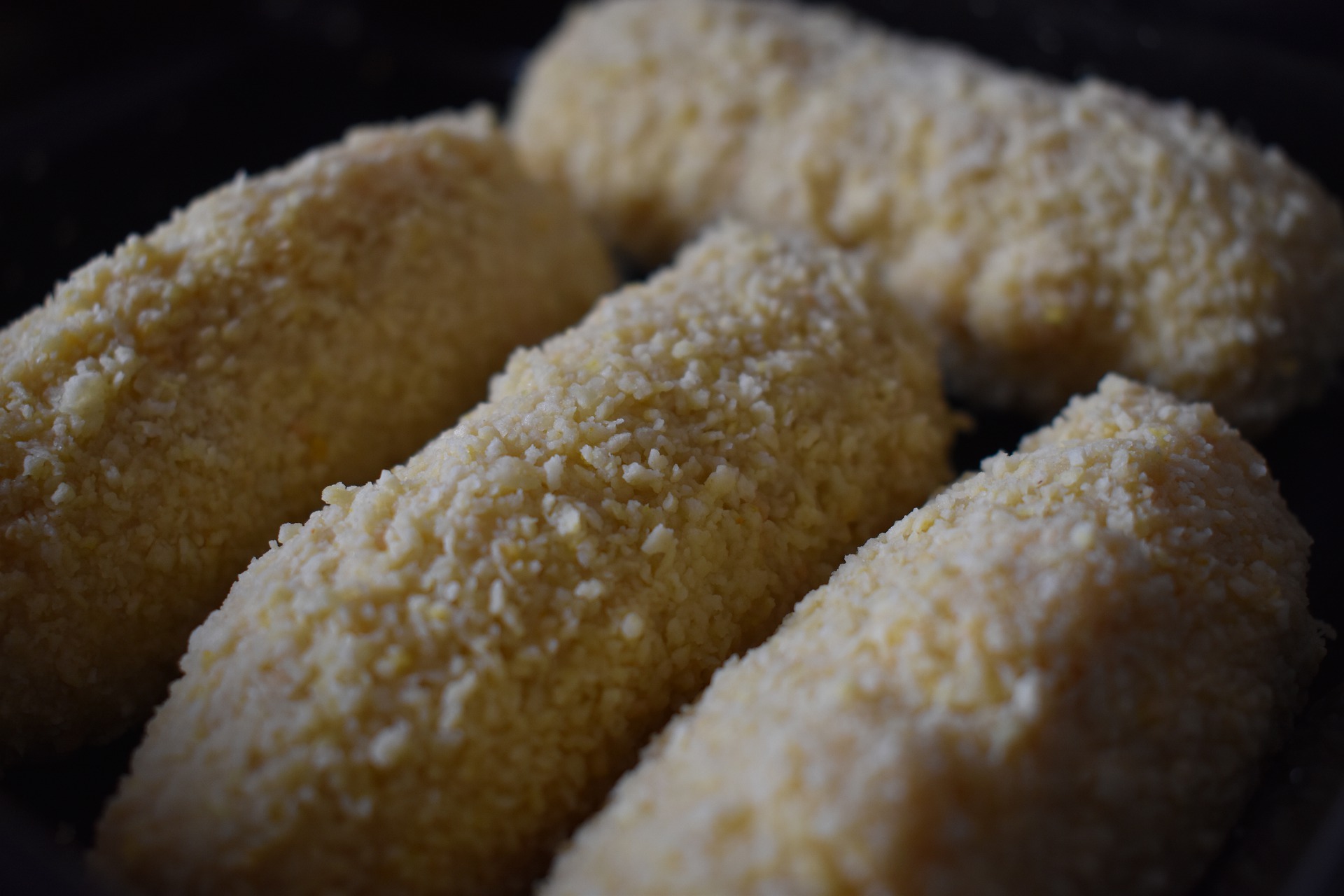
At the beginning of this article, croquettes were introduced as“one of the Western dishes that has been Japanized.”
Although potatoes themselves were brought to Nagasaki from Jakarta by the Dutch long ago, croquettes were born during the Meiji era.
With the lifting of the ban on meat-eating in 1872 (Meiji 5), Western cuisine was introduced in earnest to Japan, but a wide variety of Western dishes were tailored to the lives of common people andreinterpreted in a Japanese culinary style.
Among these, croquettes are thought to have been created by adapting the French dish “croquette,”
which was primarily made with cream sauce, into potato croquettes to suit Japanese preferences. (*There are various theories)
Similarly, while wine was introduced to Japan long ago, full-scale production began in the early Meiji period..
Despite a winding history, it is now“wines made in Japan with uniquely Japanese flavors”recognized as such.
In a sense, both croquettes and Japanese wine are“foods born in Japan that underwent their own unique evolution in Japan”.
It might be quite a stretch, but just imagining these commonalities can change how the pairing tastes, don't you think?
The Flavor of Croquettes
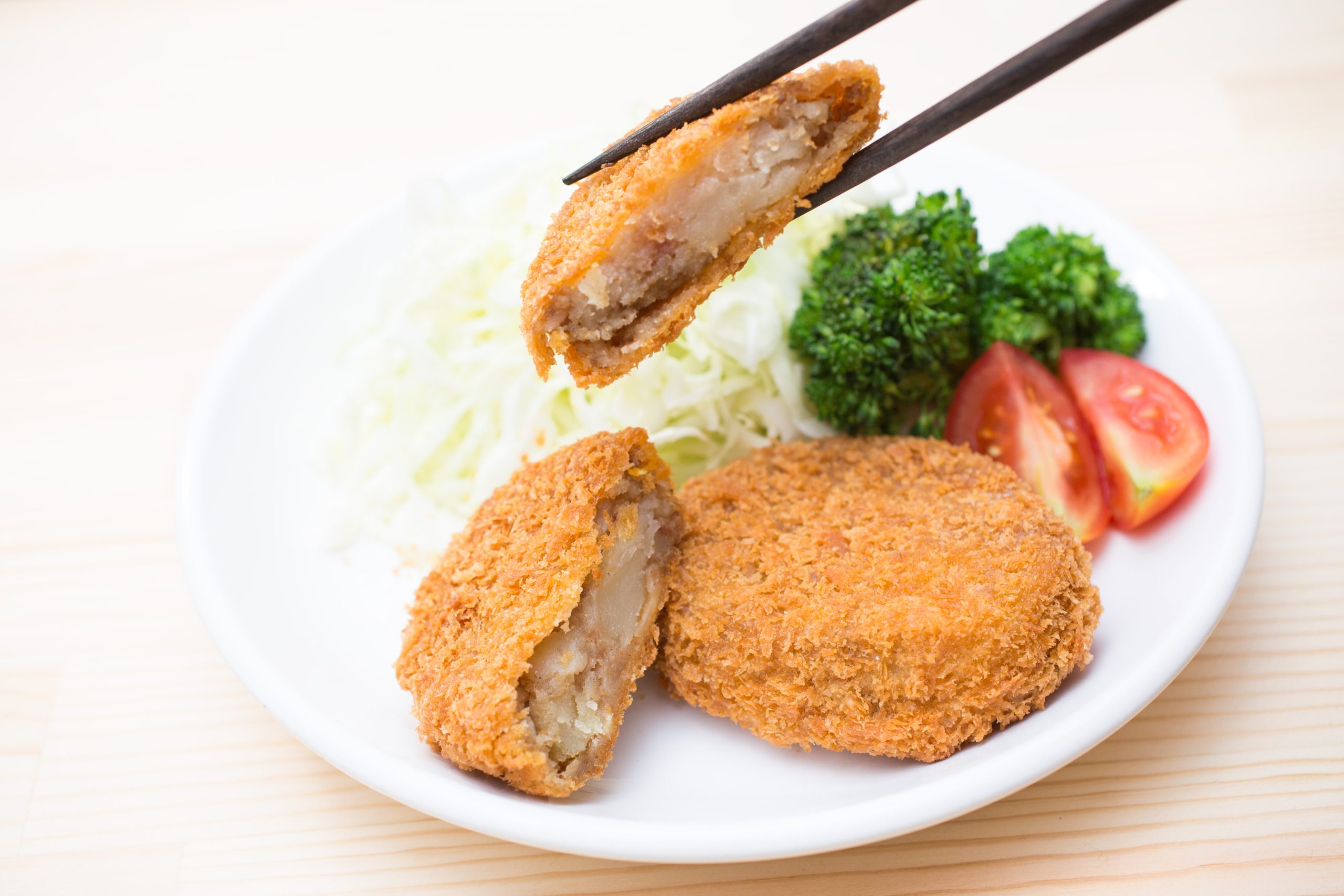
When considering wine pairings, it is important to think about the aromas and flavors of the dish or ingredients you are pairing with.
First, when thinking about the aromas and flavors of a croquette, what you should consider first is itsbreading.
It has a savory, wonderfully nostalgic aroma that stimulates the appetite. (Assuming freshly fried, as oiliness increases when oxidized.)
This aroma is"Deep-fry flavor", and it is said to be common to deep-fried foods such as croquettes, French fries, and tempura.
In addition, when oil is incorporated into food, it brings a roundness to the flavor, making the food taste a level more delicious.
In short, deep-fried foods like croquettes can be thought of as having the effect of making their ingredients taste even better.
Now, next up is the ingredient, potatoes.
In the case of croquettes, because the potato is inside the coating, it is heated through heat conduction via the coating, so it can be thought of as,
in short, being in a state of being steamed... as it were.
As for the aroma compound known to be characteristic of potatoes, methional, cooking methods like wrapping it in a coating and deep-frying are thought to make that characteristic even stronger.
Furthermore, potatoes themselvesA fluffy texture..., bringing out a subtle sweetness.
The perception of deliciousness brought about by the aroma of the breading and oil, combined with the distinct aroma and fluffy texture of the potato, isthe signature aroma and flavor of a croquettethat serves as the secret behind creating it.
How to Choose the Wine
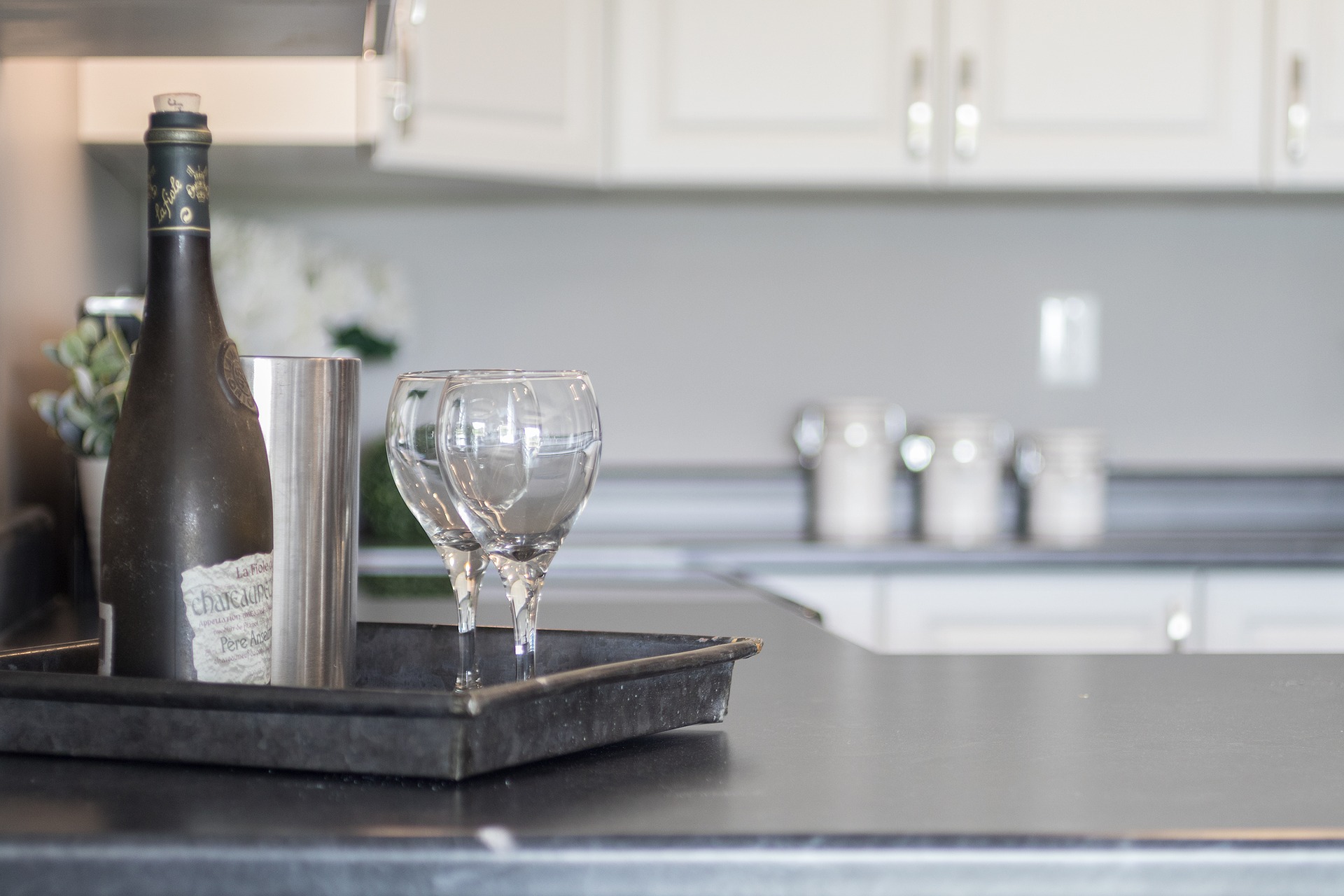
Next up is choosing thewine to pair with croquettes.
First off, whether to pick a red or white wine fundamentally seems as though it would depend on whether you eat the croquette as is or with sauce... but personally, unless you are using a sauce with a very unusual flavor, whether sauce (referring to medium-thick chunou sauce here) isused or notI don't think you need to change the color of the wine to match it.
To digress slightly, sauce is characterized by the aromas and flavors of various herbs and vegetables, along with a mild, mellow taste.
While red wine might seem like a good match visually based on color, in terms of fruitiness and texture,it tends to pair well with Riesling or Gewürztraminer.(If going with red wine, a herbal Merlot is also a great option!)
Even considering these tendencies, as mentioned earlier, for croquettes,it seems best to pair them with white wine.
Japanese Delaware Wine is Recommended
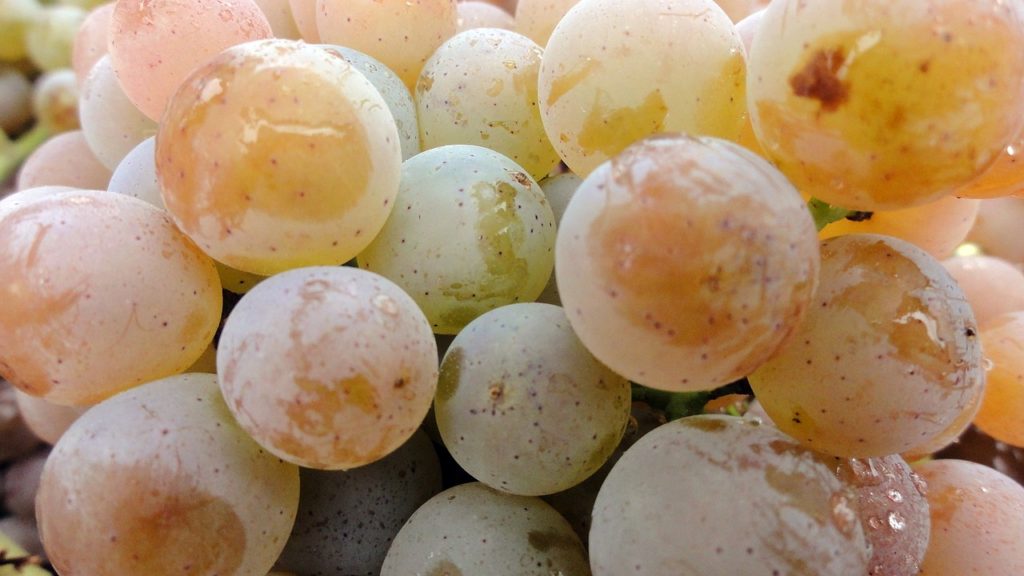
That said, it doesn't mean just any white wine will do.
When you think of croquettes,“deep-fried, hearty, everyday”they tend to give the impression of a simple, heavy dish, but if you take the time to truly taste a croquette,It is a more delicate flavor than you might think.
To begin with, potatoes themselves don't have an intensely bold flavor profile, and croquettes also have"Texture × deep-fried flavor × delicate flavor of potato × fluffy warmth"a surprisingly simple taste profile based on that combination.
If you pair them with a powerful white wine from overseas, it can completely overpower the flavor of the croquette,and you might lose the balance of flavor.
On the other hand, with Japanese white wine, even international varieties like Riesling, Kerner, and Gewürztraminer have a light body, achieving a nice balance between fruitiness and sweetness.
That said, Japanese wines made from these varietiesare small in quantity and tend to be relatively expensive.That is why I recommendDelaware.
Croquettes themselves are casual, so pairing them with a wine costing over 3,000 yen a bottle feels a bitIn a class of its own.
While high-end Delaware wines do exist, casual bottles you can pick up at your local supermarket will likely pair more deliciously with croquettes.
Slightly sweeter than the croquette, it has acidity that isn't overly sharp and a soft finish.
It also pairs well with sauce, andit makes for a uniquely Japanese pairing that is easy to incorporate into everyday meals.
Château Sakaori <Delaware 2019> × Croquette
Now, let's actually try pairing Delaware with croquettes.
The wine chosen this time is Château Sakaori's<Delaware 2019>.
It is a pure white wine with refreshing aromas of green apple, tropical fruit, and citrus, offering a delightful sweet-and-sour flavor profile.
With balanced acidity and a sharp finish, it is a bottle best enjoyed well-chilled—a semi-sweet wine.
For the croquettes, we prepared simple ones made with Danshaku potatoes, trying them both with and without sauce.
A savory aroma and crispy breading give way to the sweet flavor of the potatoes.
When paired with the sweet-and-sour flavor of Delaware 2019, it leaves a refreshing finish in your mouth,making for an exquisite pairing.
The sauce in particular pairs remarkably well with Delaware 2019, and drizzling on plenty of sauce made the croquettes even more enjoyable.
However, be sure to enjoy the croquettes piping hot and the Delaware 2019 well-chilled.
Croquettes Are a Worthy Snack for Wine
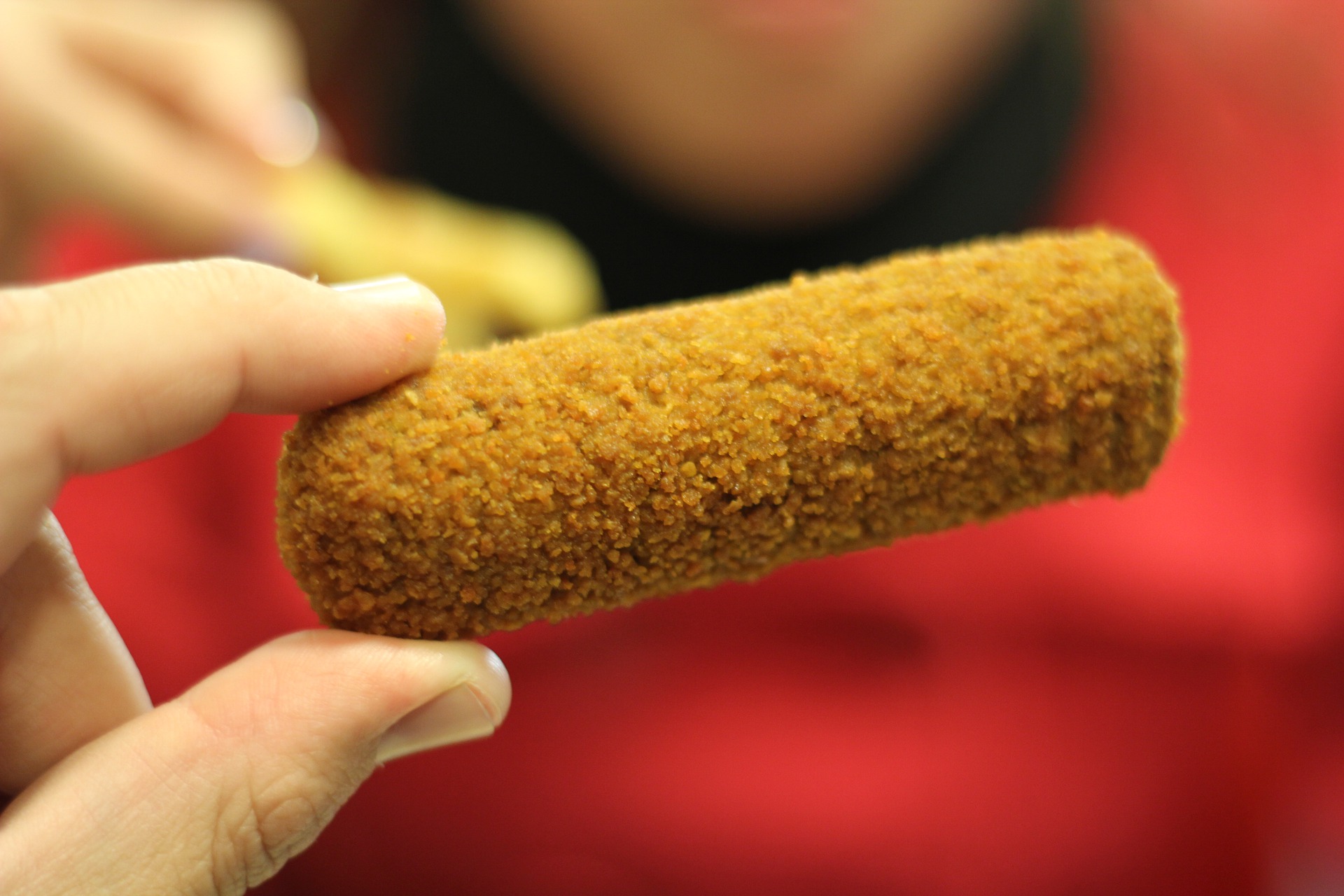
When you think of croquettes, they are sometimes sold for 100 yen... or even under 50 yen,making them a humble, everyday dish.
You might associate them more with beer or chuhai than wine, but in truth, if the carbonation or character of the alcohol is too strong, the dense, fluffy texture of the croquette lingers too much in the aftertaste, making it less pleasant.(*This is my personal opinion)
I feel that drinks with moderate fruitiness and acidity like wine, along with a firm, long finish,pair well with the aroma and flavor of croquettes.
Depending on how you look at it, even a casual croquettecan make an excellent wine snack.
Why not give it a quick try?
References
The Position of Potatoes in the Japanese Diet from the Late Taisho to Early Showa Periods
"Tempura and Unagi," published by Asahiya Publishing
The Science of Cooking - Katsuhiro Saito
About the author
Stories covering the same region, newest first.
- WINE & DININGThe Manns Wines You Think You Know May Be Out of Date — From Volume to Quality: Where Manns Wines Is Today6 MAY 2026Miyuki Isobe
- WINERIESThe People Who Create the “Beginning” of Wine: Visiting Suda Grape Nursery in Yamanashi Prefecture5 JAN 2026Miyuki Isobe
- WINERIESFrom a Winery in Manriki, Yamanashi: Cave an’s Winemaking That Has Mastered the Basics12 DEC 2025Miyuki Isobe
- WINERIESBringing Refreshing Relief to Sweltering Days! Delivered from Heavy Snow Country: Housui Winery23 JUN 2025Miyuki Isobe
- WINERIESBottling Yamanashi's Nature! Asking Naomichi Kondo About Komaen Vineyard's Dedication!21 APR 2025Miyuki Isobe
- WINE & DINING[Part 2] Restaurant SAI 燊 — An Evening Indulging in the Ultimate Pairing of "Oku-Yamanashi Cuisine" and Japanese Wine17 NOV 2024Miyuki Isobe
Wineries in this region
REGIONAL WINERIESRead → Know → VisitWineries in 山梨県. Find somewhere to visit.