Skip to content

Yamanashi

くらむぼんワイン

山梨県 甲州市

くらむぼんワイン

PROFILE

Legal name
株式会社くらむぼんワイン
Location
〒409-1313 山梨県甲州市勝沼町下岩崎835
Representative
野沢 たかひこ
Phone
0553-44-0111
Email
info@kurambon.com

ABOUT

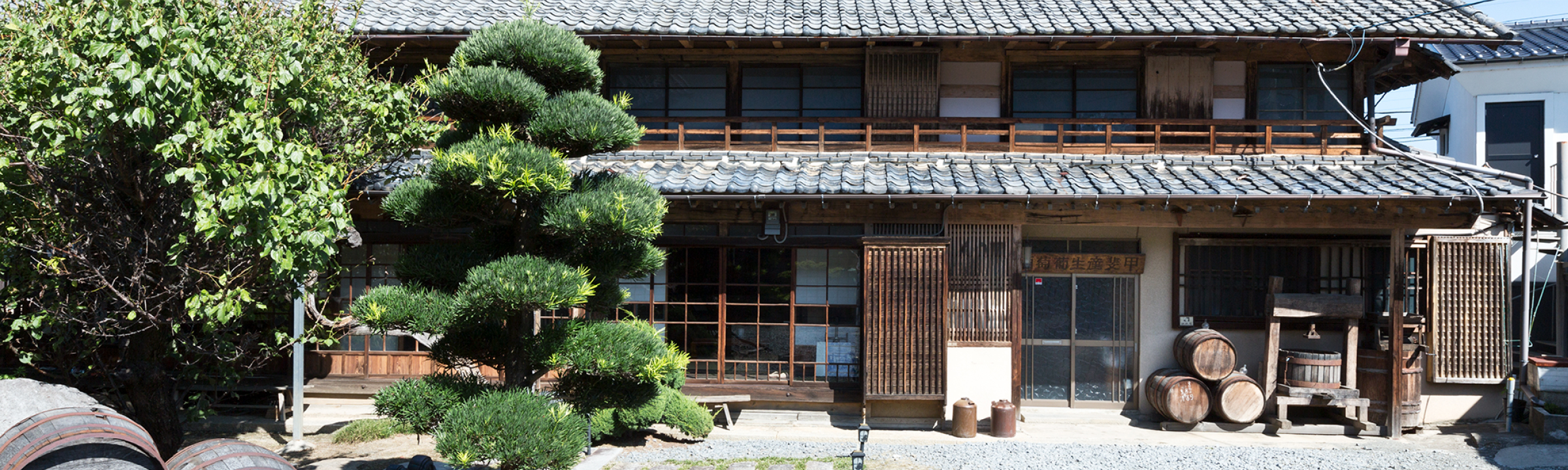
Since its founding in 1913, Kurambon Wine has valued its close ties with local grape growers. It places particular emphasis on wines made from Koshu, a grape said to have a thousand-year history.

Kurambon Wine believes that wine is not something mechanically manufactured by people, but something in which craftspeople help grapes become wine. It therefore aims to make wines with a more natural taste.

FEATURE STORY

Terroir

—Katsunuma, the birthplace of Japanese wine—\n\nKatsunuma is known as one of the earliest places in Japan where grapes were cultivated.\n\nBy the Edo period, Koshu grapes were being carried from Katsunuma to Edo along the Koshu Kaido road. Katsunuma lies on an alluvial fan along the Hikawa River, giving it well-drained soils, while its location facing the Kofu Basin creates large day-night temperature differences.\n\nIt also enjoys some of Japan’s longest sunshine hours and relatively low rainfall.\n\nFor these reasons, the area has long been considered ideal for fruit growing, especially grapes. From the Meiji era onward, Katsunuma developed as a center of Japanese winemaking, with Koshu becoming one of its principal varieties.

Viticulture

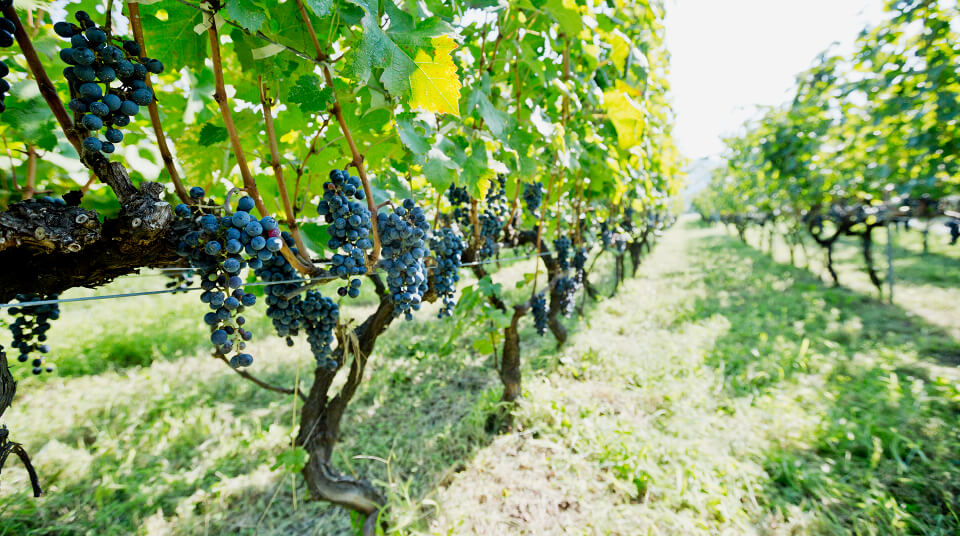
—Cultivation adapted to the local climate and environment—\n\nKatsunuma has a distinctive climate, and each vineyard has its own terroir.\n\nSince 2007, Kurambon Wine’s estate vineyards have followed a nature-oriented approach designed to preserve each site’s inherent character: generally no fertilizer is added, the soil is not tilled, and grasses are allowed to grow naturally.\n\nNo chemical pesticides or insecticides are used, so the vineyards are carefully maintained to improve airflow and reduce disease and pest pressure.\n\nBecause cultivation follows natural conditions, some leaves show insect damage. At the same time, many insect-eating birds visit the vineyards, diverse microorganisms and insects live in the soil, and dead grasses contribute organic matter to the soil.\n\nIn addition to Koshu, the vineyards include Muscat Bailey A, Cabernet Sauvignon and Chardonnay.

Winemaking

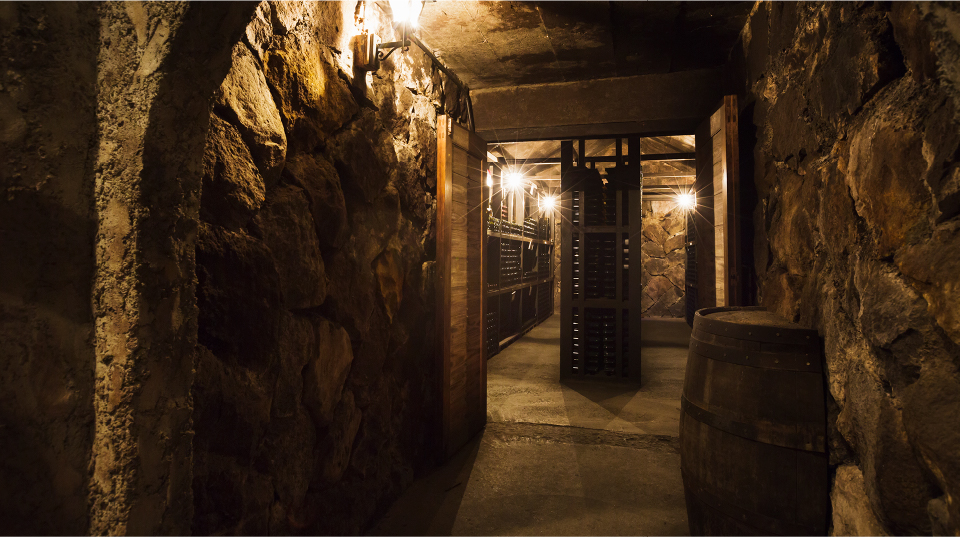
—Winemaking that preserves as much grape character as possible—\n\nBelieving that the winemaker’s role is to help grapes become wine, damaged fruit is carefully removed and the wine is allowed to ferment slowly before bottling with minimal filtration, or in some cases without filtration.\n\nYeast and oak are regarded as elements that should add depth while supporting, rather than overpowering, the fruit.\n\nFor wines made from estate-grown grapes, spontaneous fermentation with indigenous yeasts found on the grape skins is also used in an effort to preserve the individuality of both the site and the grapes.

A Commitment to Koshu

Koshu is a grape variety unique to Japan, believed to have traveled from the Caucasus through the Silk Road and China before reaching Japan around 1,000 years ago. With Vitis vinifera accounting for 71.5% of its parentage, Koshu was registered with the OIV in 2010.\n\nIts thick skins and resistance to disease are distinctive, and its balance of fruit and acidity suits the climate of Yamanashi, which accounts for around 95% of its planted area. Within Katsunuma, areas such as Toriibira and Hishiyama are particularly known for concentrated grapes, and Kurambon Wine continues to pursue higher-quality Koshu grapes and wines. Exports to the EU market began in 2011.

What Does “Kurambon” Mean?

The name comes from a word spoken by crabs in Kenji Miyazawa’s children’s story “Yamanashi.”\n\nThe company was named in sympathy with Miyazawa’s themes of coexistence between people and nature, the limits of science, and compassion for others.\n\nKurambon Wine seeks a relationship in which Katsunuma’s vineyards and natural environment coexist while local residents and wineries work together.\n\nIts hope is that local specialties such as Koshu and Muscat Bailey A will be loved as everyday wines on the dining table and become part of Japan’s food culture.

PHOTOS / 7

PHOTO — NIHONWINE.JP editorial

VARIETIES / WINE FACTS

GRAPES
  • Chardonnay
  • Not Available
  • Muscat Bailey A
  • Koshu

VISIT

OPEN
9:00〜12:00、13:00〜17:00(試飲受付は16:30まで)
CLOSED
水曜日、年末年始
TOUR
可能。(要問合)

SOURCE — NIHONWINE.JP editorial