
Skip to content

Yamanashi

グランポレール勝沼

山梨県 甲州市

グランポレール勝沼

PROFILE

Legal name
サッポロビール株式会社
Location
〒409-1305 山梨県甲州市勝沼町綿塚577
Established
1976
Representative
髙島 英也
Phone
0553-44-2345

ABOUT

Standing in the birthplace of Japanese wine, this winery produces Sapporo’s premium all-Japanese wine, Grande Polaire.

The dream of Japanese wine: Grande Polaire.

To create premium wine that could only be made in Japan.

To go deeper, and taste even more of Japan’s terroir.

One bottle of Grande Polaire

holds the passion of its makers and a shining dream for wine.

FEATURE STORY

How the Winery Was Established

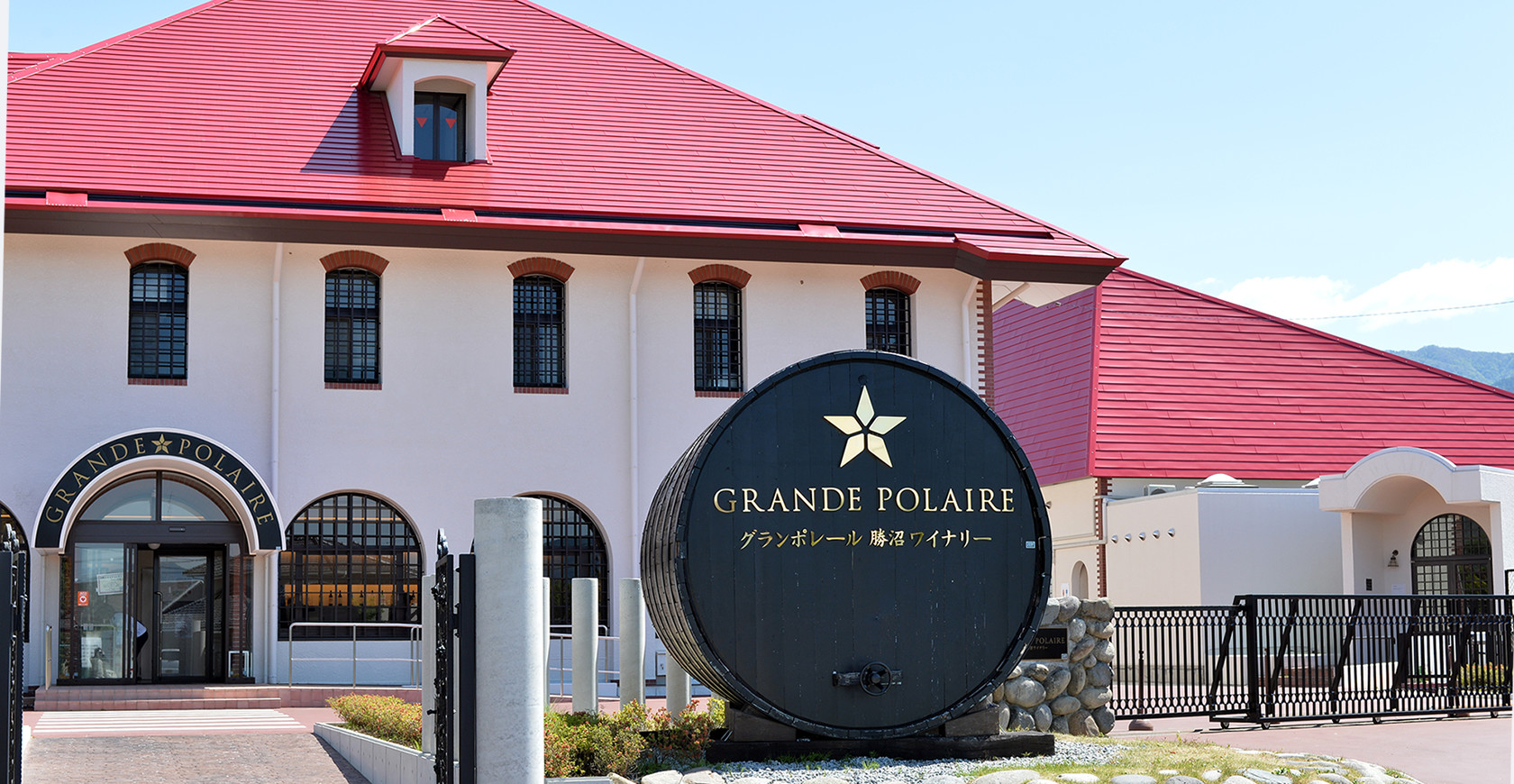
Katsunuma Winery was founded in 1976 in Katsunuma, Koshu City, Yamanashi Prefecture, known as the birthplace of Japanese wine.\n\nIn 2012, it was completely renovated as a winery dedicated to Grande Polaire and renamed Grande Polaire Katsunuma Winery.


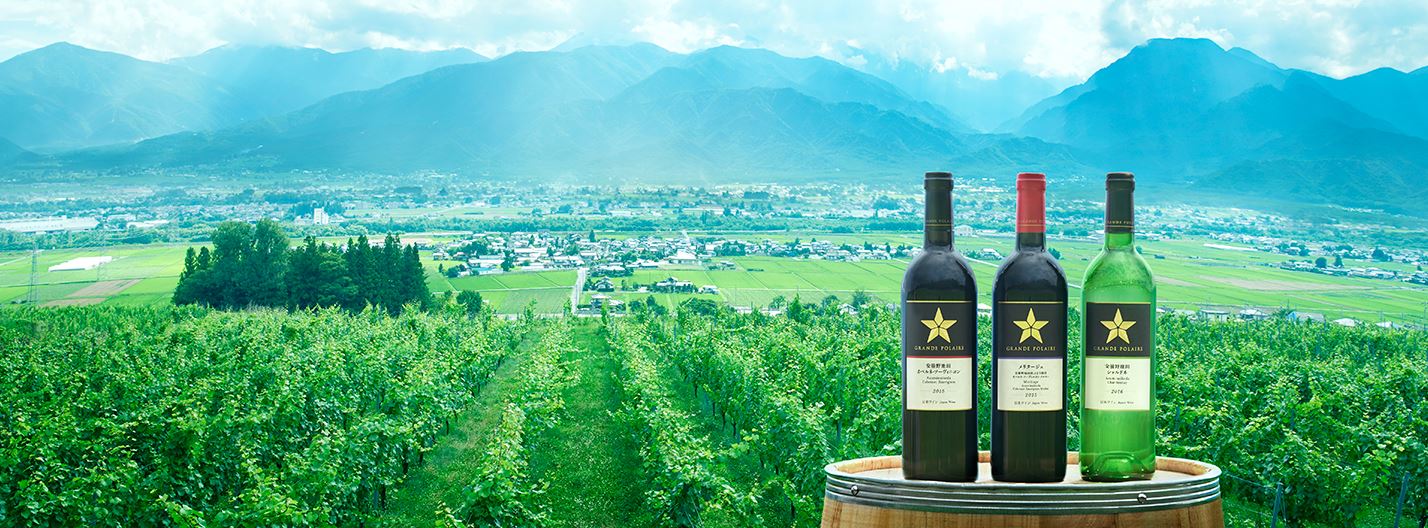
Yamanashi Prefecture is the birthplace of Japanese wine. The grape trellises spreading across the area around Koshu City in northeastern Yamanashi can be regarded as an archetypal landscape of Japanese grape cultivation. Overhead trellis training is well suited to Japan’s hot and humid climate and has long been used here. To carry forward Yamanashi’s terroir, Grande Polaire selected Koshu and Kai Noir, both traditionally grown using this method. One is an ancient Japanese variety and the other was developed in Yamanashi; together they are nurtured by a climate well suited to viticulture and continue the history and tradition of Japanese wine.\n\n◆ The broad overhead grape trellises are a cultivation method rarely seen in Europe and especially well suited to Japan’s hot, humid climate.\n\n◆ The varieties grown by this traditional method are Koshu, an indigenous Japanese grape, and Kai Noir, which originated in Yamanashi.\n\n◆ The producers’ tireless spirit of exploration continues to shape the history of Japanese wine.

VARIETIES / WINE FACTS

GRAPES
  • Not Available
  • Koshu

VISIT

OPEN
10:00~16:30
CLOSED
水曜日、年末年始、臨時休館日
TOUR
可能。(見学無料、試飲有料)
SHOP
有。

SOURCE — NIHONWINE.JP editorial