

Château Mercian Festival 2025—often shortened to “Château Fes”—brings together all three Château Mercian wineries: Château Mercian Katsunuma Winery, Kikyogahara Winery, and Mariko Winery.
Last year the festival was held at Mariko Winery in Ueda, Nagano, but this year it came to Shibuya, Tokyo. Although the weather was unfortunately poor on both days, the combination of Mercian and Shibuya proved powerful: the venue stayed busy with wine lovers from opening time into the evening.
In addition to Mercian’s three wineries, this year welcomed two wineries involved in Mercian’s grape-growing and winemaking consulting business, which began in 2021: Ar Paysan Winery and MK Farm Kobushi, both in Hanamaki, Iwate. For wine lovers, it offered an especially welcome chance to discover an even broader variety of wines.
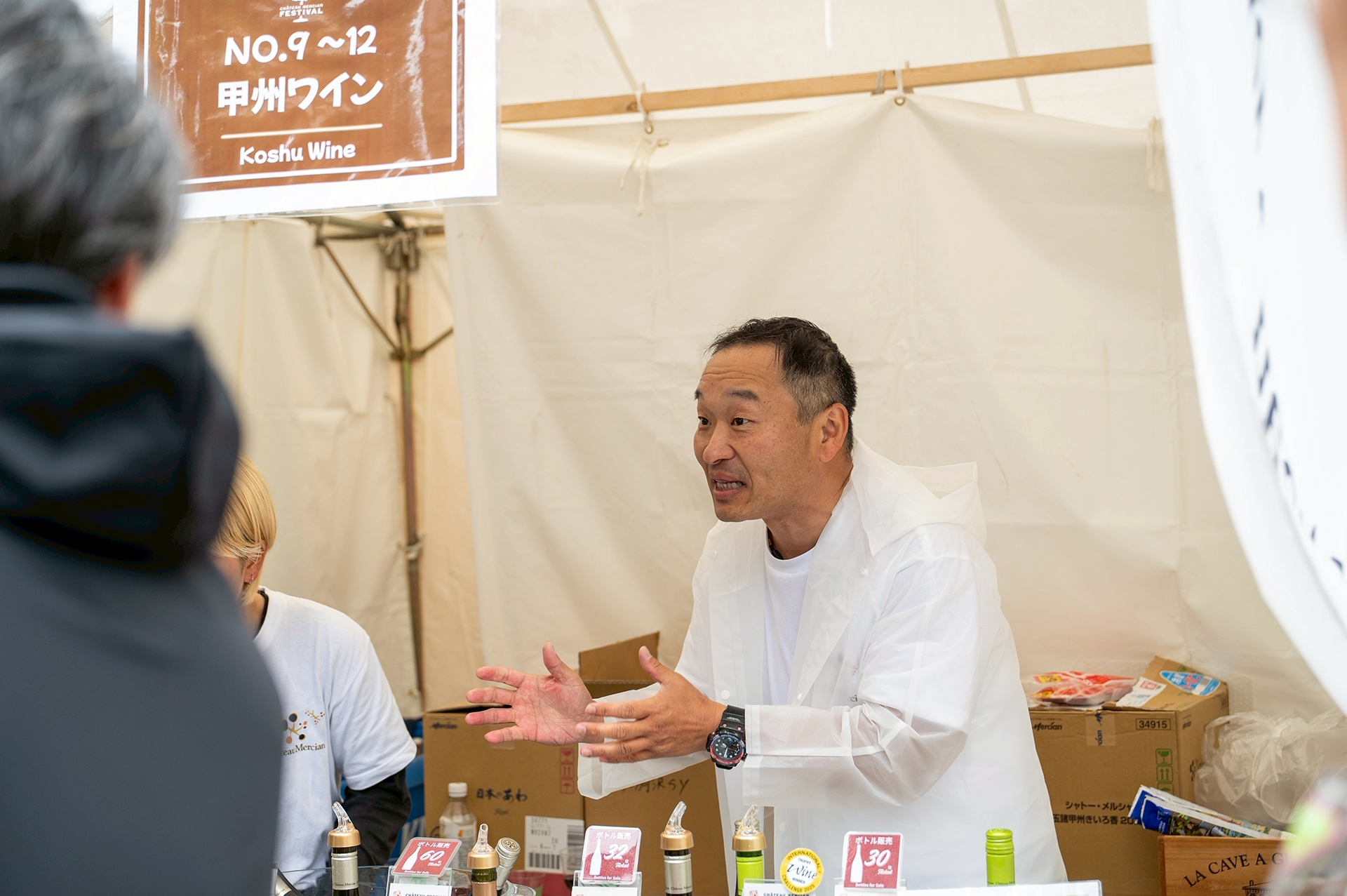
Seminars featuring past and present chief winemakers from the three Mercian wineries were also popular, held indoors and outdoors in a variety of locations and around different themes.
Some visitors even enjoyed the special opportunity to have a signature wine personally served by Executive Winemaker Mitsuhiro Anzo.
Mercian Consulting-Business Seminar Also Draws Strong Interest
Several paid indoor seminars were held, and almost every session was close to full.
They appear to have been highly worthwhile gatherings.
One particularly popular seminar was titled “The Journey of Mercian’s Consulting Business — Welcoming Ar Paysan Winery and MK Farm Kobushi.”
Mercian has a consulting team made up of senior winemakers that advises startup wineries.
Until now, the results of this work have largely been known only within wine circles, but one knowledgeable industry figure went so far as to say, “Wineries that receive Mercian consulting become dramatically more delicious—it’s remarkable.”
The details of the program had reportedly not been widely known even within Mercian itself, so the seminar attracted considerable interest from industry participants.
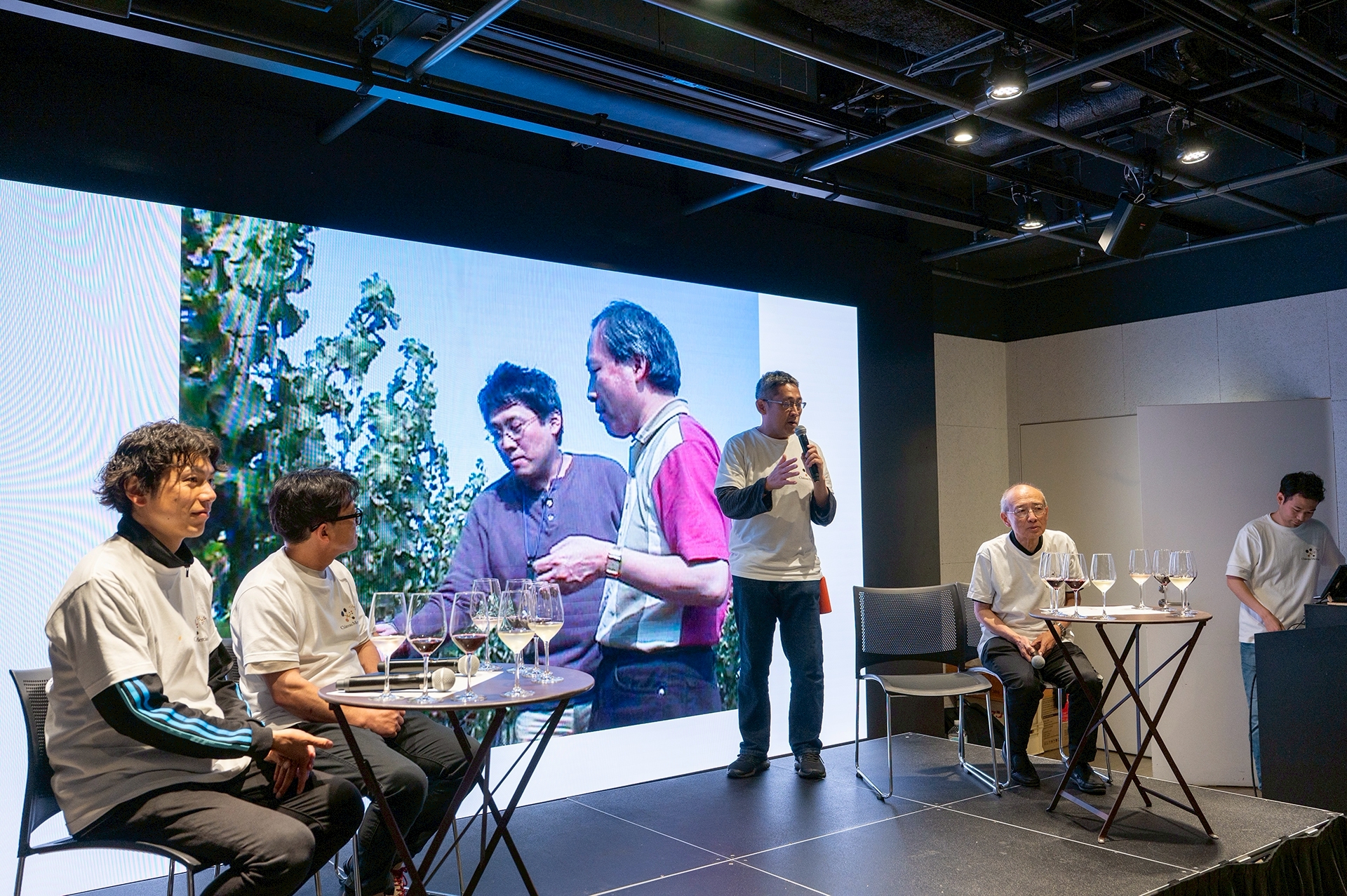
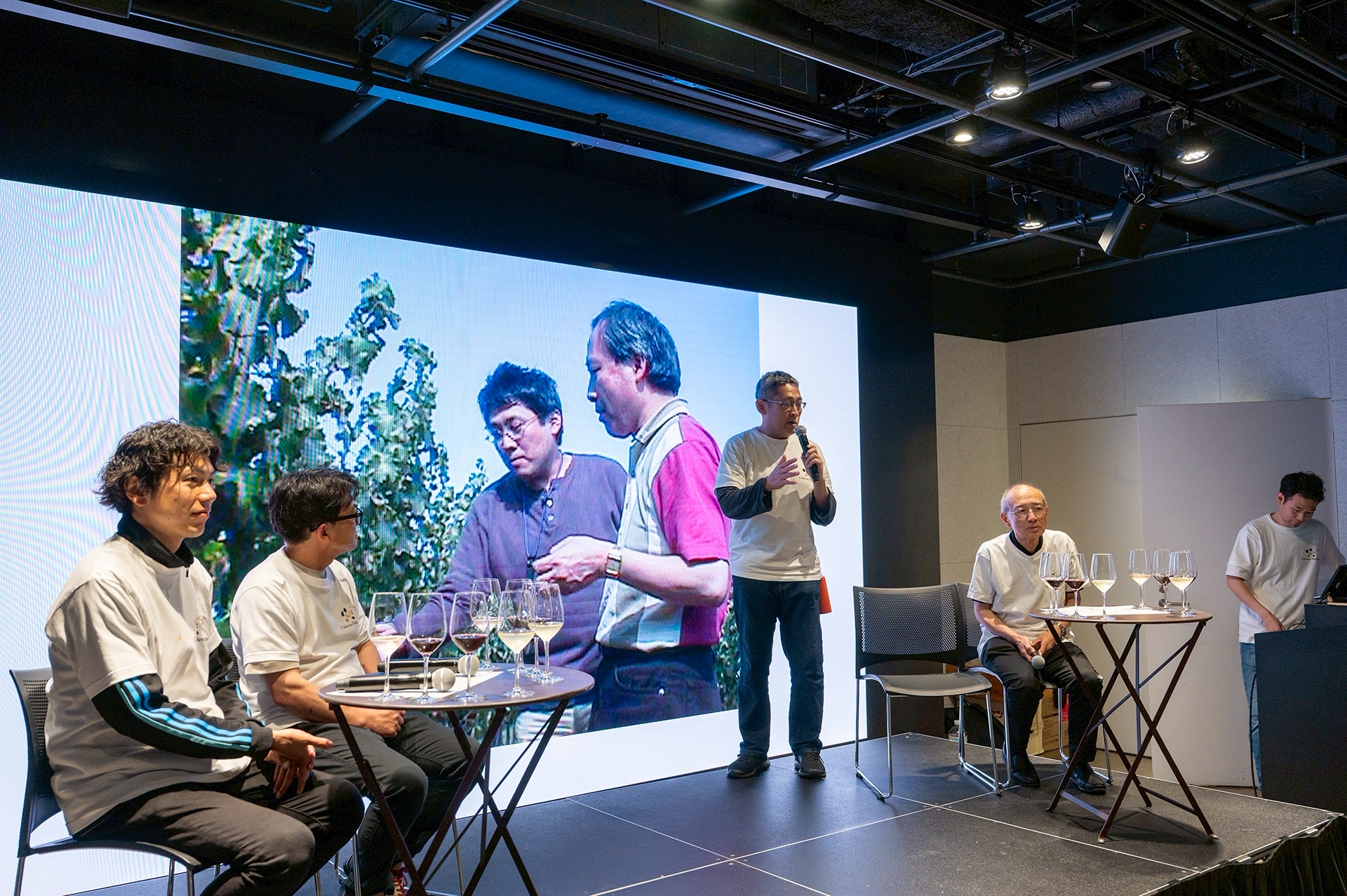
Four speakers took part: Takayuki Tamura and Katsuhisa Fujino of Mercian, together with Kazuya Takahashi of Ar Paysan Winery and Kei Sekine of MK Farm Kobushi, both consulting clients in Iwate. They introduced their wineries and tasted wines actually produced with the benefit of the consulting program.
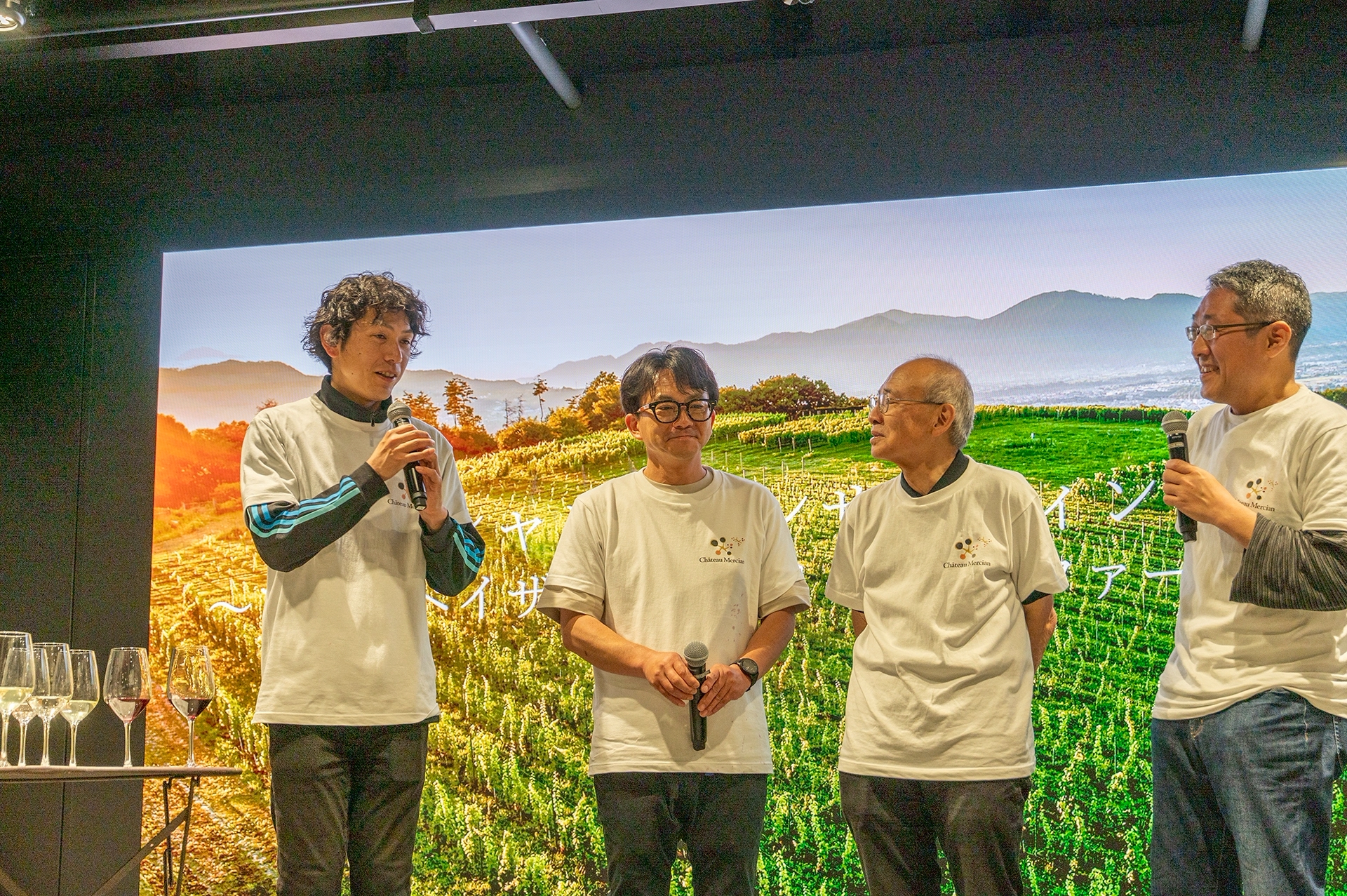
—What Kind of Team Is It, and What Does It Aim to Achieve?—
Core members of the consulting team are Mercian senior winemakers Takayuki Tamura, Katsuhisa Fujino, and Atsushi Otaki.
Anyone in the wine industry will understand how valuable it is to receive guidance directly from people with this level of experience.
Tamura explained, “I was fortunate to learn from Mercian’s great senior colleagues. We have people who studied overseas and know-how built up over many years. I want to share those Mercian assets with startup wineries across Japan so that we can raise the whole industry together.”
He continued, “Mercian speaks of ‘making Japan one of the world’s great wine-producing countries.’ Now that there are more than 500 wineries in Japan, it would be wonderful if that could be realized not only through our own company but in many regions across the country.”
“Even if Mercian alone makes excellent wine, Japanese wine will have no future unless the entire region is recognized as a wine-producing area.” These words were once shared with winemakers in Katsunuma by Usuke Asai, often called the father of modern Japanese wine.
The current generation of senior winemakers has inherited that spirit, and the consulting business can be seen as a concrete way of putting it into practice.
—What Has It Been Like to Receive Consulting?—
The team’s philosophy is not to help clients make copies of Mercian wines. Instead, the first step is to discuss carefully what kind of wine the winery itself wants to make, and then provide advice and support aligned with that goal.
The two consulting wineries participating in the discussion shared their own impressions.
Among the biggest benefits, Takahashi of Ar Paysan Winery said, “Learning where we stood in the first place was hugely important.” Sekine of MK Farm Kobushi said, “We had to begin by learning what actually makes a ‘good wine.’ We have been able to learn from the ground up.”
Issues that would barely register inside a large company or organization can sometimes create major anxiety for a small independently run startup winery.
Tamura responded with empathy: “I was lucky to receive guidance from Mercian’s great senior colleagues. I hope we can build the same kind of relationship I experienced between seniors and juniors—a relationship that passes knowledge along.”
Fortunately, both wineries in this seminar were already growing good grapes when the consulting began. Not every client starts from that position, however, and good wine ultimately depends on good grapes.
Fujino therefore stressed the importance of timing: “Please consult us before you plant. That is the ideal timing.”
—Looking Ahead—
Takahashi of Ar Paysan Winery said that seven years after planting in 2018, the next step is to consider how to draw out what is commonly called “terroir” and what direction the wines should take, while continuing to receive advice.
Sekine of MK Farm Kobushi, which is supported by agricultural-machinery manufacturer Kubota, also shared a vision unique to the project: “By working with Mercian, it would be great if ideas emerged that could spread labor-saving cultivation methods and ICT. We hope for a future in which a large area can produce large quantities of excellent grapes.”
Many of the seminar participants were winemakers or other industry professionals, and the question-and-answer session was lively.
If you are interested, it may be worth consulting the team once—ideally “before you plant the grapes.”