
WINERIES
Creating a Culture That Values Living Things ~Winemaking at IKKA WINES (Ikka Farm)~
In July 2020, fruit orchard Ikka Farm was established in Higashine City, Yamagata Prefecture. Because the wines of IKKA WINES, crafted from grapes grown there, are truly distinctive and delicious, and their initiatives are deeply fascinating, we spoke with grower Makoto Ito.
Contents
In July 2020, the orchard "Ikka Farm" was born in Higashine City, Yamagata Prefecture.
The wines of IKKA WINES, crafted from grapes grown there, are highly distinctive and delicious, and their initiatives were so fascinating that we spoke with viticulturist Makoto Ito.
CHAPTER 01
About Ikka Farm
An orchard that started with 2.6 ha of fields in Higashine City, Yamagata Prefecture.
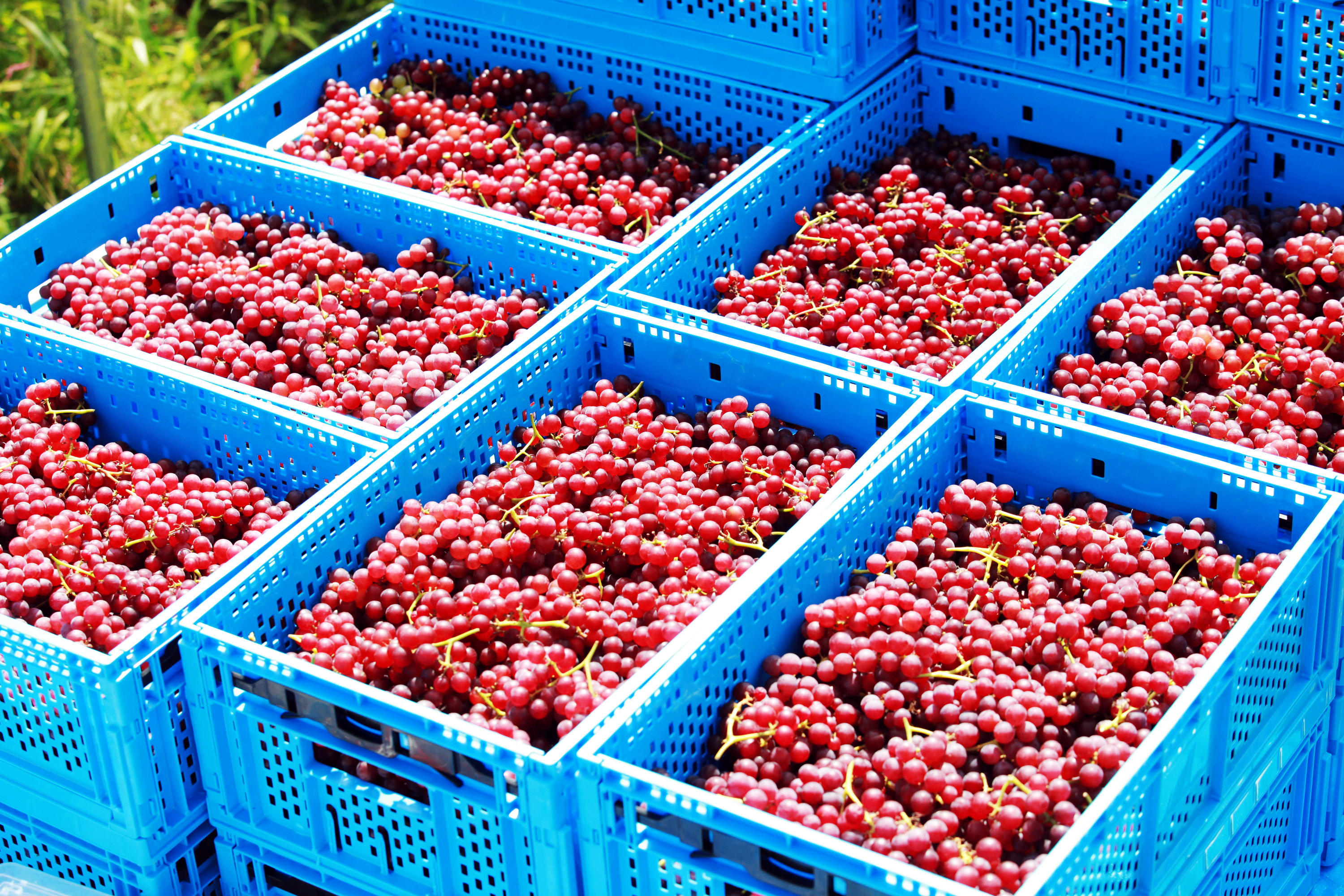
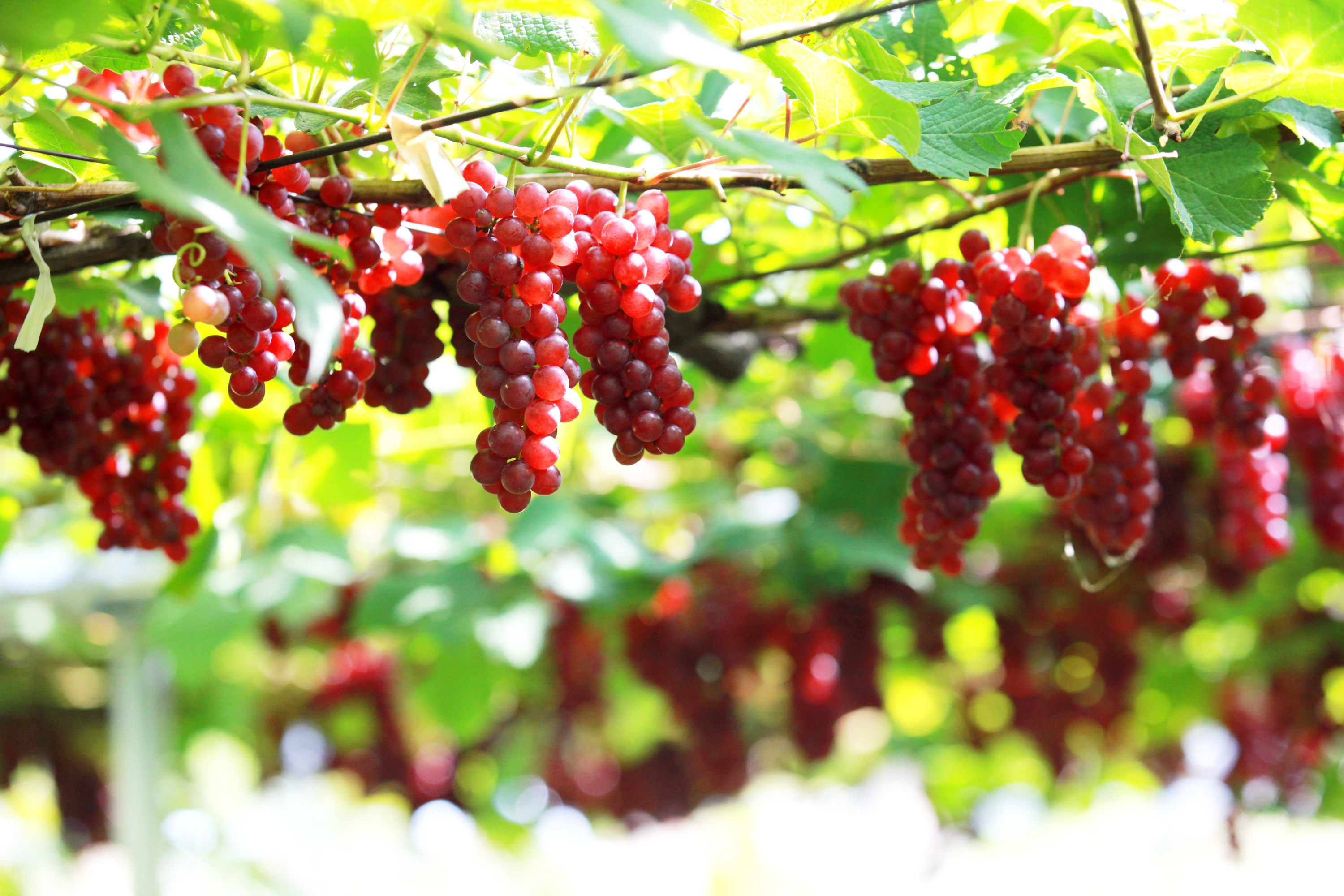
Currently, the fields have expanded to about 4 ha, growing around 4,000 grapevines mainly centered on Delaware, with plans to increase both volume and varieties next year to nearly 5,000 vines.
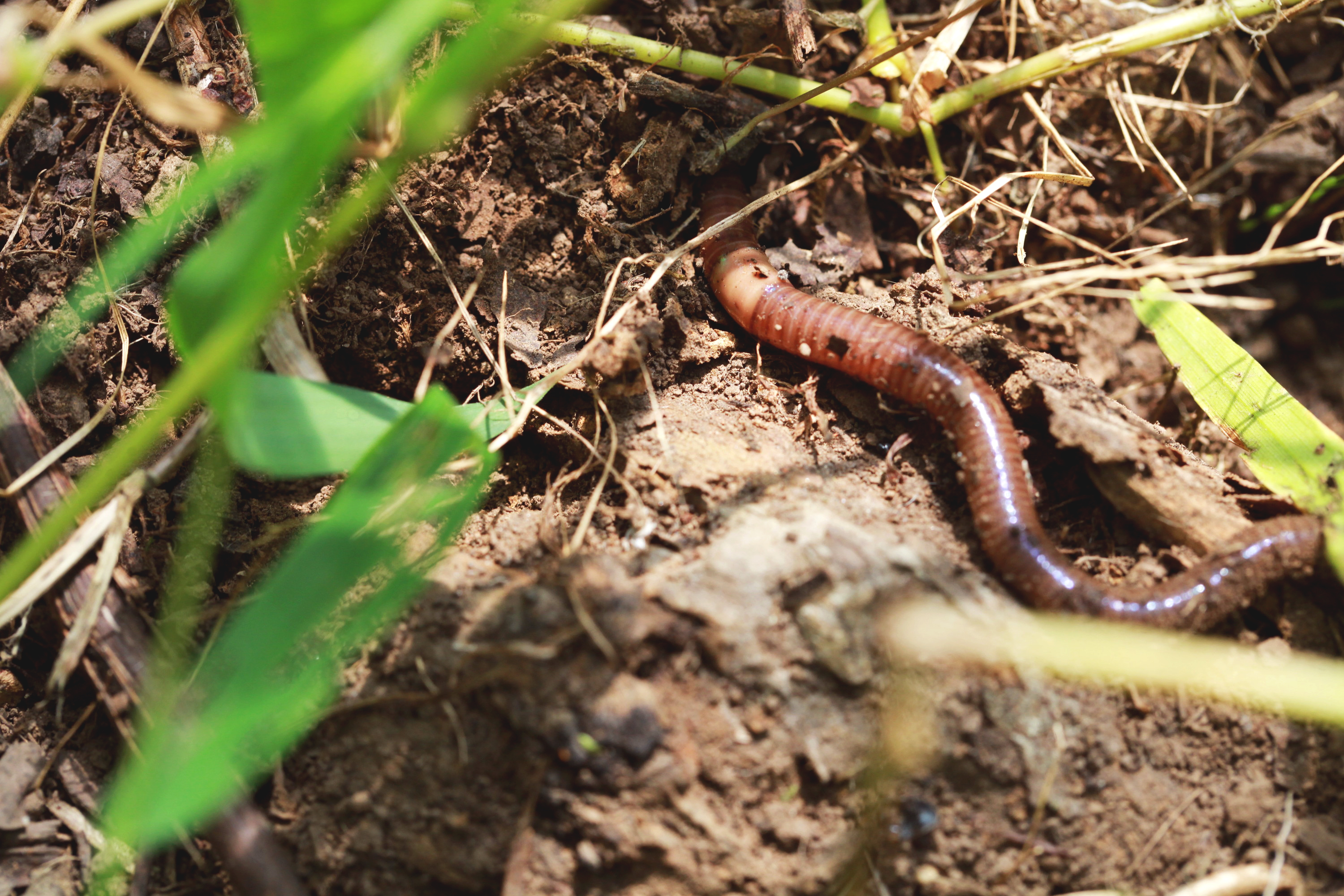
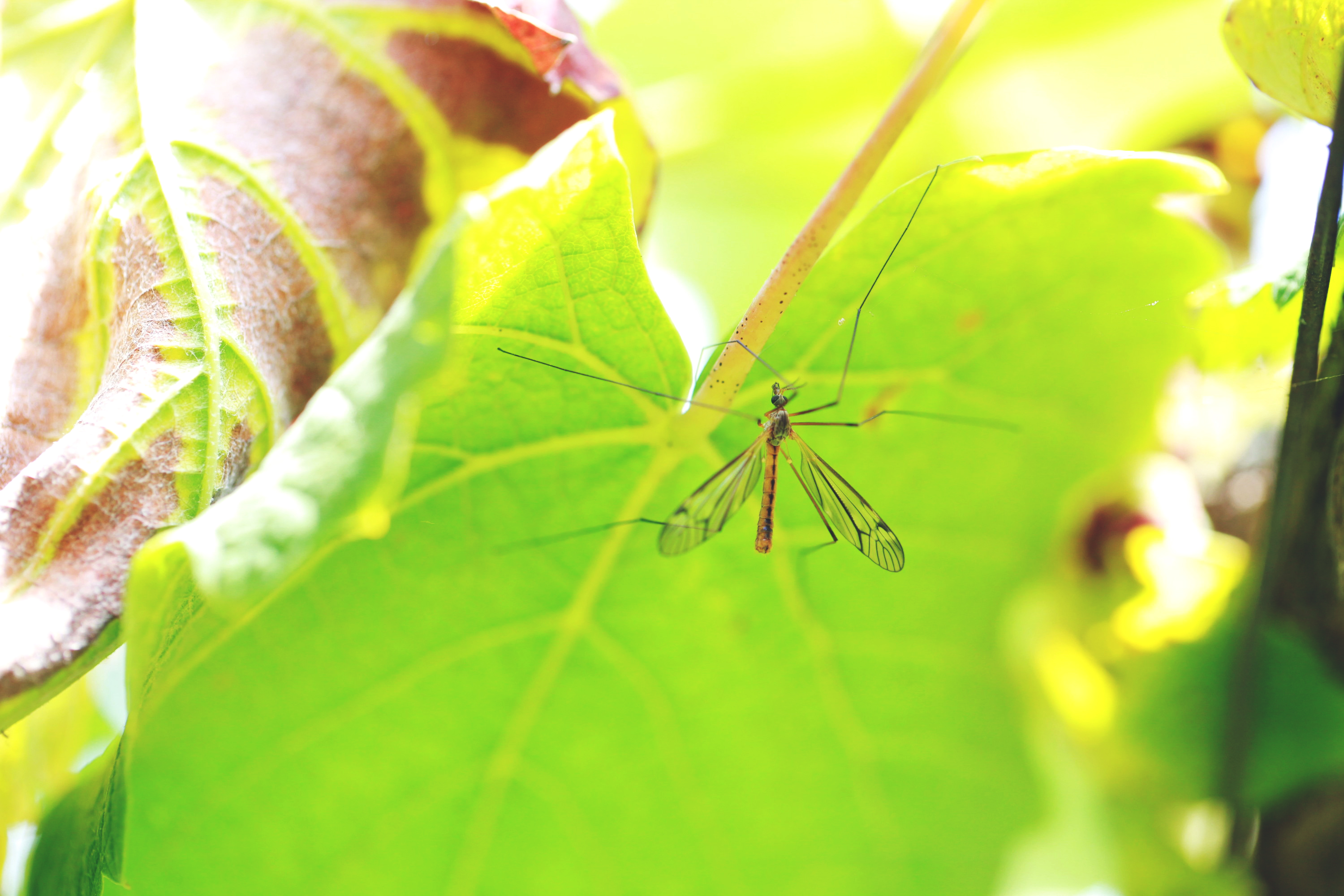
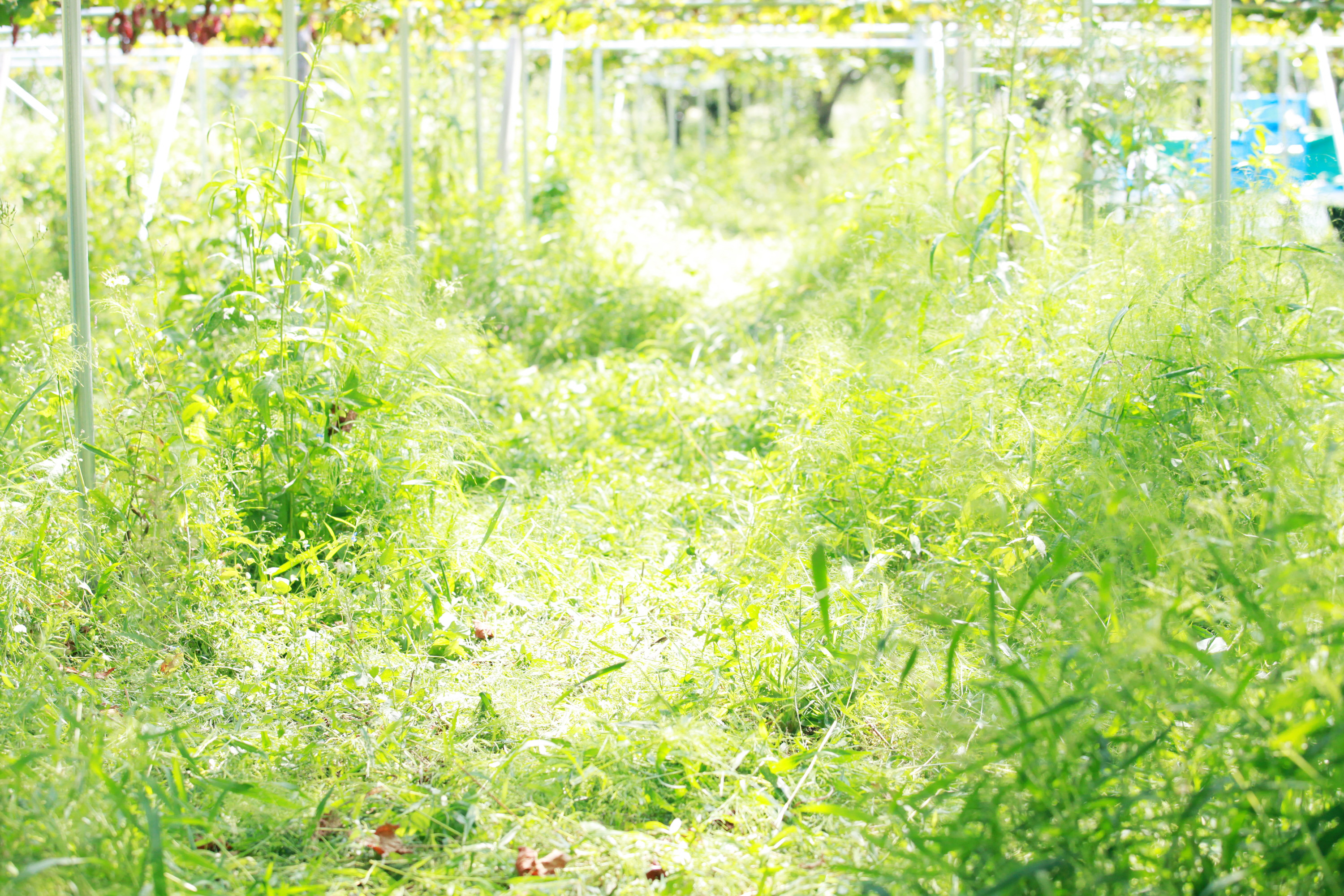
Here, what they call“Eco-Adapted Agriculture” (Japan Eco Friendly Agriculture)is practiced as a form of natural farming.
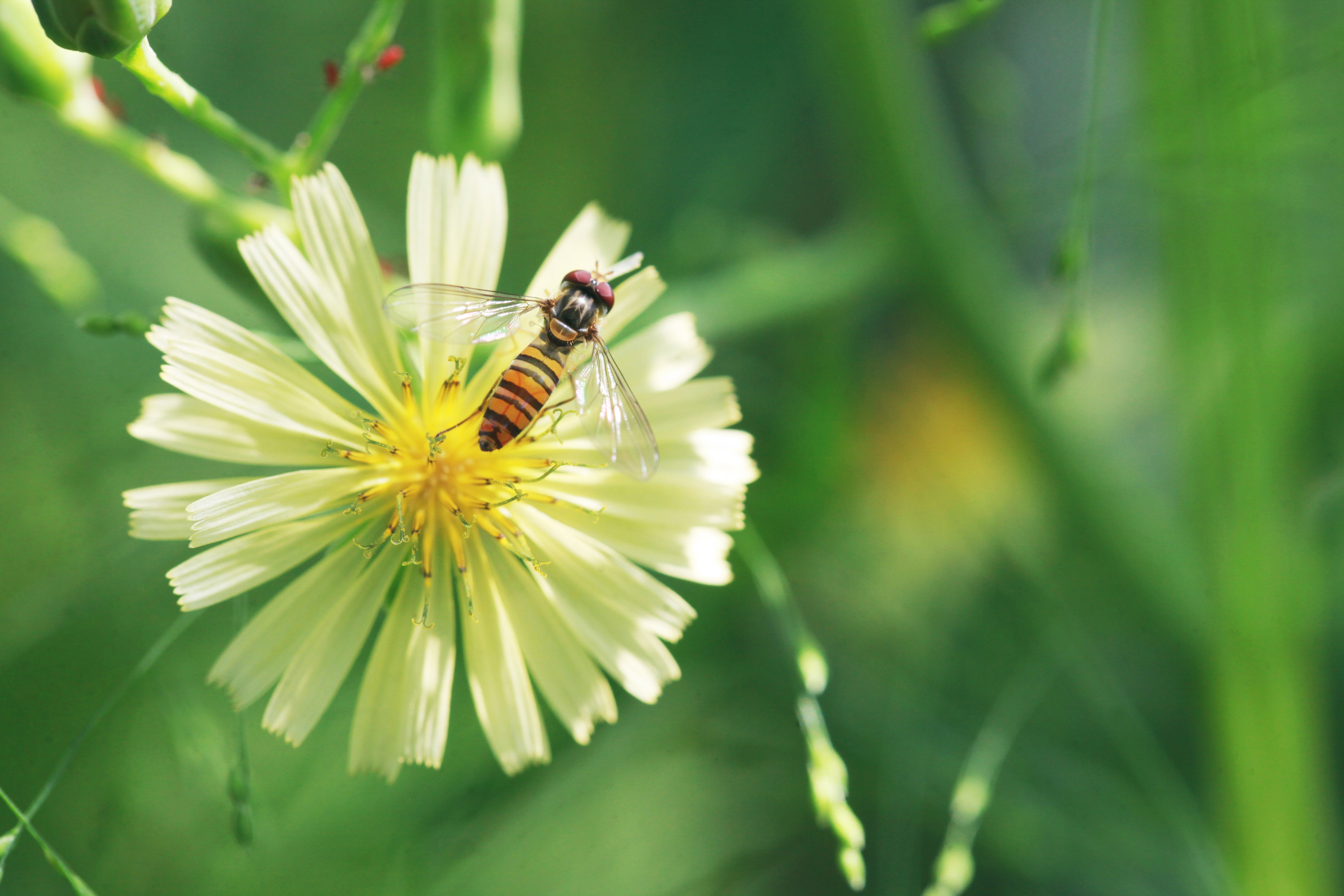
To create an environment where all kinds of diverse living creatures—from microorganisms and insects to birds and small animals—can coexist, they grow grapes without tilling the soil or relying on pesticides or fertilizers.
CHAPTER 02
"Creating a Culture That Values Living Creatures": An Interview with Makoto Ito
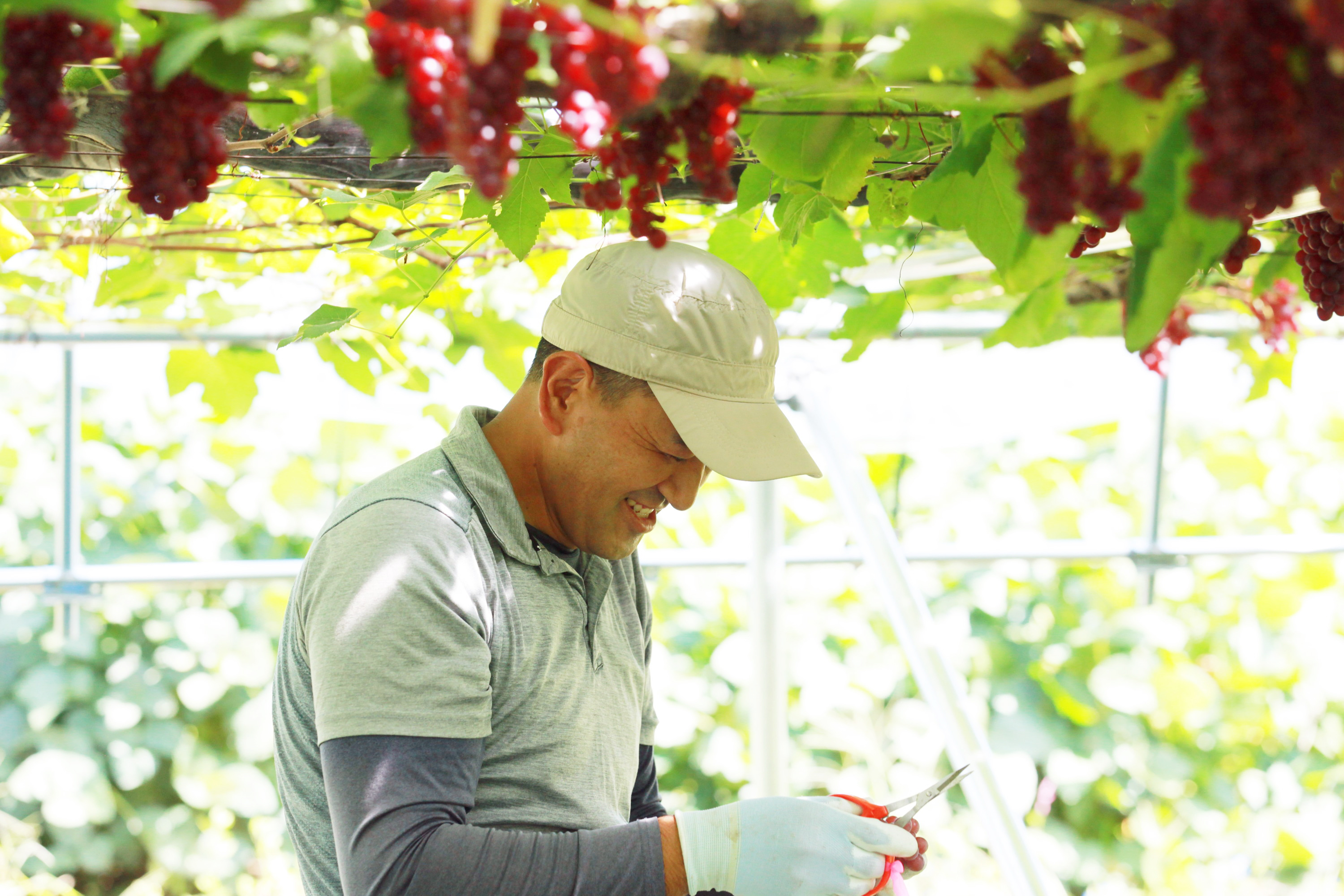
—Mr. Ito, you are currently practicing Eco-Adapted Agriculture, but what kind of activities were you involved in before that?
I worked as a company employee until I was around 30.
Through my work involving advertisements for veterinary hospitals, I began volunteering for a non-profit organization dedicated to wildlife conservation, rescuing injured masked palm civets and returning them to the wild.
However, during those activities, I sometimes faced criticism from farmers.
To farmers, masked palm civets were pests that ruined their fields and were deeply disliked.
Agriculture, which produces our food, is extremely important. Yet on the other hand, treating sick animals at veterinary hospitals and doing wildlife conservation work meant saving the lives of masked palm civets...Is there no way we could somehow coexist?...That was the catalyst that led me to consider natural farming as I do today.
Since then,“Fostering a culture that cherishes living things”—that has been my life's goal.
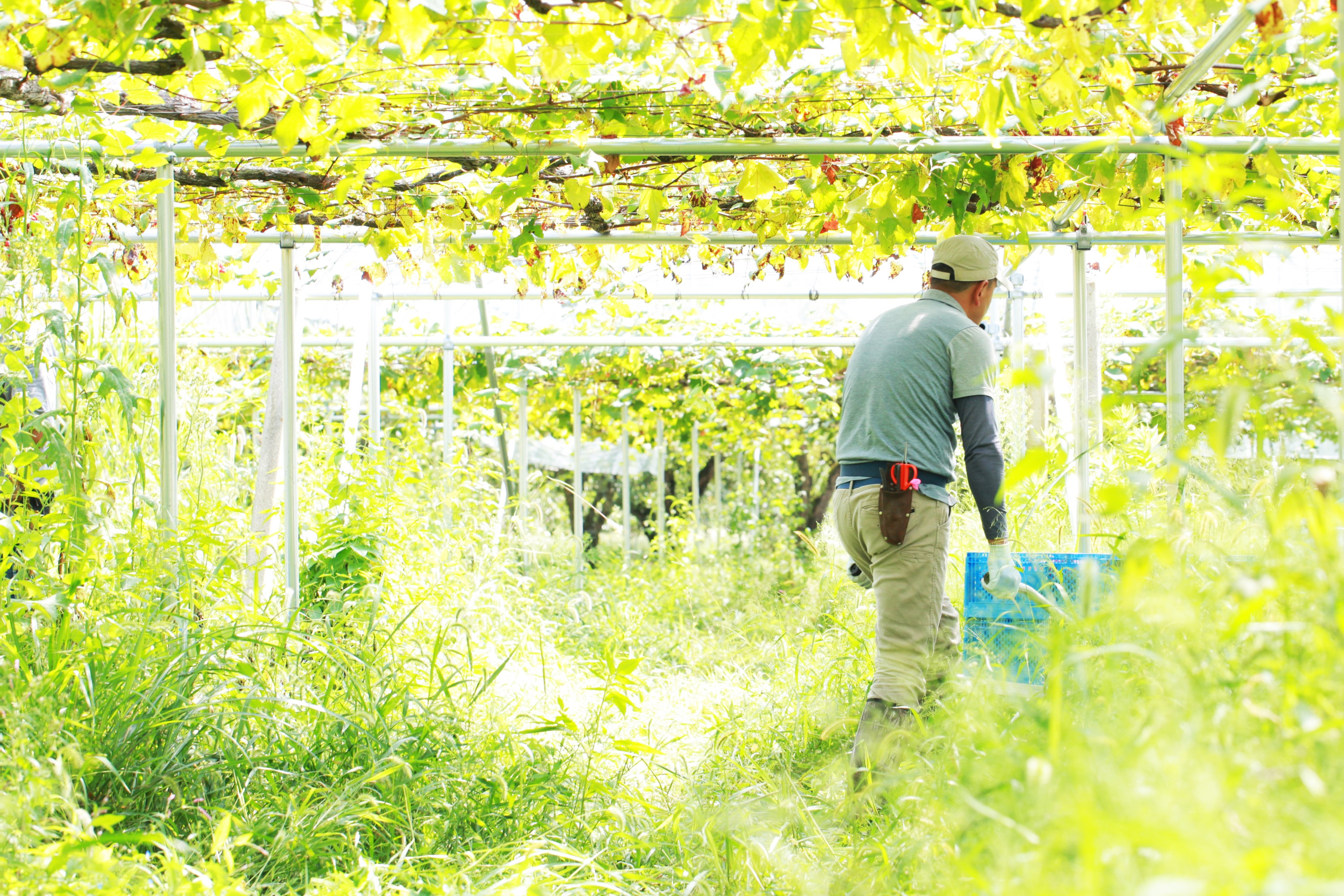
—What specific actions did you take after that?
First, I spent several years undergoing agricultural training in Hirosaki and Yamagata.
I was deeply inspired by the documentary film “Miracle Apples,” which chronicled the attempt at pesticide-free apple cultivation previously thought impossible. I used every means possible to get in touch with Akinori Kimura, the pioneer of natural cultivation featured in the film, and participated in workshops and instructor training programs for natural cultivation.
Furthermore, for about five years, I worked as the store manager at “Shizen Saibai no Nakamatachi” (Friends of Natural Farming), which sells produce from natural cultivation farmers across Japan. My job was to connect growers with people who wanted to eat naturally grown produce.
—That shows incredible passion and action. How did that lead to winemaking?
Even if I practice “cherishing living things” alone, it won't change the world significantly.
I really wanted to find a way to spread that concept more widely throughout society.
Along the way, I realized that various processed goods could be made using naturally cultivated ingredients.
One of those was wine, which drew my attention to vin naturel.
Wine has a long history and is enjoyed all around the world.
Because it has been deeply and broadly researched as a single crop, I thought it would be an approachable field to enter.
Also, while organic viticulture exists, places practicing thorough natural cultivation are still rare. That convinced me that there was real value in us taking on this challenge.
—When it comes to wine, cultivation is followed by the winemaking process. What style do you follow?
In winemaking as well, I keep in mind the principle of “adding nothing and taking away as little as possible.”
To be specific about our methods, we make wine without sulfites, fining, filtration, added yeast, or heat treatment.
For this approach, the quality of the grapes themselves is paramount, so of course we exclusively use our own estate grapes grown through our carefully practiced natural farming method.
This means we approach “winemaking” by starting with “creating the environment.”
As for the location, we currently produce our wine using the facilities of Yellow Magic Winery, also in Yamagata Prefecture, under the guidance and advice of mentor Sumito Iwaya.
—Please tell us about the characteristics of IKKA WINES' wine.
Currently, Delaware is the only variety we handle.
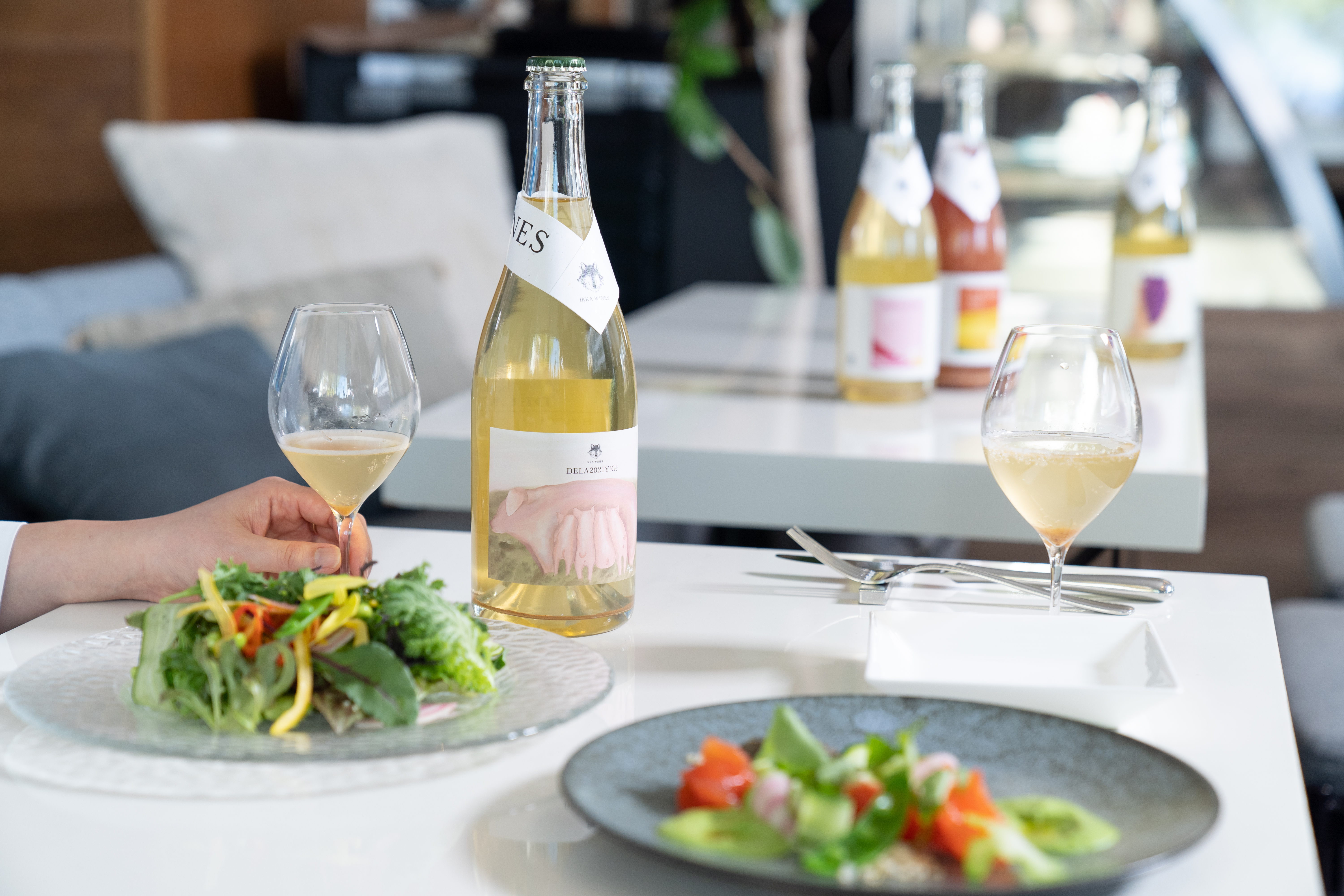
We offer a range of winemaking styles, including white wines and skin-contact orange wines.
Our signature wines are still wines made from grapes high in malic and tartaric acid that undergo malolactic fermentation to give them a yogurt-like flavor profile, and we hope to continue producing plenty of these in the future.
——What do you hope to achieve through wine, Mr. Ito?
Although we currently only work with Delaware, we plan to gradually expand our range of varieties.
These include Niagara, Steuben, Muscat Bailey A, and Yama Sauvignon.
We are also preparing European varieties such as Chardonnay, Pinot Noir, Cabernet Sauvignon, and Sauvignon Blanc.
By watching how they grow, we want to gently discover what naturally suits this environment.
That said, rather than producing and selling wine in large quantities, I really want to elevate its level of maturity.
And when people drink our wine and think, "This is delicious!", I want them to know that the reason behind it is our approach of "ecologically compatible agriculture that coexists with living creatures and harmonizes with nature."
Furthermore, it would be wonderful if a virtuous cycle takes root where the more wine people drink, the richer nature becomes.
——It's wonderful to think that your culture of "cherishing living creatures" can spread through IKKA WINES, reaching not only people who are already interested in such things, but also those who hadn't given them much thought before.
About the author
Stories covering the same region, newest first.
- WINE & DINING【Tasting Akiu Vol. 2】The Best Pairing Is Found at the Source — Discovering Terroage Tohoku23 JUL 2026Miyuki Isobe
- WINERIESExpressing the Terroir of Plots and Vineyards in Wine! New "FROM FARM Winery Building" Completed! Guided Tours Have Also Begun!14 SEP 2025Miyuki Isobe
- WINERIESYamagata’s Rising Star Winery: Bellwood Vineyard19 JUL 2022NORIZO
- WINERIESWine Crafted by an Orchard: Woody Farm & Winery (Yamagata Prefecture)7 JUL 2022NORIZO
- WINERIESWine Made from Fruit: Higashine Fruit Wine (Yamagata Prefecture)1 JUL 2022NORIZO
- WINERIESA Long-Established Yamagata Winery: Visiting Takeda Winery21 JUN 2022NORIZO
Wineries in this region
REGIONAL WINERIESRead → Know → VisitWineries in 山形県. Find somewhere to visit.