
WINE & DINING
【Tasting Akiu Vol. 2】The Best Pairing Is Found at the Source — Discovering Terroage Tohoku
Contents
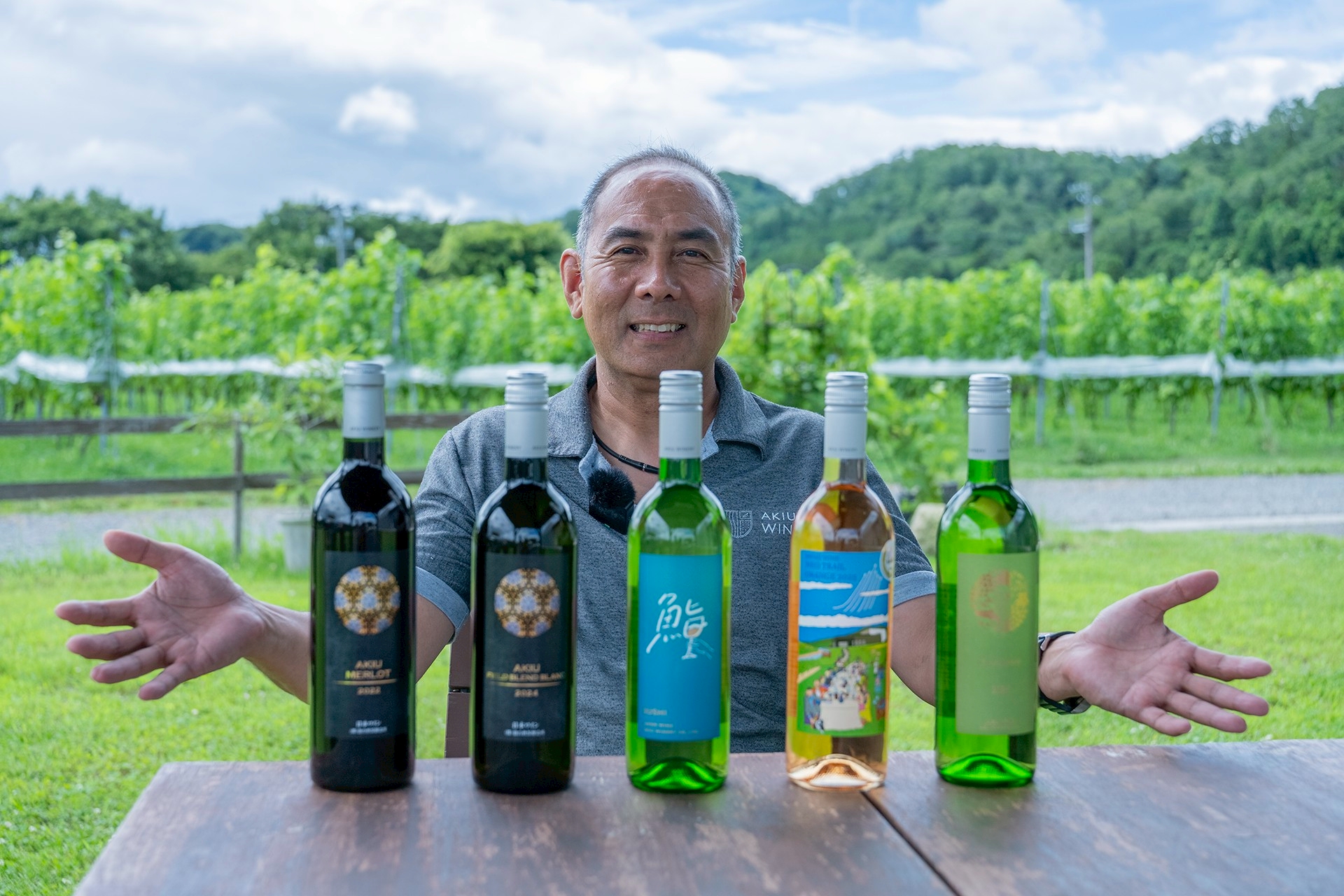
For some time, Chikafusa Mori, representative of Akiu Winery, has been developing the idea of “Terroage.” The word is Mori’s own coinage, combining “Terroir” and “Mariage.” It refers to an experience of “tasting the place itself,” encompassing not only the land but also its people, landscape, and culture.
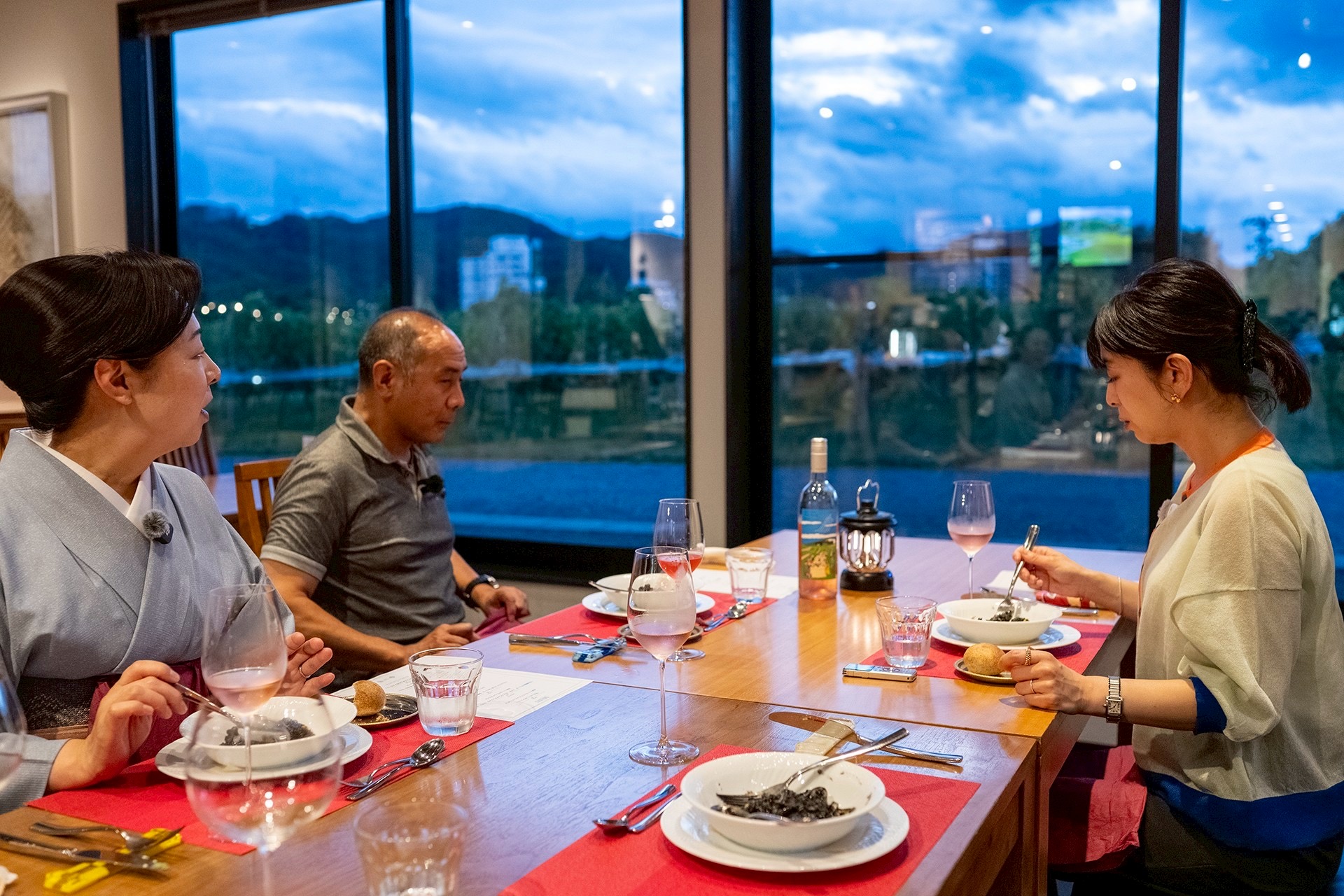
This time, I had the chance to experience that “Terroage” for myself. I sat around the table with Mori and Tomoko Takahashi, proprietress of the long-established Akiu inn Kagaribi no Yu Ryokusuitei, who shares the same deep affection for the land, and listened to their thoughts.
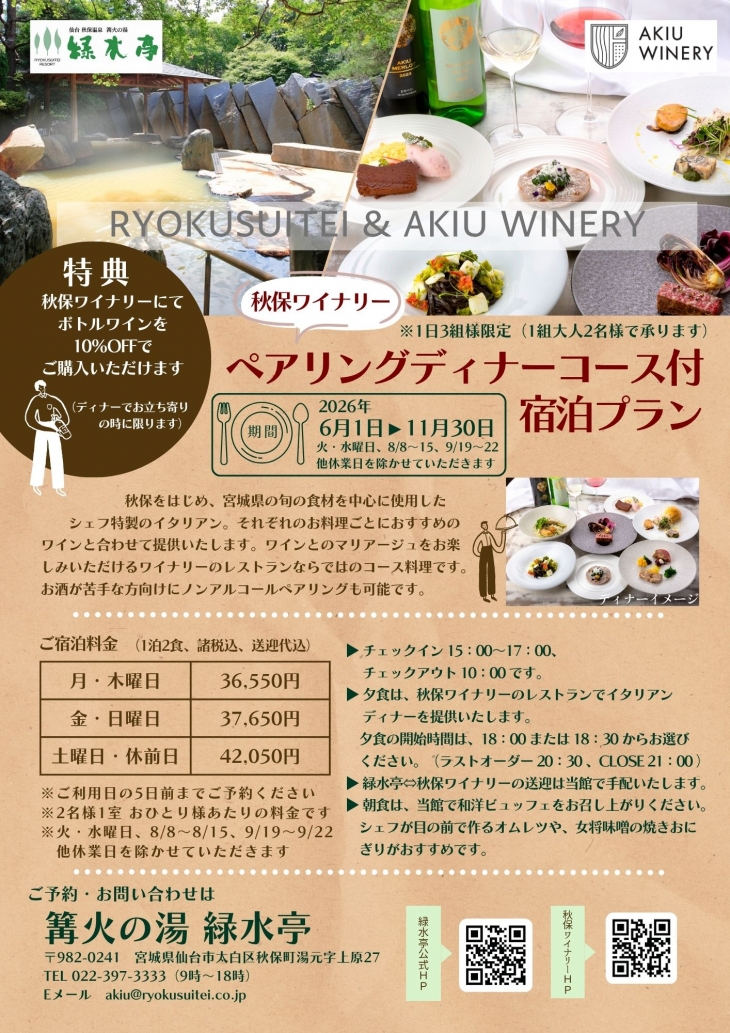
The course we experienced paired dishes and wines from the collaborative Accommodation Plan with Pairing Dinner Course offered by Ryokusuitei and Akiu Winery. Transportation from the inn is included, so guests can enjoy the wines without concern.
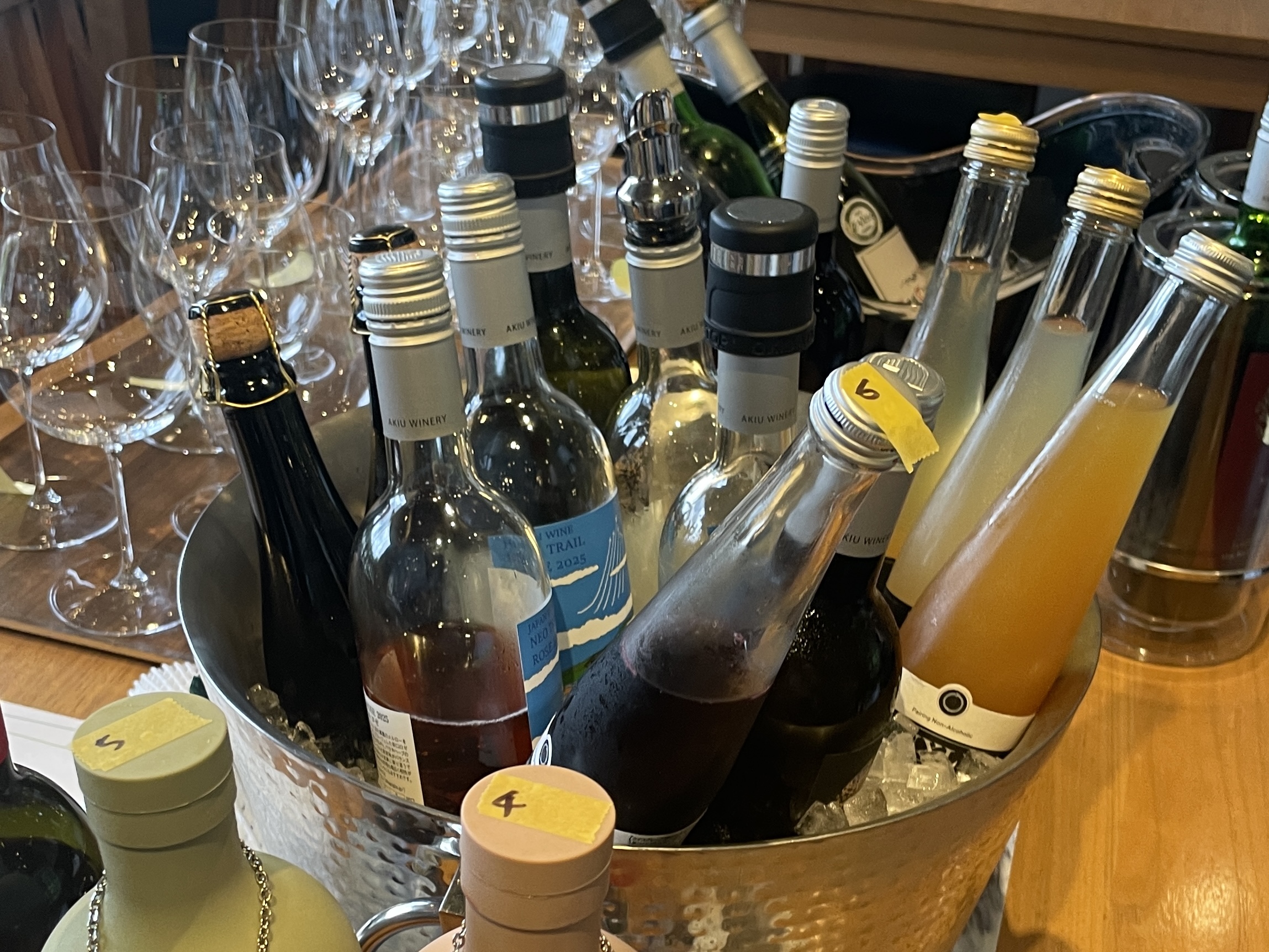
We began with a toast of sparkling Akiu Field Blend, made from a range of varieties grown in Akiu’s vineyards, including Pinot Gris, Gewürztraminer, and Viognier.
Alongside it, Chef Yoshida served one of his personal seasonal favorites: fried zucchini blossoms from Kaneyama, Yamagata Prefecture, filled with ricotta and anchovy and lightly fried in semolina flour. The delicate fritter was an excellent match for the aromatic, lively sparkling wine.
CHAPTER 01
How “Terroage” Began
Surprisingly, Mori did not start Akiu Winery simply because “he wanted to make wine.”
Mori originally worked as an architect. After the Great East Japan Earthquake, while working on reconstruction planning and meeting fishermen and farmers whose livelihoods had been devastated, he began to think, “I want Miyagi’s food to shine again.” That, he says, was the real beginning.
“There had been only one winery in Miyagi Prefecture. It was swept away by the tsunami, and its president also lost his life. So I included the creation of a new winery in the reconstruction plan, thinking perhaps someone would commission me to design it.” In the end, the winery he had expected to design for someone else became one he launched himself.
More than a decade has passed since that decision. Today, Akiu Winery has become a hub where producers, chefs, sake breweries, and others gather. The circle that began as “Terroage Akiu” expanded into “Terroage Sendai,” then “Terroage Miyagi,” and now “Terroage Tohoku,” spreading across the region.
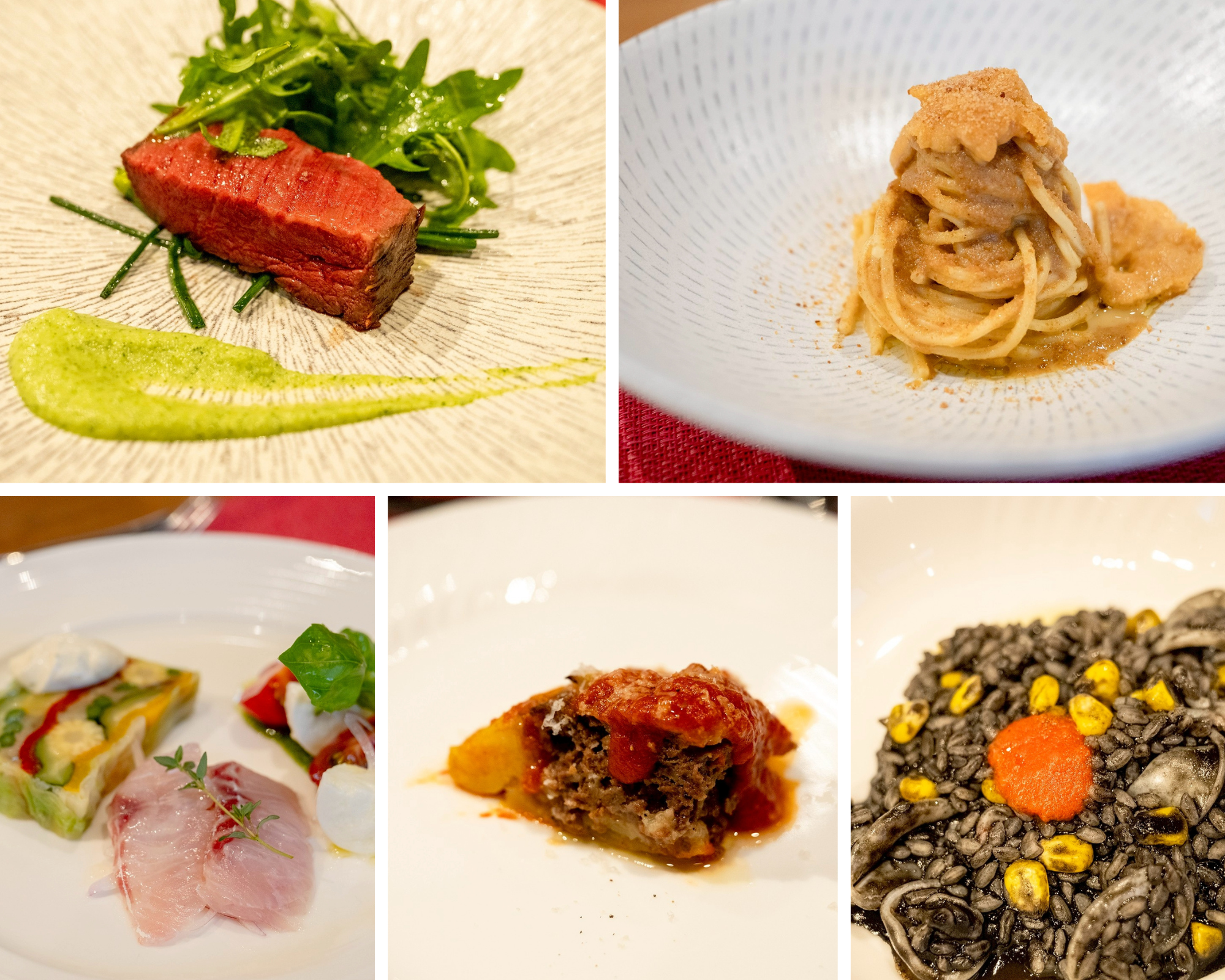
The second plate was a terrine made entirely with vegetables grown by farmers around Akiu. Its vivid seasonal colors immediately caught the eye. Alongside it were Mizudako octopus from Shizugawa in Minamisanriku, buffalo mozzarella caprese, and salt-cured sea bass—each element expressing both season and place.
“Every vegetable comes from farmers in this area.” The dish conveys not only where the ingredients were produced but who grew the vegetables and which fisherman caught the fish. That background becomes part of the food itself. A plate rich in information gives the act of tasting greater depth.
The pairing was Akiu Field Blend Blanc, led by Pinot Gris. It begins crisp and taut, but as its temperature rises slightly, the fragrance of Gewürztraminer opens beautifully.
CHAPTER 02
Communicating “People, Food, Landscape, and Culture”
As part of the Terroage activities, Mori had been organizing winemaker dinners with visiting producers. At one such event, he saw a guest moved to tears while eating. “That was when I realized it. What we need to communicate is not wine alone. Together with the wine, we need to tell the story of this entire region.” From that moment, Terroage evolved into an activity that communicates “people, food, landscape, and culture.”
What began at Akiu Winery as collaboration with producers in Miyagi gradually expanded to sake breweries, whisky distilleries, and wineries throughout Tohoku. As “Terroage Tohoku,” the network continues to welcome more and more participants.
The cuisine embodies the same philosophy. A house-made pasta with egg and sea urchin uses “wine eggs”—eggs laid by hens fed with fermented grape pomace left over from winemaking.
Local eggplant is made into a sauce and topped with bottarga. The pairing is Neo Trail, an orange wine made from Delaware grapes. Delaware’s floral character is joined by notes of apricot and a faint touch of spice, adding complexity and creating a pairing that seems to melt into the richness of the pasta.
Next came dry-aged meat from a mature dairy cow, itself born from a collaboration with a local livestock farmer. A round zucchini stuffed with meat brought both roasted savoriness and sweetness. The wine was an aged Merlot from Azumino. There is also a new project underway to use grape pomace as feed in an effort to raise a new branded beef. It is another initiative pointing toward the future, and one worth watching.
After a risotto of seasonal corn, the main course was roasted rump cap of Sendai beef. Here again, Akiu zucchini appeared, this time as a sauce.
The wine paired with it was Akiu Winery’s grand cru, Akiu Merlot 2022. Berries, a full-bloom rose, and a faint trace of spice rise from the glass even before it reaches the nose. It has a silky texture that seems to melt across the palate, yet the tannins remain beautifully balanced with the meat. It is an exceptional Merlot.
CHAPTER 03
“The Best Pairing Is Found at the Source.”
After the meal, and after listening to Mori speak, one phrase he had used during the winery tour suddenly made perfect sense: “The best pairing is found at the source.”
The Terroage Mori describes is never merely a pairing of wine and food. It connects producers and chefs, inns, farmers, fishermen, and even the people who travel to the region, inviting them to experience the whole place through all five senses. That idea is now beginning to spread little by little from Akiu throughout Tohoku and beyond.
What comes through in those words is a strong conviction that the goal is not simply to build a winery, but to carry the value of the region forward to the next generation.
It is a culture that continues to grow as people meet one another, learn about the land, and taste its food and wine—and an initiative that will continue to create new encounters and add new chapters to the region’s history.
After dinner, stepping outside the winery restaurant, we feel the pleasant east-to-west wind unique to Akiu Valley. The vineyard and terrace stretching out before us are illuminated for the evening. Taking in the view, we board the car waiting to return us to tonight’s accommodation, Ryokusuitei.
A luxurious dinner that lets you experience Akiu as a whole, together with accommodation, is available through November 30.
If you have the opportunity, why not experience “Terroage” for yourself?
For information on the inn and winery lunch, see here:
 RELATED STORY【秋保を味わうVol.1】アキウインクルーシブが叶える”秋保を五感で楽しむ旅”
About Akiu Winery
 RELATED STORY【秋保を味わうVol.3】秋保の風土を映すワイン造り〜秋保ワイナリーを訪ねる
【Bonus for Those Who Still Want Another Drink】
For an after-dinner stop, this is our recommendation!
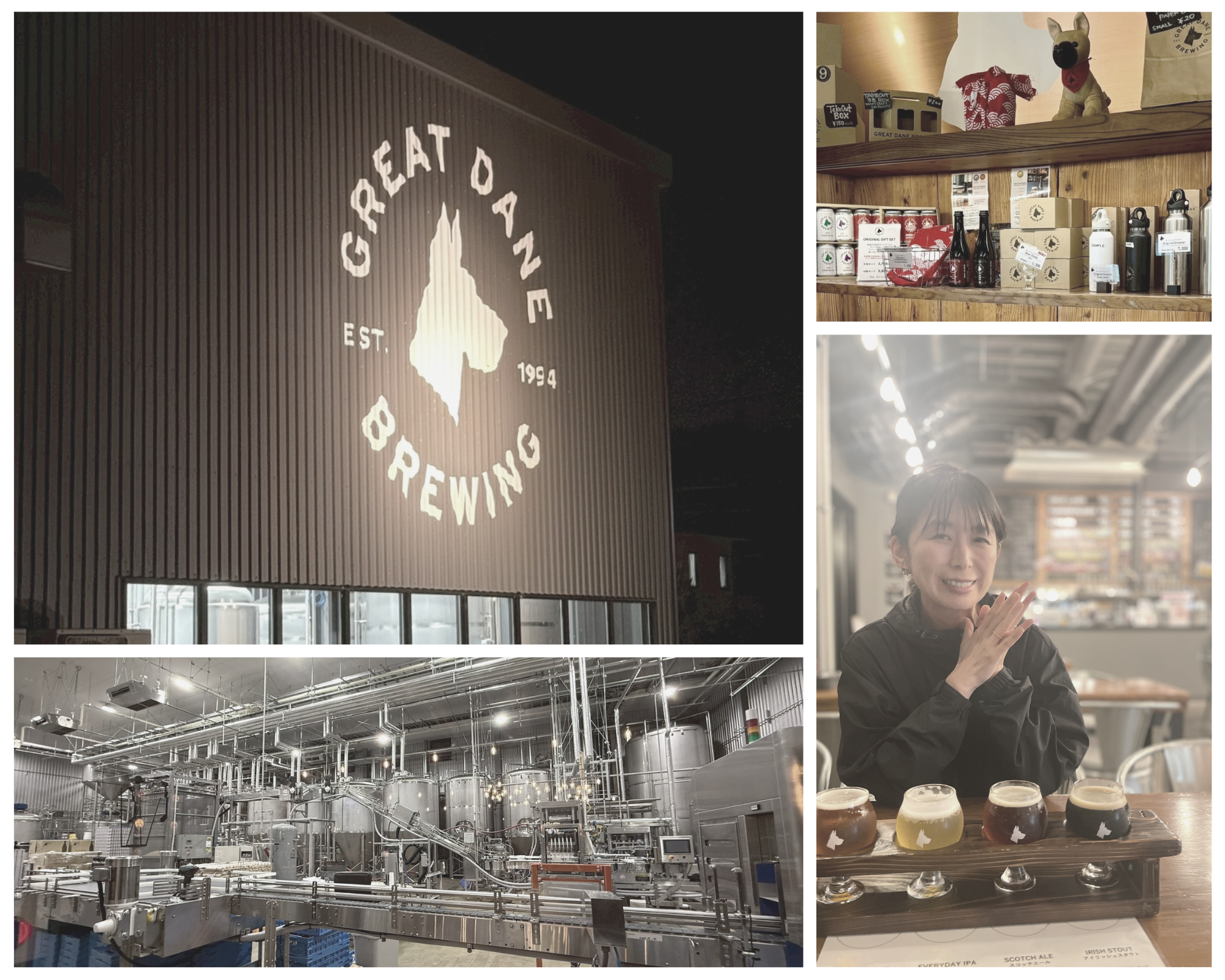
It is just a short distance from Akiu Winery. You can enjoy excellent craft beer in a beer hall attached to an impressive brewing facility. It is also included in the Akiu Inclusive program mentioned above, so now is a particularly good time to visit.
The merchandise is stylish too.
About the author
Stories covering the same region, newest first.
Wineries in this region
REGIONAL WINERIESRead → Know → VisitWineries in 宮城県. Find somewhere to visit.