Skip to content

Iwate

神田葡萄園

岩手県 陸前高田市

神田葡萄園

PROFILE

Legal name
株式會社神田葡萄園
Location
〒029-2206 岩手県陸前高田市米崎町字神田33
Representative
熊谷 晃弘
Region
岩手・大迫(おおはさま)エリア — 岩手県
Phone
0192-55-2222
Email
kanda-b@vanilla.ocn.ne.jp

ABOUT

About Kanda Vineyard

Our company is located in Rikuzentakata on the coast of Iwate Prefecture,

a small city surrounded by the natural richness of Sanriku and Hirota Bay.

Grape growing began here long ago, and we produce juice and wine.

Seeing customers connect with us through our products, enjoy them and smile is both our nourishment and our pride.

About N6

The “N6” shown on the label means “No. 6”—the sixth generation.

Kanda Vineyard has more than 110 years of history. The name expresses both respect for the weight of that history and for the grape-growing know-how and aspirations cultivated by previous generations,

and the determination of the current winemaker to state clearly that this is the sixth generation.

N6 is an expression of our history since our founding in 1905 and of our resolve.

FEATURE STORY

A Historic Winery Founded in 1905

Kanda Vineyard is one of Japan's historic wineries.

It was founded in 1905 after obtaining a license to produce sweetened fruit wine.

The story began when the first-generation owner, who worked as a carpenter, planted table-grape vines he had received from a client in Rikuzentakata.

Documents from the time refer simply to “Western grapes,” but considering the varieties available in Tohoku then, they may have been Delaware, Concord, or Campbell Early.

The area was also rich in fruit growing, with apples, pears, and other fruit cultivated alongside grapes.

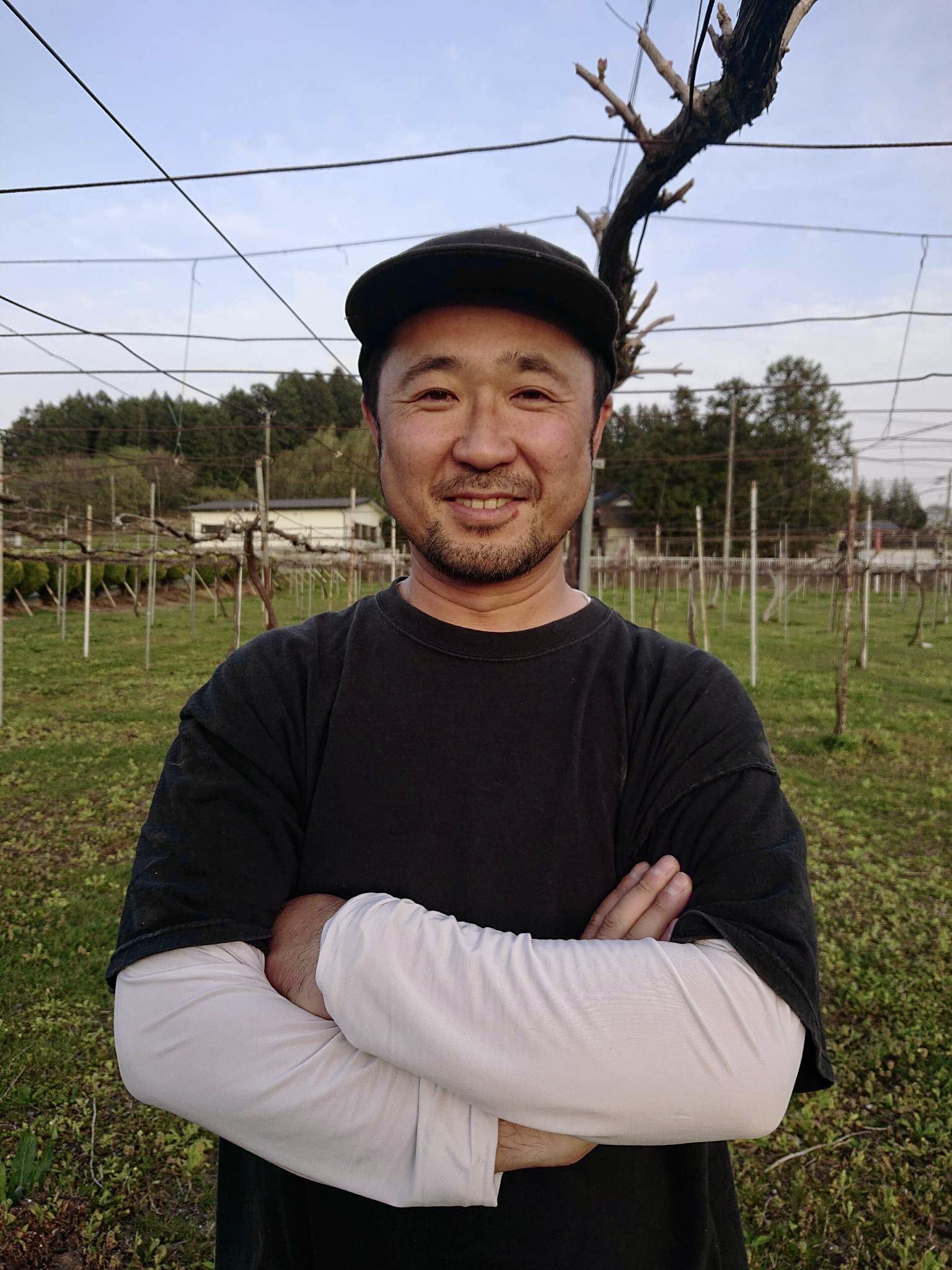
The sixth-generation successor, Akihiro Kumagai, took over in 2008.

The fruit-wine license had once been surrendered amid the turmoil after World War II and changing times, but in response to local residents and wine fans asking for “real wine” to be made again, the license was reacquired and the winery restarted.
The Terroir of Minamisanriku

Minamisanriku has a maritime climate, with cool summers and relatively mild winters.

Its proximity to the sea also brings substantial rainfall and high humidity. In addition, the seasonal yamase winds blow before summer, making the growing conditions challenging.

At the same time, the sea provides good air circulation.

A long autumn also allows later-ripening varieties to remain on the vine and mature gradually.

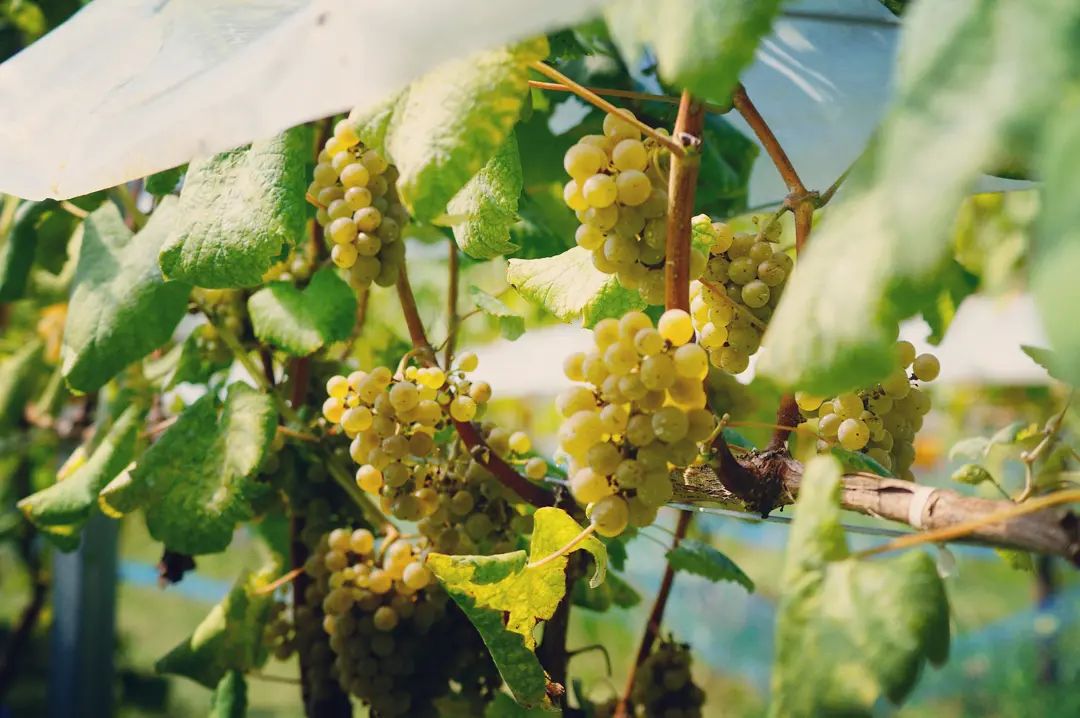
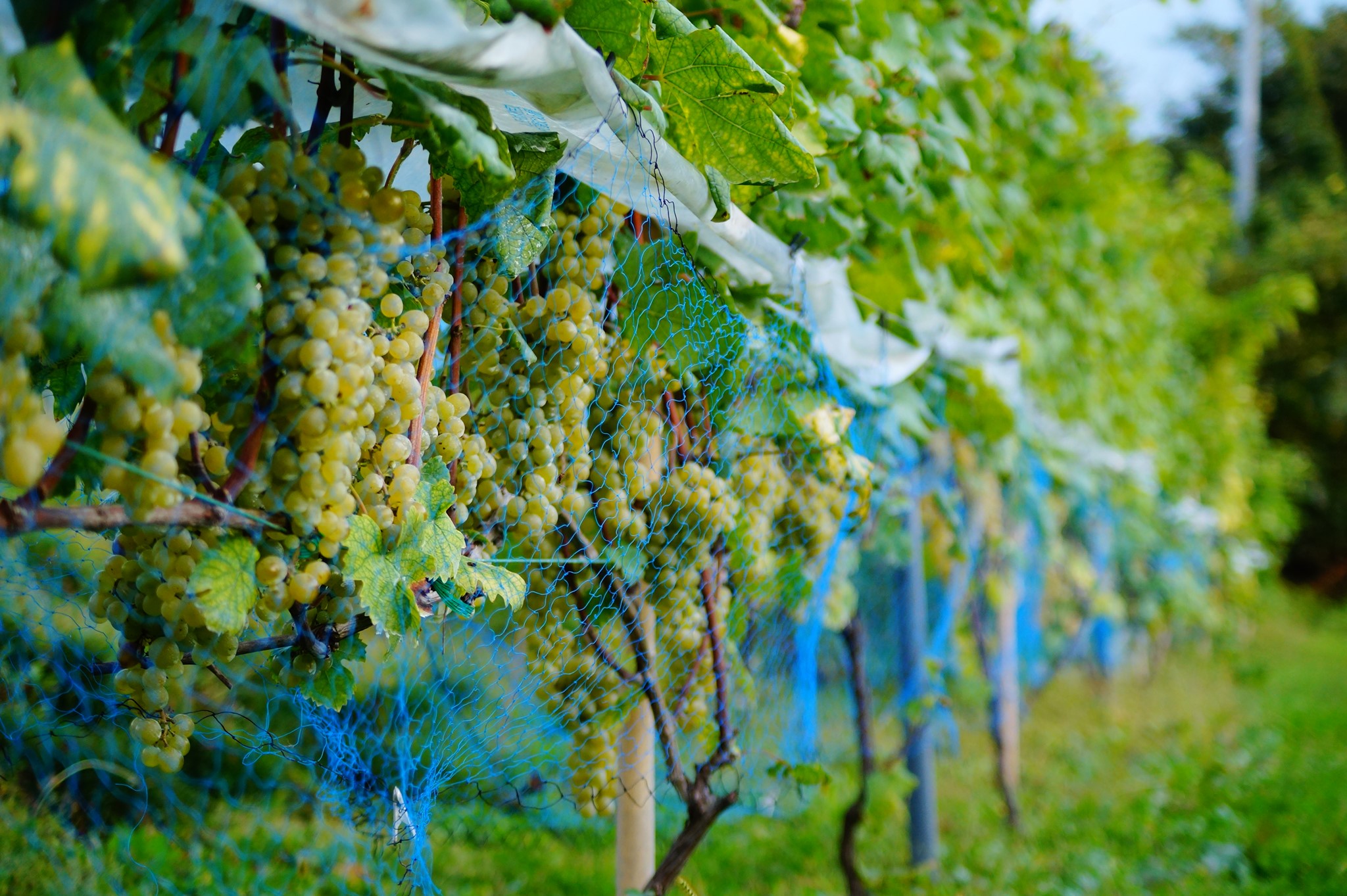
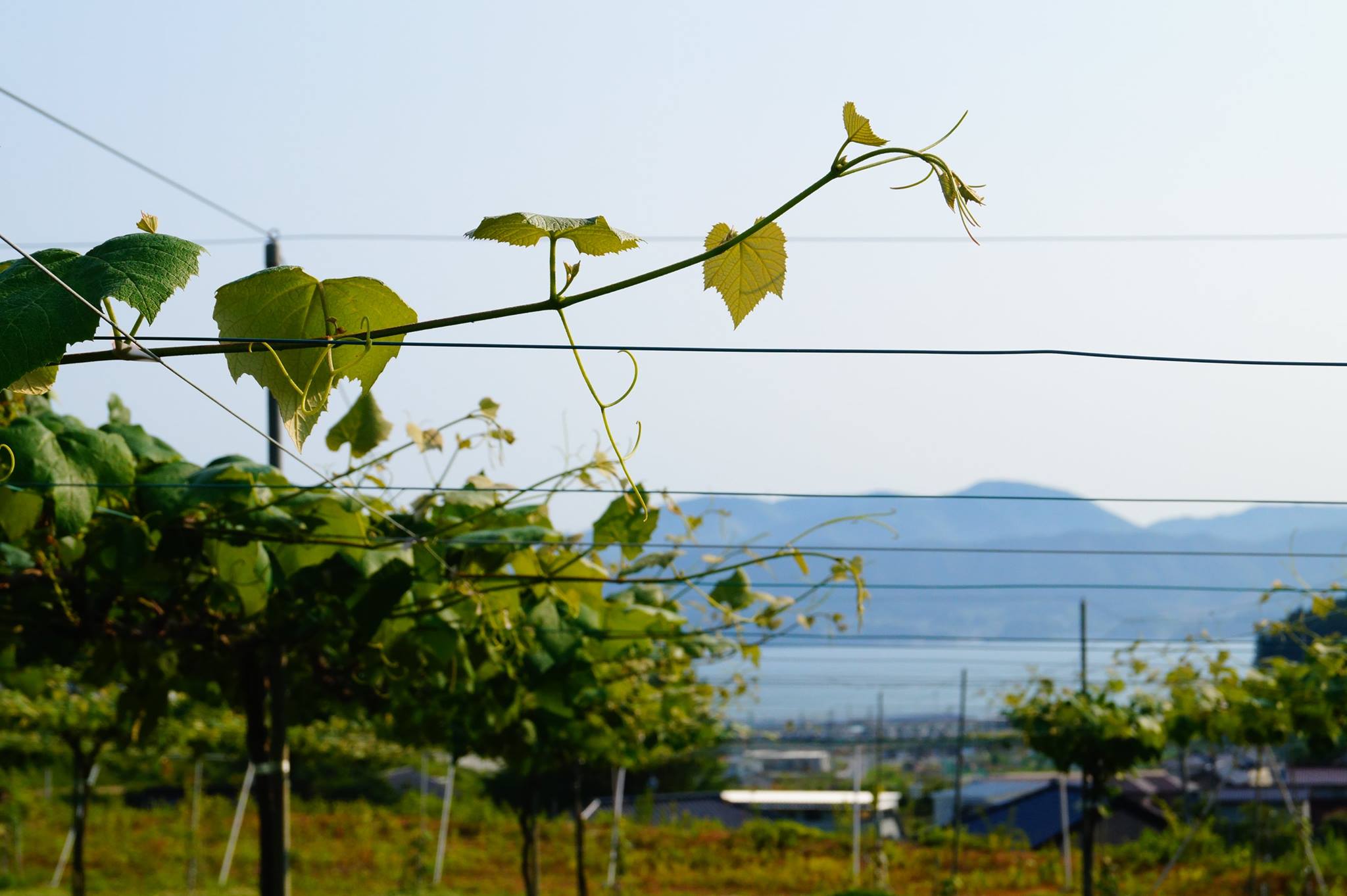
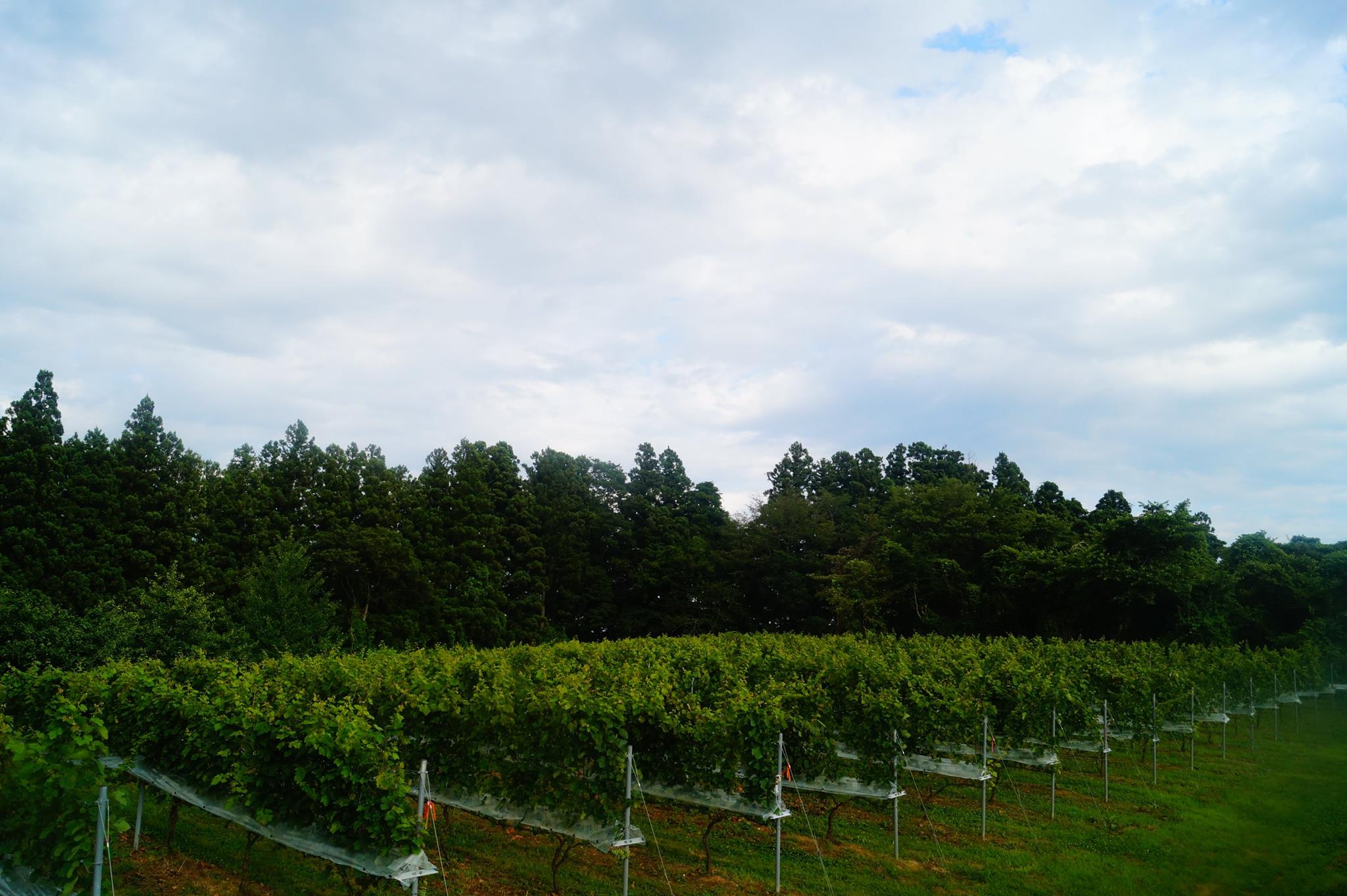
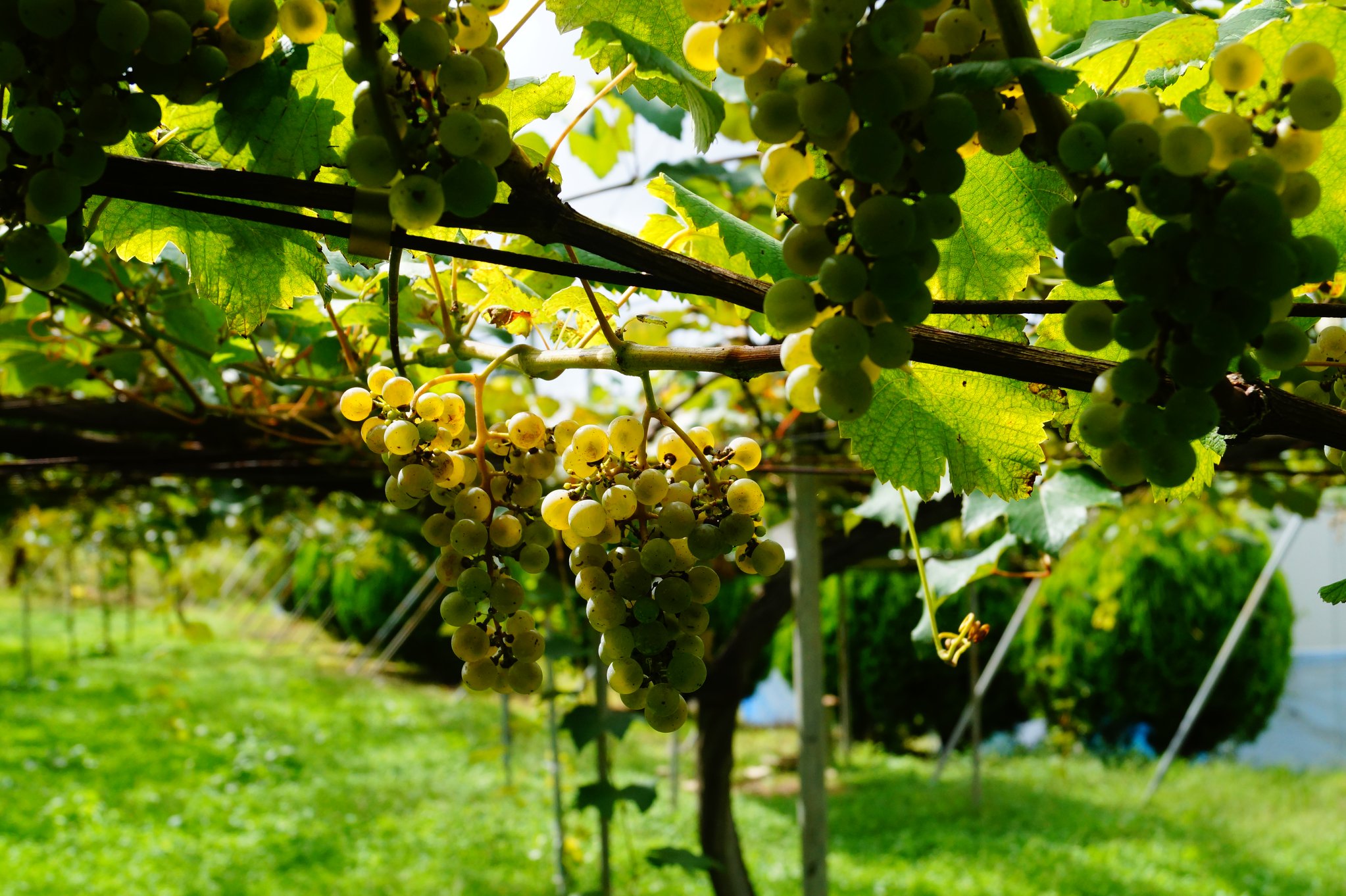
The winery grows varieties including Riesling Lion, Muscat Bailey A, and Albariño on overhead trellis systems.

Because the vineyard soils retain water, overly dense planting can lead to excessive vigor, so the vines are given a more open growing form.

The soils are mainly clay and granite.

The winery accepts both the advantages and difficulties of Minamisanriku and practices viticulture adapted to the region.

Albariño: A “Wine of the Sea” That Evokes Minamisanriku

Among the many varieties the winery is testing, expectations are especially high for Albariño as a grape well suited to this area.

At present, roughly one-third of the winery's 4.1 hectares of vineyards is planted to Albariño, and that area is expected to increase.

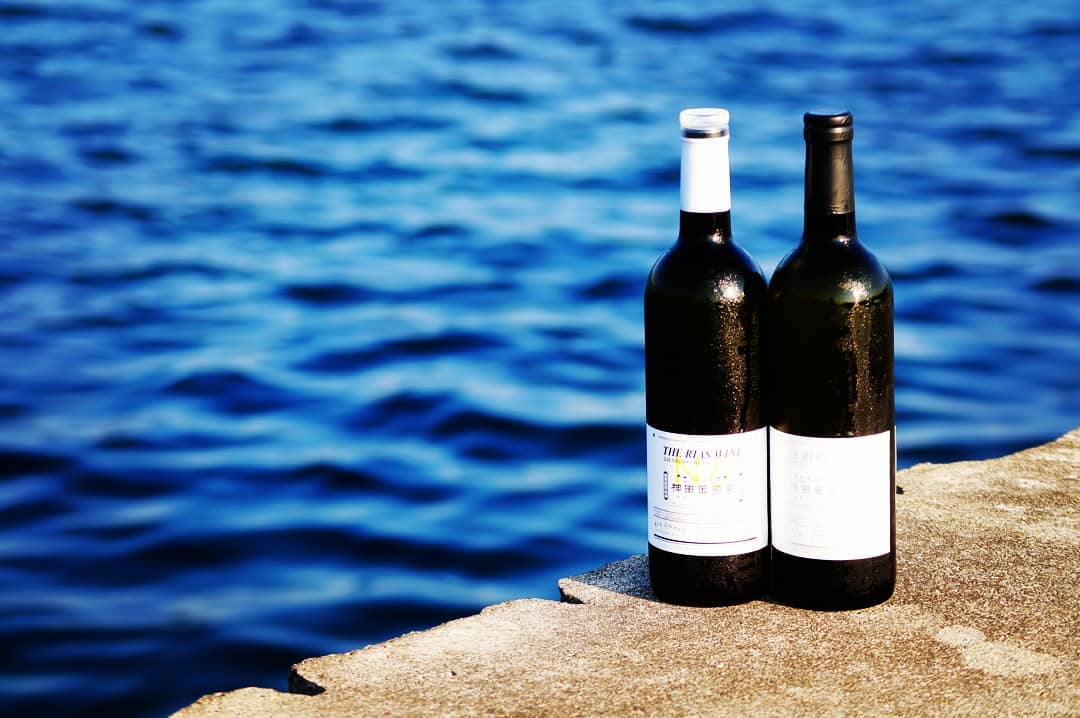
Kanda Vineyard's Albariño is a white wine distinguished by minerality and a subtle saline character reminiscent of the sea.

Representative and winemaker Mr. Kumagai says, “I hope people will enjoy it with local seafood such as oysters.”

PHOTOS / 6

PHOTO — NIHONWINE.JP editorial

VISIT

OPEN
月~金 8:00~17:00 土・日 9:00~16:00
CLOSED
なし(2~3月は日曜定休)
TOUR
可能(要予約)※お電話かメールでお気軽にお問い合わせください。 スタッフがご案内しながらの見学や大型バスの駐車も可能です。

RELATED

Explore more wines from 神田葡萄園

Discover this producer through individual bottles, with more context on their character and story.

View on CRAFT NIHON WINE

SOURCE — NIHONWINE.JP editorial