
KNOWLEDGE
Exploring the History of Japanese Wine: The Beginnings of Japanese Wine in Ibaraki and Yamanashi
When speaking of the history of Japanese wine, the story of two young men from Koshu City, Yamanashi Prefecture—Ryuken Tsuchiya and Masanari Takano—traveling to France to study winemaking and later returning to produce authentic wine in Koshu is well known. Many may also think of Zenbei Kawakami from Niigata Prefecture, who bred indigenous Japanese grape varieties.
Contents
When talking about the history of Japanese wine, the story of Ryoken Tsuchiya and Masaari Takano—two young men from Koshu City, Yamanashi Prefecture who went to France to study winemaking and returned to craft authentic wine in Koshu—is well known.
Many people may also think of Zenbei Kawakami of Niigata Prefecture, who bred indigenous Japanese grape varieties.
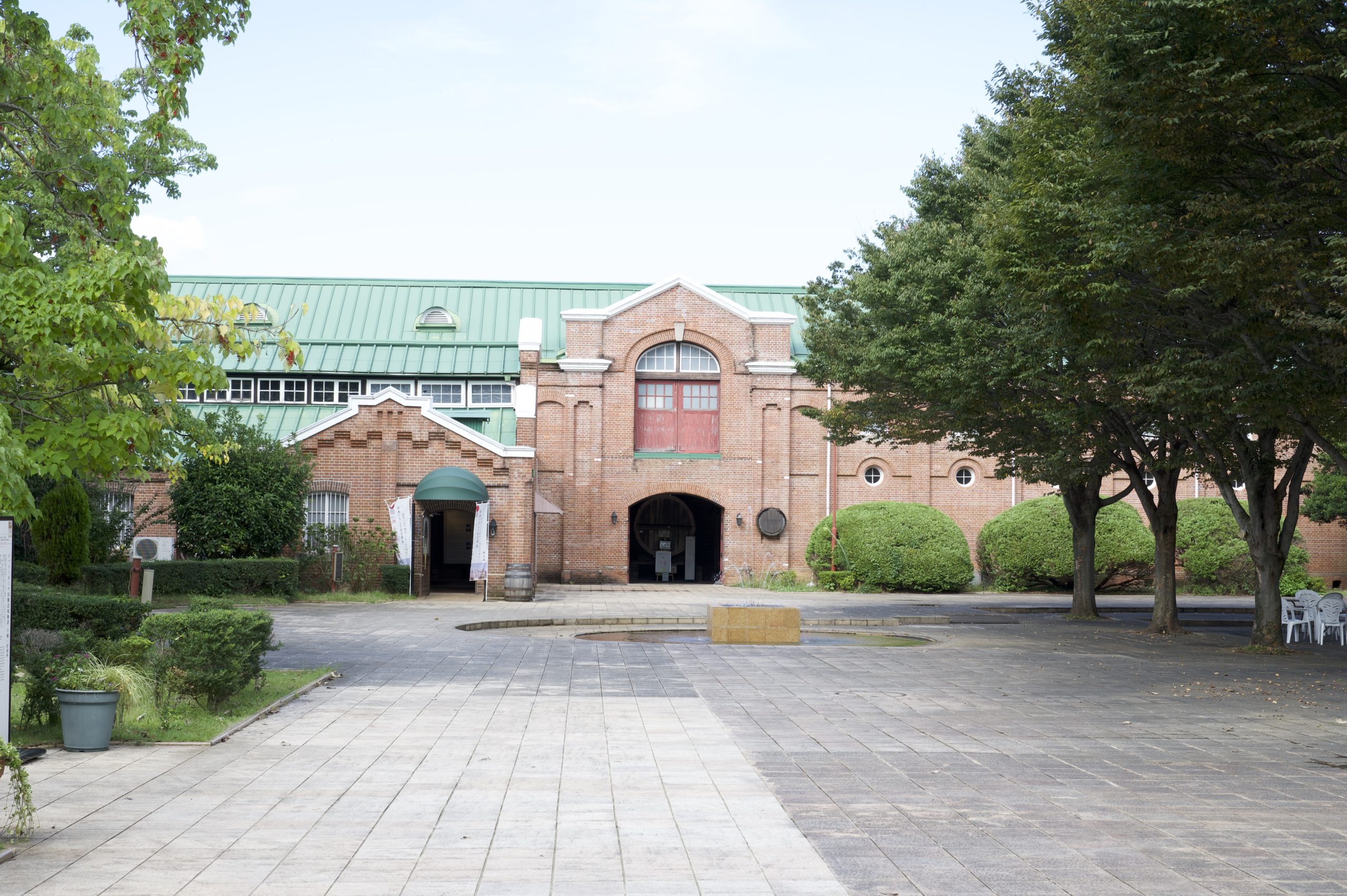
In fact, Ushiku City in Ibaraki Prefecture is another region that cannot be overlooked when discussing the history of Japanese wine.
During the same era, there were also people in Ushiku City, Ibaraki Prefecture who supported the development of wine culture alongside Koshu City in Yamanashi Prefecture.
In this article, we would like to take a look at the respective histories of Yamanashi and Ibaraki Prefectures.
CHAPTER 01
Denbei Kamiya, who achieved the first large-scale production
Denbei Kamiya, the founder of Ushiku Chateau, suffered from an undiagnosed illness at age 17 and became severely weakened. He recovered after his employer gave him wine to drink, an experience that led him to aspire to craft wine for the Japanese people.
In 1881, he created a sweet wine by adding honey and traditional Chinese medicine to imported wine,"Hachi-Jirushi Kozan Budoshu", which became hugely popular and sparked a sweet wine boom.
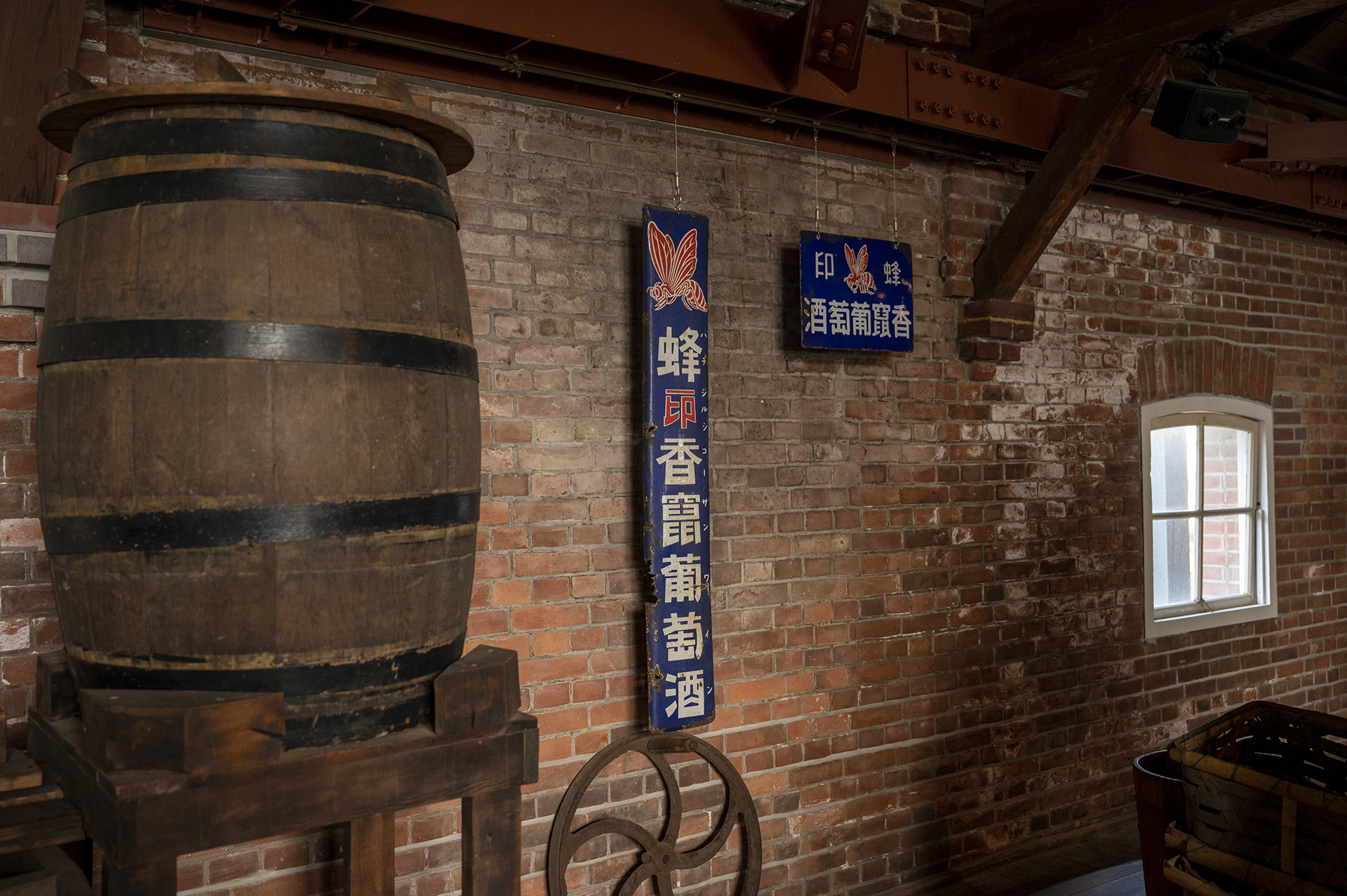
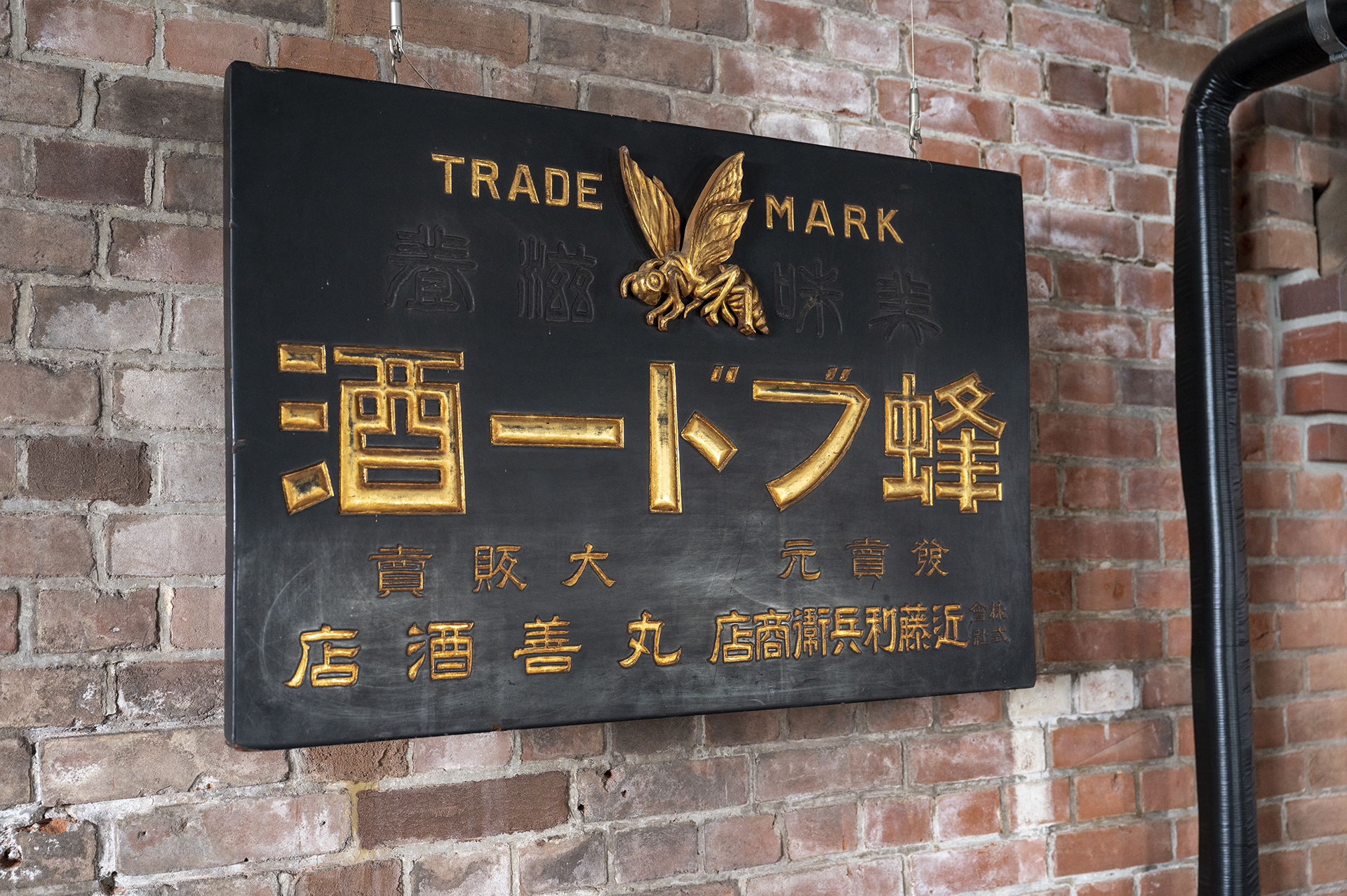
However, Denbei Kamiya was not satisfied with this success alone. Interested in how Ryoken Tsuchiya and Masaari Takano from Koshu City, Yamanashi Prefecture had traveled to France to learn winemaking techniques, he sent his adopted son, Denzo Kamiya, to study in France.
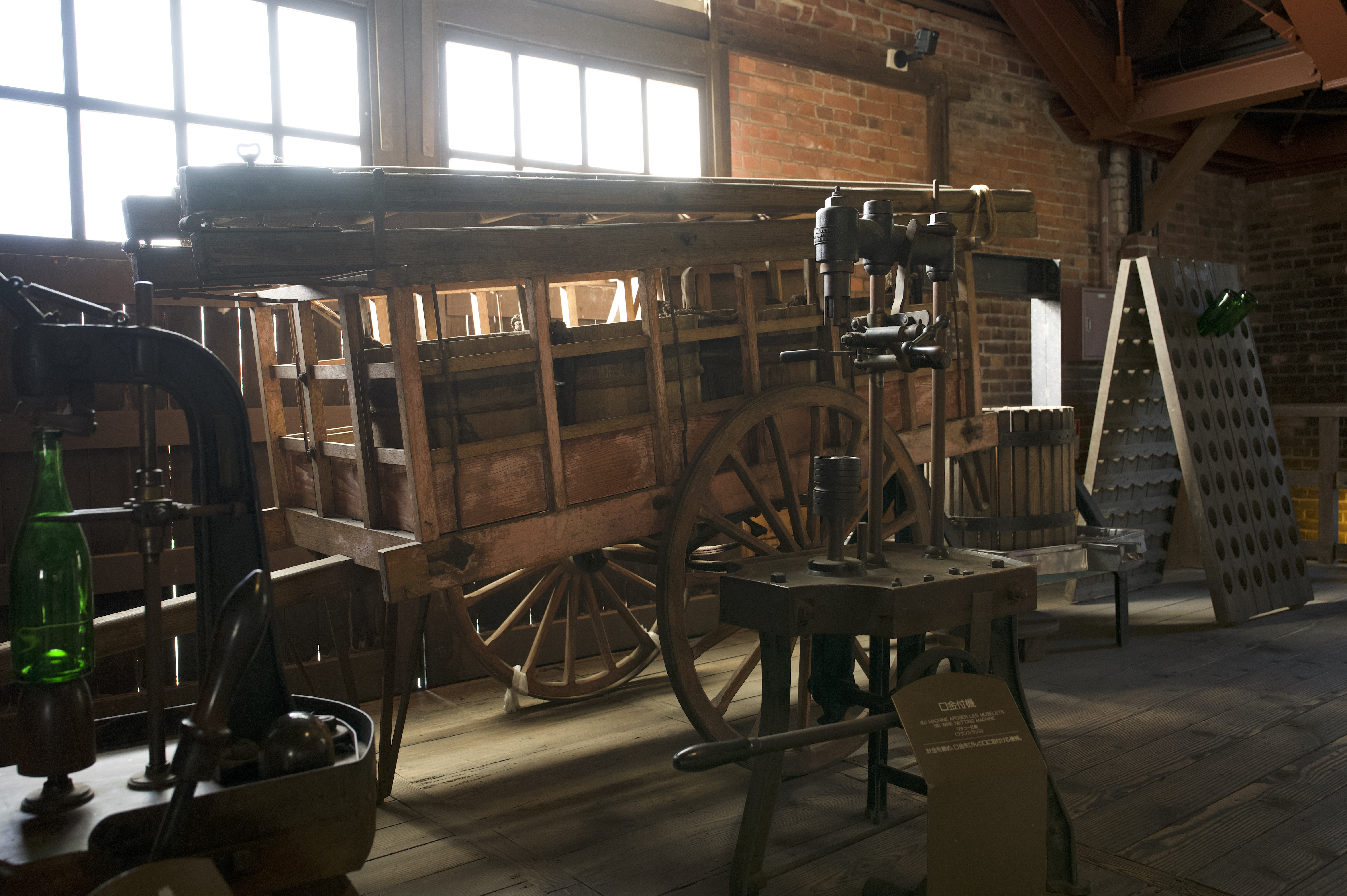
After two years of practical training in Bordeaux, he opened a full-scale vineyard.
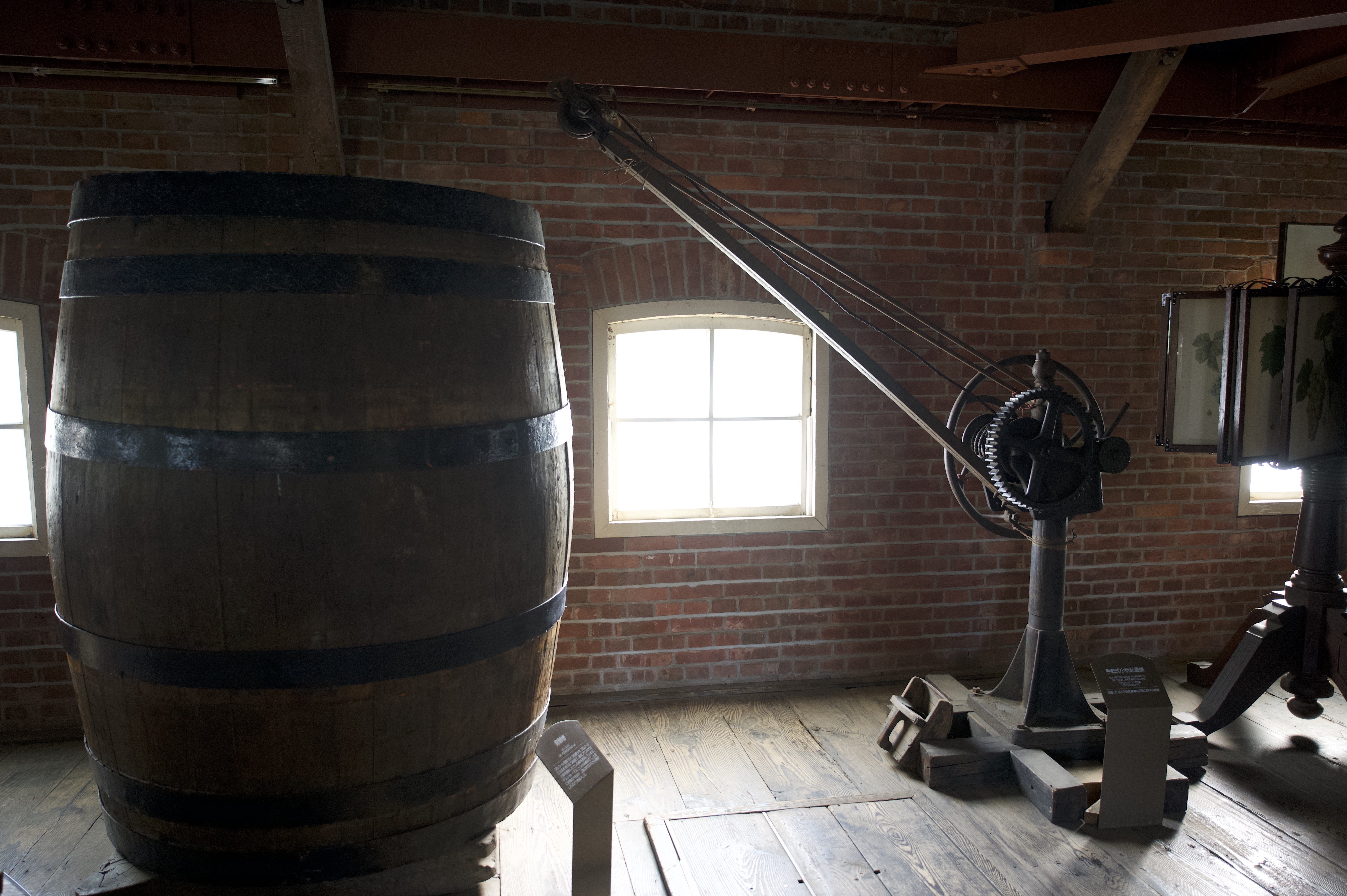
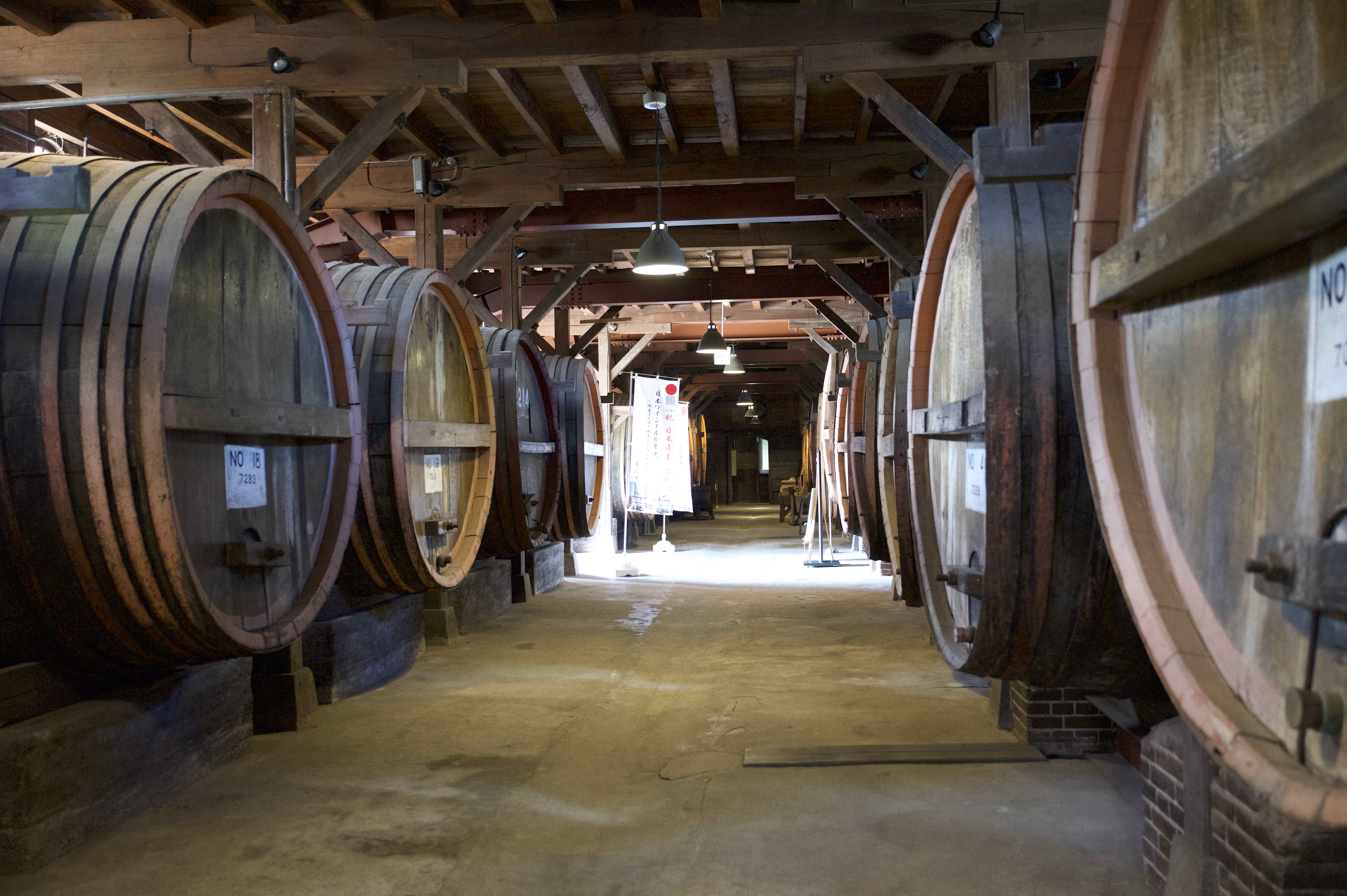
Subsequently, he worked on cultivating European grape varieties brought back as samples, constructed state-of-the-art French-style winemaking facilities, and operated trolley cars between the vineyard and the winery, successfully achieving Japan's first large-scale production.
CHAPTER 02
Wine culture nurtured by the land and its residents
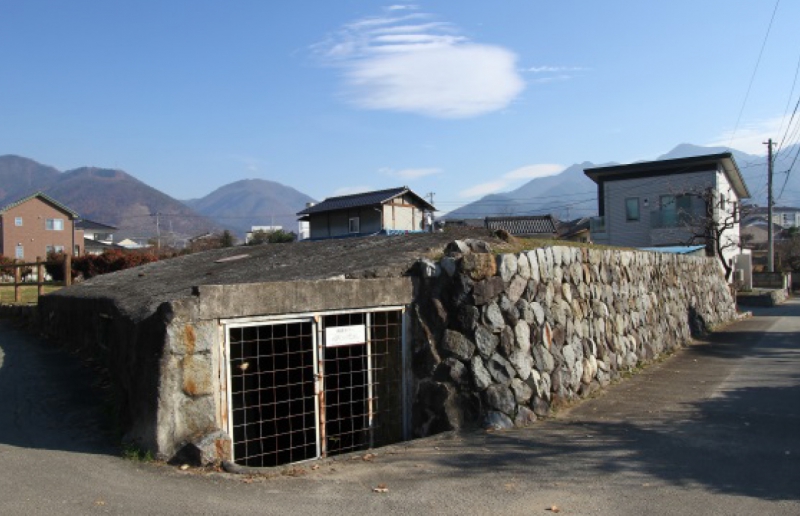
As mentioned earlier, Yamanashi Prefecture is considered the starting point of the wine industry in Japan.
Although this region originally flourished through sericulture, when silk demand fell due to the development of synthetic fibers, the government and local authorities began focusing on the wine industry.
(For this reason, when visiting long-established wineries, you will often find that they used to practice sericulture in the past.)
Two young men, Ryuken Tsuchiya and Masanari Takano, traveled to France to study winemaking, and upon returning, they brewed domestic wine from the Koshu variety.
However, establishing it as an industry for Japanese people who were unaccustomed to wine at the time was difficult, and government support eventually dried up. Even so, they continued winemaking through private funds and passion.
Amidst these circumstances, "Hachi-jirushi Kozan Wine" by Denbei Kamiya of Ibaraki Prefecture becoming a huge hit provided a major hint for those in Yamanashi Prefecture.
Sweet wine "Ebi Wine" produced and sold by Kotaro Miyazaki enabled the revival of the business, which surely provided a powerful boost to the subsequent development of winemaking.
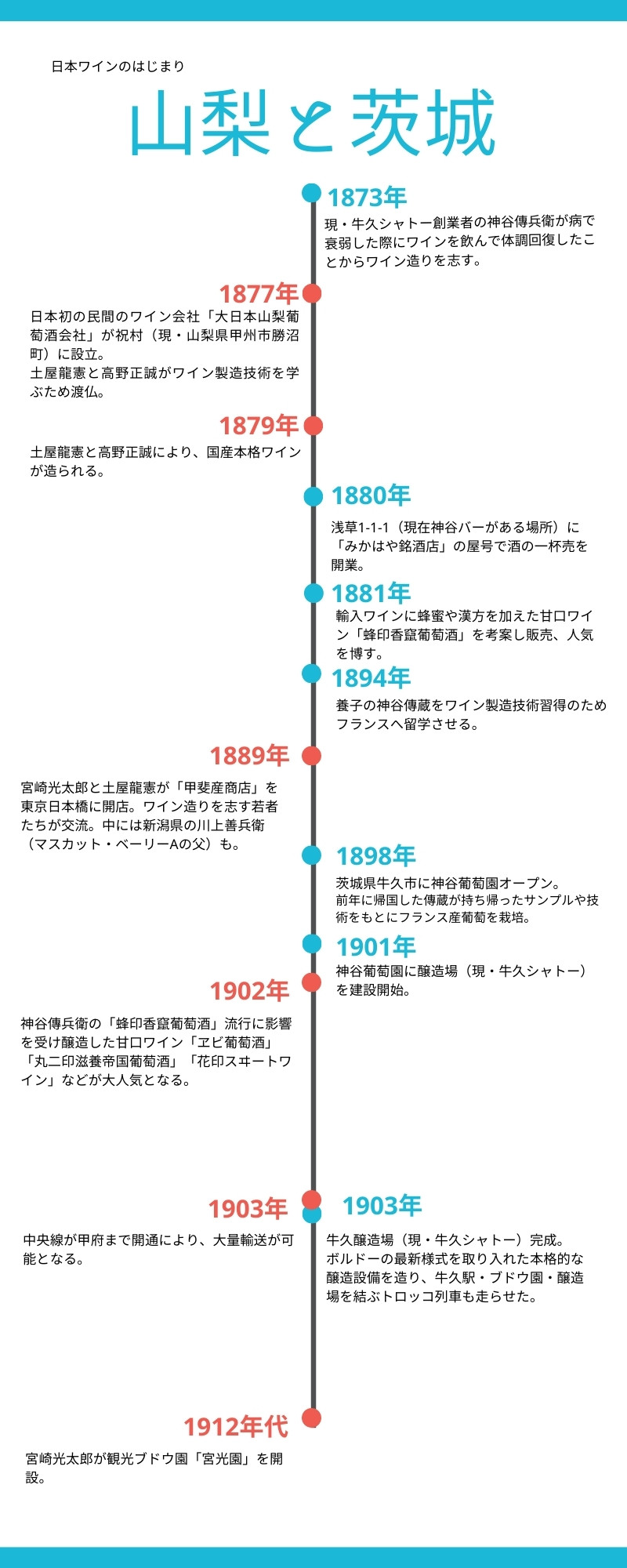
In addition to these individual efforts, the opening of the Chuo and Joban railway lines established mass transportation systems, allowing wines from Ushiku and Koshu to be distributed to the Tokyo metropolitan area.
CHAPTER 03
Recognized as Japan Heritage: "140-Year History of Japanese Wine" — A Crystallization of Japanese Culture Brewed with Domestic Grapes
Looking at these events side by side, it becomes clear that during the same era, these two wine-producing regions—though using different approaches—were conscious of each other and inspired one another as they strove to refine their winemaking.
Yamanashi Prefecture, where the region and its residents joined together to foster the wine industry, becoming Japan's top wine-producing prefecture; andIbaraki Prefecture, which established an integrated process from grape cultivation to brewing, building a large-scale production system.
During the Meiji era's period of Westernization, private enterprise accomplished what government-run operations could not by capitalizing on the unique characteristics of each region.This story is currently recognized as a Japan Heritage site by the Agency for Cultural Affairs.
Yamanashi Prefecture, which boasts the largest number of wineries in Japan, and Ibaraki Prefecture, home to Ushiku Chateau whose buildings are designated as Important Cultural Properties of Japan, are both easily accessible from Tokyo for an outing.
Taking a short trip to trace the history of wine is highly recommended, and reflecting on this rich heritage while savoring a glass is one of the unique delights of Japanese wine, distinct from experiencing wines from overseas.

Recommended Articles!
RELATED STORYhttps://nihonwine.jp/new-update/interview/ushikuchateau-ibaraki-interview/About the author
Stories covering the same region, newest first.
- WINERIESA Historic and Precious Winery Beloved by Locals: Ushiku Chateau Today12 JAN 2023Miyuki Isobe
- WINERIESEnjoy Both Beer and Wine! A Winery in Ibaraki Prefecture ~ Mugi to Budo Ushiku Brewery ~17 DEC 2022Miyuki Isobe
- WINE & DININGFor a Sophisticated Night of Wine! A Guide to the Renewed "W Aoyama"9 JUL 2022Miyuki Isobe
Wineries in this region
REGIONAL WINERIESRead → Know → VisitWineries in 茨城県. Find somewhere to visit.