

In Part 1, we covered the "bubble persistence" of sparkling wine.
While long-lasting bubbles are undoubtedly wonderful in terms of texture and appearance, what kind of relationship do they have with flavor?
In Part 2, we will explain the "flavor of bubbles" in sparkling wine.
Do Bubbles Have Flavor?

Personally, because I like carbonated beverages, I drink a lot of sparkling water when it comes to non-alcoholic drinks, and beer when it comes to alcoholic ones.
Of course, I also enjoy sparkling wine, but in any case, I have rarely faced the "aroma and taste of bubbles" seriously.
For us, the appeal of carbonation lies in its "refreshing sensation," "smoothness going down the throat," and "popping texture in the mouth," and those who think seriously about the taste of bubbles are probably only people in the carbonated beverage industry.
However, in recent years, it has become a hot topic that researchers studying Champagne discovered that "Champagne bubbles have flavor."
What on earth does this mean?
The Rising of Compounds
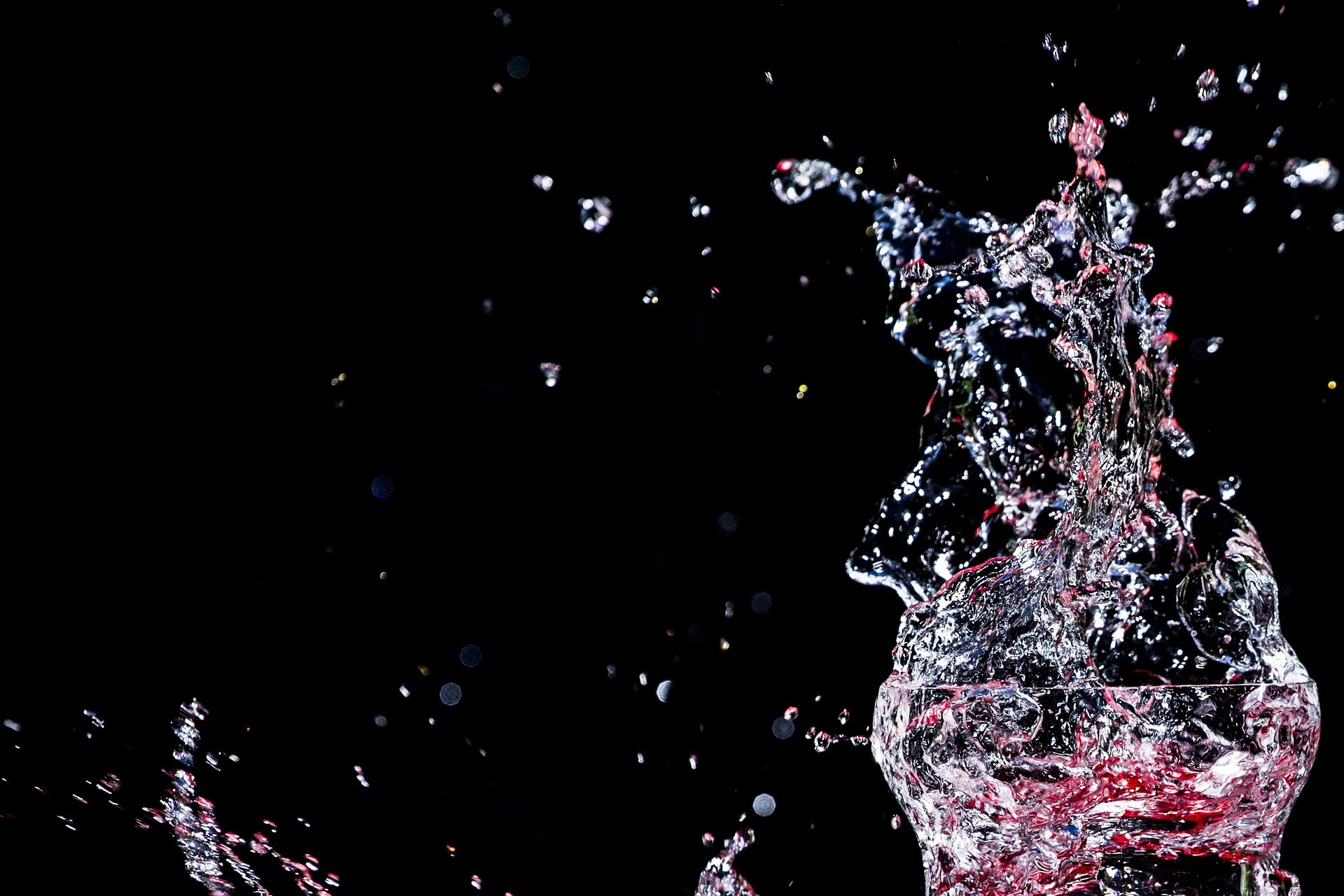
When Champagne is poured into a glass, about 20% of the bubbles remain without dissipating into the air, continuing to rise delicately.
In fact, it turns out that as these bubbles rise, the chemical compounds contained in the wine rise along with them.
First, when the bubbles rise to the liquid surface, they naturally burst.
Because the compounds contained in the wine are present within the droplets from these bubbles, they are released into the air... that is the mechanism.
We drink Champagne by bringing our mouth and nose close to the glass, and the bubbles are constantly bursting at the surface of the wine, throwing off droplets.
In short, with sparkling wine, you can enjoy it while also catching the flavors contained within the droplets. (There is a possibility that you are perceiving more elements than with still wine.)
A Flavor That Is Not the Flavor of Champagne?

When told that bubbles also have flavor, some people might think, "Does that mean the taste of Champagne moved into the bubbles? In other words, you can enjoy the flavor of Champagne just with the bubbles!"
Indeed, if bubbles carried the flavor of Champagne, rose to the surface of the liquid, and became droplets, anyone would think so.
However, scientists took the trouble to study this, and that would be too boring.
Investigating further revealed a truly unique result.
New Flavors Were Being Created

When examining the droplets produced by the bubbles of Champagne, many compounds were discovered that were actually different from the composition of the Champagne itself.
For example...
- Decanoic acid (capric acid)... toasty, sour
- γ-Decalactone... peach-like, sweet aroma, fruity
- Dodecanoic acid (lauric acid)... metallic, dry
- Methyl myristate... sweet, waxy aroma
These are compounds not found in the Champagne liquid itself, and it is suggested that they contribute to the flavor and aroma of Champagne.
What if what we thought was the flavor of Champagne was actually created by the bubbles...?
It is truly profound.
Sparkling Wine Becomes Even More Enjoyable

While we focused on Champagne this time, any sparkling wine that is meticulously crafted via traditional secondary fermentation in the bottle has the potential to carry various aromas in its bubble droplets.
Furthermore, there is also potential in wines made with secondary fermentation in tanks or carbonation injection.
However, as mentioned in Part 1, "long-lasting bubbles" mean that you can enjoy the bubble-derived aromas for that much longer.
That is why we recommend those made with secondary fermentation in the bottle, like Champagne.
Of course, sparkling Japanese wine crafted with great care using secondary fermentation in the bottle has also been increasing lately.
Sparkling wine is so profound...
Why not take another opportunity to savor the aroma and flavor of the bubbles?
Useful to Know! What Is the Deep Relationship Between Sparkling Wine and "Bubbles"?!
Reference
Why Does Crispy Bacon Smell So Delicious? by Andy Brunning | Translated by Hidetoshi Takahashi | Translated by Hideaki Natsukari