
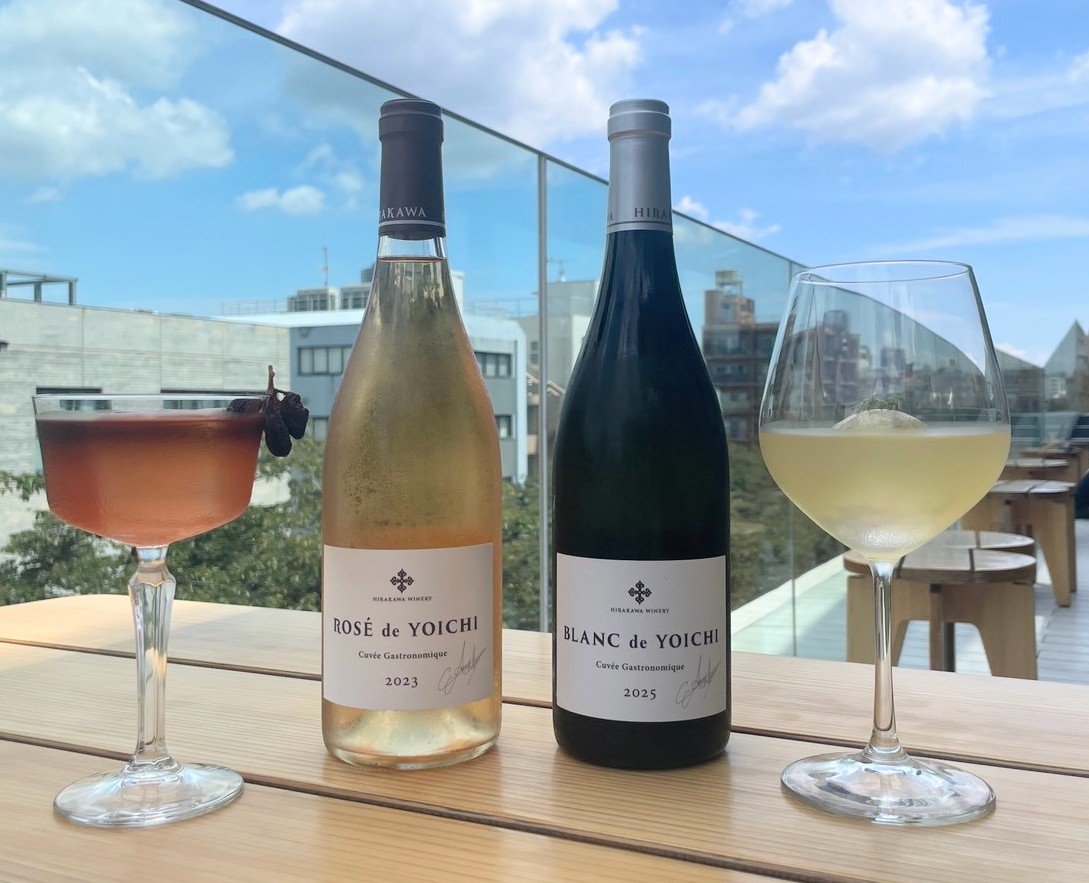
Cocktails made with wines from Hirakawa Winery are served at ARRIVIAMO™ BAR (hereafter, “Arriviamo Bar”), located on the third floor of Starbucks Reserve® Roastery Tokyo (hereafter, “the Roastery”).
How are Hirakawa Winery’s wines expressed as cocktails?
We spoke with Mei Takikawa of the Roastery Operations Department, New Business Development Division, Starbucks Coffee Japan, who was responsible for developing the cocktails.
She told us about the background and ideas behind the development process, as well as tips for enjoying wine cocktails at home.
Expressing Hirakawa’s Passion for Winemaking in a Cocktail

In October 2025, Takikawa and other bartenders visited Hirakawa Winery in Yoichi, Hokkaido.
She says the origin of the cocktail project was their experience harvesting grapes at the winery and learning about Hirakawa’s approach to grape growing and winemaking.
Takikawa: “On the day we visited Hirakawa Winery in Yoichi, we experienced weather that changed dramatically over the course of a single day.
I wondered, ‘Why grow grapes in this place?’ Hirakawa’s answer was, ‘It’s a harsh place for people, but the best environment for grapes.’
Choosing the best place for the grapes first—that grape-first philosophy really moved me.”
Takikawa says she was deeply impressed by Hirakawa’s convictions about grapes and his strong passion for winemaking.
Takikawa: “At Hirakawa Winery we tasted wines from the Cuvée Gastronomique series. They are wonderful and fresh even on their own, but their real appeal is the synergy they create when paired with food.
They make your imagination expand as you think, ‘What dish would I pair with this?’ They are wines I would definitely recommend. That led to the question we needed to answer: how should we translate the flavor of these wines into cocktails?
I felt a little pressure, but we kept experimenting so we could preserve Hirakawa’s passion for the wine, express something distinctly Starbucks, and create cocktails that Hirakawa himself could be satisfied with.”
Bartenders as a Bridge for Communicating Wine
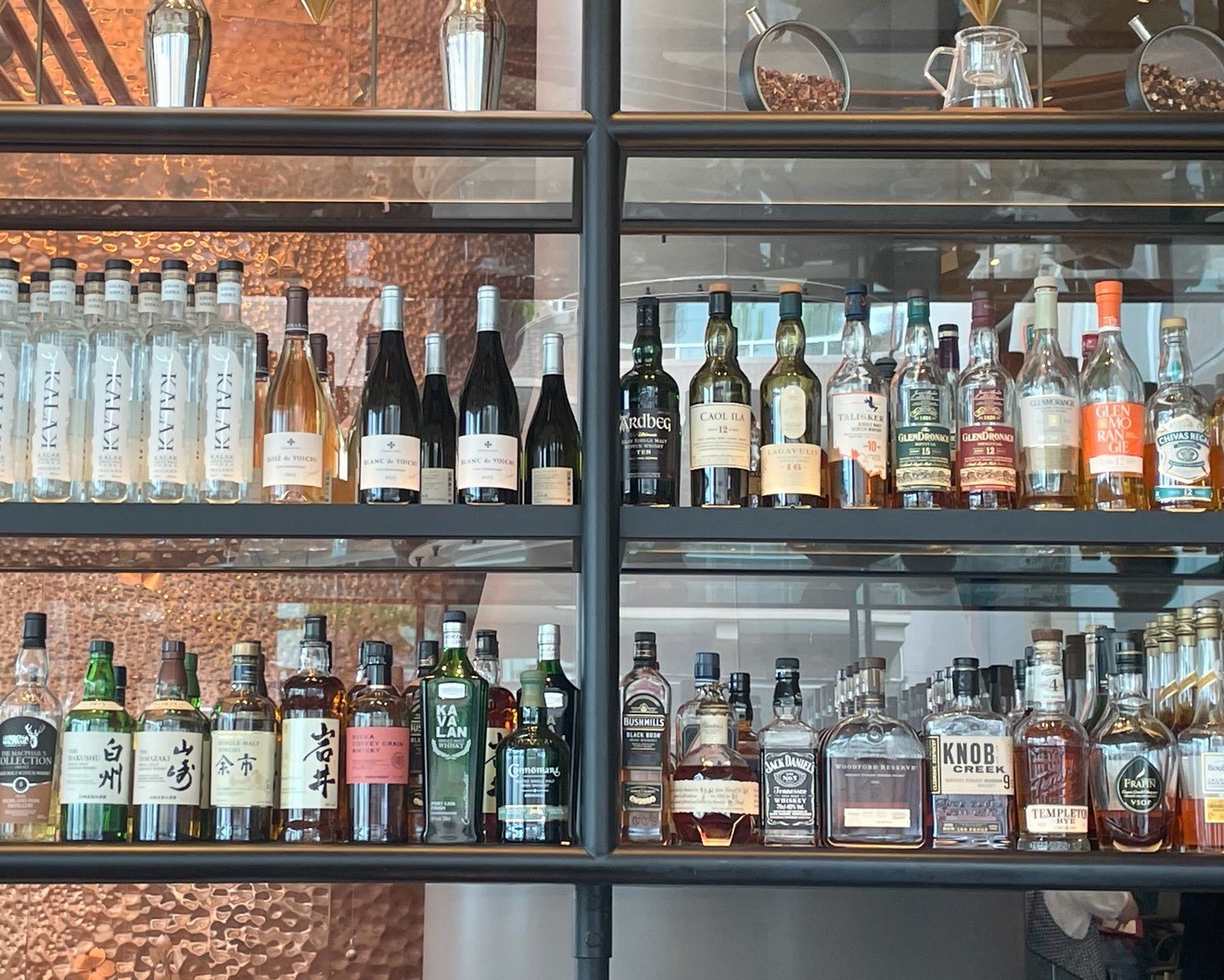
Takikawa says she had never before developed a cocktail based on Japanese wine.
Before beginning the project, she also felt some uncertainty.
Takikawa: “When I worked as a hotel bartender, I sometimes used wine itself in cocktails, but this was my first time making a cocktail with Japanese wine.
Wine is already a complete drink in itself, so you hesitate to add too many things to it. To be honest, when we decided to make cocktails with Hirakawa Winery’s wine, I worried about what Hirakawa would think. I was very nervous.”
Although she initially felt uneasy about using Hirakawa Winery’s wine as a cocktail base, Takikawa says the development process led to an important realization about her role as a bartender.
Takikawa: “Developing these wine cocktails made me feel that bartenders can serve as a bridge by creating products for guests who have never really drunk wine before, or who want to learn more about it.
We can preserve the flavor of the wine while expanding its appeal, and we can suggest ways to pair it with food.
Turning wine into a cocktail can also lower the overall alcohol strength, broadening the entry point for guests who are not accustomed to drinking. Developing cocktails with Hirakawa Winery’s wine gave me that realization.”
Cocktails Based on Hirakawa Winery Wines
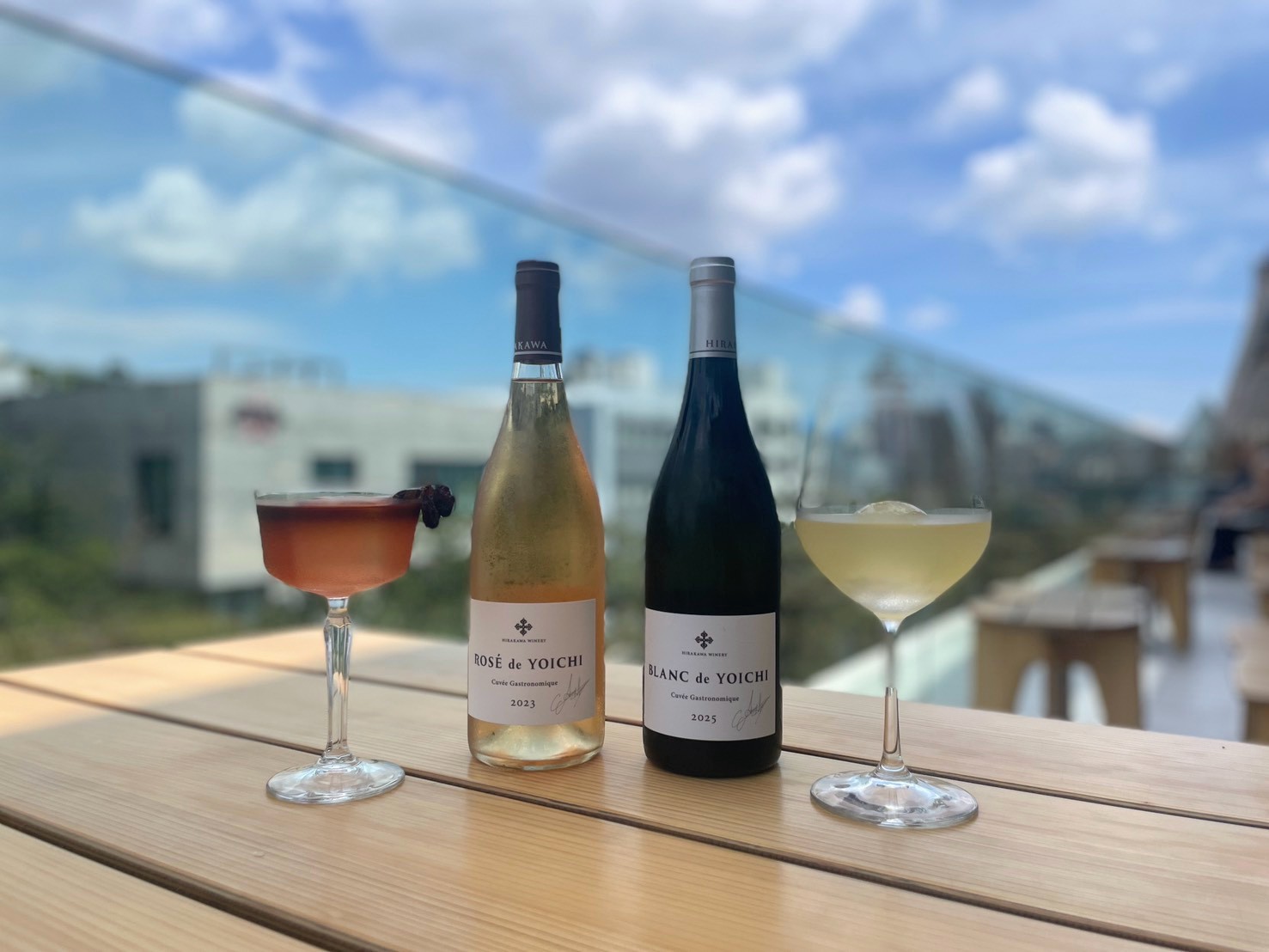
Arriviamo Bar serves two cocktails based on Hirakawa Winery wines:
- White wine cocktail “Blanc de Yoichi Cuvée Gastronomique Symphony Jasmine”
- Rosé wine cocktail “Rosé de Yoichi Cuvée Gastronomique Symphony Limeade”
We asked Takikawa about the stories behind their development.
“Blanc de Yoichi Cuvée Gastronomique Symphony Jasmine”
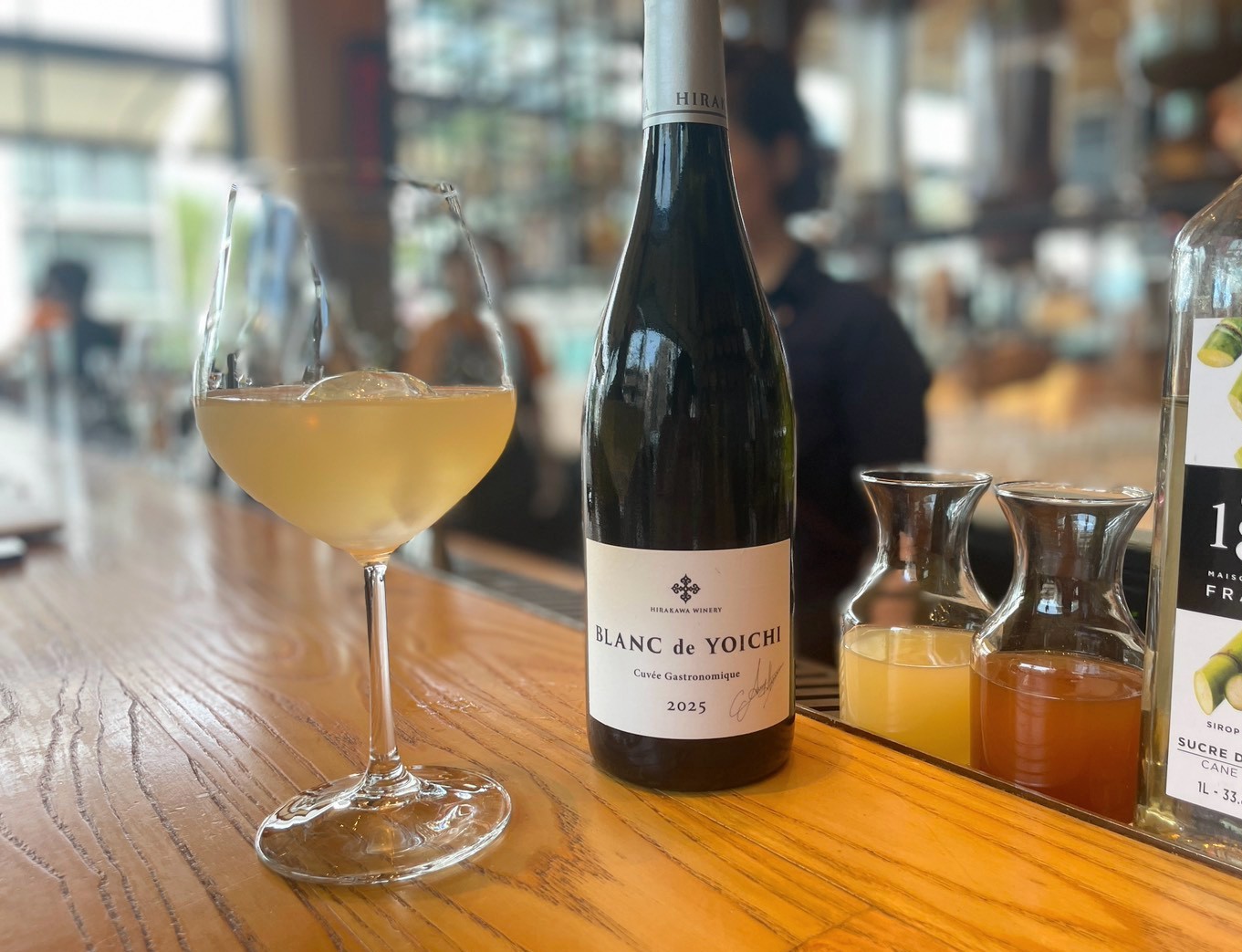
Takikawa: “It is based on the white wine <Blanc de Yoichi Cuvée Gastronomique> and finished with apple juice, TEAVANA™ Jasmine Dragon Pearls sold at the Roastery, sugarcane syrup, and lemon juice.
The basic technique is ‘swirling’ in a decanter. I did not want to dilute it with water, so we do not add ice in the decanter; instead, we integrate the ingredients by swirling them together. We serve it in a red-wine glass with a small round piece of ice. The first impression is refreshing, followed by accents of apple juice and a lingering jasmine note.”
Tasting
- An aromatic profile of lime-like citrus, sweet-and-tart apple, and jasmine. Green herbal notes and the sweetness of apple add a perfume-like floral quality. Citrus flavor and gentle, refined acidity extend together with the flavor and finish of the white wine. The balance of sweetness and acidity is precise, with a sense of umami that feels distinctly Japanese.
Development Story and Recommended Pairings
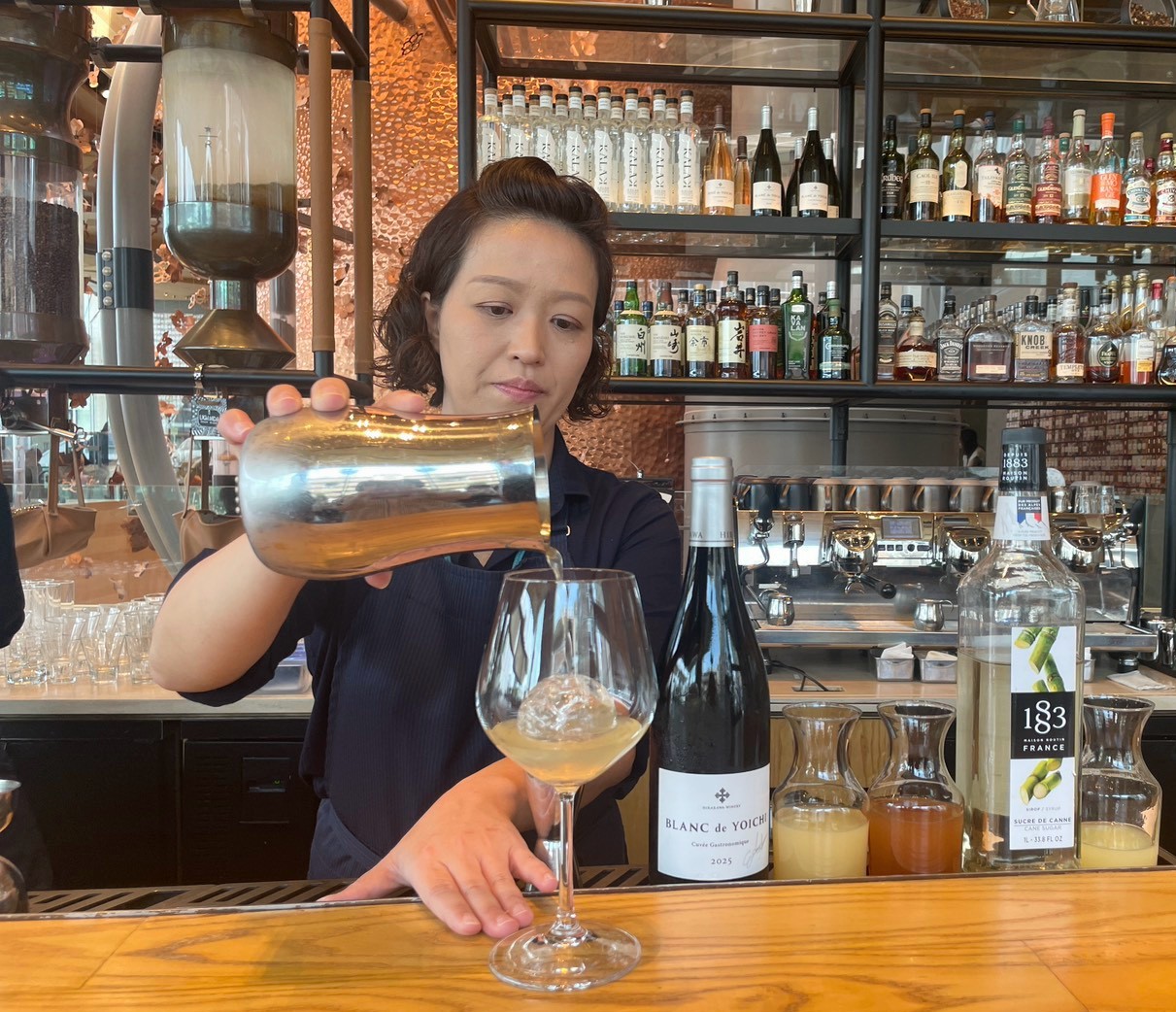
Takikawa: “This was a very difficult cocktail to develop. The first requirement was finding supporting ingredients that would bring the wine’s flavor forward, so we experimented repeatedly, asking what could raise the potential of the wine.
After the cocktail was completed, Hirakawa tried it. He then told us that before the current vineyard, the site had been an apple orchard.
We had used apple juice in the cocktail, and that coincidence gave me goosebumps. I was genuinely happy when Hirakawa told me, ‘Things that used to be separate points have now become a line.’”
Takikawa recommends pairing the cocktail with “Sfilatini Olive” from Princi®, the Milan-born Italian bakery located inside the Roastery.
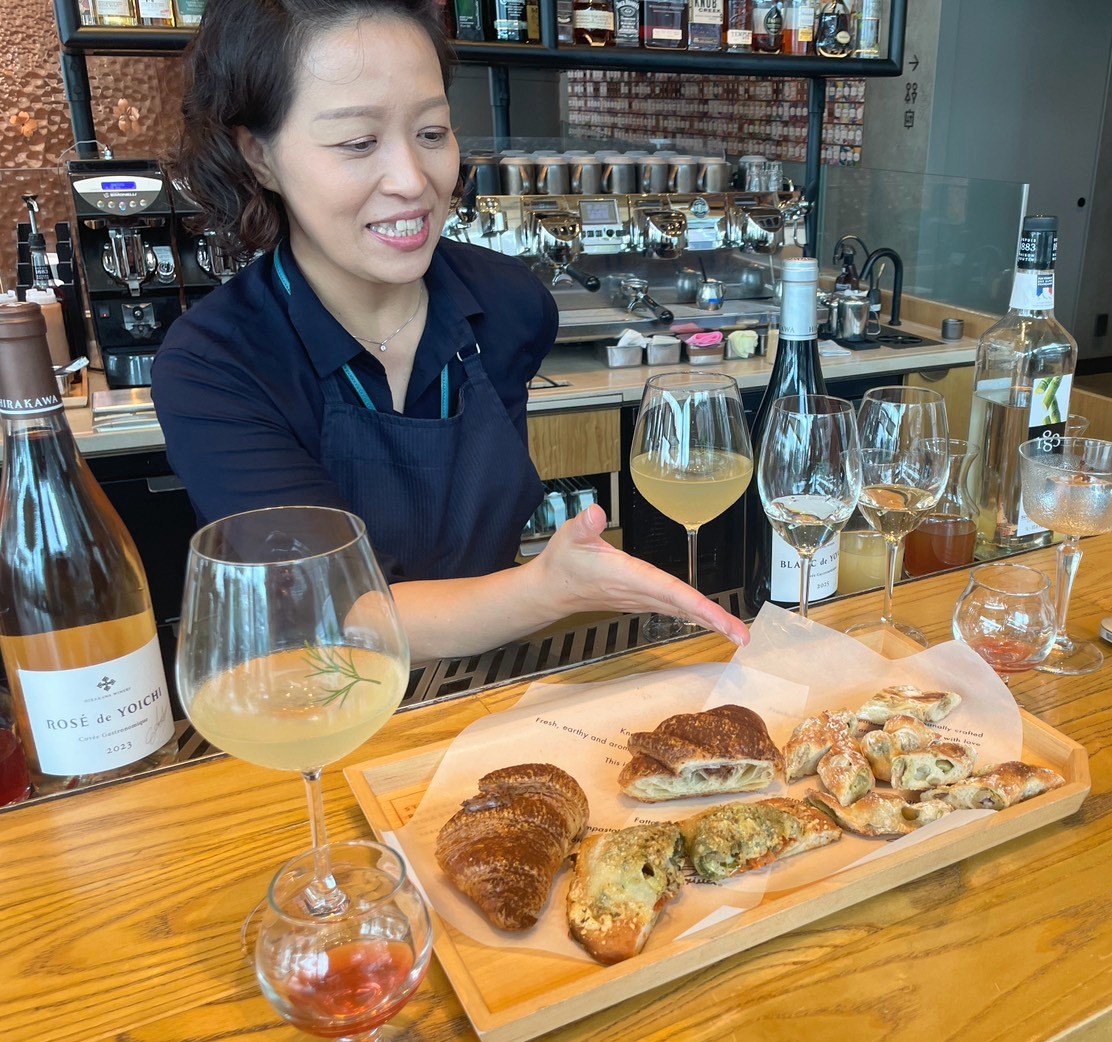
The dough is generously mixed with olives, giving it a refreshing flavor.
She also recommends pairing it with “Calzone Seafood Genovese,” made with basil paste and seafood.
“Rosé de Yoichi Cuvée Gastronomique Symphony Limeade”
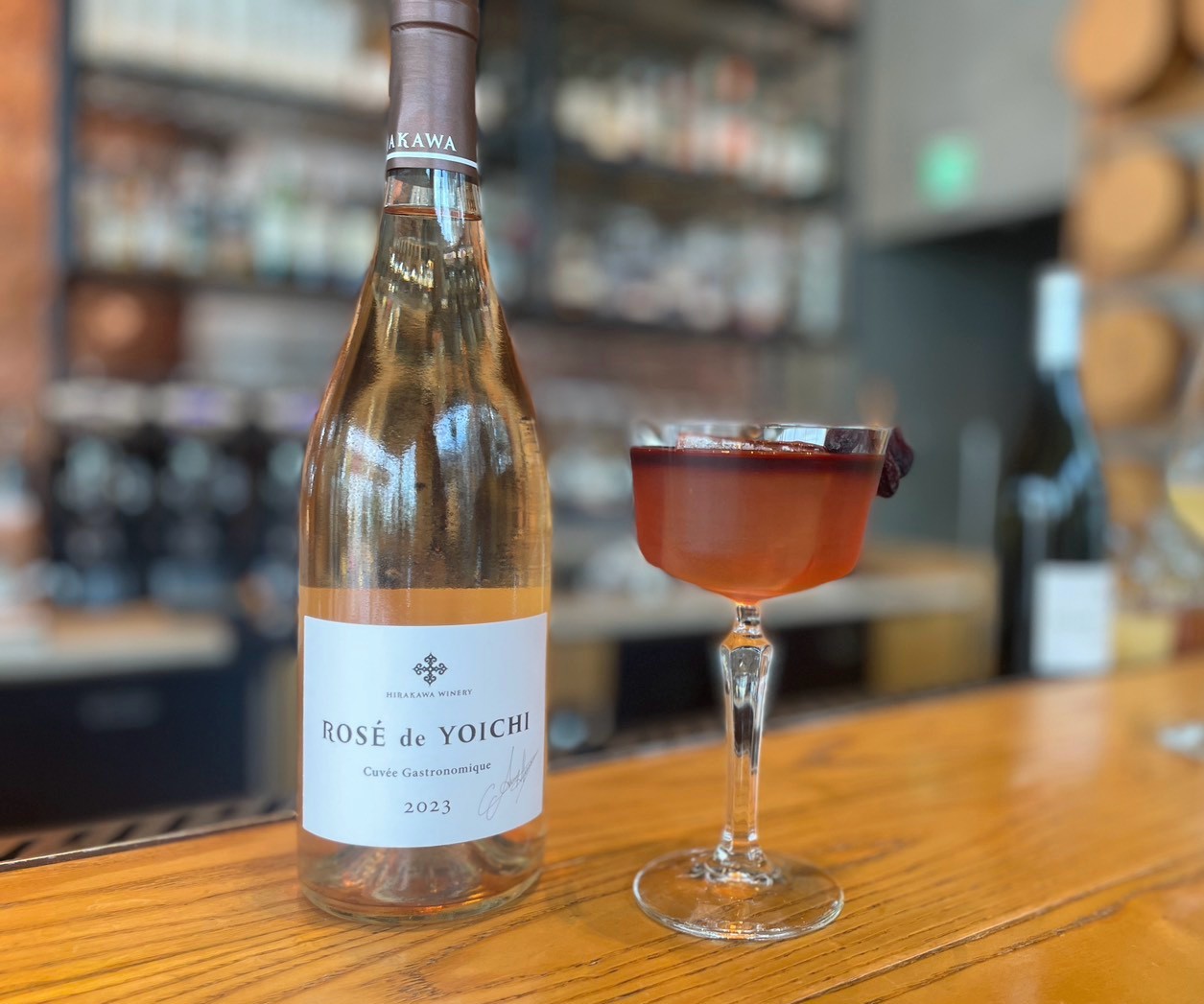
Takikawa: “This one is based on the rosé wine <Rosé de Yoichi Cuvée Gastronomique> and uses <TEAVANA™ Raspberry Limeade>.
The tea features fruit accented with balsamic vinegar. We add ume syrup and again swirl it without dilution. After pouring it from the decanter into the glass, we float cold brew coffee on top to create a two-layer cocktail.”
Tasting
- The top note carries the gentle bitterness of coffee. Balsamic vinegar, coffee, red-berry acidity from the wine, and the tartness of ume syrup build soft layers of acidity in an elegant structure. Fruitiness and mellow honey-like sweetness are balanced by a firmer mineral impression from the rosé, yet the overall texture remains supple and rounded. As you drink, the overlapping flavor layers reveal increasing complexity.
Development Story and Recommended Pairings
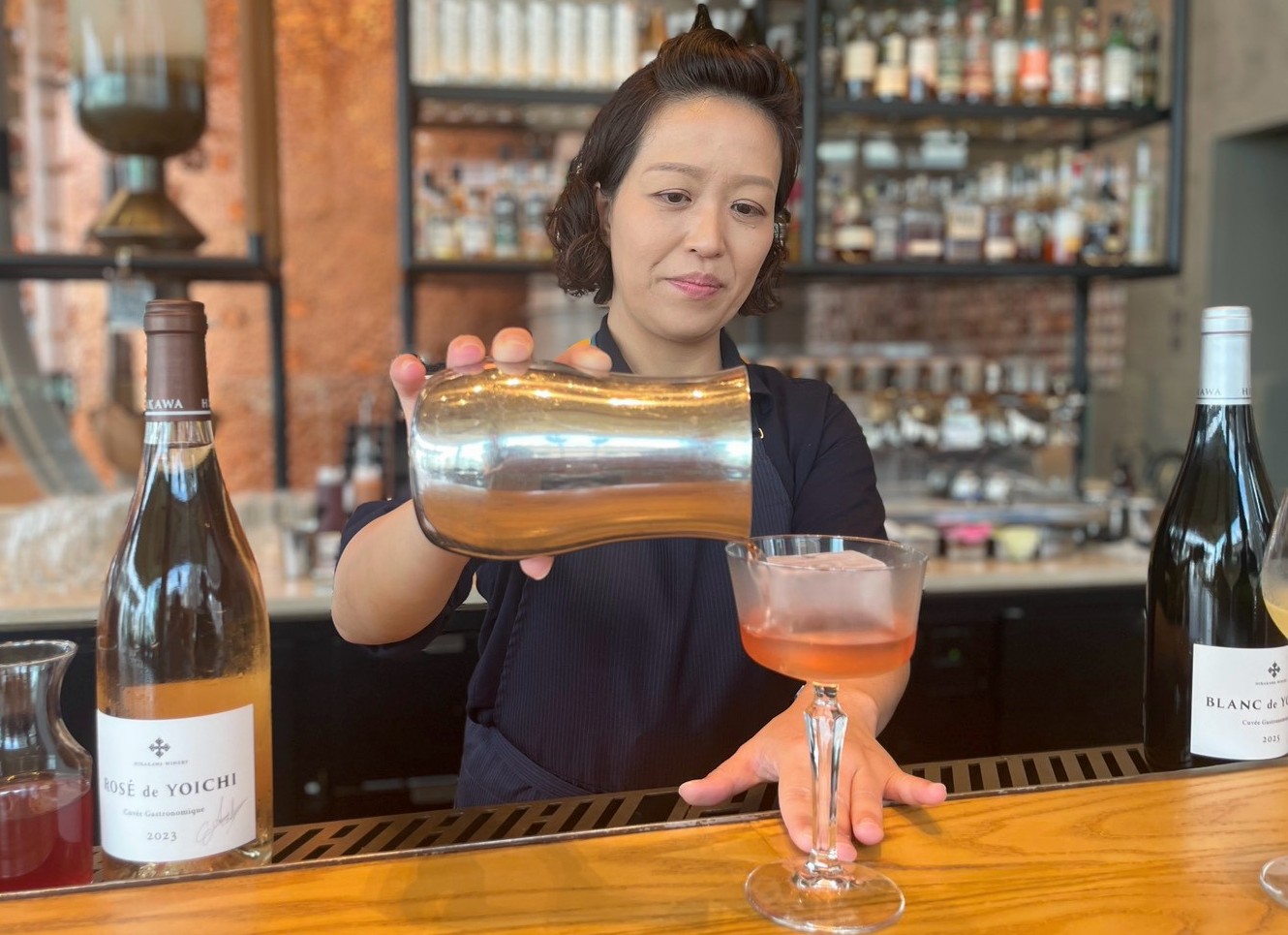
Takikawa: “When creating the cocktail, I wanted it to feel complete specifically as ‘a cocktail born at Arriviamo Bar.’ Arriviamo Bar’s concept is the fusion of coffee and tea.
So this time we used <TEAVANA™ Raspberry Limeade> and cold brew coffee as supporting ingredients.
The cold brew coffee also gives the drink a two-layer presentation reminiscent of the classic cocktail American Lemonade. That was another important point.”
Takikawa suggests enjoying “Rosé de Yoichi Cuvée Gastronomique Symphony Limeade” almost like a dessert after dinner.
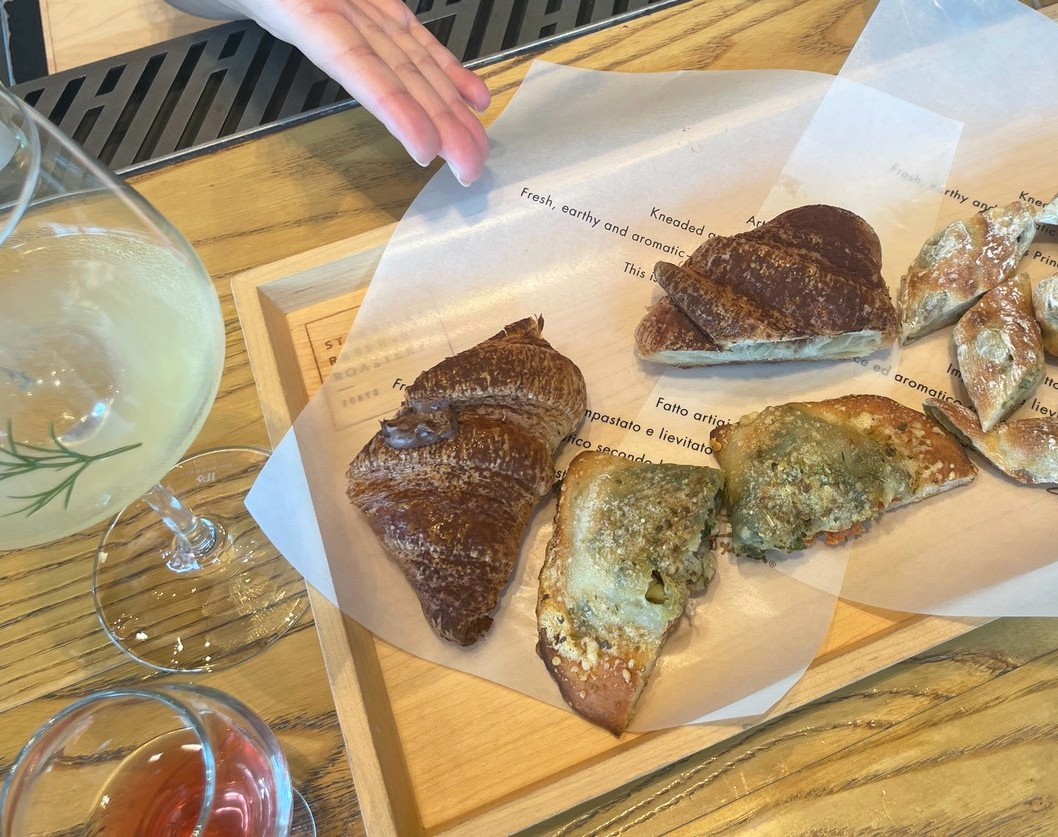
Recommended pairings include Princi’s tiramisu and “Cornetti Nocciola,” a cornetto filled with hazelnut and chocolate cream.
Easy Wine Cocktails to Enjoy at Home
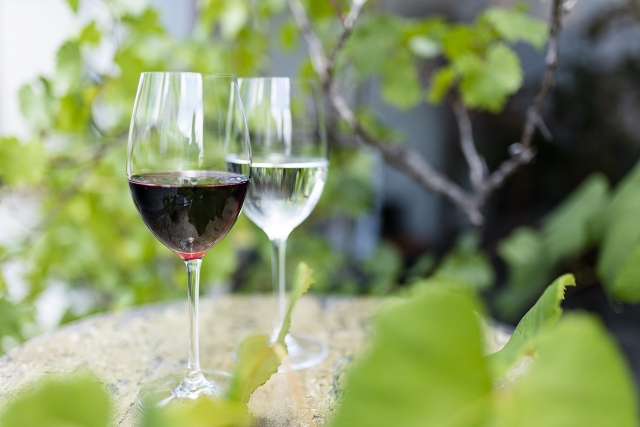
Takikawa has taken Hirakawa Winery’s wines into a new realm through cocktails.
Because she hopes people will also enjoy wine cocktails at home, she shared easy ideas for using leftover white and red wine.
White Wine
Takikawa: “For white wine, I think a spritzer is easy. A spritzer is wine diluted with sparkling water, but adding Earl Grey can make it especially refreshing. You could also experiment with herbal carbonation, such as tonic water flavored with elderflower.”
Red Wine
Takikawa: “Personally, I like combining red wine with spices. For example, simmer cinnamon and cardamom in a pot and add sugar. I think it would be delicious chilled. You could also make a lightly sparkling punch-style drink and add frozen berries.”
Continuing to Share the Appeal of Wine and Cocktails as a Bridge
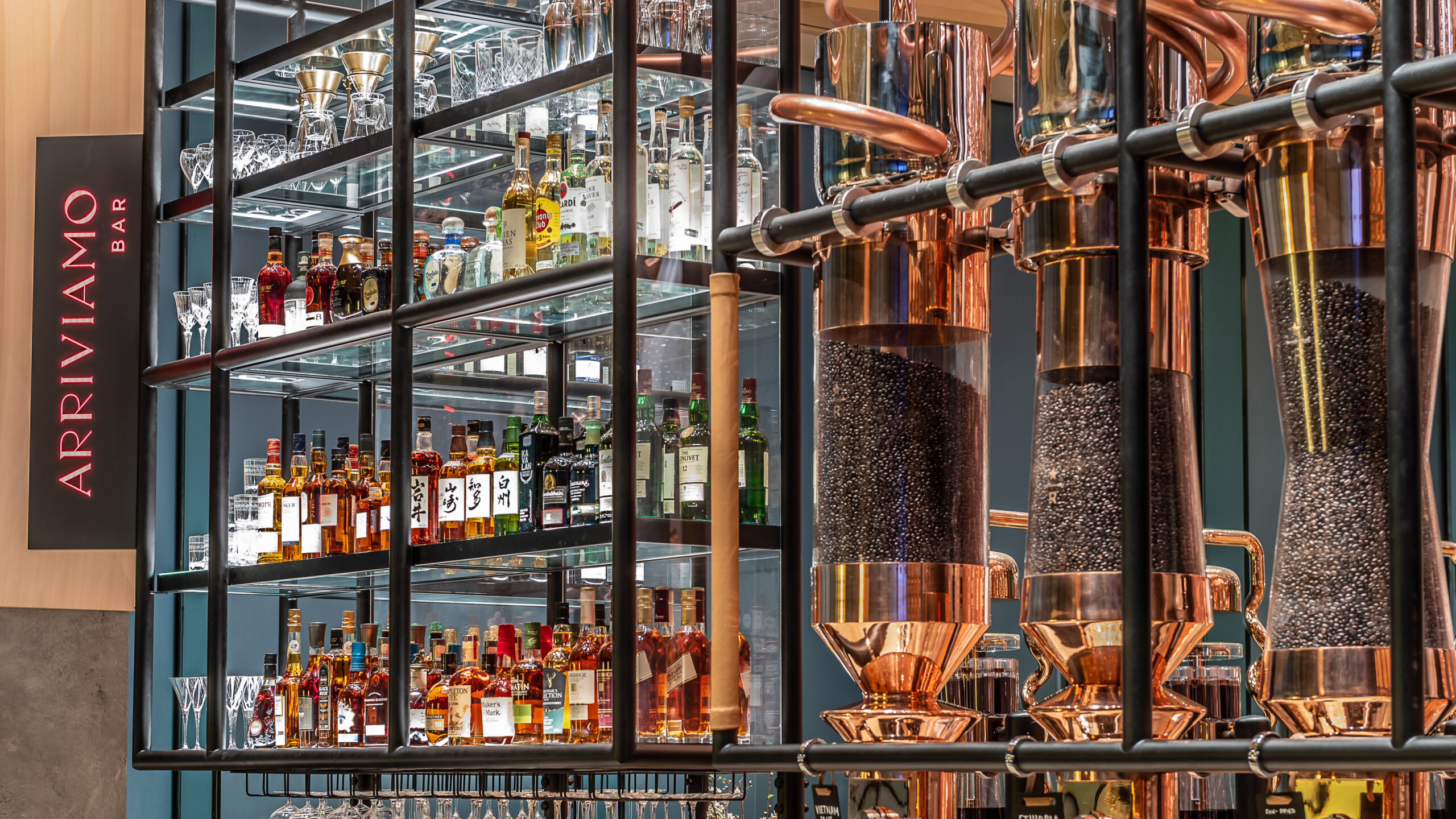
After encountering Hirakawa Winery and developing wine-based cocktails unlike anything she had created before, we asked Takikawa how she hopes to communicate wine and cocktails through Arriviamo Bar in the future.
Takikawa: “Through Hirakawa’s wines, I was able to experience once again how wonderful Japanese wine can be. Honestly, until then I cannot say I had engaged seriously enough with Japanese wine myself, so this became an opportunity to understand it more deeply.
I want to communicate more of the excitement I felt from engaging with Japanese wine to our guests.”
Takikawa describes Arriviamo Bar as a bridge.
Takikawa: “I think Arriviamo Bar has a different atmosphere from the kind of bar many people imagine. The spacious room is filled with natural light, so even someone visiting a bar for the first time can stop by casually while they are at the Roastery.
The impression of the first cocktail you encounter can stay in your memory. We want to provide that starting point. The name ‘Arriviamo’ was originally inspired by ‘arrive.’ A traveler stops at the bar, rests, and then sets out for the next destination.
As a bridge connecting guests to what comes ‘next,’ we hope to continue sharing the wonderful qualities of wine and cocktails.”
Reference
Interviewee
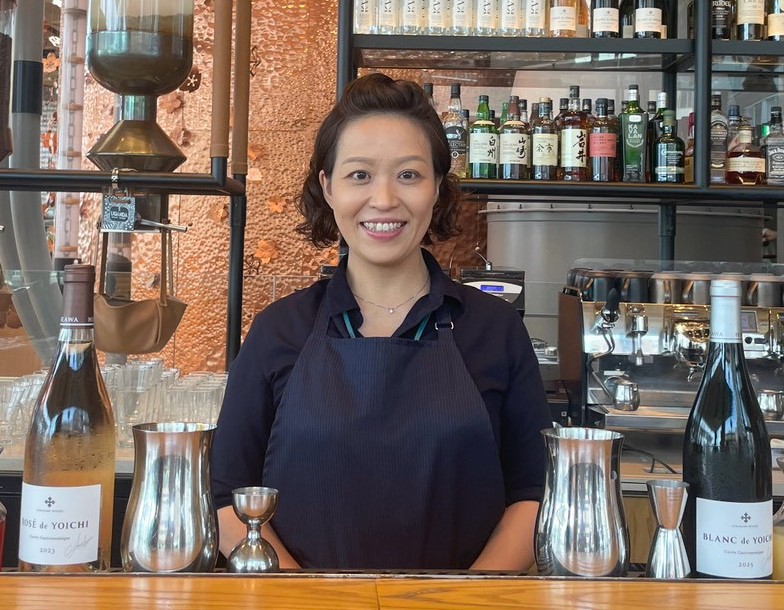
Mei Takikawa, Roastery Operations Department, New Business Development Division, Starbucks Coffee Japan, Ltd.
16 years of experience as a hotel bartender; 6 years as a hotel bar manager; joined Starbucks in October 2018