

A workshop on the Japan-derived lactic acid bacteria cultures known as “J Cheese Starter” was held on June 10.
As previously reported by this media outlet, research, development and wider use of Japanese lactic acid bacteria are currently being promoted under the leadership of the Japan Dairy Technical Association.
The project aims to improve the quality and differentiation of Japanese natural cheeses and is attracting strong expectations from the industry.
Linkhttps://nihonwine.jp/nihonwine-news/j-starter-tasting-202503/
The workshop was intended to raise awareness of J Cheese Starter, solicit trial-cheese production, gather requests from cheesemakers and encourage information sharing among cheese workshops. Many cheesemakers participated seriously and exchanged views actively.
Workshop Overview
Twenty-four cheese workshops participated in person and 12 joined online.
Some had already commercialized cheeses using J Cheese Starter, while others were trying it for the first time.
Participants presented their impressions and results by bacterial strain after actually using the starters.
Reports covered not only flavor, but also maturation speed, dosage and differences in total cost.
It will also be interesting to see how these differences ultimately affect consumers.
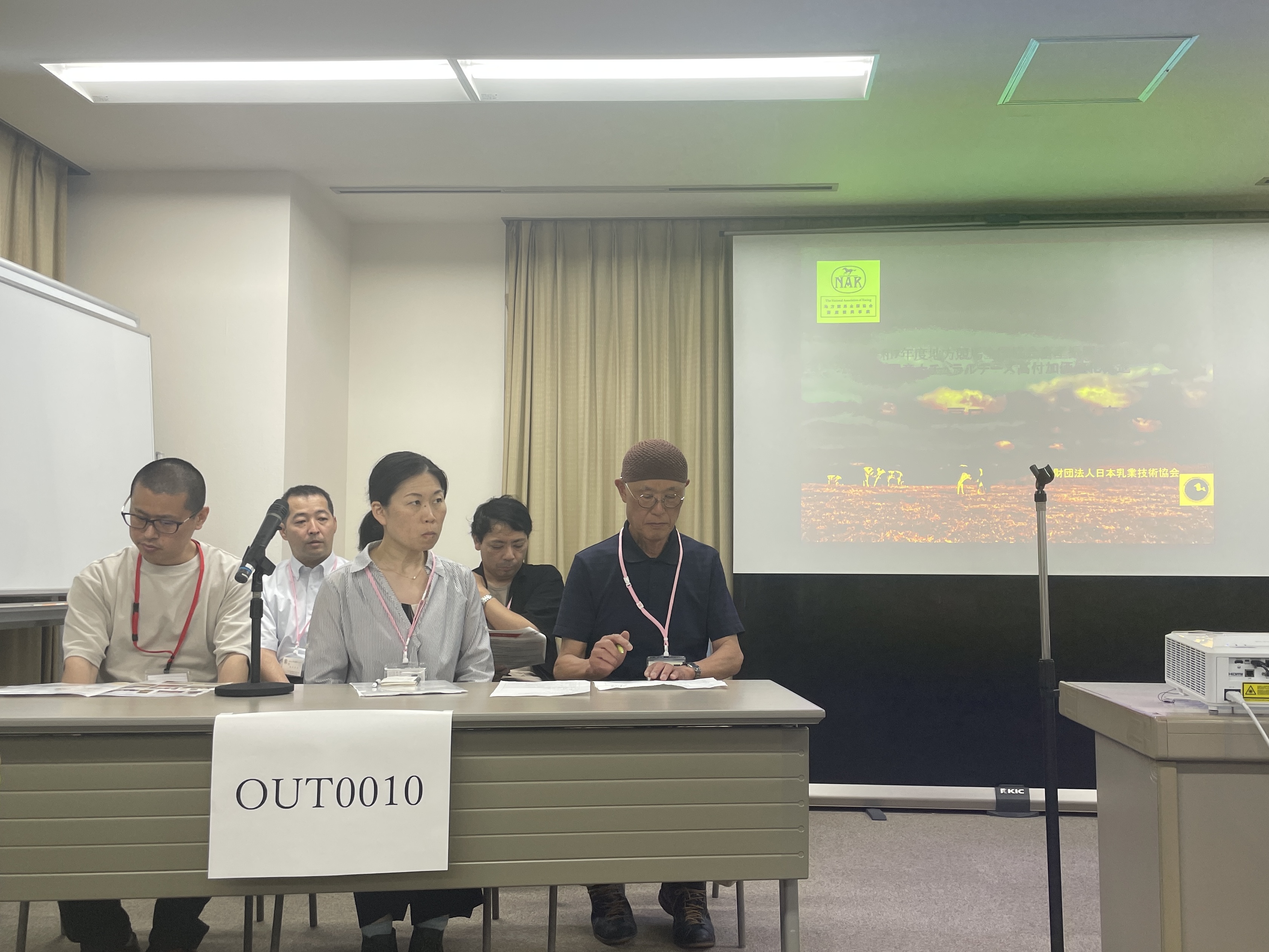
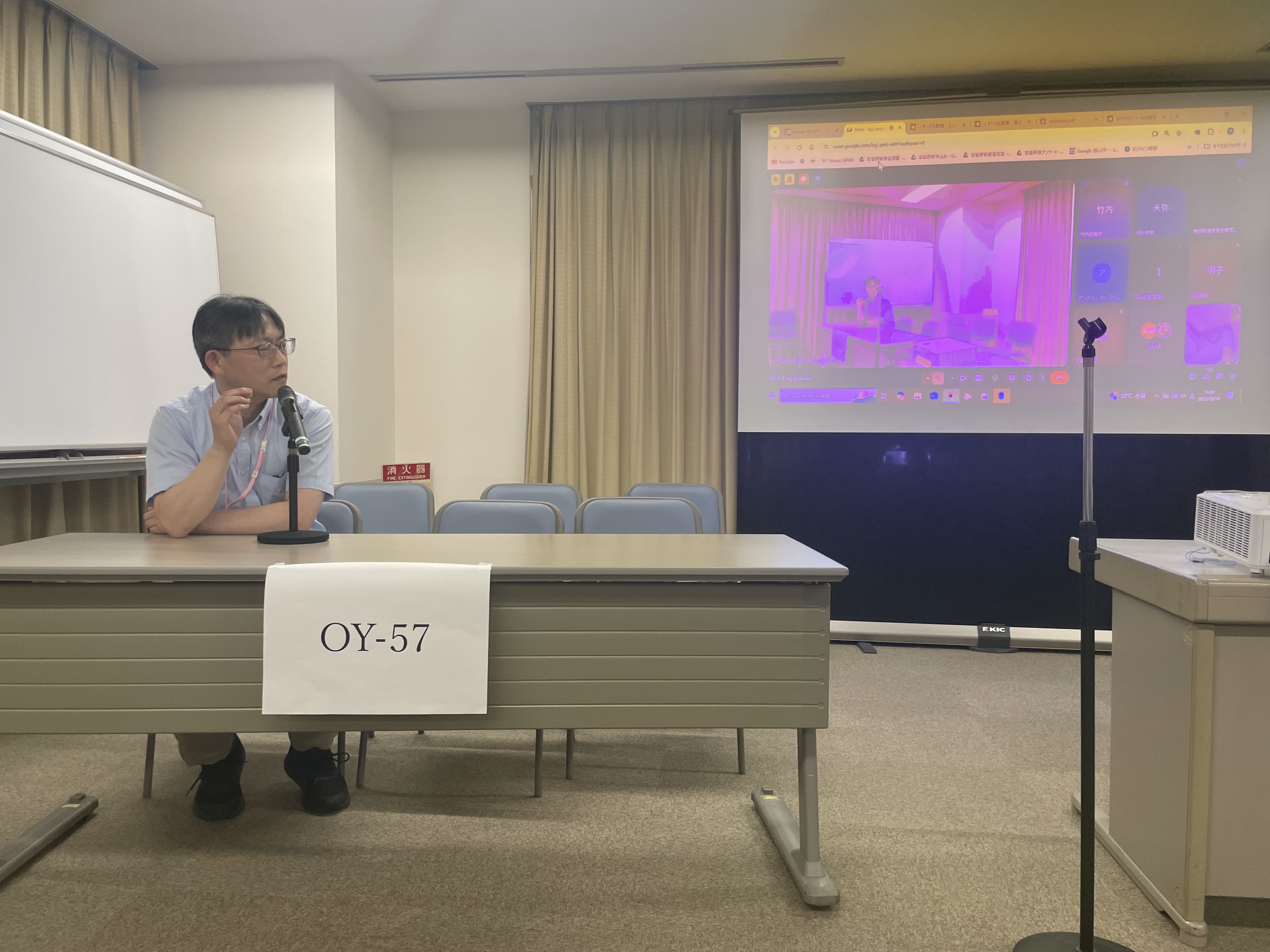
Four J Cheese Starter lactic acid bacteria strains are currently being developed and used experimentally as adjunct starters.
<OUT0010> A lactic acid bacterium isolated from sake lees in Obihiro. Gouda made with the strain has received high scores in consumer sensory evaluation.
<33-5> Isolated from aged cheese in Kuromatsunai. It increases components associated with cheese flavor, nutty notes and umami, giving distinctive aroma and savoriness.
<P-17> Isolated from aged cheese in Sapporo. A thermophilic Hokkaido-derived lactic acid bacterium that is also expected to be useful for hard cheeses.
<OY-57> Isolated from sago-hachizuke pickles in Nakagawa. It is used for aromatic cheese that makes use of locally derived Tochigi lactic acid bacteria.
At the Tasting Session
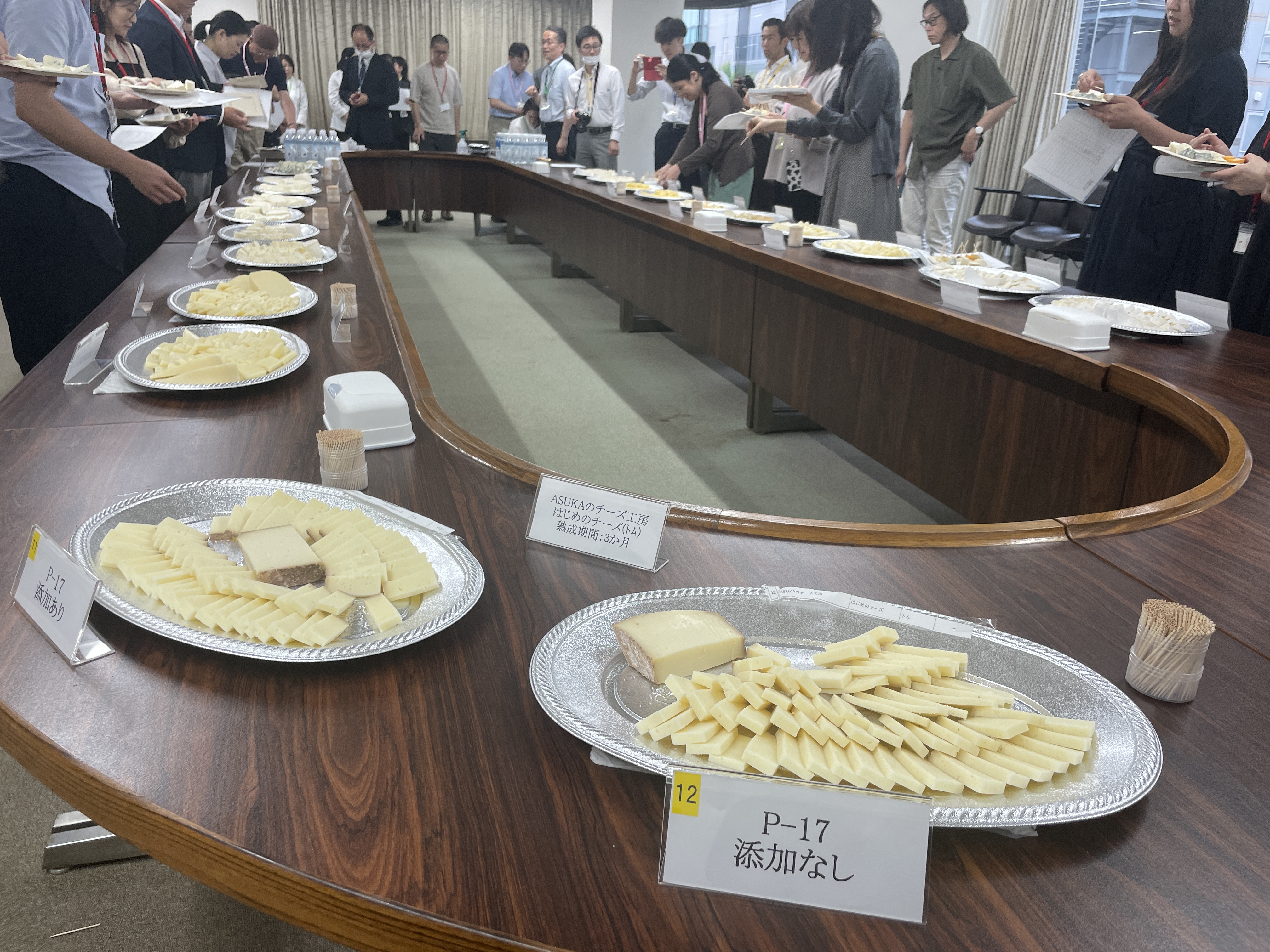
Participants carefully checked aroma, texture, mouthfeel and taste across 24 trial cheeses while comparing versions with and without J Cheese Starter and identifying which strain had been used.
Experts exchanged comments such as, “The difference between added and non-added versions is easier to detect in hard cheeses,” “For this cheese, the version using OUT0010 is overwhelmingly more delicious,” and “There already seems to be a slight difference in appearance and color.”
Finally, the Japan Dairy Technical Association explained analysis of the previous fiscal year's J Cheese Starter trial products and how to participate in the project.
For each cheese type, including blue, Camembert and hard cheeses, and for each trial strain, numerical data were shown for changes in free amino acid levels, degree of maturation based on nitrogen content, texture, general composition and sensory evaluation.
For cheesemakers, receiving this type of analysis and being able to compare results numerically with others may be one benefit of participating in the trial-production project.
In Closing
Some workshops have begun using domestically produced rennet, but the use of Japanese lactic acid bacteria is still in its early stages.
This project raises expectations for the creation of truly all-Japanese natural cheese.
How will a distinctly Japanese character be expressed? We look forward to future developments.
For cheese workshops that have not yet tried the starter, support is currently available for costs equivalent to raw milk, consumables and equipment, and trial cheeses can reportedly receive free compositional analysis and sensory testing.
Advice from experts at the institutions holding the bacterial strains, including visits and telephone consultation, is also reportedly available free of charge.
Cheesemakers who are interested may wish to get in touch.
Japan Dairy Technical Association
https://www.jdta.or.jp/nar2.html