
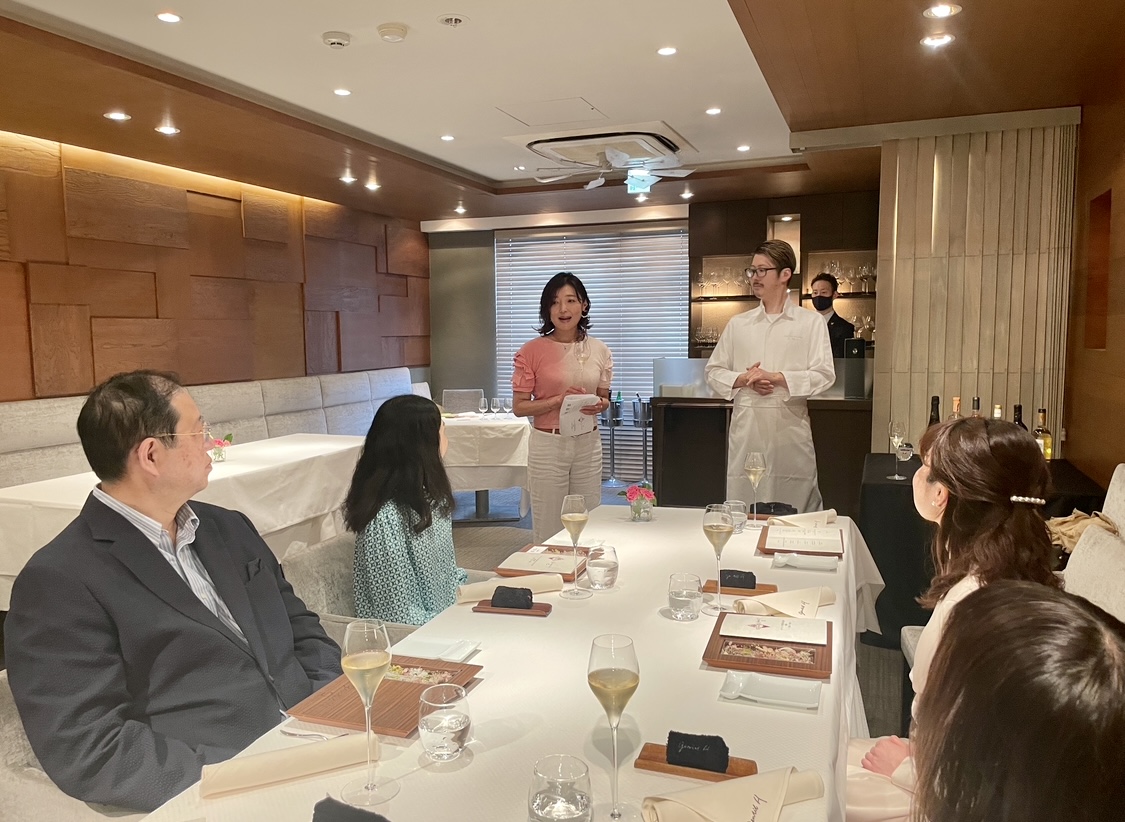
Hello everyone. I am Miyuki Isobe — Wine, Food, and People. Usually, I enjoy experimenting at my daily dining table, pairing seasonal ingredients with various Japanese wines through trial and error. However, this time I attended a course hosted by a wine school to learn "pairing as taught by a wine school"...
Contents
Hello, everyone.
Miyuki Isobe: Wine, Food, People.
Usually, I enjoy experimenting with pairing seasonal ingredients with various Japanese wines at my daily dinner table, but this time I attended a class hosted by a wine school to learn "pairings as taught by the school."
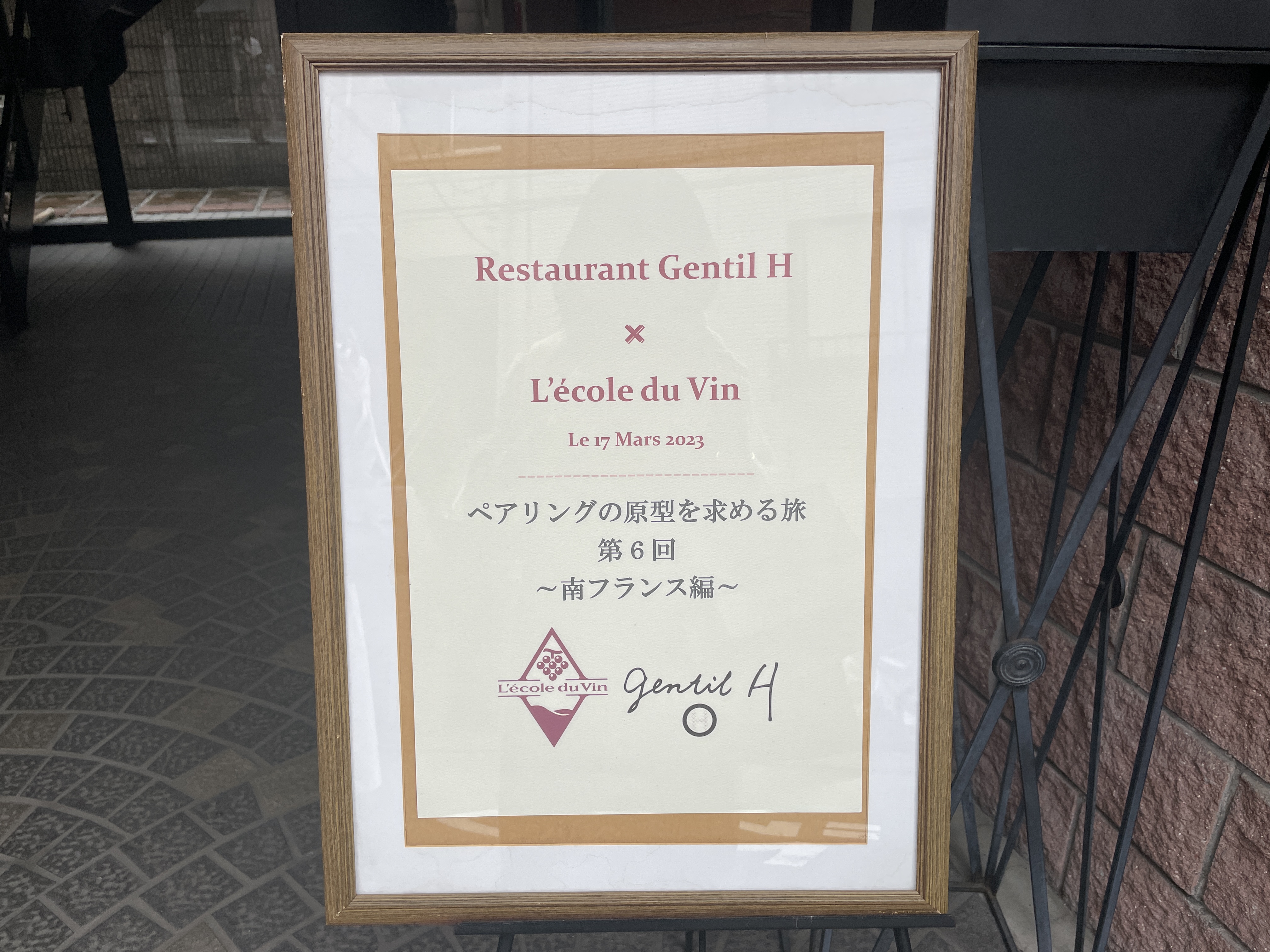
This course, organized by the wine school L'école du Vin, features a different theme each time and allows single-session attendance.
The session I participated in this time was taught by Keiko Tange, focusing on Southern French cuisine and wine pairings.
Ms. Tange also runs her own bread-making class called "Sakura Kitchen," so as a special bonus, we also got to enjoy her bread!
CHAPTER 01
Characteristics of Southern French Wine
Known for housing leading resort destinations such as Nice and Cannes, this area's biggest defining feature is undoubtedly its abundance of rosé wine.
With rosé accounting for 89% of total wine production, rosé wine is extremely prominent here in terms of both production and consumption.
Overlooking the Mediterranean to the south, the Provence region has a typical Mediterranean climate, with hot, dry summers and rainfall from late autumn into winter.
Those who have studied for the sommelier exam will likely remember the strong, cold wind known as the Mistral.
The main varieties cultivated here are Vermentino, Ugni Blanc, and Grenache Blanc for white grapes, and Syrah, Grenache, Cinsault, and Mourvèdre for red grapes.
CHAPTER 02
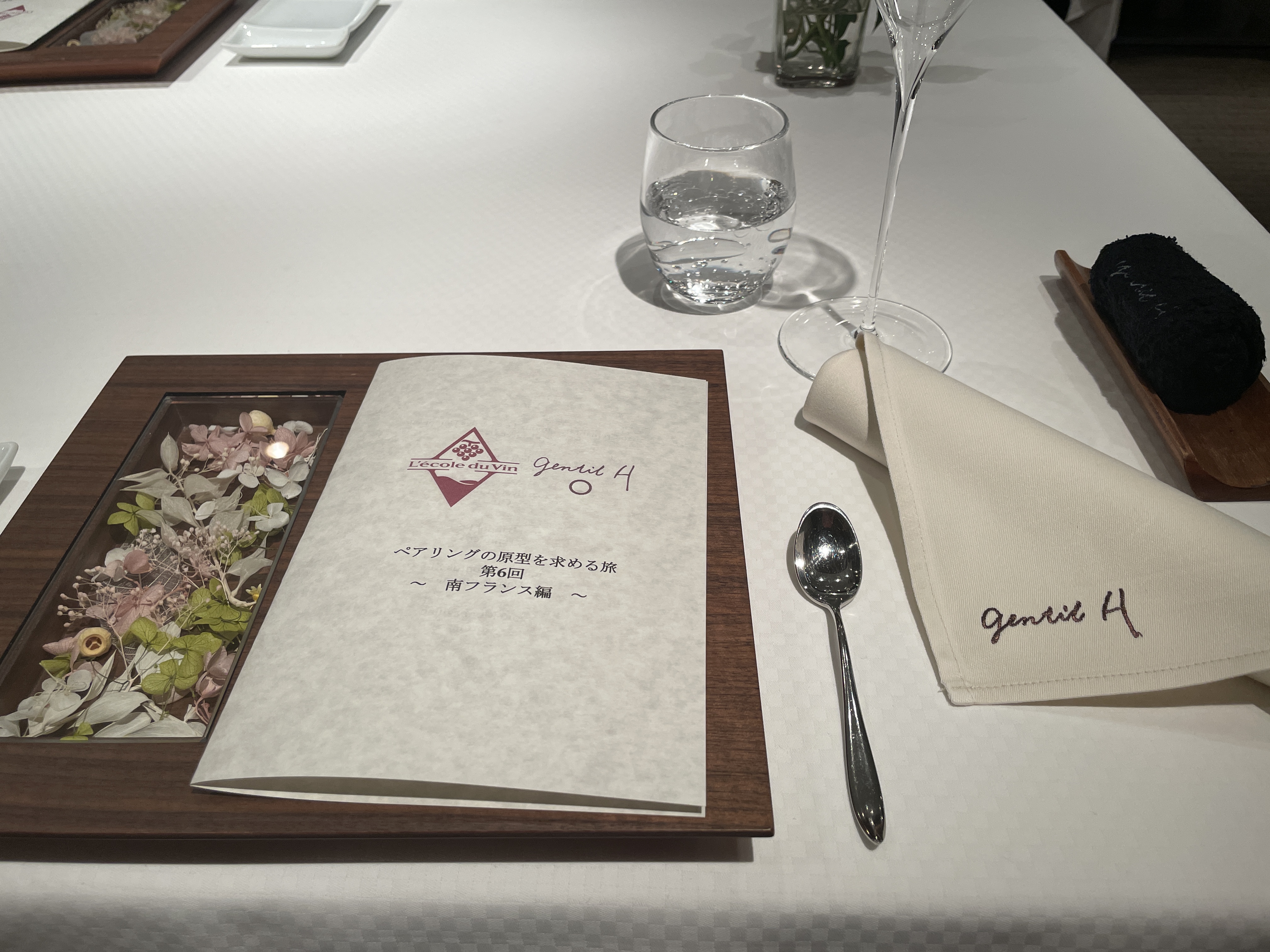
The venue was the French restaurant "Gentil H" in Shirokanedai
Chef Keisuke Hirano, who gained experience at Ebisu's 3-star Michelin restaurant "Joël Robuchon" and refined his craft in France, showcases his skills based on French culinary techniques using carefully chosen seasonal ingredients from his native Shizuoka Prefecture, as well as across Japan and around the world.
This time, the focus is Southern France. Speaking of Southern France, will we get to enjoy ratatouille, bouillabaisse, or Sète-style dishes from Languedoc?
The interior is a truly luxurious space.
With an atmosphere so different from a lesson in a wine school classroom, I secretly delighted: "Can a class really be this much fun!?"
CHAPTER 03
Pairings for each dish
Have you ever felt, when reading a sommelier textbook, that even though regional dishes are listed alongside the wines, it's hard to visualize them if you've never actually seen or eaten them?
Or even for dishes you do know, you find yourself wanting to try them to see what pairing them with wine from the same region is really like?
This class makes that a reality, allowing you to thoroughly commit the experience to memory with all five senses.
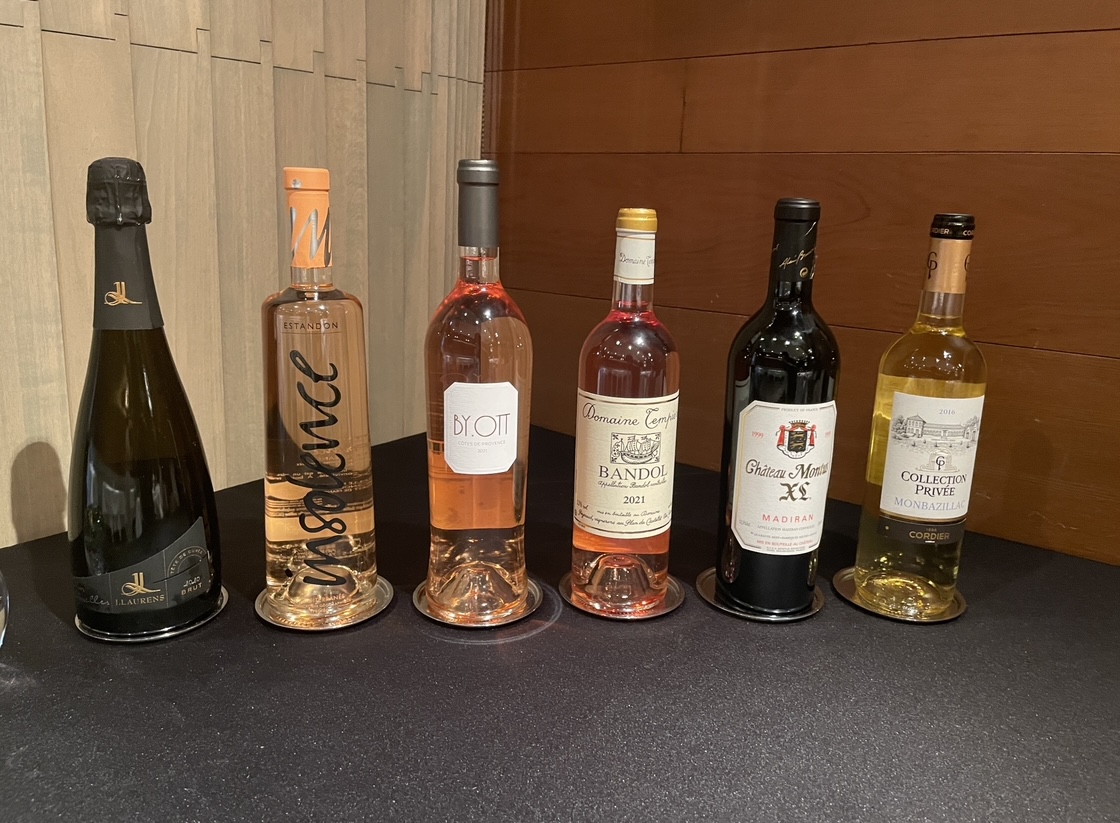
Now, let us take a look at the pairings.
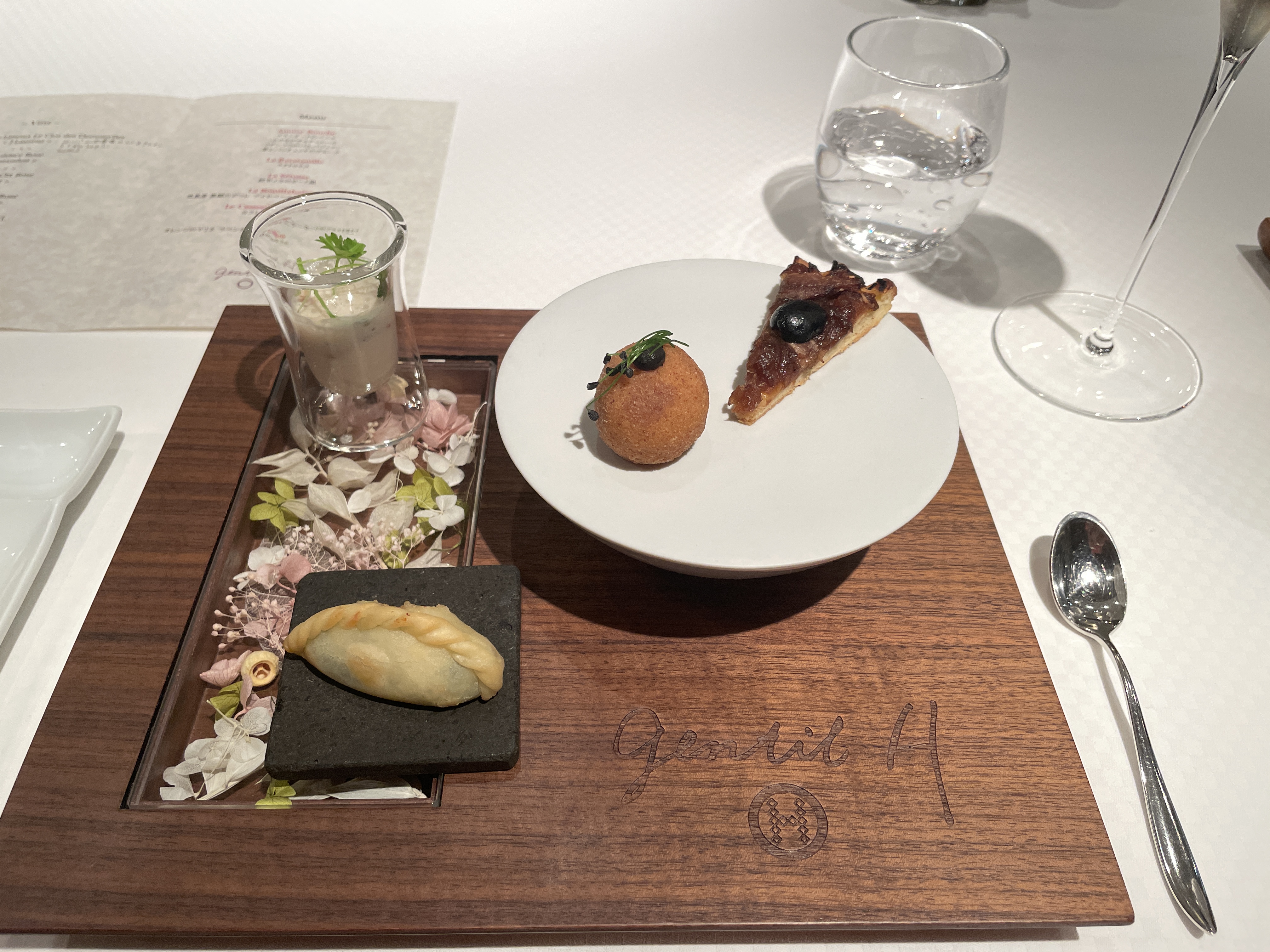
・2020 Cremant de Limoux Le Clos des Demoiselles
× Brandade beignets, mini pissaladière, Swiss chard barbagiuan, and chestnut and pancetta velouté
60% Chardonnay, 25% Chenin, 15% Pinot Noir
A Crémant by a producer from the Champagne region.
Crafted using traditional methods, it has a very elegant finish.
We start off by enjoying traditional appetizers from Southern France with our hands!
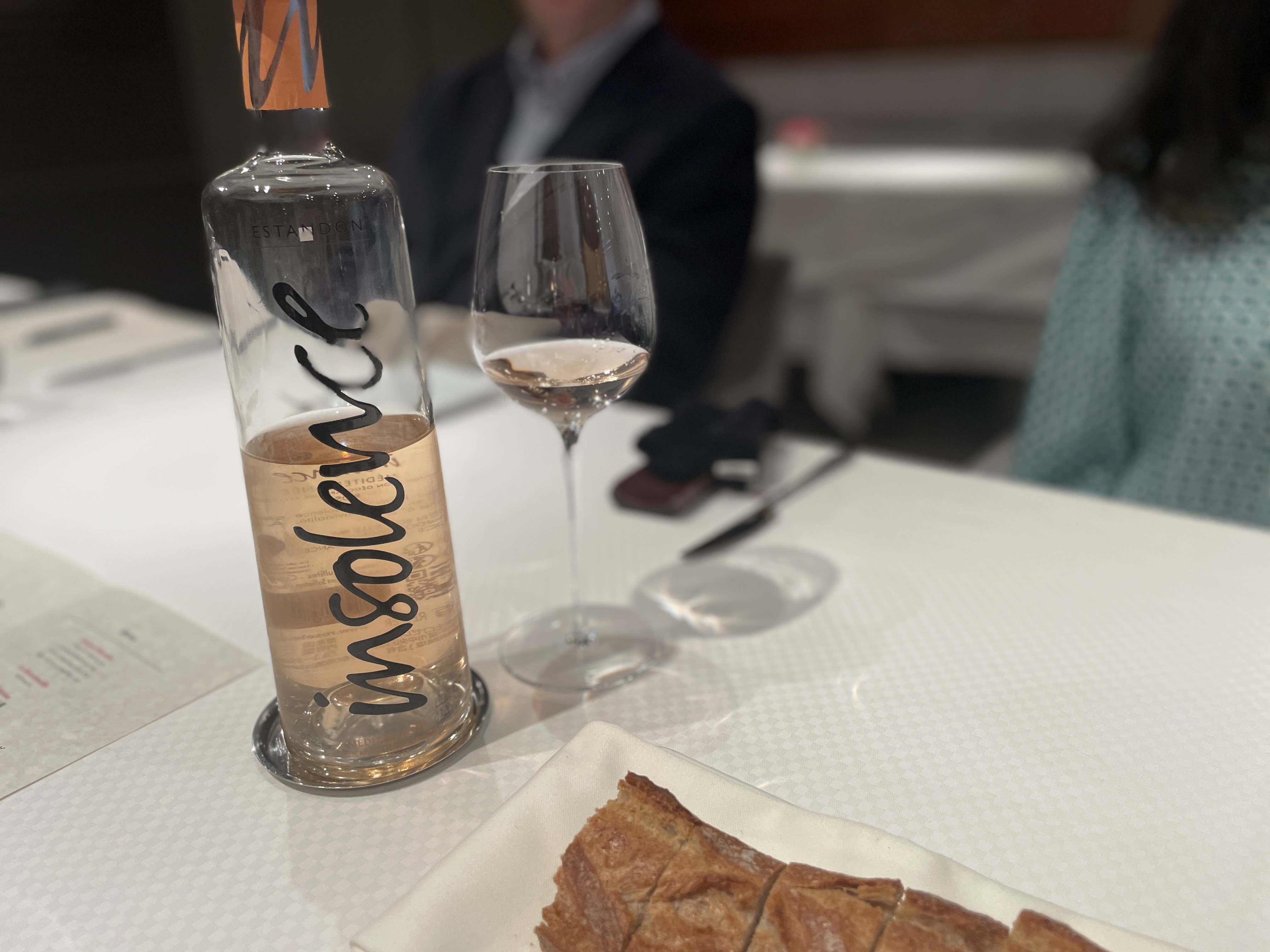
・Insolence Rose
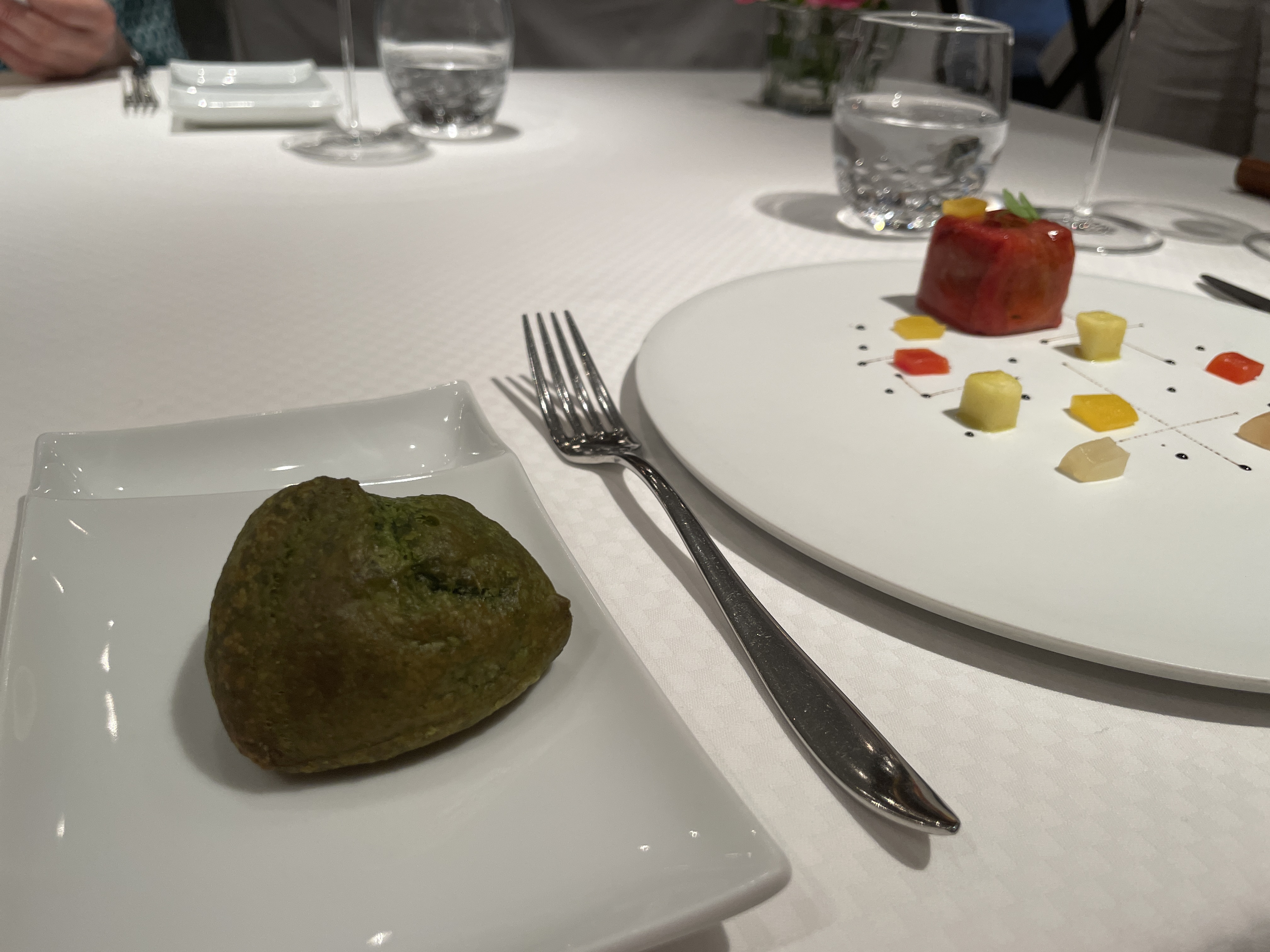
× Ratatouille
A Grenache-dominant, Syrah rosé.
The nuances of berries and herbs were wonderfully refreshing.
An easily enjoyable wine perfectly suited to its name "Insolence," which means "impudent."
As for the paired dish, it was a plate with such an innovative appearance that made you wonder, "Is this really ratatouille?"
After cooking each vegetable separately, they were encased in a cube of tomato jelly.
Based on the ingredients and cooking methods used, it is reportedly a genuine ratatouille.
However, one crucial ingredient for calling itself ratatouille was missing: basil.
In a clever twist, the ratatouille is completed when enjoyed together with the basil bread by Mr. Tange served alongside.
・2021 By.Ott Rosé
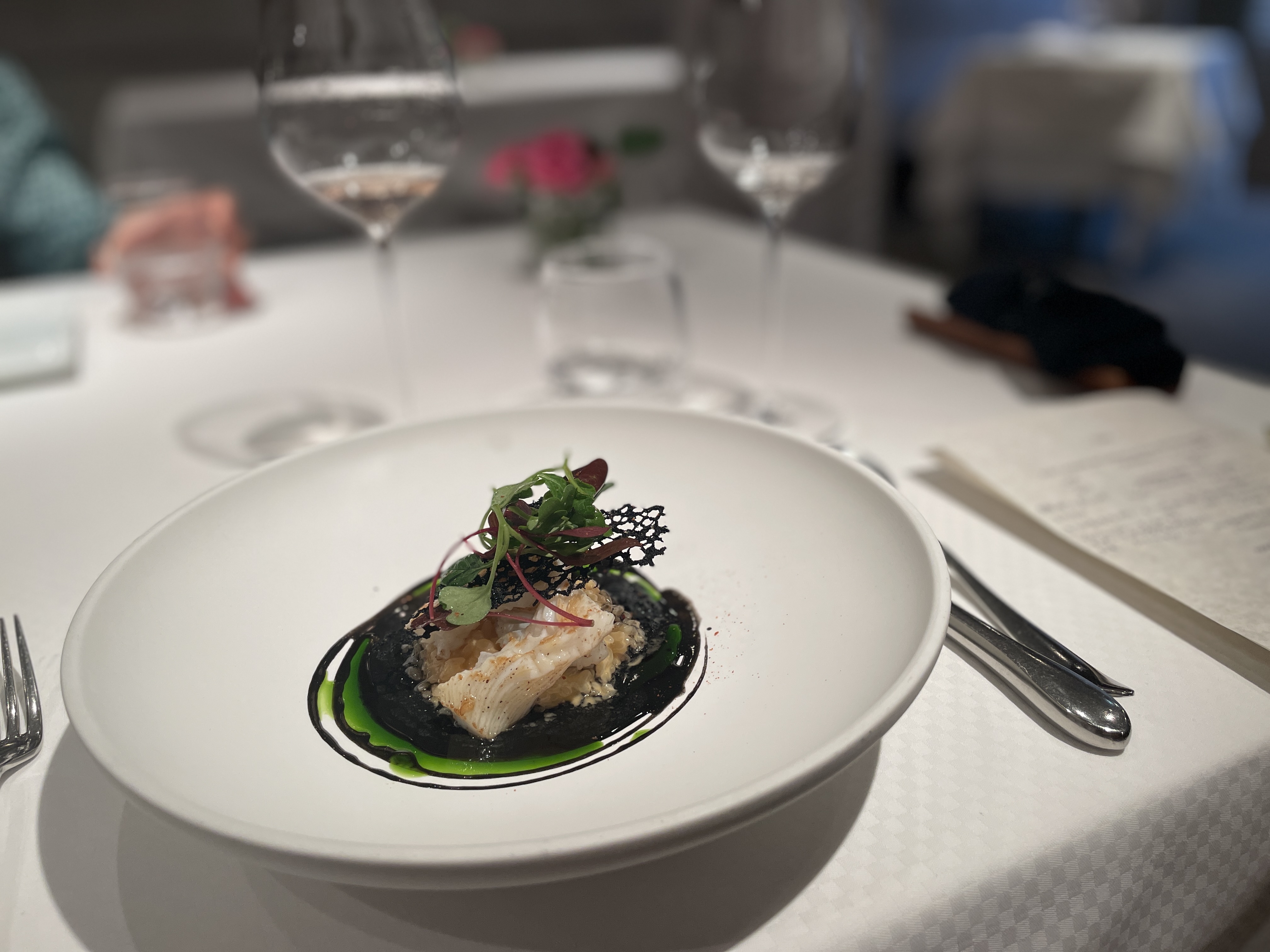
× Cuttlefish Sétoise-style
Ott is a leading pioneer in improving the quality of Provence rosé.
Originally from Alsace, this producer is famous for entering into a partnership with Louis Roederer in 2004.
Normally, port-town dishes like Sétoise style are often paired with a casual white wine, but following one of the key pairing principles, "matching the prestige of the food and the wine," a structured yet elegant rosé made from Grenache, Cinsault, and Syrah was selected for this slightly luxurious Sétoise dish.
It certainly looks different from the authentic Sétoise style from the appearance alone.
While the original is said to be accompanied by butter rice, this version featured a rouille risotto.
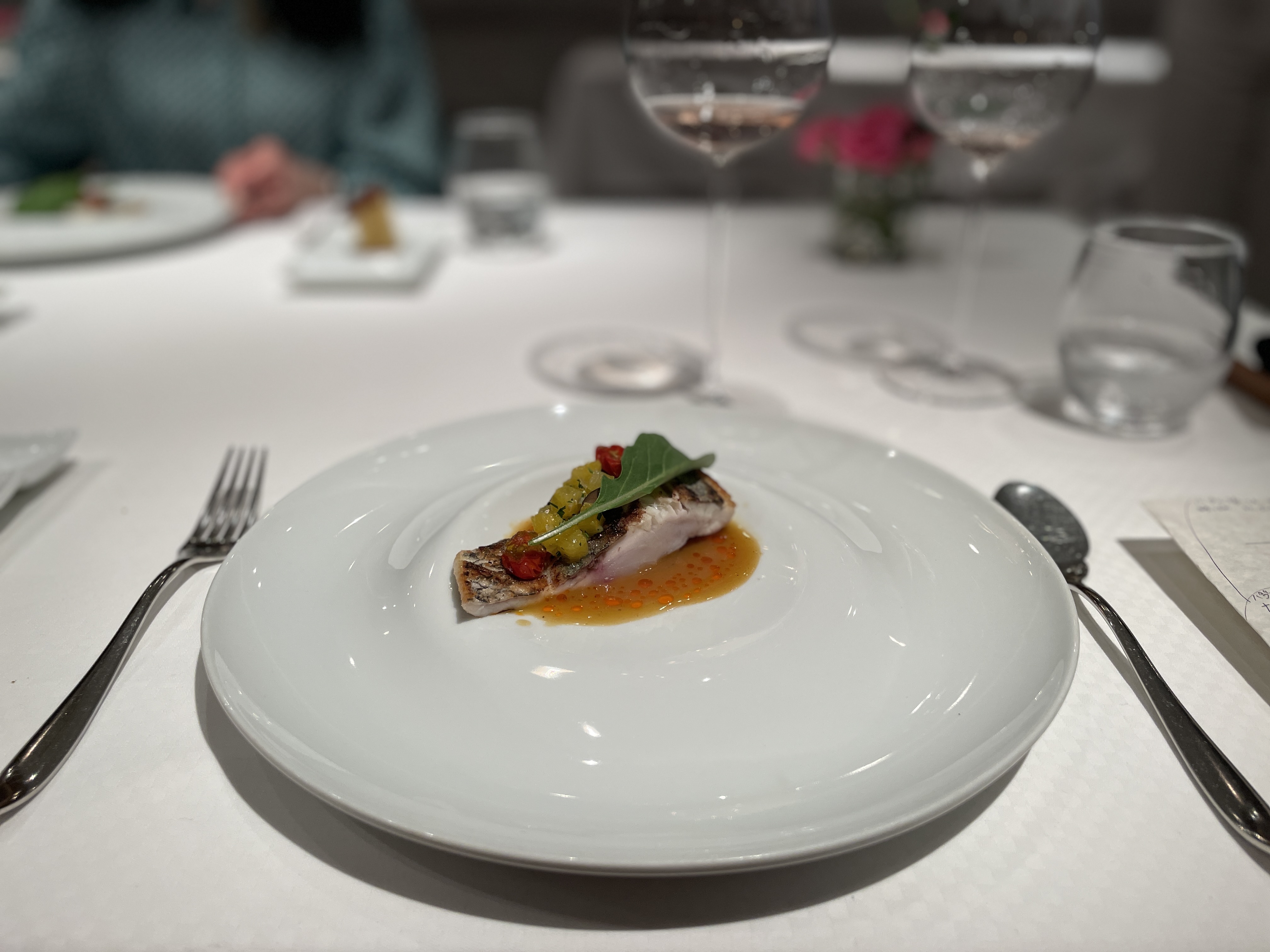
・2021 Bandol Rosé
× Pan-Seared Tokushima Black Sea Bream with Bouillabaisse Jus and Chickpea Écrasé
A rosé from a historical producer in Bandol.
Made primarily from Mourvèdre along with Grenache and Cinsault, this wine gives a very rich, long-finishing, and smooth impression.
When tasted, the complex seafood sauce of the bouillabaisse works to further expand the wine's umami, creating a combination where you can truly experience the delight of pairing.
The exquisite sauce is made from stock slowly extracted from red sea bream, mussels, lobster, and more.
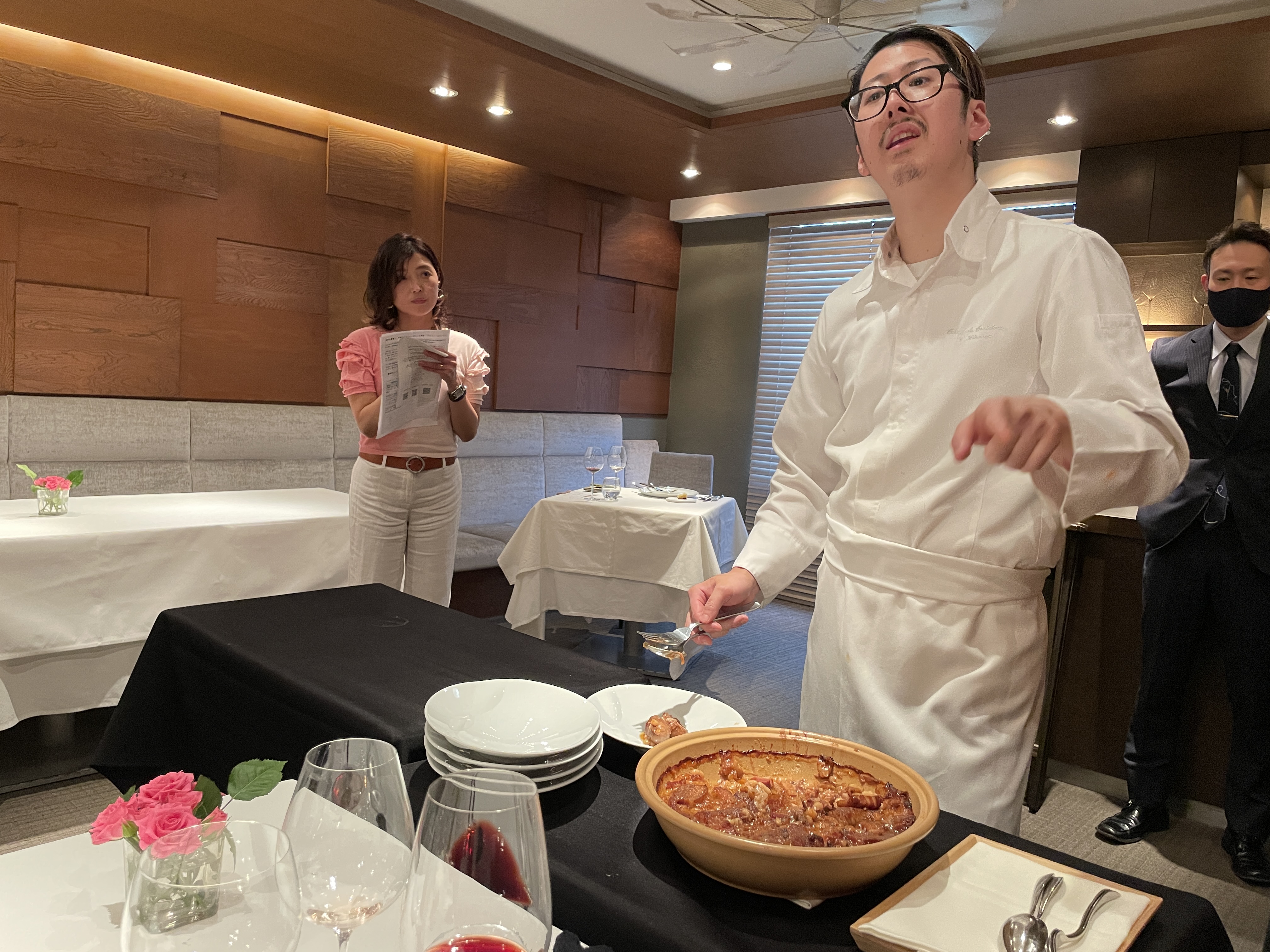
・1999 Ch. Montus XL
× Toulouse-Style Cassoulet
For a charcuterie-heavy cassoulet, a wine with real punch is a must.
Unsurprisingly, here a red wine makes its appearance rather than a rosé.
This 100% Tannat wine, aged in oak for 40 months, is rich in fruitiness and full of concentration.
By matching the weight of the dish and the wine, it delivered a deeply satisfying experience.
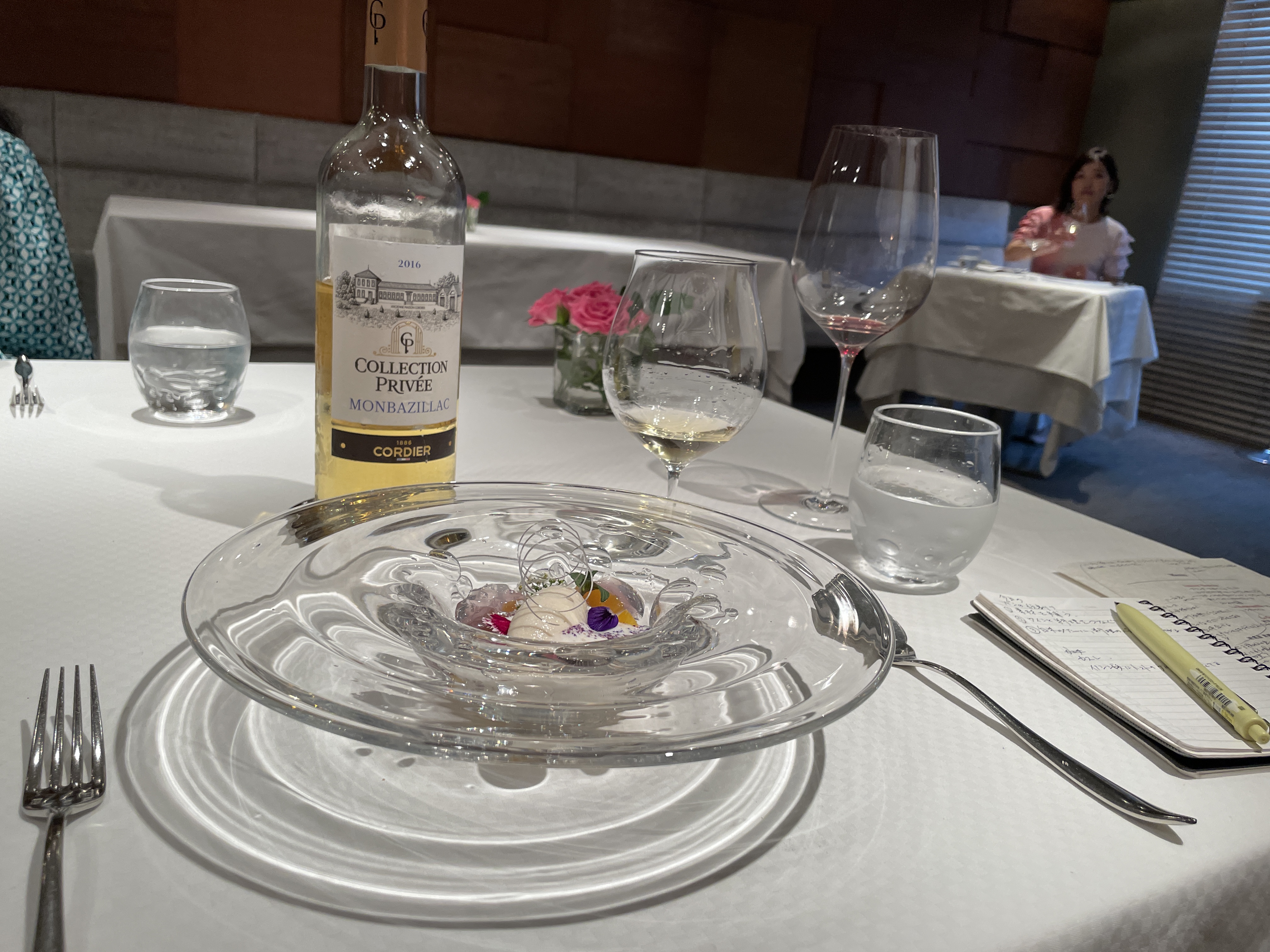
・2016 Monbazillac
× Marinated Orange Served with Lavender Jelly and Almond Ice Cream
The pairings continued through to dessert.
A noble rot wine made in a misty region.
Known as the Sauternes of the Southwest, you can sense a pleasant bitterness within its sweetness, which paired beautifully with bitter orange marinated in Grand Marnier.
Furthermore, this flavorful noble rot wine elegantly complemented the strong aroma of lavender, bringing the meal to an exquisite close.
SummaryIn this pairing session, I got to experience firsthand matching origins, aligning the weight and lightness of wine and food, and matching their prestige.
I was also able to learn about the various roles bread plays—not just accompanying the wine, but supplementing ingredients, playing a role similar to steamed white rice in Japanese cuisine, or serving as a bridge between the food and wine using shared ingredients.
This kind of structure serves as a great reference not only for Southern French wines, but also when thinking about everyday pairings between Japanese wine and the home dining table.
In addition to studying at a desk, taking part in an actual experience like this can be a wonderful opportunity.
Next up in this series will reportedly be a session on the Loire region, led by Kenichi Ota, former chef sommelier of ESqUISSE.
Date: Friday, April 21, 2023
Time: Day Session 12:30~ Evening Session 19:00~
Price: 25,000 yen (incl. tax & service charge)
* For applications and details, please contact L'ecole du Vin.
https://www.duvin.jp/event/2041
https://www.duvin.jp/event/2040So Many Options! Japanese Rosé WinesRecently in Japan as well, a surprisingly wide variety of rosé wines is being produced.
For spring ingredients such as wild mountain vegetables, rosé wine is highly recommended both in appearance and taste!
Why not try it for a spring pairing at home?🌸
★CRAFT WINE SHOP Rosé Wine List★
About the author
Stories covering the same region, newest first.
Wineries in this region
REGIONAL WINERIESRead → Know → VisitWineries in 静岡県. Find somewhere to visit.