
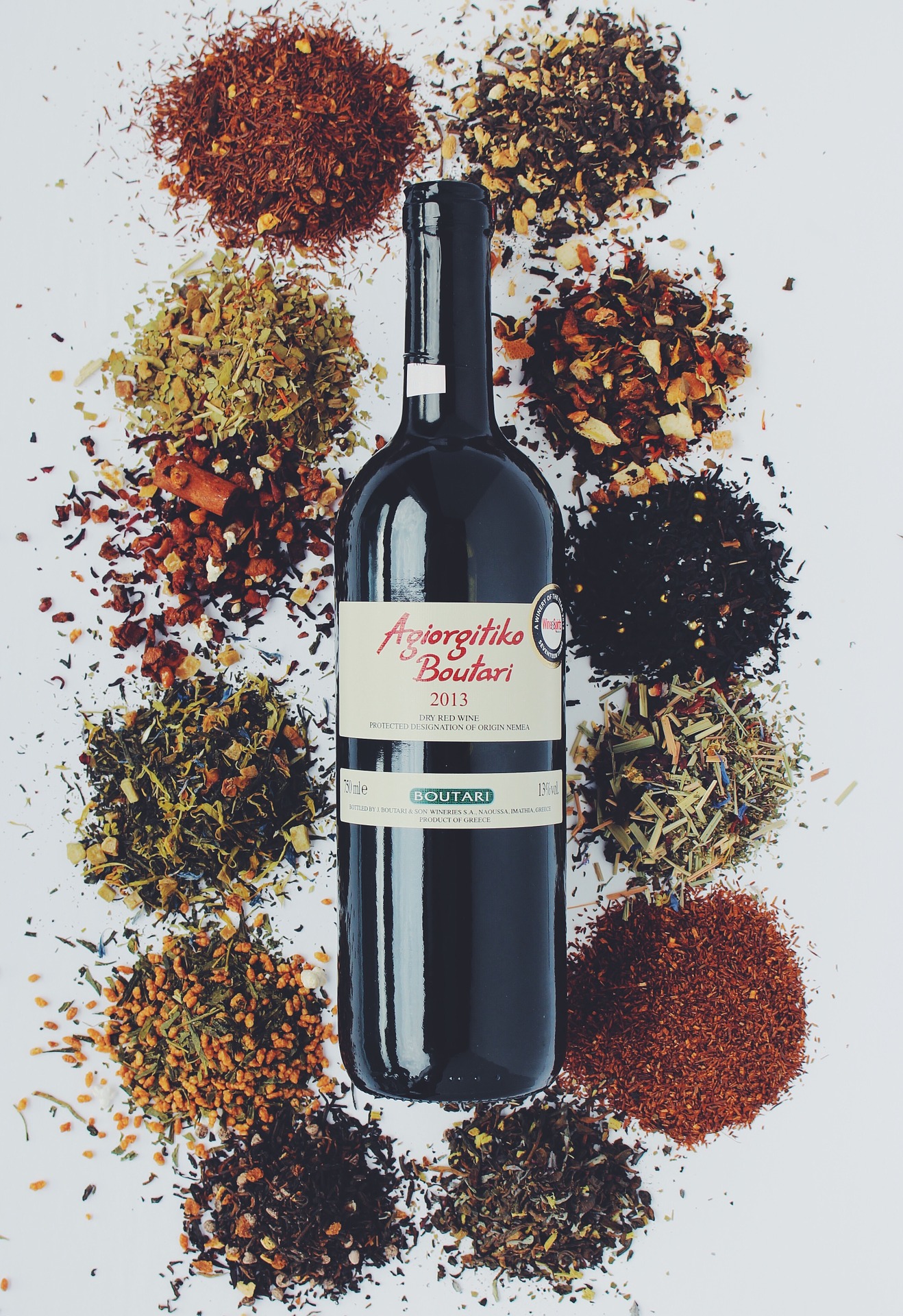
Professional wine tasters, including sommeliers.
"I wish I could make tasting comments like a professional"many of you may be thinking.
Now, what exactly are wine tasters thinking when they smell a wine's aroma or hold the liquid in their mouth?What are they thinking about?
Here, based on a unique study conducted in Rome some time ago, we will explain in an easy-to-understand way "what wine tasters are thinking during tasting."
A Mysterious Experiment
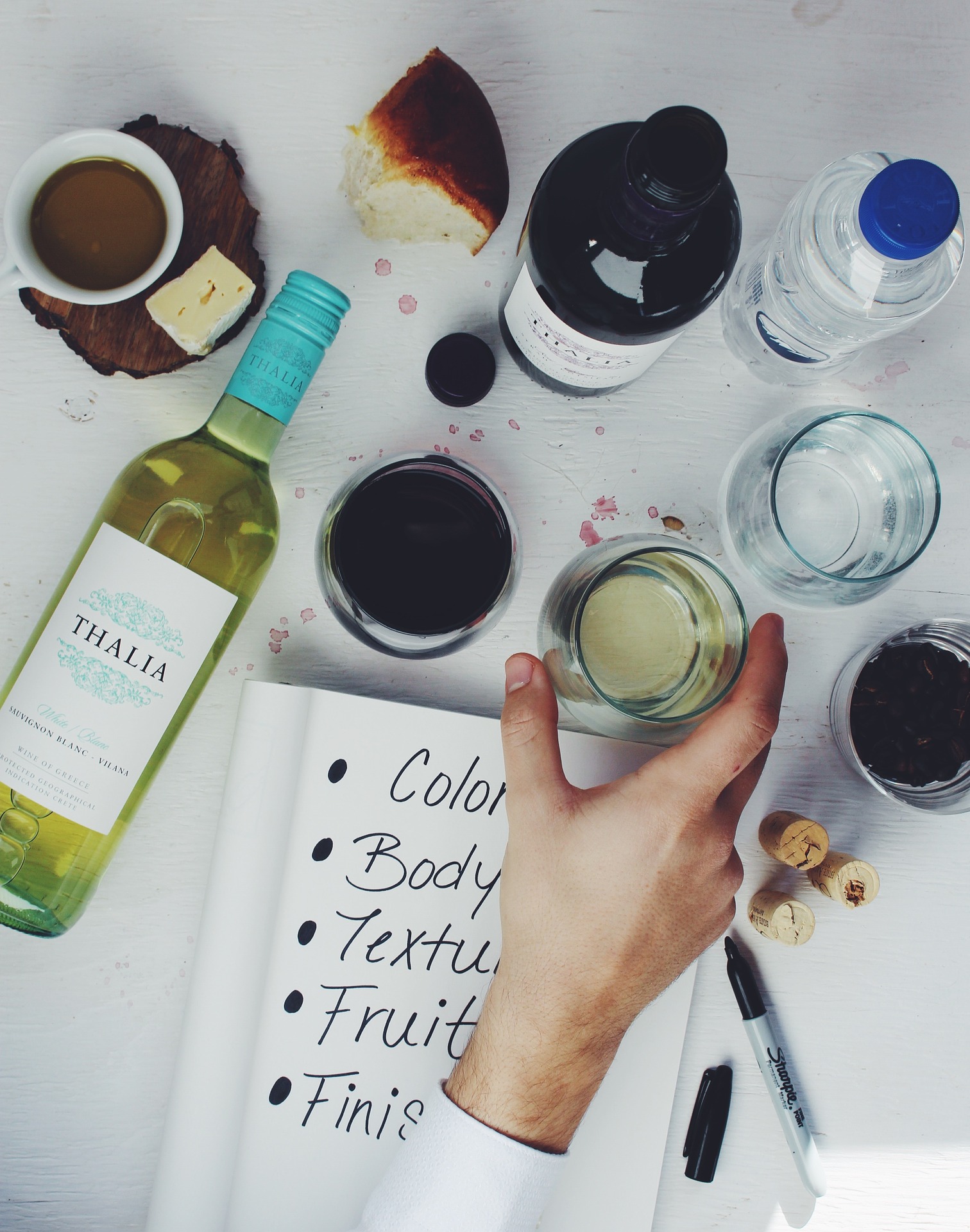
In 2002, a research team led by Dr. Alessandro Castriota Scanderbeg in Romeconducted a unique experiment that became a topic of discussion.
It wasan experiment to see "what differences exist in how wine is tasted between professional-level wine tasters and amateurs."
The subjects of this experiment were 7 professional sommeliers and 7 amateurs (who did not have wine tasting skills).
They monitored the brain responses of each while drinking wine.
First, the subjects were given 4 types of liquids in sequence through a tube: 3 types of wine and a glucose solution for comparison,and were asked to identify the types of wine and then evaluate them.
Furthermore, they were also instructed to report which tasted stronger: when the solution was in the mouth or after swallowing.
What Happened?
First, at the stage when the solution was held in the mouth.
At this stage, both professional sommeliers and amateursactivated areas related to the taste centerapparently.
However, only the professional sommeliersshowed activation in the "amygdala" and "hippocampus"regions.
At the aftertaste stage, amateurs also showed activation in these regions, but only in the right brain.For professional sommeliers, it was confirmed that both the left and right brains were fully activated.
Even more interesting was that only the professional sommeliersactivated the "dorsolateral prefrontal cortex" in the left brainas a result.
What does it mean that these regions were activated?
Let's explain in a bit more detail in the next segment.
Sommeliers Were Analyzing Strategically While Enjoying

First, the areas related to the taste center are regions involved in flavor information processing,so these are naturally activated in anyone.
The issue is the "amygdala," "hippocampus," and "dorsolateral prefrontal cortex"which were activated only in professional sommeliers.
The amygdala is famous as a region related to emotional responses such as fear and anxiety, but it actuallyis also heavily involved in motivated behavior.
Furthermore, the hippocampus isa region deeply involved in memory.
According to Dr. Scanderbeg, who conducted this experiment...
"The sommeliers who activated this region at an early stage suggest they were motivated to identify the wine."
By wine tasting, they anticipated a reward (in the sense of feeling happy or being able to enjoy the wine...?) and tried to derive answers from accumulated memories.
Also,the "dorsolateral prefrontal cortex."
This may be an unfamiliar region, but this area is involved in memory,learning, speculation, reasoning, attention, judgment, and other functions.
In other words, it was found that professional sommeliers immediately engaged in analytical strategies to identify the wine after taking it into their mouths.
Furthermore, this strategy"may be language-related, linking flavor and language,"some suggest.
Despite merely holding wine in their mouths, the professional sommeliers immediately utilized their brains fully... this is what was discovered in this experiment.
What's the Difference from Amateurs After All?
To briefly summarize what was learned from this experiment...
Professional wine tasters, when drinking wine,feel joy in seeking "what kind of wine is this!?" and pull up memories.
After that, they unconsciously work on linking flavor and language to determine what words should be used to communicate it... that's what it means.(or so the possibility exists)
In the case of amateurs, when drinking wine, they only confirm aspects like "this is wine, right? Is it sweet or astringent?" and end with searching for memories like "have I had this before..."(or so the possibility exists)
At the beginning, I presented a fictional line from someone saying "I wish I could make tasting comments like a professional," but to produce professional-level tasting comments...
- Drink wine and commit it to memory
- Research the wines you've drunk
- Increase your wine knowledge
- Train your language for conveying flavors
it seems to come down to.
It's fine to learn wine comment expressions and characteristics from textbooks in a vague way,but perhaps professional-level tasting comments won't come out unless you feel it with your body.
Let's Enjoy Wine Tasting!
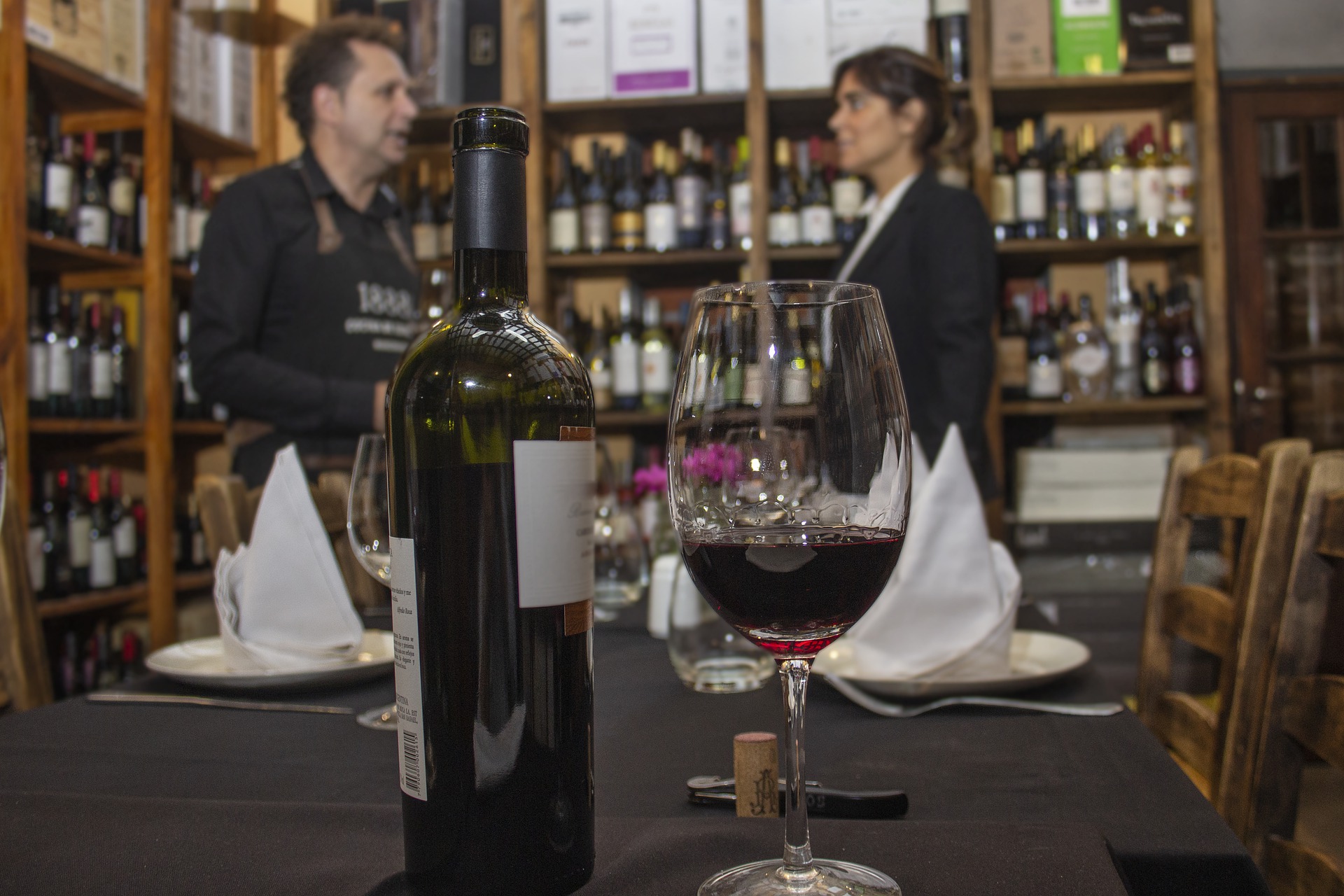
Being sommeliers, wine professionals taste numerous wines. And they don't neglect the work of outputting about those wines while fully utilizing their brains.
According to one theory, sommeliers are less likely to develop dementia, and wine tasting may even be useful for "brain training."
There's no need to forcibly aim to be a professional, but rather than vaguely,let's taste wine seriously while enjoying it.
You may find your head feeling a bit clearer than usual.
Reference
The Science of Wine by Jamie Goode (Author), Ayumi Kajiyama (Translation)