
Have you ever casually wondered, "How is wine actually bottled?"
While large and mid-sized wineries utilize corresponding machinery, small boutique wineries often carry out bottling operations by hand.
Here, we explain the wine bottling process.
Keep this in mind as a fun piece of wine trivia.
Bottle Selection
The wine bottling process starts with choosing the wine bottles.
There are various types of wine bottles, but producers mainly use 750ml bottles. (Other wine bottles range from 100ml to 15,000ml.)
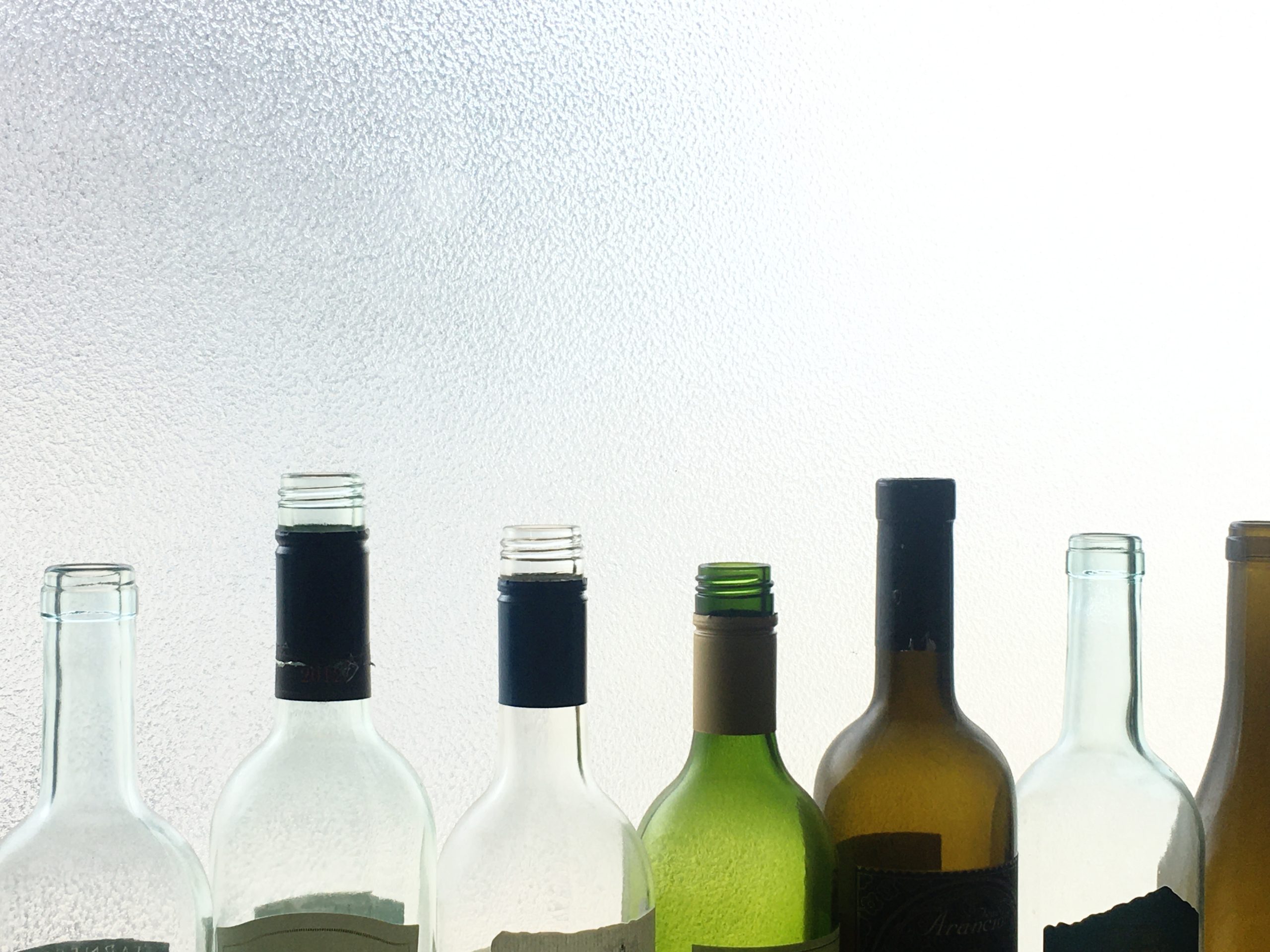
Since there are wine bottles such as "Bordeaux-style," "Burgundy-style," and "Alsace-style," producers select them to match the style of wine they make.
By skillfully choosing the shape and color of the wine bottle, producers can clearly communicate the wine's personality to consumers.
Hygiene and Sanitation
Wine is a very delicate beverage.
If bacteria enter the bottle or if there is any dirt, its flavor will change dramatically.
Therefore, before bottling the wine, producers wash and dry the bottles, and then use inert gas and other measures.
Considerable care is required before bottling to deliver safe, reliable wine.
Due to its nature, the timing just before bottling is when wine aromas and flavors are most vulnerable to the effects of oxidation.
Therefore, the use of inert gases such as carbon dioxide and nitrogen can be considered essential.
Filling the Wine
Once the wine bottles are clean, the next step is filling them with wine.
Wine is introduced into the bottles from barrels, stainless steel tanks, dedicated equipment, or siphons.
What one must be careful of here is not to cause splashing while filling, but rather to fill in one go or introduce it at the minimal flow rate.
At this stage, although the inside of the bottle is filled with inert gas, splashing can allow atmospheric oxygen to affect the wine, posing a risk of deterioration.
However, because typical wineries use dedicated bottling equipment, wine deteriorated by mistakes in this step rarely reaches the market. (Of course, one cannot say it is zero...)
Corking
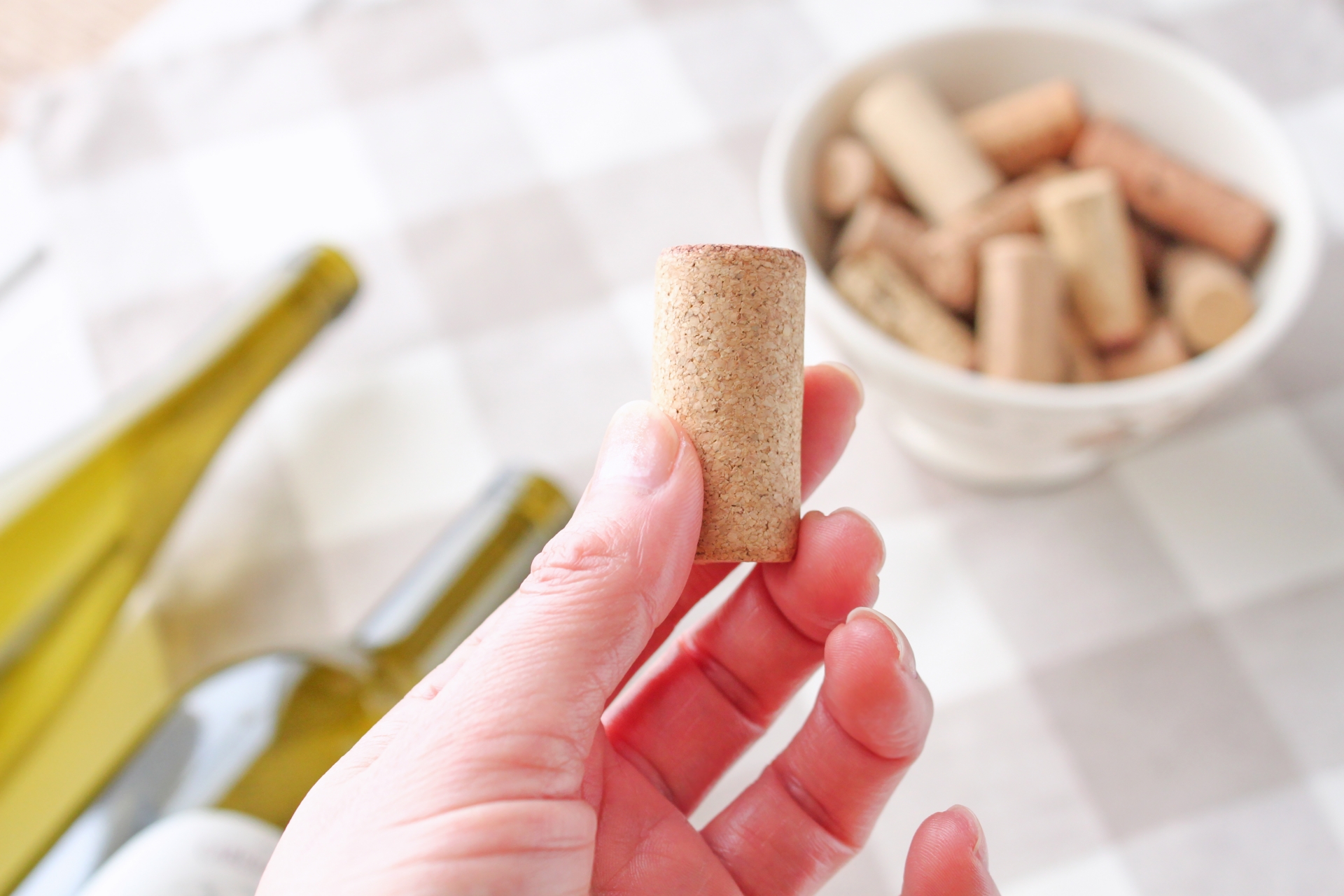
Once the wine has filled the bottle, one immediately moves to the corking process.
While screw-capped wines are increasing, applying them by hand is difficult, and the specialized equipment is expensive, making it hard to adopt unless one is a large or mid-sized winery.
Therefore, we will explain the standard cork insertion process.
First, to insert a cork, a device called a corker is used.
There are various types, but floor-standing models are primarily popular.
A wine bottle is set in the corker, and a cork is inserted into the opening.
Pulling down the corker's handle compresses the cork, and a plunger drives it firmly into the neck of the bottle to complete the corking.
Generally, bottles are left upright for 1 to 2 days to release pressure, and after that, they are stored upside down or lying on their side to keep the cork moist.
Labeling and Finishing
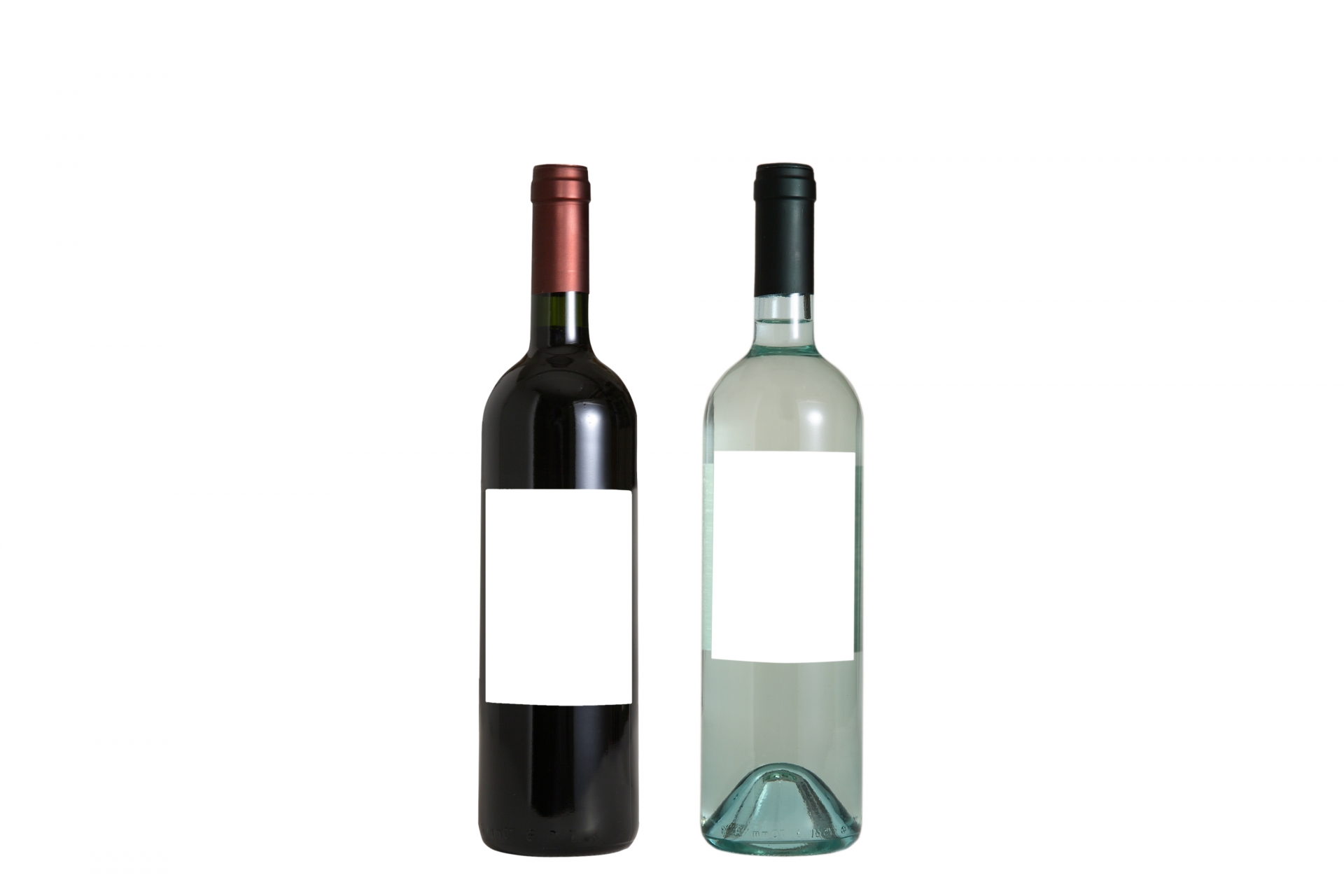
Once you reach this stage, the wine is already inside the bottle, so the bottling work is essentially finished.
However, if this wine is to be sold commercially, it is necessary to carry out tasks such as creating and affixing labels, and applying decorative capsules to the top of the bottle.
Capsules themselves seem to be used as decoration and to prevent cork deterioration, but they do not affect wine quality.
On the other hand, while labels also do not affect wine quality, it is an exacting task because it requires printing mandatory display items and wine information necessary for commercial sale.
To begin with, most consumers can only learn about a wine through the information printed on its label.
Furthermore, some people choose wine based solely on whether the label design is appealing—so-called "jacket buying"—so in reality, the impact of the label is said to be just as important as, or even more important than, what is inside.
Wine labels are designed by hand or on a computer, and are applied to bottles one by one by machines at large operations, or by manual labor at small wineries.
It might sound extreme, but it is no exaggeration to say that whether a painstakingly crafted wine sells or not depends on this label design and information.
The Bottling Scene Is Fascinating Too!
When it comes to winemaking, the spotlight often falls on high-profile parts like grape cultivation and fermentation processes.
However, though understated, the final bottling step is actually one of the most delicate and critical processes.
If you ever have the chance to observe bottling at a small winery, why not witness the scene in person or volunteer to help out?