
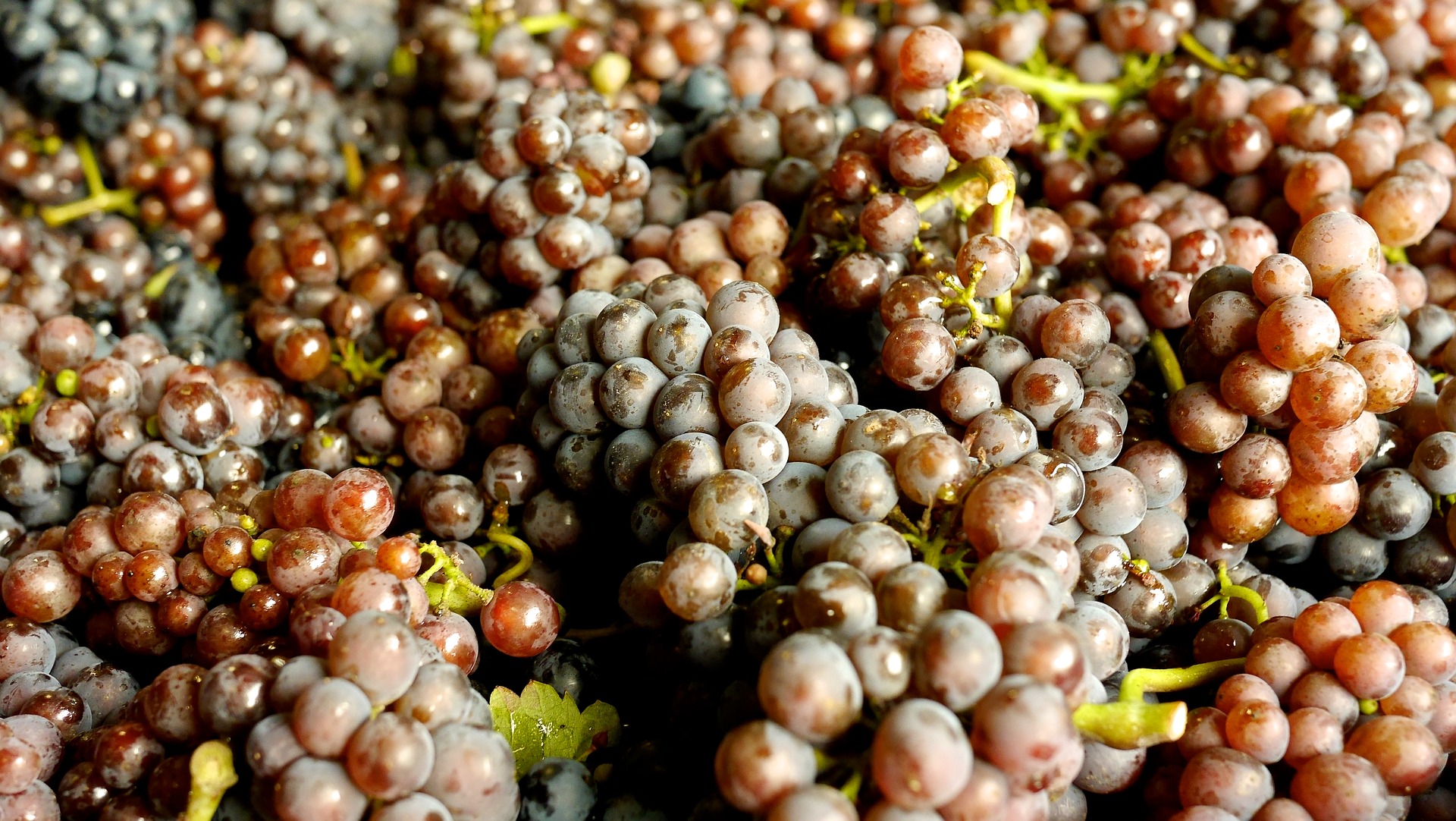
"Whole-cluster fermentation" is frequently adopted in some naturally made wines, such as vin nature.
In particular, producers who are dedicated to "harmony with nature" tend to make wine using this whole-cluster fermentation.
Therefore, if you like naturally made wines, you will need to know about whole-cluster fermentation.
Here, we will share basic knowledge about whole-cluster fermentation.
What Is Whole-Cluster Fermentation?

Whole-cluster fermentation is a vinification method in which grape destemming is not performed, and the skins, seeds, pulp, and stems are macerated together.
Generally, destemming is carried out because macerating stems together extracts green, harsh tannins; however, wine made from whole-cluster fermentation is said to result in a delicate yet structured finish.
Whole-cluster fermentation is a fermentation method often used with Pinot Noir, but as long as the grape variety does not have prominent greenness or harsh tannins, good results can potentially be achieved.
In recent years, whole-cluster fermentation has been actively adopted among producers who want to craft vin nature or as pure a wine as possible.
How Does Wine Change with Whole-Cluster Fermentation?
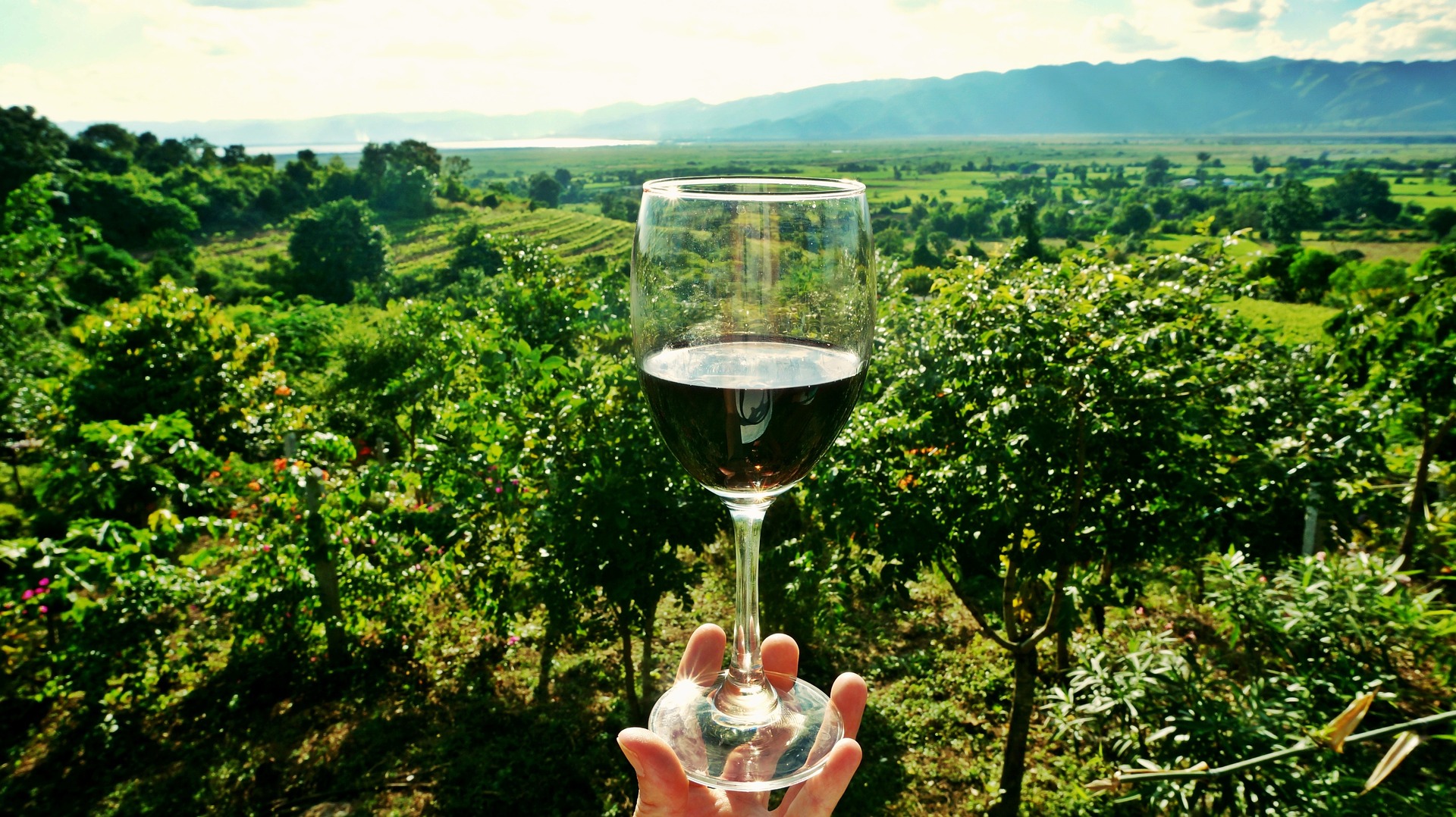
In whole-cluster fermentation, stems that would originally be removed before maceration are macerated together.
What kind of flavor does a wine born from this method have?
Here is a summary of the characteristics of wine made by whole-cluster fermentation.
- Complexity is brought to the aroma
- Depth is added to the palate
- It becomes a structured wine
- It becomes a grand-scale wine
Why do wines finished with whole-cluster fermentation take on these characteristics?
First, because the skins of non-destemmed grapes do not have holes, pigeage (punch-down) becomes necessary when they are placed in tanks or similar vessels, which causes juice to be released little by little from the crushed grape berries.
As a result, maceration occurs under conditions where "fermentation proceeds slowly = fermentation heat rises gently," so various components resulting from alcoholic fermentation influence the wine's aroma and flavor. (The cooling rate is also slow, which also plays a role in creating complexity.)
Some producers even say that it is "the most suitable method for turning the energy of grapes into wine."
From words such as "turning the energy of grapes into wine," one can understand why producers aiming for natural winemaking support whole-cluster fermentation.
The Risks of Whole-Cluster Fermentation
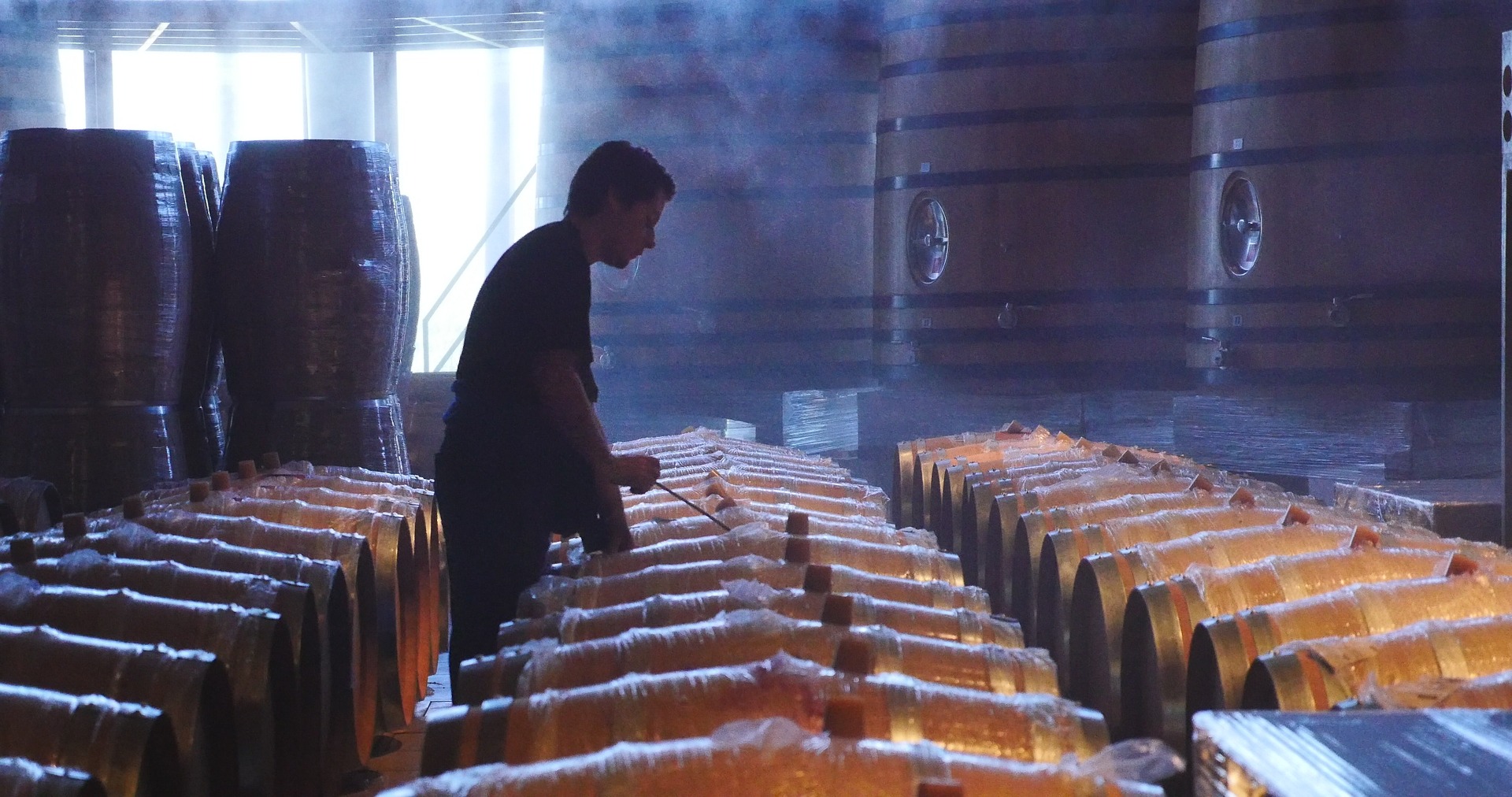
Some people might think, "If whole-cluster fermentation produces excellent wine, shouldn't everyone adopt it?"
While that is certainly true, whole-cluster fermentation is considered a fairly risky production method, and it is thought that it will hardly succeed unless the producer has accumulated extensive experience and research.
For example, putting grapes with stems attached into a tank creates gaps between grape berries, allowing oxygen containing acetic acid bacteria to enter those gaps easily, which increases ethyl acetate levels.
If ethyl acetate rises more than necessary, off-flavors are easily generated, deteriorating the quality of the wine.
Additionally, because potassium contained in the stems binds with tartaric acid, there is a risk that the wine's pH will rise, making it more susceptible to bacteria.
Furthermore, since stems also contain tannins and spicy nuances, if too much of those elements are extracted, there is a danger of finishing a wine with an unpleasant, bitter flavor.
Producers who adopt whole-cluster fermentation must inevitably fight these risks, and it is said that most attempts end in failure.
Wines made from whole-cluster fermentation that are commercially released and highly evaluated can perhaps be regarded as having considerably high quality.
It Also Serves as an Indicator for Finding Good Wine
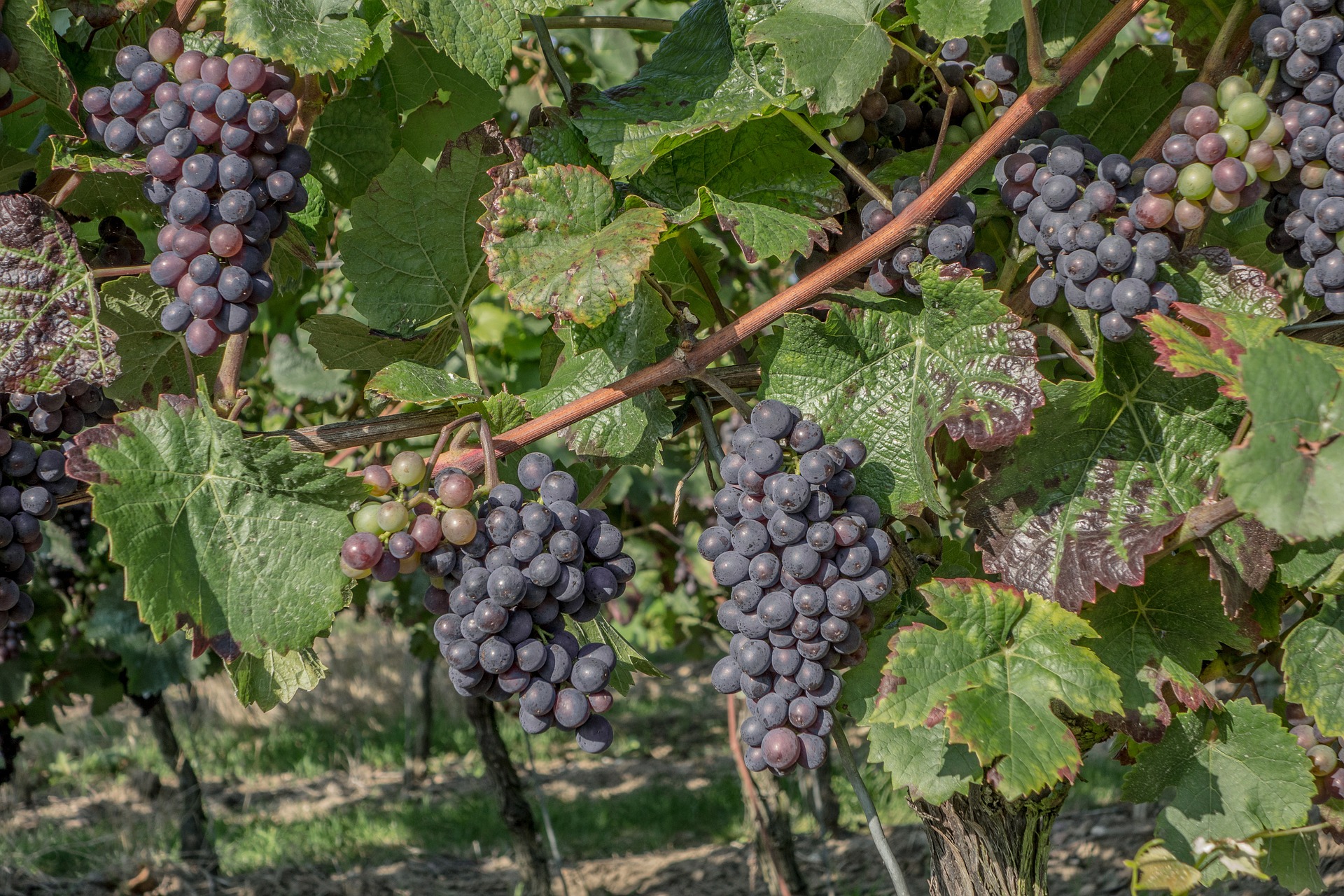
To succeed with whole-cluster fermentation, while scientific knowledge in vinification is basic, it is necessary to hone "sensory" aspects that transcend science.
Furthermore, one must not forget that a prerequisite is using healthy grapes with ripe phenolic components as raw material.
On the other hand, producers who make whole-cluster fermentation successful can be considered to be that much more "trustworthy producers," and one can think that the quality of the wines they craft is guaranteed.
The indicator for finding good naturally made wines, such as vin nature, is "the producer's skill and philosophy."
The approach of seeking out reputable producers who make wine using "whole-cluster fermentation" may be the approach that leads you to your ideal wine.
Let's Try Whole-Cluster Fermentation Wines
In recent years, the number of wines made from whole-cluster fermentation has truly increased.
However, as mentioned earlier, it is also one of the very risky production methods.
Personally, because I love wines such as vin nature, I somehow want to support and drink wines from producers who take on such "risky" challenges.
If you search e-commerce shops with the keyword "whole-cluster fermentation" or ask a sommelier at a wine shop, you are sure to encounter interesting wines.
By all means, please try giving whole-cluster fermentation wines a taste.