

In recent years, it is not high-alcohol wines, but "low-alcohol" wines that have gained popularity.
While there was an era when powerful, fruit-forward wines with high alcohol content were celebrated, delicate, precise, and elegant winemaking has become a global trend.
Now, does the alcohol content in wine fundamentally bring changes to its flavor?
Here, we would like to consider the relationship between alcohol content and wine.
Objective Impressions

Alcohol is produced by yeast during the fermentation process.
Generally, wine has an alcohol content of around 10 to 15%, and wines exceeding 14% tend to be treated as high-alcohol wines (fortified wines aside...).
The objective criteria by which drinkers perceive high or low alcohol levels come down to whether it is "harsh" or "easy to drink," or whether it gets them drunk easily or not.
However, because wine contains a variety of flavor compounds, it is said that whether the alcohol content is high or low has a considerable impact on its flavor.
Just how does alcohol affect wine?
Differences in Perception Depending on Alcohol Content

Experiments on how wine is perceived depending on alcohol content make full use of a process called reverse osmosis.
Using this method, even with the same wine, it is possible to alter only the alcohol content, such as to 15%, 14.5%, or 13%.
According to one experiment where wines differing only in alcohol content were tasted, it was found that the higher the alcohol content, the more the "astringency" and "bitterness" increased.
Furthermore, high-alcohol wines are often described as "hot."
Even when the liquid temperature is actually the same, one gets the impression that water and whiskey have different levels of heat, and the same phenomenon may be occurring with wine.
The Relationship Between Alcohol and Aroma Compounds
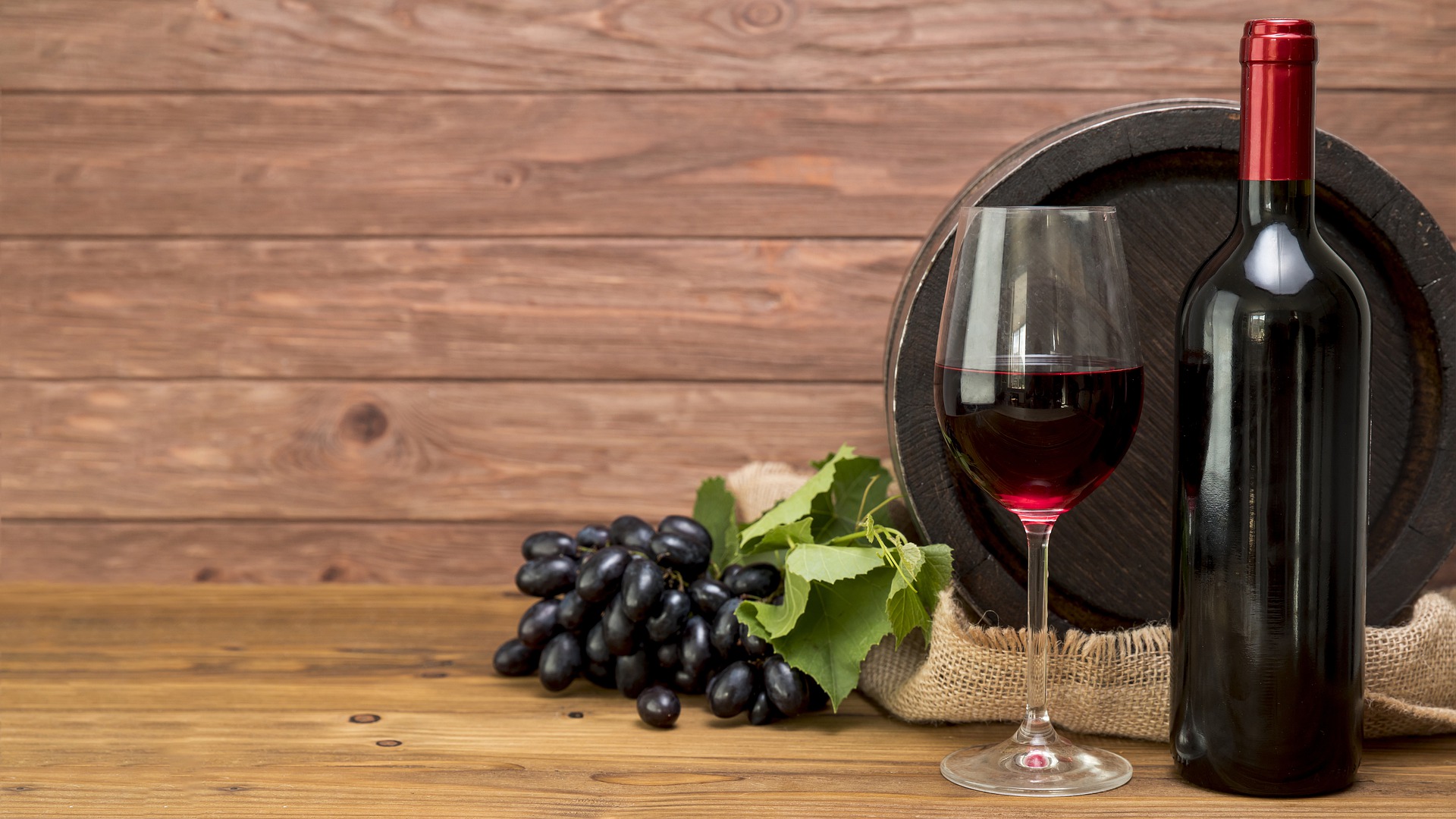
As mentioned at the beginning, there was previously a period when high-alcohol wines swept the market in a way that catered to the preferences of certain wine critics (climate change and the influence of new wine regions were also related factors).
Amid the rising alcohol content of wines across the entire market, a certain researcher studied the effects of alcohol on the sensory perception of red wine.
Then, as mentioned earlier, it was revealed that while it increases bitterness and astringency, it decreases acidity and alters the perception of sweetness.
Does It Lead to a Wine with Less Aroma?

It is known that alcohol acts to alter the solubility of aroma compounds, and it is said that alcohol makes it harder for aroma compounds to be released from the solution (in other words, it results in a wine with less aroma).
According to an analysis conducted in 2000, when alcohol concentration increased from 11% to 14%, the recovery rate of volatile components essential to wine decreased.
From those results as well, wines with higher alcohol content end up having less aroma compared to those with lower levels.
In addition, another study added ethanol to a solution containing nine types of esters adjusted to match the concentrations found in wine.
As the alcohol concentration increased, fruitiness decreased, and it was reported that once it reached 14.5%, fruitiness was completely lost.
The Secret of High-Alcohol, Voluminous Wines

Taking these facts into account leads to the conclusion that "if you value wine aromas, you must not unnecessarily raise the alcohol content."
However, even now, there are still plenty of rich, voluminous wines with high alcohol that are veritable fruit bombs.
In fact, it is known that increasing alcohol concentration boosts scents reminiscent of "black pepper," "wood," and "chemicals," while enhancing viscosity and burning sensations.
Moreover, many red wines with high alcohol content are aged thoroughly in new barrels, and there is a possibility that this is a reason behind their richer impression.
However, it is also possible that they are (or were) crafted through some form of control so that fruitiness is perceived more strongly.
Because wine is complex, experiments conducted in a laboratory may rarely translate directly to reality, but considering that fruitiness is lost at 14.5%... one cannot help feeling puzzled.
Of course, we want to believe that grapes with strong fruitiness that surpasses high alcohol content were harvested, and thinking "that must surely be the case" might be best for purely enjoying wine.
Will a Low-Alcohol Wine Boom Arrive in the Future?!
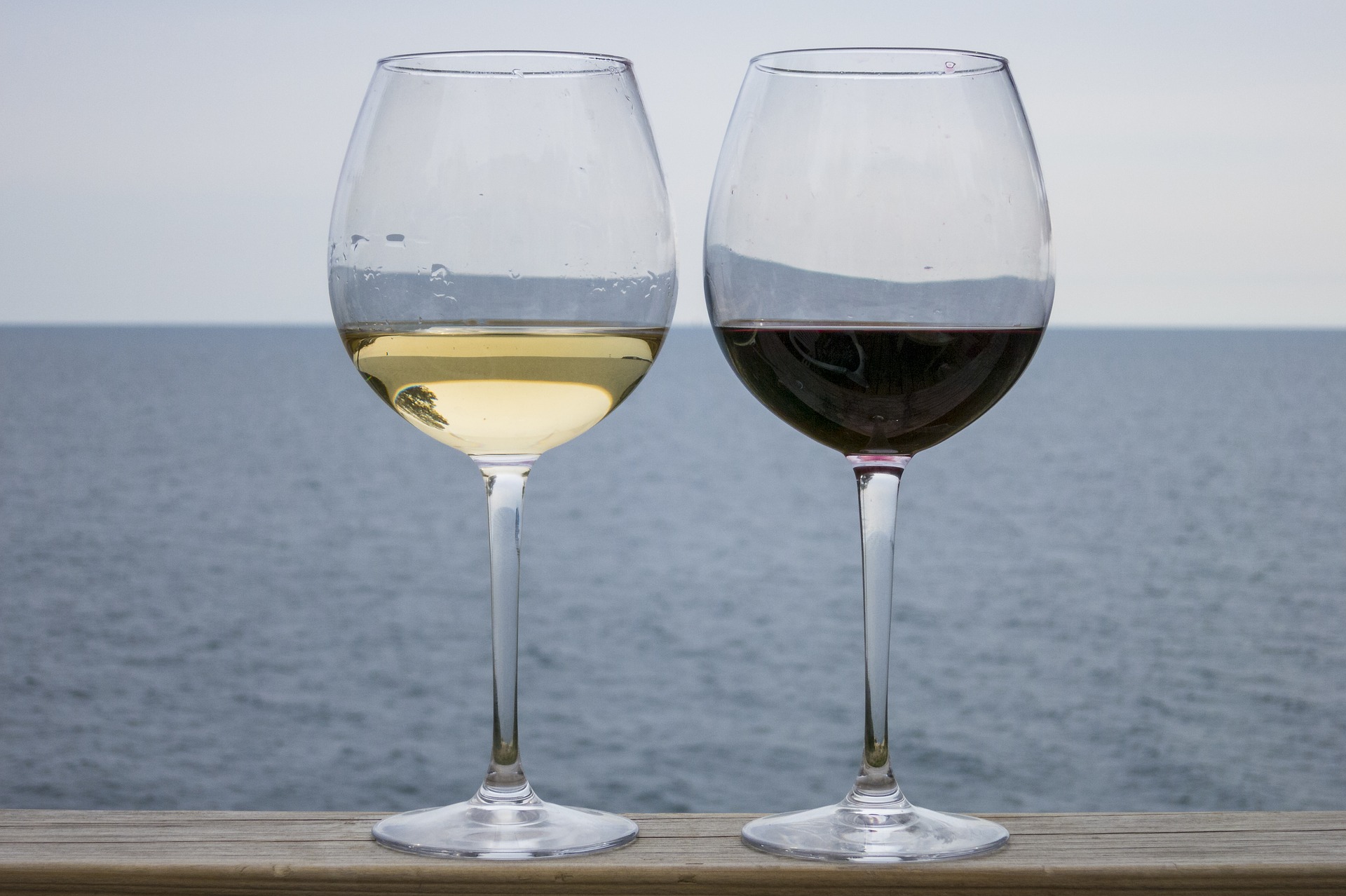
Recently, wines with moderate alcohol levels have become a trend in order to cherish their aromas, but there is likely also the aspect of low-alcohol wines gaining popularity for their health benefits.
In addition to the increase in non-alcoholic wines, Vinho Verde from Portugal, which has an alcohol content of 10% or less, is also growing in popularity (although some have higher alcohol levels).
Japanese wine has historically tended not to have high alcohol levels, and over the past 10 years or so, many high-quality wines turning that into an asset have come to be produced.
In the future, a low-alcohol wine boom might just arrive.
References
The Science of Wine Taste by Jamie Goode, translated by Nobuko Ito