
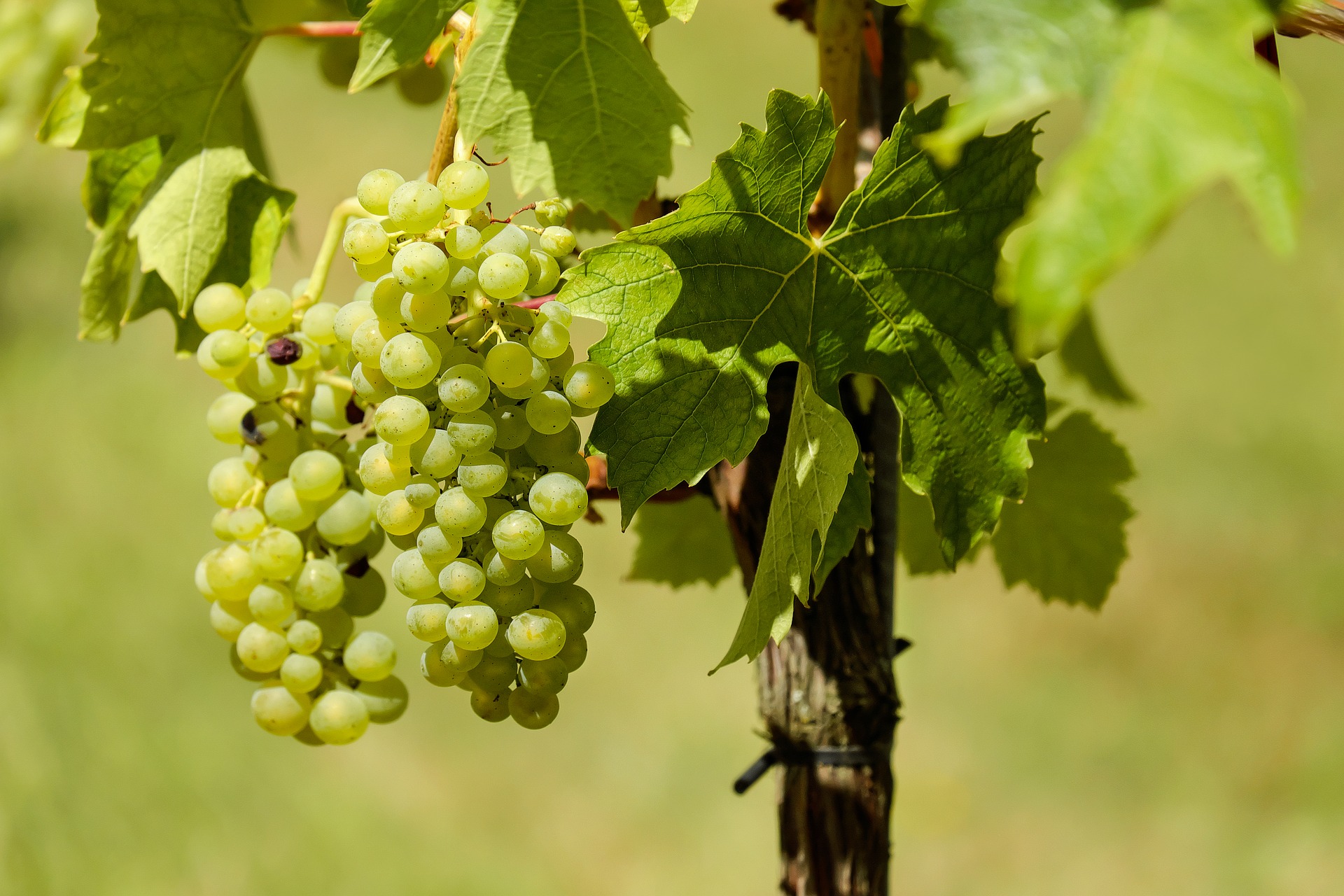
When growing grapes for wine, it is said that choosing varieties suited to the local climatic conditions is essential.
With sayings like "Hokkaido is cool, so the cultivation of German varieties flourishes" and "Shiojiri is humid, so Merlot is of high quality," wine regions across Japan also seem to place great value on the concept of "the right crop for the right land" for grapes.
Even if you consider yourself someone who "doesn't know that much about wine," understanding the relationship between grape varieties and climate will make choosing wine so much more fun.
Here, we have put together a simple summary of the relationship between various climates and the grape varieties suited to those locations.
Please feel free to use it as a reference.
Suitable Grape Varieties by Climatic Characteristics

Climatic classifications in viticulture have been defined in detail by Dr. Winkler of the University of California, Davis.
However, here we would like to explain things more simply by dividing them into characteristics such as...
- Hot
- Warm
- Cool
Let us explain each of these features.
Climatic Characteristic 1: Hot
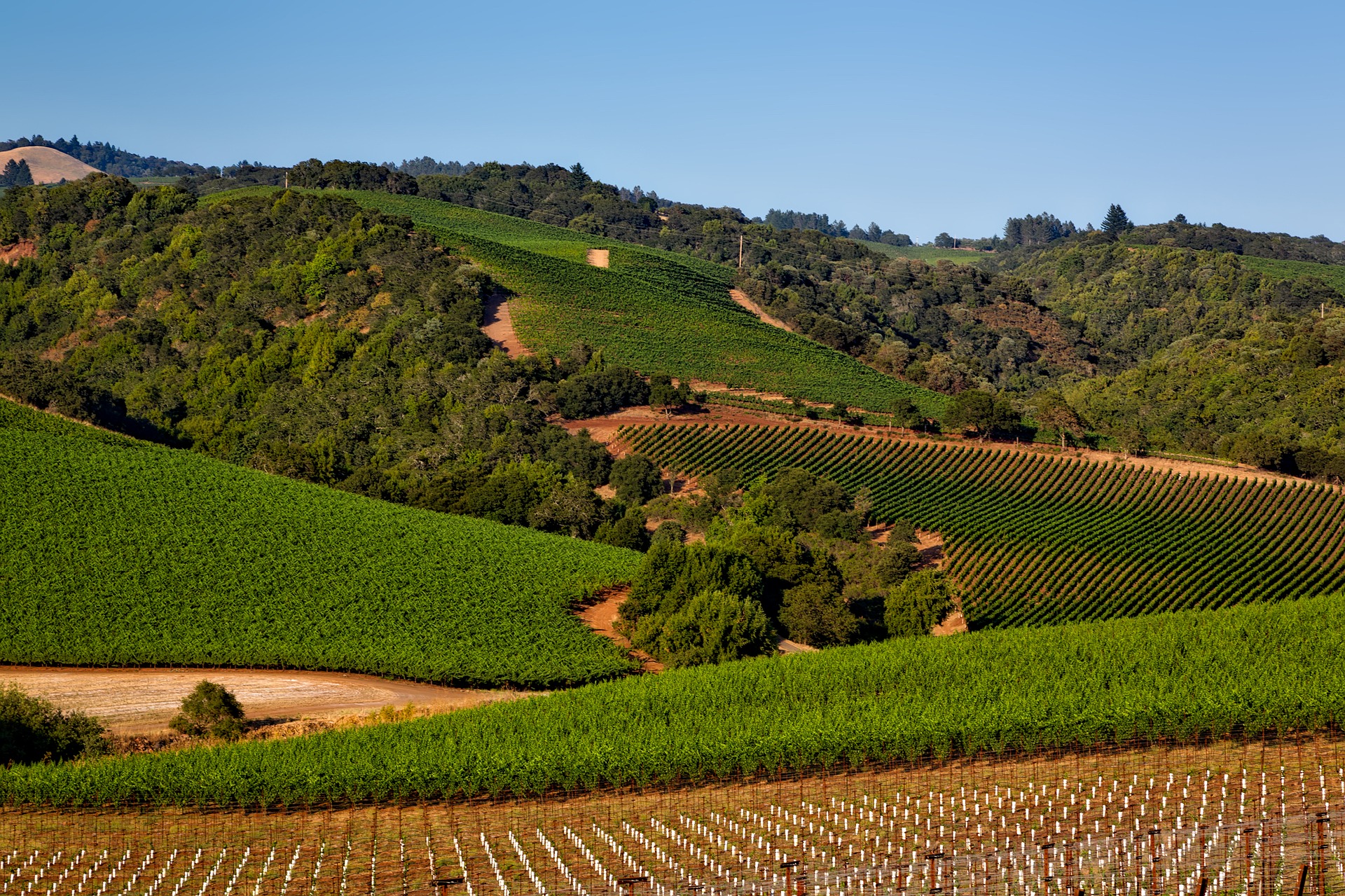
One of the climatic characteristics is "Hot."
However, even within a hot climate, there are "arid regions" and "humid regions," and differences can be seen in the grape varieties suited to each.
Let's look into each of them.
Hot and Dry
Consecutive hot, sunny days followed by cool nights are the hallmarks of a hot, dry climate.
While sustained growing and ripening seasons enable healthy grape cultivation, it is said there are risks such as the need for irrigation or producing wines that lack structure due to overripeness.
Suitable varieties include:
- Grenache
- Mourvèdre
- Sangiovese
- Cabernet Sauvignon
- Malvasia
- Marsanne, etc.
Grapes famous in southern France, Spain, and central to southern Italy seem to be well-suited.
Hot and Humid
Although temperatures are high, these regions are humid with abundant rainfall during the growing season and tend to have slightly less sunshine.
Because diseases are a concern, varieties with thick skins that are resistant to rot are considered best.
Suitable varieties include:
- Tannat
- Petit Verdot
- Vidal
- Petit Manseng, etc.
In Japan, some producers cultivate Petit Verdot and Tannat.
Also, from the perspective of yield, growing thick-skinned varieties that are resistant to diseases seems to be preferred.
Climatic Characteristic 2: Warm
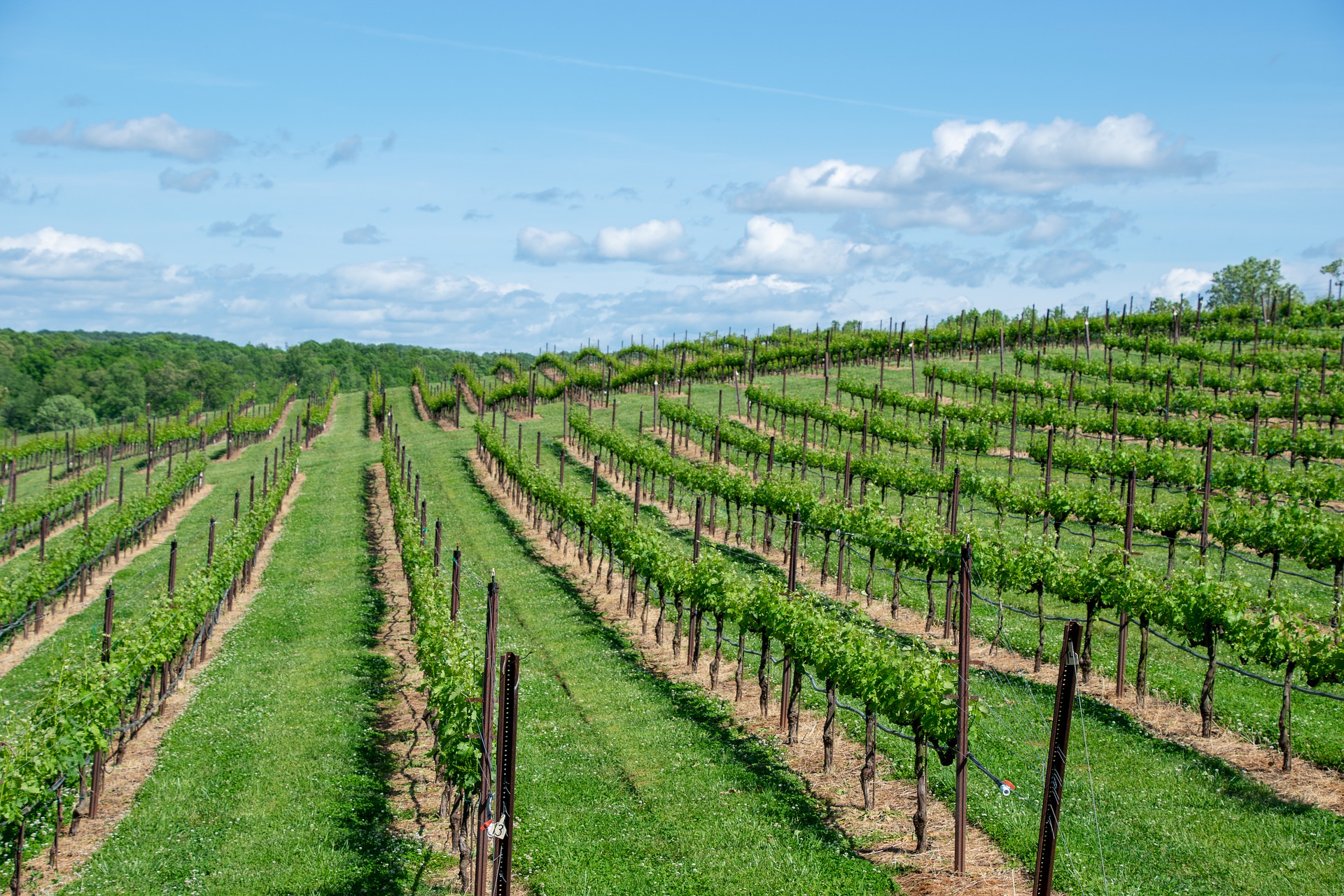
Warm climates sit between tropical and cold climates, characterized by distinct seasonal changes.
Let us explain each: "Dry" and "Humid."
Warm and Dry
A warm and dry climate ranges from warm to hot, featuring hot days and cool nights.
While it is suited to growing a wide range of varieties, it is said that extremely early-ripening or late-ripening varieties should be avoided.
Suitable varieties include:
- Syrah
- Chardonnay
- Tempranillo
- Sauvignon Blanc
- Zinfandel, etc.
Relatively well-known varieties are suited to this climate, and the dryness may be an advantage since there is less concern about disease.
Warm and Humid
A climate characterized by warm daytime temperatures in summer, with night temperatures that do not drop very low.
It is said that rain falls readily and regularly during the growing and harvest seasons.
Suitable varieties include:
- Merlot
- Cabernet Franc
- Viognier, etc.
Many high-quality wines are made in Japan from varieties such as Merlot and Cabernet Franc.
Relatively speaking, many areas in Japan may fall into this "warm and humid" climatic category.
Climatic Characteristic 3: Cool
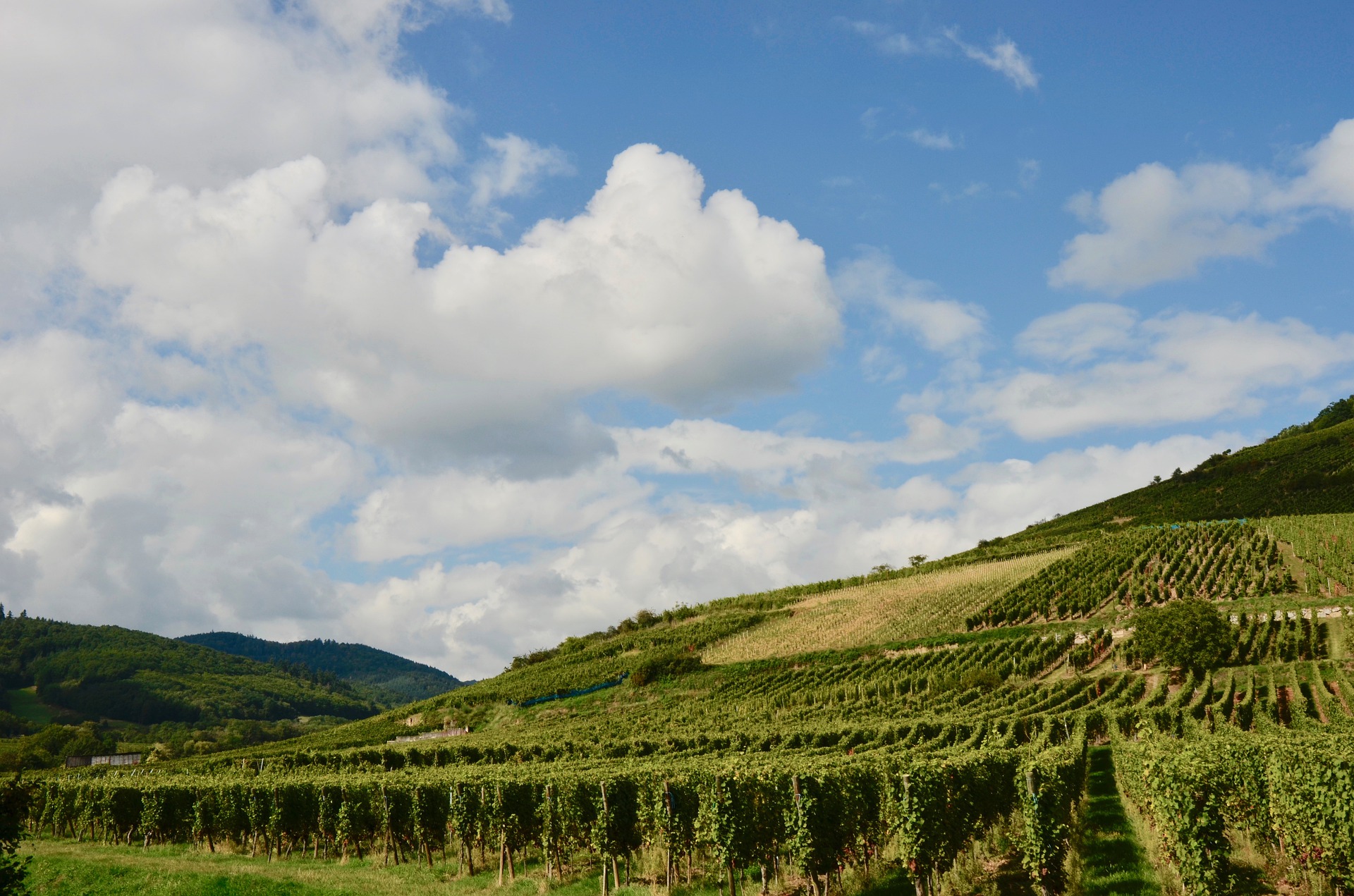
In recent years, many producers have tended to seek out cool-climate regions to make delicate, elegant wines.
Even within cool regions, there are "dry" and "humid" conditions, so let us explain those as well.
Cool and Warm
Warm during the day, yet cool at night.
Strong sunlight and areas influenced by lakes receive ample sunshine, which tends to yield grapes with solid structure.
Basically, early-ripening grape varieties tend to be suitable.
Suitable varieties include:
- Pinot Noir
- Gamay
- Riesling
- Pinot Gris
- Gewürztraminer, etc.
Looking at this, many of these varieties tend to be successful in Hokkaido.
Incidentally, "low precipitation" is also said to be a hallmark of this climate.
Cool and Humid
A climate where daytime is warm, yet nights become cool enough for dew to form.
The growing season is short, and temperatures in winter can drop below minus 20℃.
Suitable varieties include:
- Delaware
- Seyval
- Yamabudo, etc.
Alongside Delaware, Seyval is a grape variety that thrives in Japan.
Hardy grapes capable of growing in harsh environments, including Yamabudo and hybrids, are sought after.
The Intriguing Relationship Between Climate and Varieties
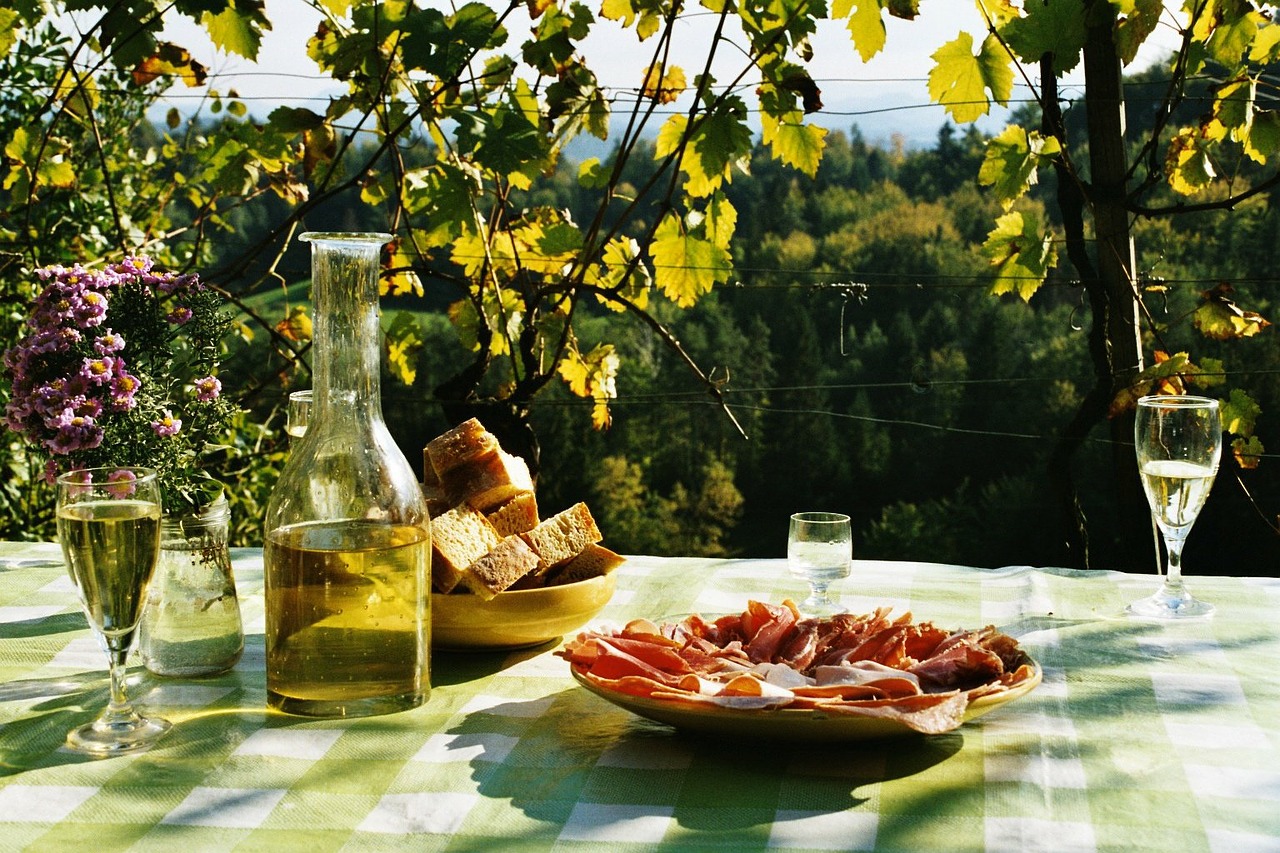
It is generally believed that wine grapes have an optimal "right crop for the right land."
While some producers claim it barely matters, considering that Nebbiolo from Piedmont, Italy, has hardly succeeded in other countries, there is certainly a clear connection.
While not an absolute rule, just knowing these pairings should make choosing wine much more enjoyable.
By all means, keep this in mind as a foundational guide.
References
From Vines to Wines: The Complete Guide to Growing Grapes and Making Your Own Wine, by Jeff Cox