

JULIA is a counter-only restaurant.
It is a renowned establishment in Gaienmae where guests can enjoy creative dishes alongside pairings centered around wine.
While the restaurant previously dealt mainly in overseas wines, they are reportedly now shifting to make Japanese wine their primary focus.
We spoke with Kenichiro Motohashi, owner and sommelier of JULIA, about the reasons behind this shift and his thoughts on Japanese wine.
The Reason for Serving Japanese Wine
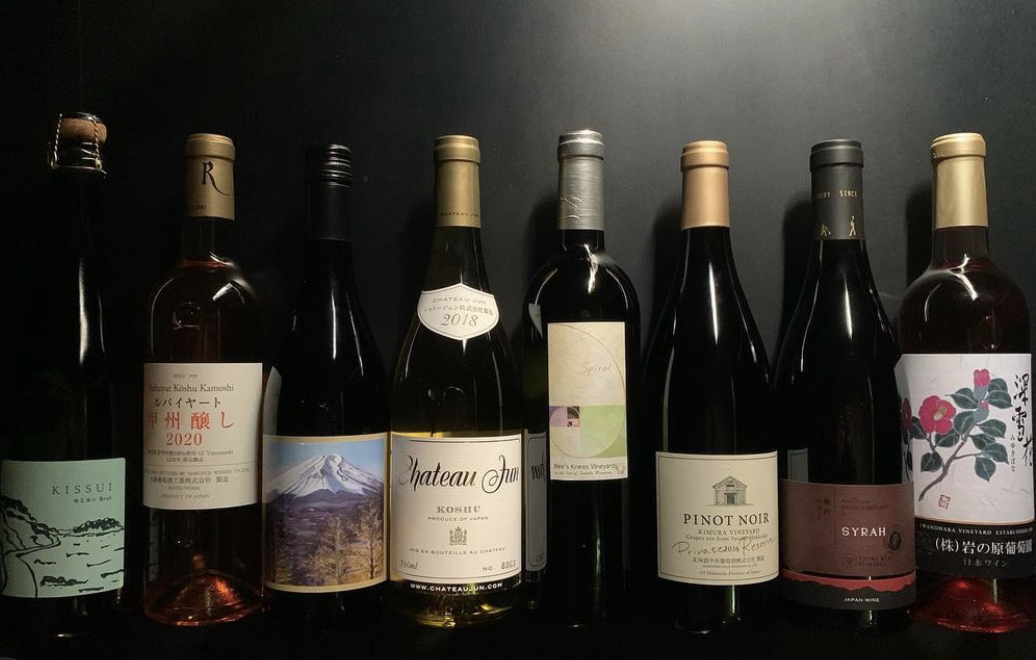
JULIA has handled wines from countless renowned wine regions. Why did they make the shift to Japanese wine?
— Motohashi
To tell the truth, I had wanted to work with Japanese wine for a long time. When dining overseas or working as a sommelier, people often ask me, "Isn't there any local wine from Japan?"
Because of that, I continually kept the concept in mind that I wanted to offer Japanese wine someday.
However, to carry Japanese wine in a restaurant, the hurdles were quite high in various ways, such as transactional circumstances and having to discover the wineries themselves before establishing connections.
Amid all that, through our encounter with CruX Co., Ltd., we became able to steadily source and serve Japanese wine.
A Commitment to Domestic Ingredients
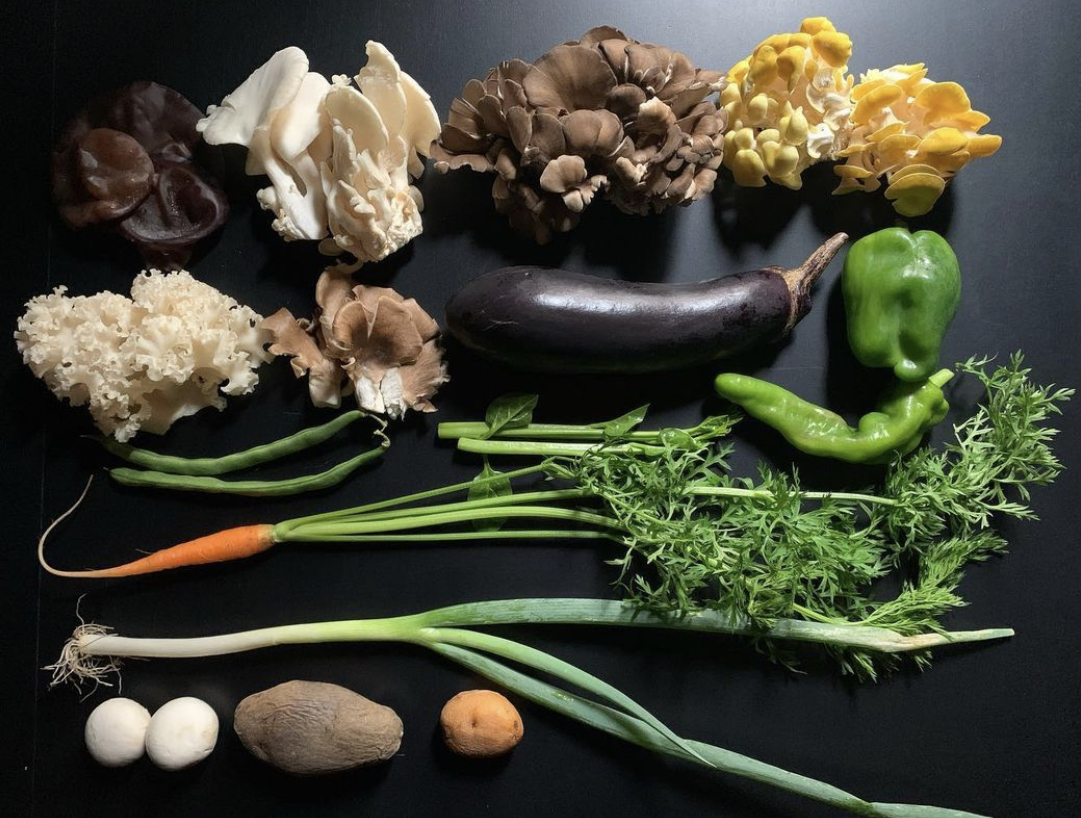
JULIA is dedicated to using domestic ingredients.
Motohashi says that this dedication is also one of the reasons they serve Japanese wine.
— Motohashi
Back when I was working at a Michelin one-star restaurant in New York, I was advised that if I ever opened my own place, I should serve cuisine that cherishes the local region, using local ingredients.
Since I am originally from Ibaraki Prefecture, about 80% of the meat, fish, and vegetables we source at JULIA come from Ibaraki. In addition, for things like salt and brown sugar, we use products from Okinawa Prefecture, with which I also have personal ties.
Connecting back to what I said earlier, while committing this much to domestic ingredients, I had felt a sense of incongruity for a long time about the wines being imported.
Now, I am grateful that we can freely assemble a diverse lineup, including serving Japanese wine proposed by Mr. Nishiura of CruX.
By the way, before the COVID-19 pandemic, overseas guests accounted for half of our visitors, and even among them, they were delighted whenever we served Japanese wine.
When we go to Hawaii, we don't really want to eat Hawaiian-style nikujaga, right?
If someone visits Japan, serving Japanese ingredients and Japanese wine must surely be the very best choice.
Japanese Wine Can Compete Globally
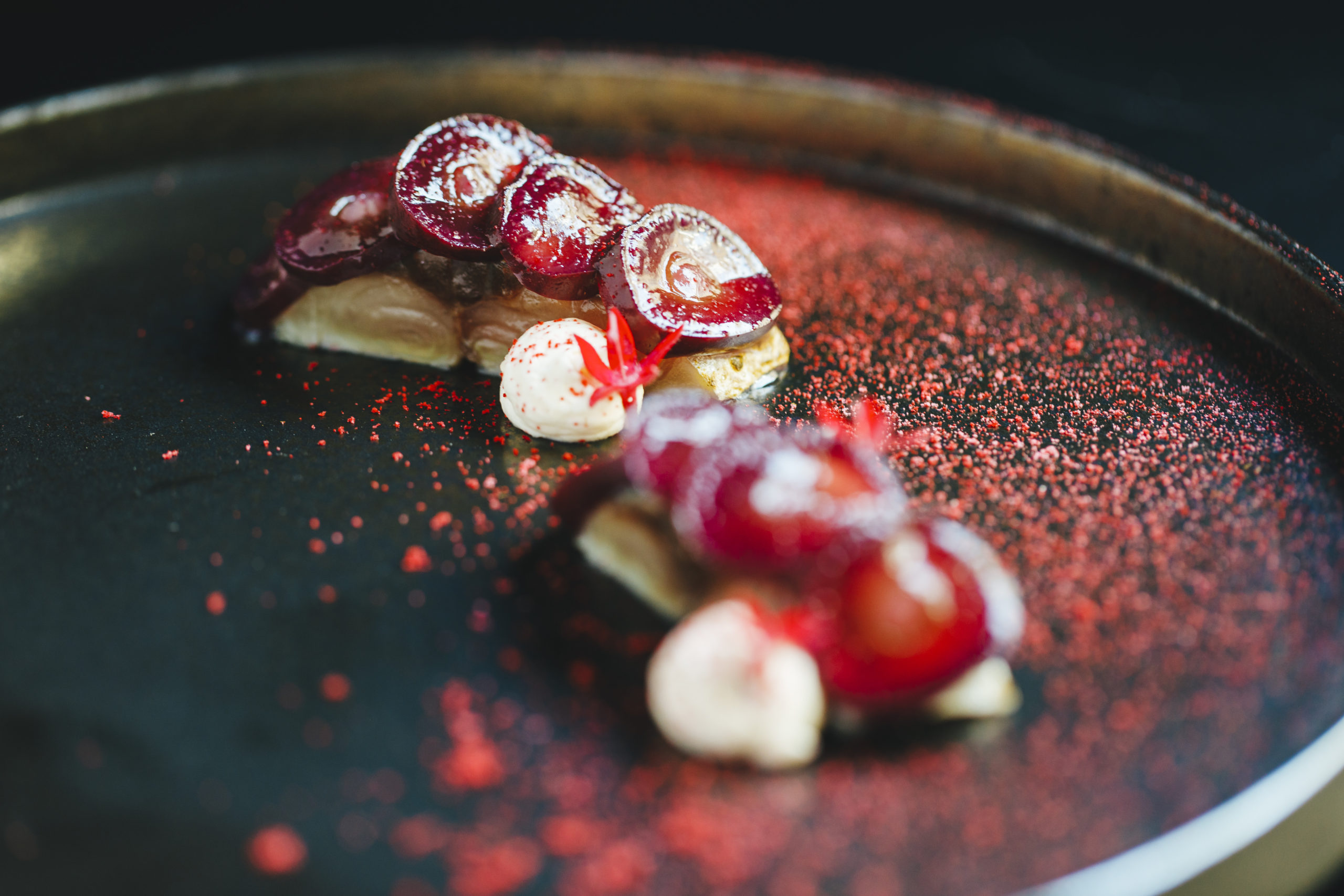
Speaking of JULIA, it is a restaurant that offers a monthly pairing course. Within this format, Motohashi says he wants to convey that Japanese wine can compete on the international stage as well.
— Motohashi
Rather than being a place where guests come for a once-a-year luxury, JULIA aims to be a restaurant they can visit once a month as a personal reward.
Since the pairing course changes monthly, we change the Japanese wine we offer from time to time as well, and there is no guarantee that a wine available this month will still be in stock next month.
I want guests to make new discoveries every time they visit JULIA.
For example, our restaurant does not serve dishes that use miso or soy sauce. Using these would result in overseas-style Japanese cuisine, transforming it into something Westernized.
Furthermore, by pairing such dishes with Japanese wine, I believe it is important to pleasantly confound the expectations of those who used to think, "Japanese wine, really...?"
I want to actively convey the message that "Japanese wine is wine that can hold its own internationally."
Proudly Committing to Japanese Wine Alone
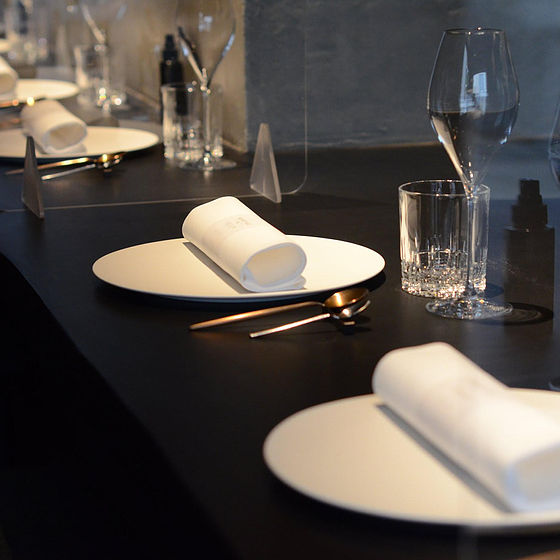
At JULIA, alongside general guests, there are reportedly many visitors from the food and beverage industry, including sommeliers. Motohashi says he wants to share Japanese wine with those people as well.
— Motohashi
People from the food and beverage industry come to JULIA finding it intriguing and expecting something unexpected to appear.
Even among sommeliers, many are unfamiliar with Japanese wine, so going forward, I'd like to convey to them things like, "There are wonderful wines like this right in your own local area."
In addition, there are almost no restaurants in Japan that offer pairing courses exclusively with Japanese wine.
"JULIA will move forward using only Japanese wine."
I think it would be fascinating if we can proudly carry on with this style and share it not only within Japan, but across the world as well.
Enjoy the Appeal of Japanese Wine
From speaking with Kenichiro Motohashi of JULIA, we learned that it is important to rediscover and enjoy "the virtues of Japan and the virtues of the local region."
Motohashi's words resonated especially deeply: "While I am committed to domestic ingredients, I don't greedily source from all over the place. I focus on places where I have roots, like Ibaraki and Okinawa Prefecture. I want to use ingredients I've focused on from there and build the future together with the producers."
Instead of only enjoying Japanese wine on its own, pairing it with unique courses like these will surely allow you to notice new charms inherent to the wine.
Why not experience the profound depth and fascination of Japanese wine for yourself at JULIA?
Reference
JULIA
1F Allee de Jingumae, 3-1-25 Jingumae, Shibuya-ku, Tokyo
Inquiries: 03-5843-1982
*By reservation only