
KNOWLEDGE
Are There Different Types of Wine Bottles? Learn About the Role of Wine Bottles, Too!
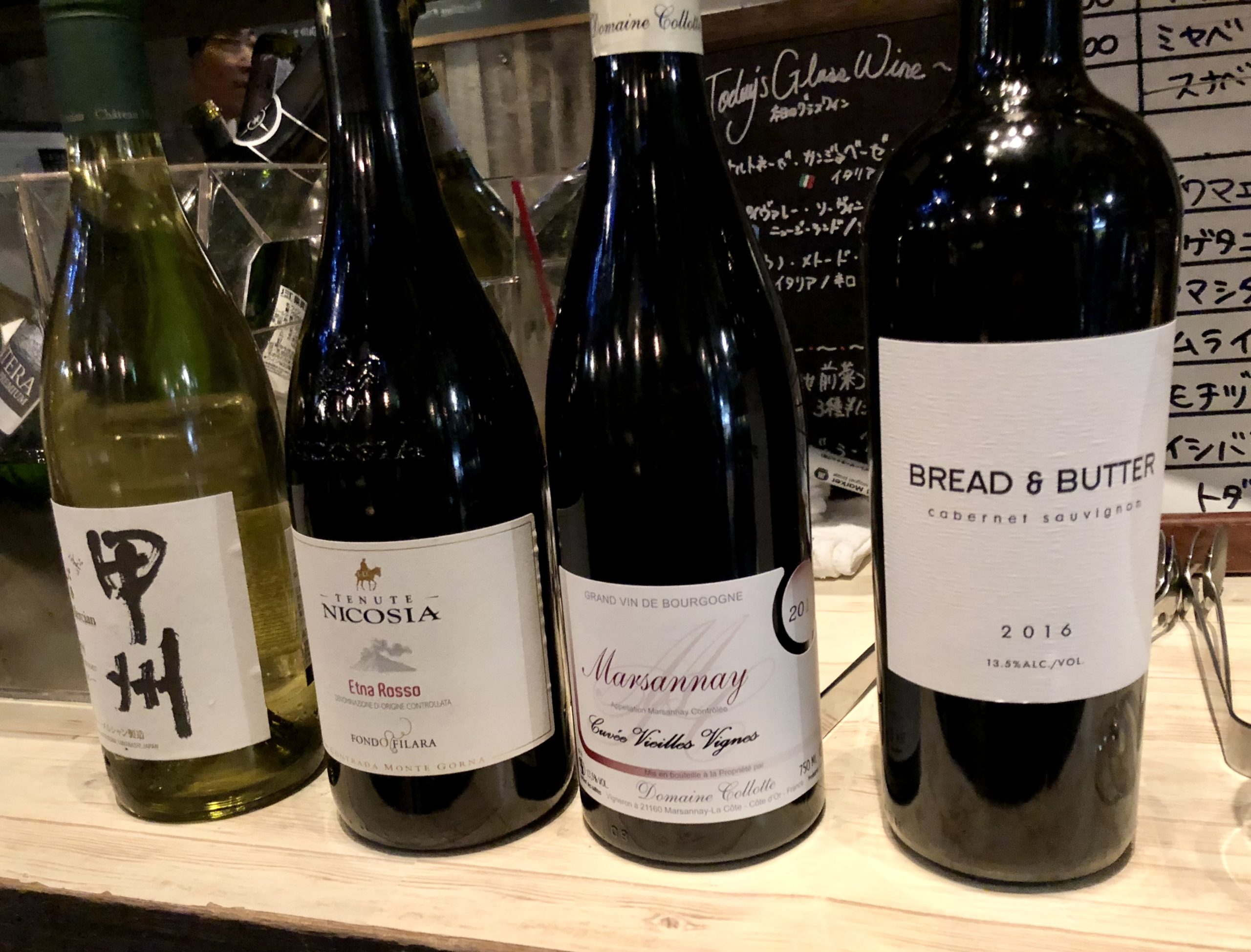
When you think of the container that wine comes in, it is that glass bottle. Yes, that thing commonly known as a "wine bottle." If you are a wine beginner, you have probably wondered why there are differences in the shapes and colors of wine bottles.
When you think of the vessel that holds wine, it's that glass bottle.
Yes, commonly known as“wine bottles”—that is what they are called.
If you are a wine beginner, you might wonder why there are differences in the shapes and colors of wine bottles.
Here, I would like to briefly explain the bottle used for wine, the“wine bottle”.
The origins of the wine bottle trace back to the qvevri
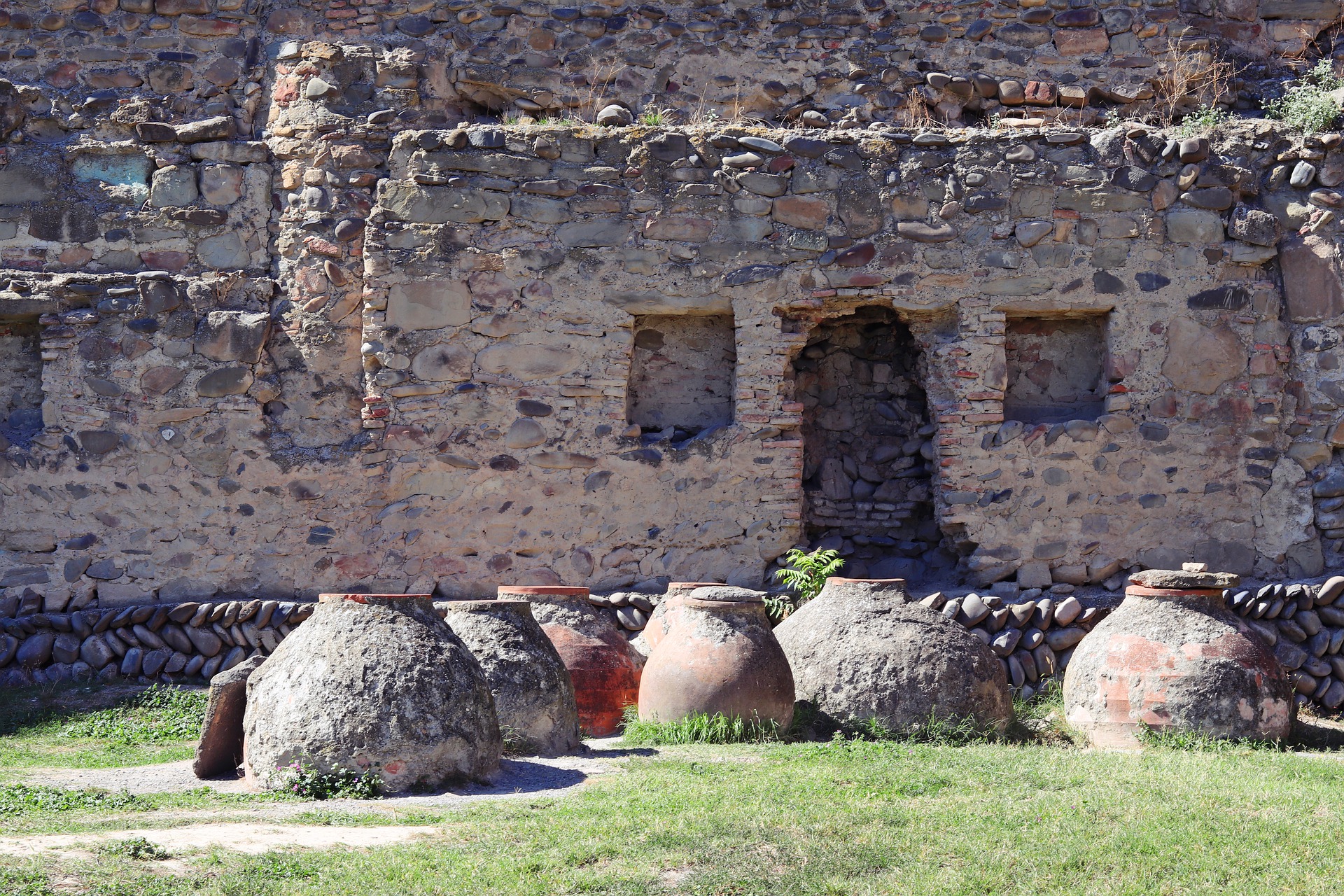
It is said that the history of wine preservation began with large clay vessels,“Qvevri,”which were used to store wine in ancient Georgia.
Later, amphorae invented by the Egyptians became popular as they were suitable for maritime transport, but over time, wooden wine barrels came into use because they made land transport easier.
Glass bottles were apparently not adopted at the time because they broke easily, but gradually it became possible to manufacture thick and durable glass bottles, and owing to theirease of sale and consumption, wine came to be packaged in glass bottles as it is today.
The purpose of a wine bottle is safe preservation and storage
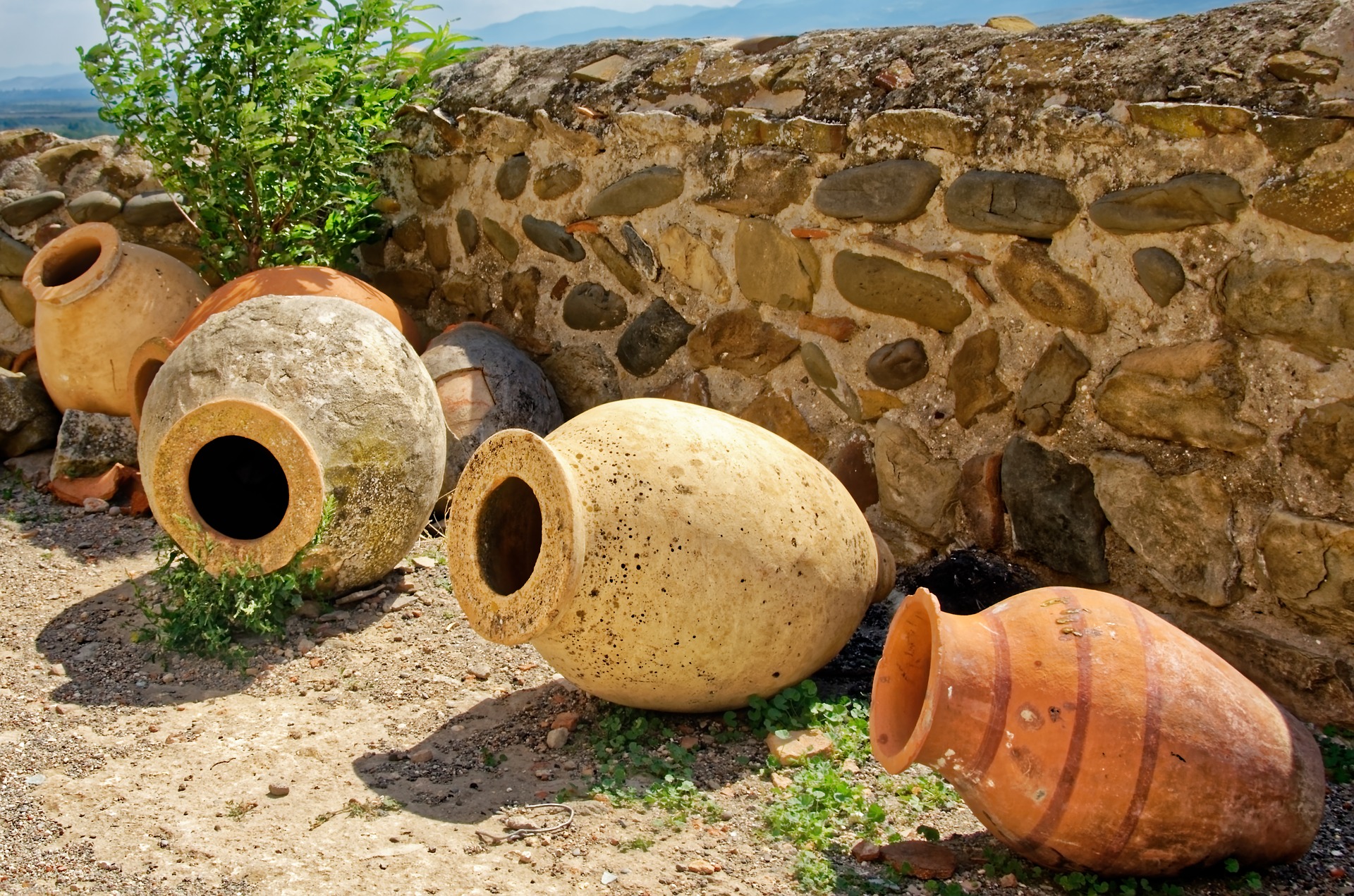
As will be described in detail later, wine bottles come ina wide variety of types.
Although wine bottles exist in a wide variety of shapes, it is generally thought that rather than aiming to improve wine quality, these shapes are simply the result of traditional glassmaking techniques handed down in each region... (Though sparkling wine bottles might be a slightly different case.)
In other words, the purpose of a general wine bottle isto preserve and store wine properly, and they are not manufactured so that placing wine inside them will improve its quality,or so it seems. (Here, we will ignore natural corks, synthetic corks, and screw caps.)
Conversely, however, there is no doubt that they are designed and manufactured so that the winedoes not suffer quality degradation.
We will explain quality maintenance in wine bottles in detail later, so please check it out if you are interested.
Types of wine bottles
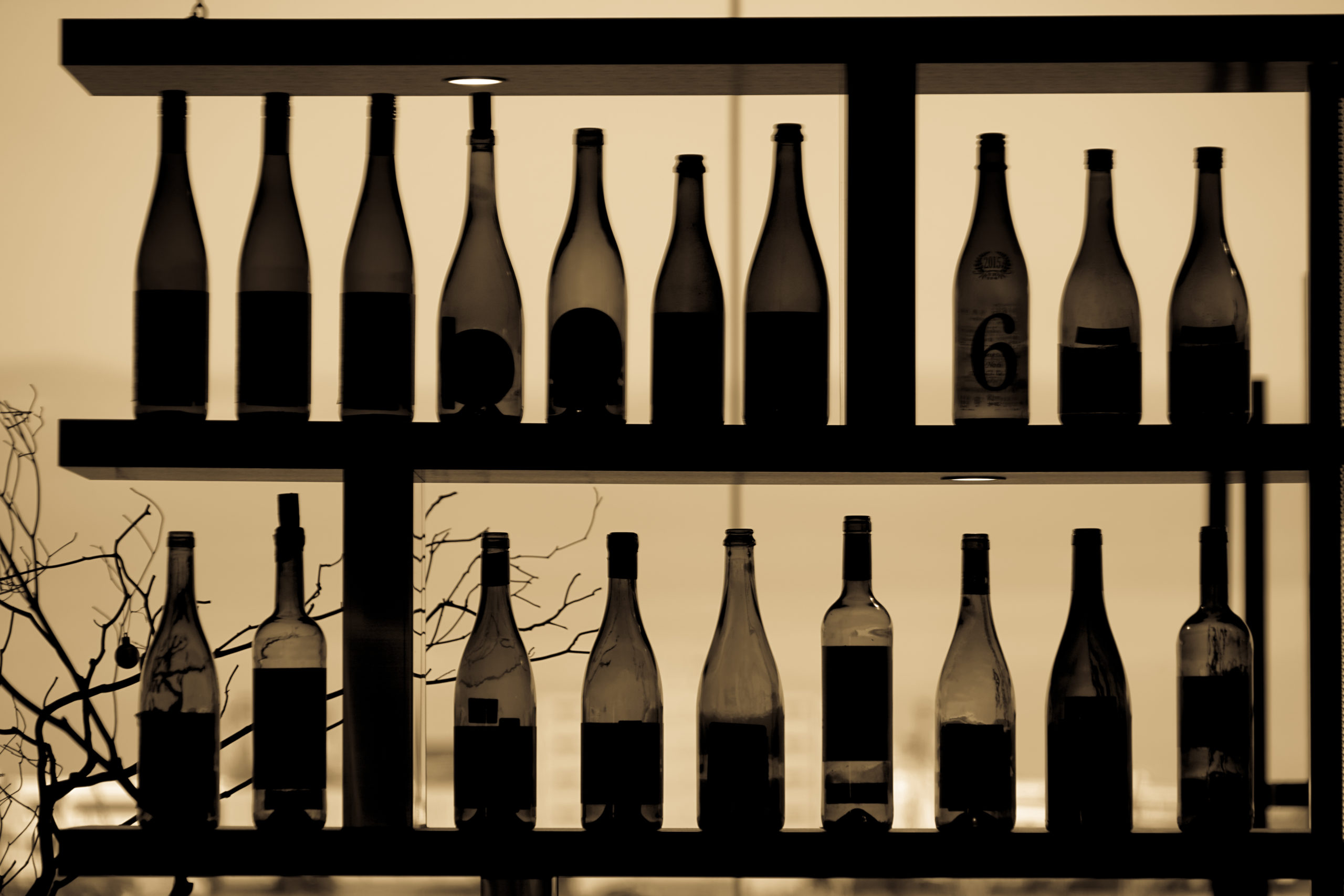
From here, I will share information about thetypes of wine bottles generally in circulation.
Bordeaux Bottle
A wine bottle often seen with Japanese wine is theBordeaux bottle.
It is characterized by a cylindrical shape with high, sharp shoulders.
You tend to see it often with slightly deeper-colored, full-bodied red wines made from varieties like Cabernet Sauvignon, Merlot, and Malbec, as well as white wines made from varieties known in Bordeaux such as Sauvignon Blanc.
Burgundy Bottle
Widely used for Burgundy-style wines made with varieties such as Pinot Noir and Chardonnay is theBurgundy bottle.
This bottle is characterized by a conical shape with gently sloping shoulders rather than high, sharp shoulders.
Even among Japanese wines, this bottle is often seen in wines from producers aiming for a delicate yet distinct style like Burgundy.
Alsace Bottle
Among the many bottles, the tallest one with gently sloping shoulders is theAlsace bottle.
Because of its slender, delicate appearance, it gives a somewhat stylish impression. (Personal opinion.)
Alsace is a wine region located in eastern France, and Alsace bottles are also said to be called Germanic bottles.
This bottle tends to be used often for wines made from German grape varieties, starting with Riesling.
As a fun side note, Alsace Rieslings often come in brown bottles, while German Rieslings often come in green ones.
Provence Bottle
Although not seen very often in Japanese wine, another bottle type is theProvence bottle.
Provence is a representative wine region in Southern France and a resort area famous for its rosé wines.
In a word, the shape of the Provence bottle is characterized by an elegant style resembling a bowling pin or a corset.
It could be called a unique bottle that somehow puts you in a cheerful mood.
Champagne (Sparkling Wine) Bottle
The shapes ofChampagne (sparkling) bottlesused for Champagne and sparkling wines vary widely, including shapes like sloping-shouldered Burgundy bottles, unique shapes like Prosecco bottles, and decorative ones.
However, one thing they all have in common is that they arethick and heavy.
Sparkling wines, especially those produced through secondary fermentation in the bottle, have high gas pressure, so thin, fragile glass bottles could risk bursting and exploding.
It is good to remember that Champagne and sparkling wine bottles are heavy.
Wine Bottle Colors and Quality Preservation
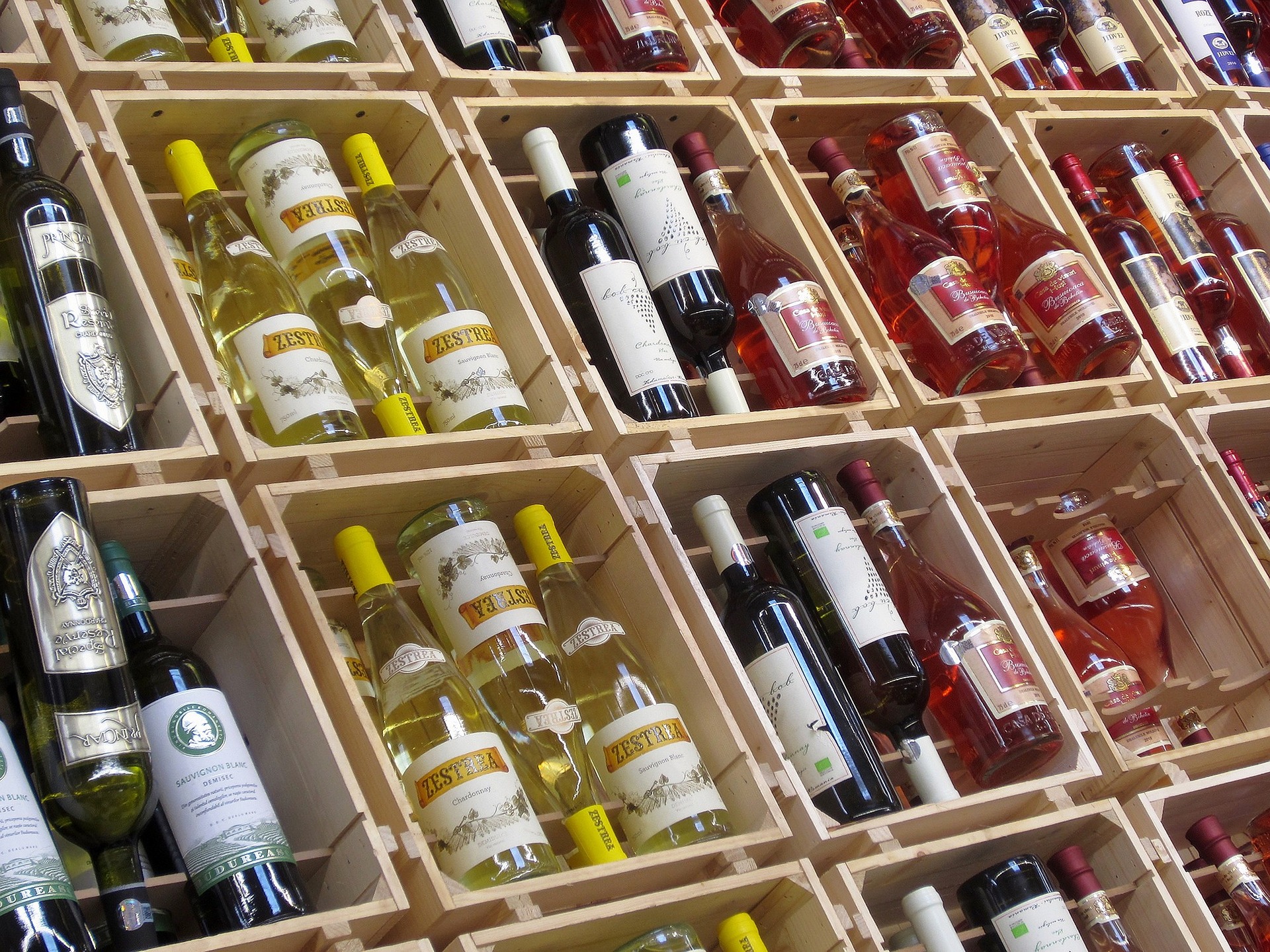
We have discussed the types of wine bottles, but what actually affects the wine inside the bottle is thought to be“the bottle color”rather than the shape.
As you probably know, wine bottles come in a variety of colors.
They are highly diverse, includingblack, brown, green, and clear(and even gold or silver...).
As mentioned earlier, wine bottles are manufactured to maintain the quality of the wine, socolor is considered a very important factor.
For example, advice on storing wine such as,“Store out of sunlight, preferably in a dark place. If possible, in a wine cellar...”is extremely famous.
The reason is that when wine is exposed to light, a component called riboflavin is excited by light,causing sulfur-like off-odor substancesto form, as reported in studies.
This is also true for Japanese rice wine and beer.
If possible, choosing a wine bottle color that does not easily transmit light is considered important for preserving quality.
Why clear bottles are used
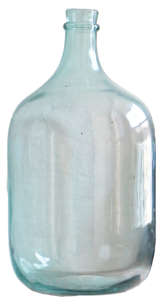
For most red wines around the world, including France,brown or green bottlesare used.
Naturally, this is to avoid the aforementioned light impact.
Although brown or green bottles are also widely used for some white wines,it feels like clear or light green bottles are still more common.
In fact, for white and rosé wines,showing the “color of the liquid” is important…is a common way of thinking to showcase the wine's original beauty to consumers.
Lately, many producers seem to use clear bottles even for red wine, but personally, this might also be related to the increase in wines meant to be drunk young. (Though it could also be due to budget issues, or simply not giving it much thought.)
Light green bottles are used for some white wines, and it is said that they are used with the aim of promoting freshness.
At any rate, regardless of the color, as the helpful advice goes, wine should be storedwhere it is exposed to light as little as possible.
It is also interesting to seriously consider wine bottles

When you learn about wine bottles,surprisingly, it can even influence how you choose a wine shop.
For example, if you encounter a shop displaying white wine in clear bottles under glaring fluorescent lights, you will begin toquestiontheir quality control.
Overthinking is not good, but through how wine is handled, whetherthat shop truly cares about wine or not,is a factor you will be able to consider.
When learning about wine storage methods, looking into why certain advice is given is surely another way to enjoy wine deliciously, isn't it?
References
About the author