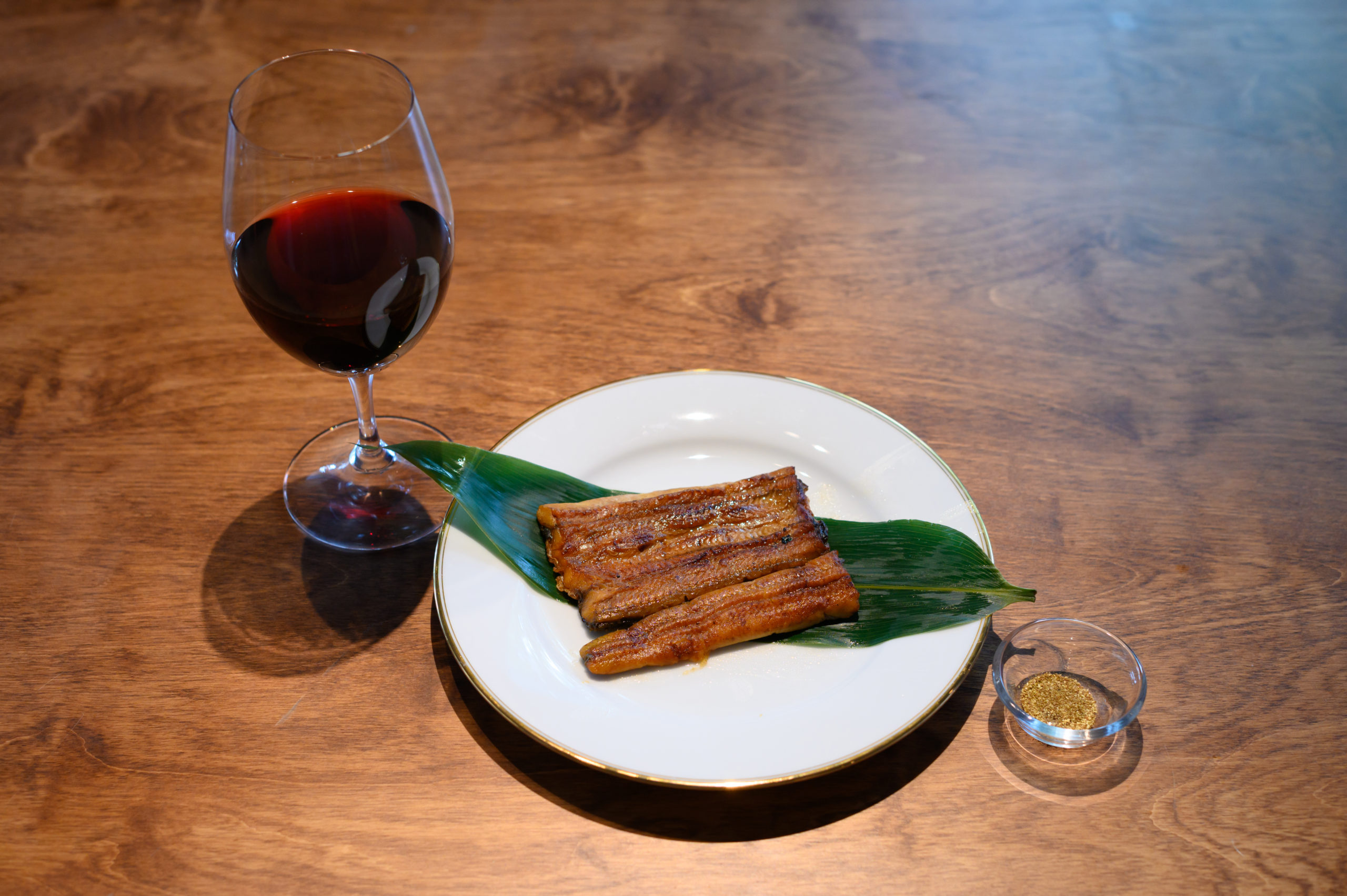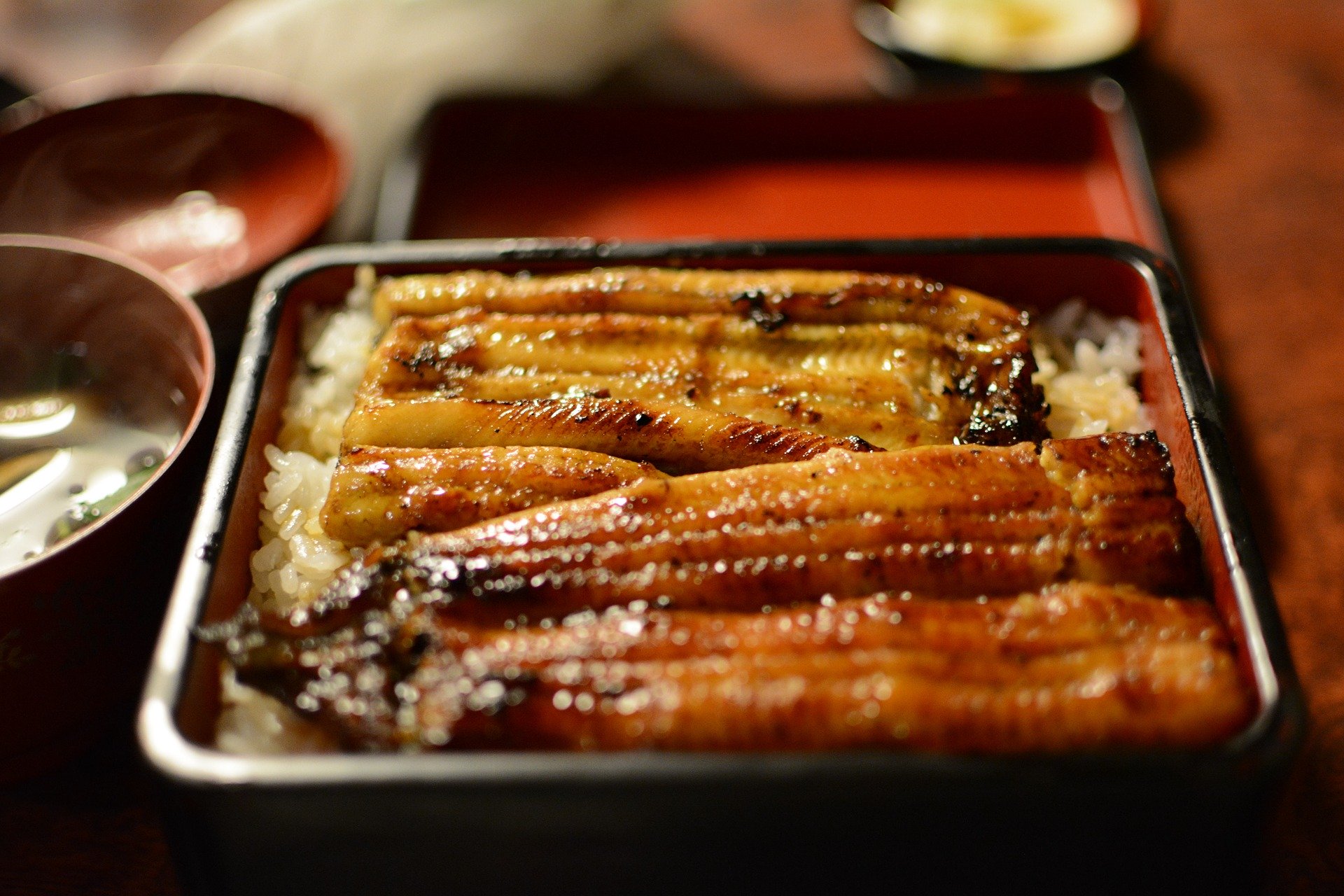
Eel and wine.
Hearing that, many people would probably think, "Is such a combination even possible?"
It certainly evokes an image where the unique flavor of eel clashes with delicate wine.
However, depending on the quality of the eel and the choice of wine, it can become an exceptional pairing.
Here, let us explore the pairing of "eel and wine."
Is Wine with Eel a Classic Combination?
To begin with, eel and wine are a classic pairing even in Europe.
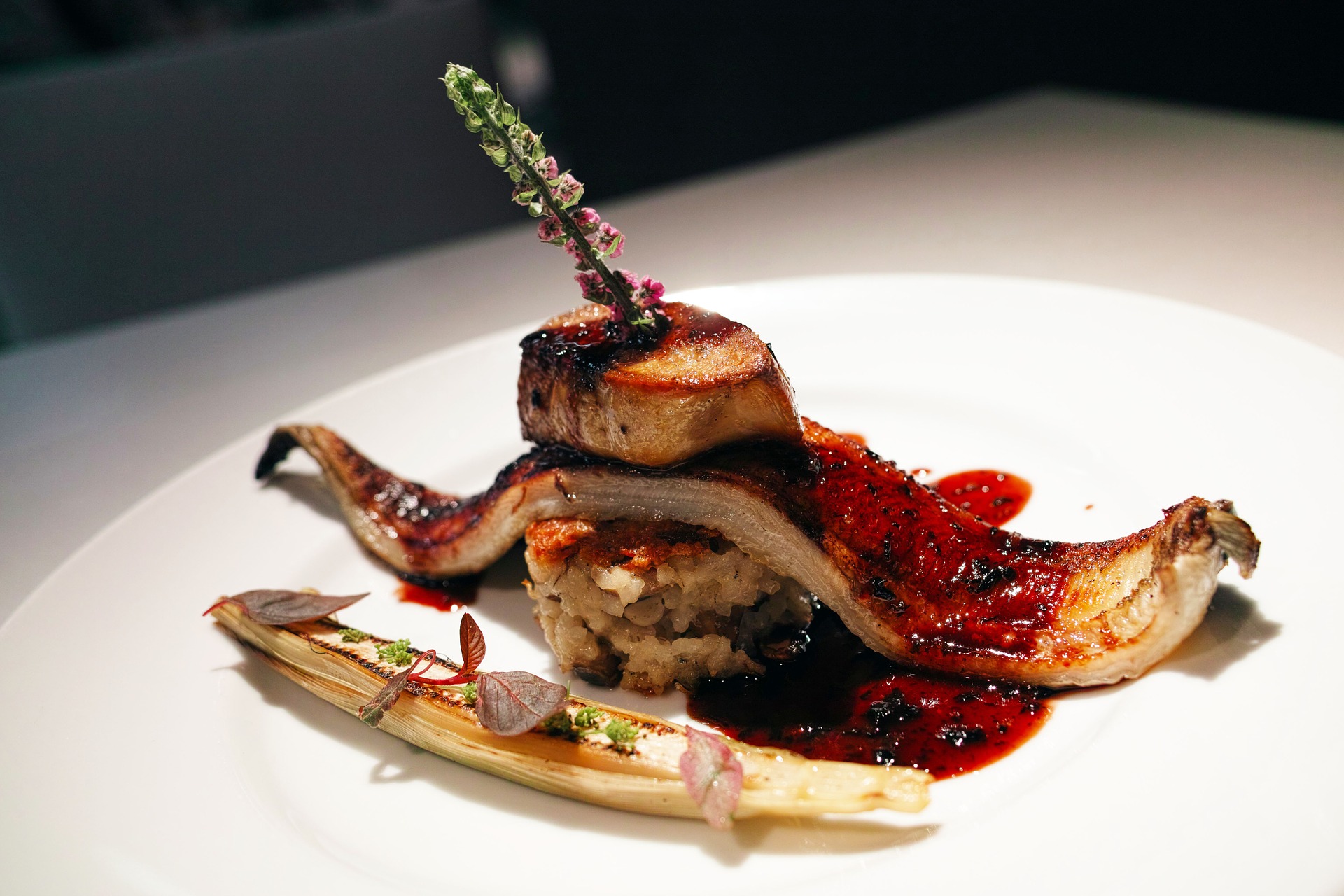
In the Loire and Bordeaux regions, dishes like "eel stewed in red wine" exist, and it is said to be a pairing beloved by many French people.
In addition, France boasts a wide variety of eel dishes, such as sautéed eel and fried eel...
To the French, eel might be an ingredient even more familiar than it is to the Japanese.
Is Wine with Unagi Kabayaki Difficult...?
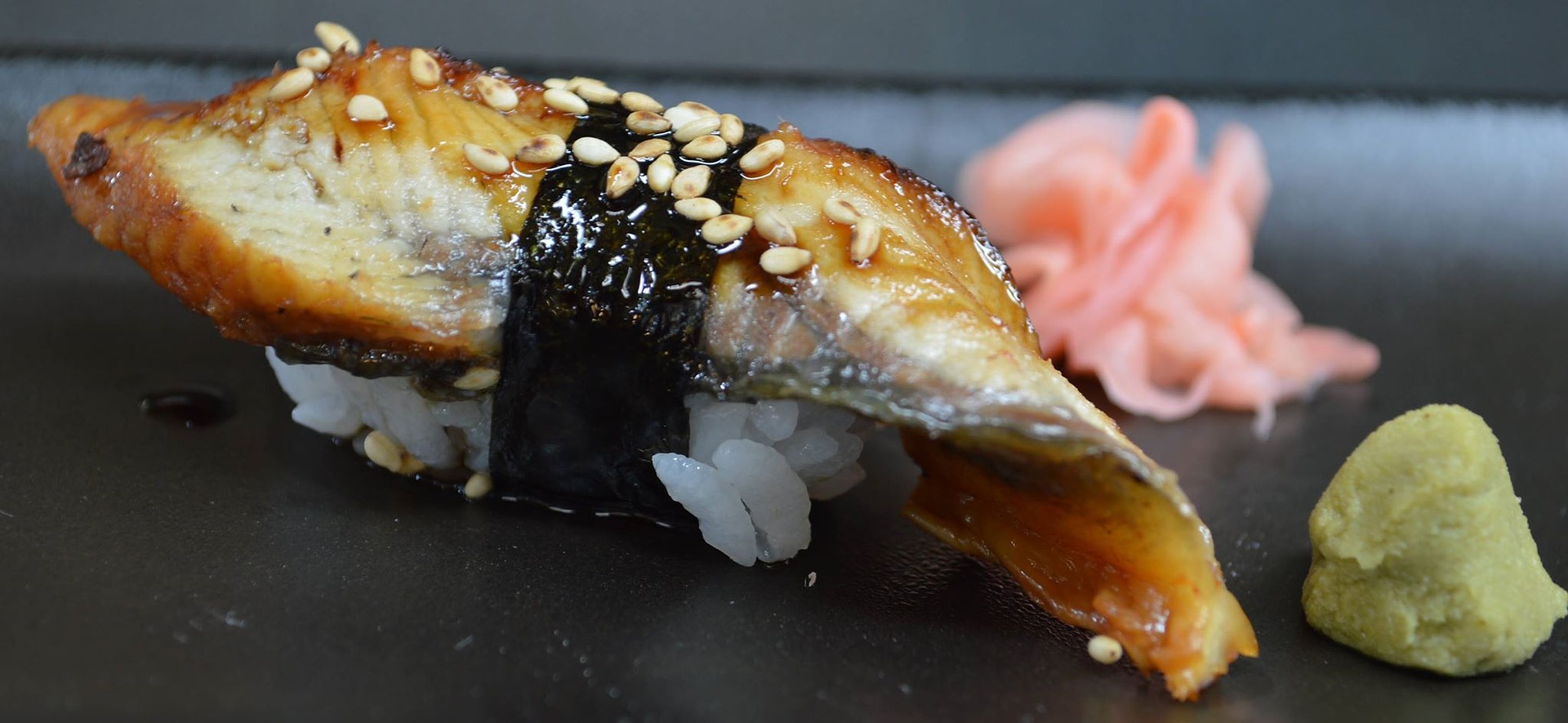
Turning back to Japanese cuisine, "kabayaki" is the standard way to enjoy eel.
While there are styles like shirayaki (plain grilled), liver skewers, and unasaku (eel and cucumber salad), when we think of eel, "kabayaki" is undoubtedly the definitive dish.
When it comes to kabayaki, the presence of the sauce (tare) greatly influences the flavor. Although it varies from restaurant to restaurant, typical ingredients include "sake, mirin, sugar, soy sauce, eel heads and bones..." and so forth.
Dipping the eel into this sauce and slowly grilling it over charcoal creates that savory, rich aroma and flavor.
Now, presented with this unagi kabayaki, few people would feel like saying, "Bring me some wine!"
Unagi kabayaki is characterized by its sweet and savory aroma combined with the unique, inherent flavor of eel...
It is completely understandable to assume that pairing it with wine would only emphasize fishy odors, making it practically unpalatable.
However, depending on the choice of wine, it can show an affinity even greater than that of sake or beer.
Wines That Pair Well with Eel!
When pairing wine, the harmony of aromas and flavors becomes essential.
First, imagine the sweet aroma and the savory scent of browned soy sauce in unagi kabayaki, along with that distinct earthy undertone characteristic of eel.
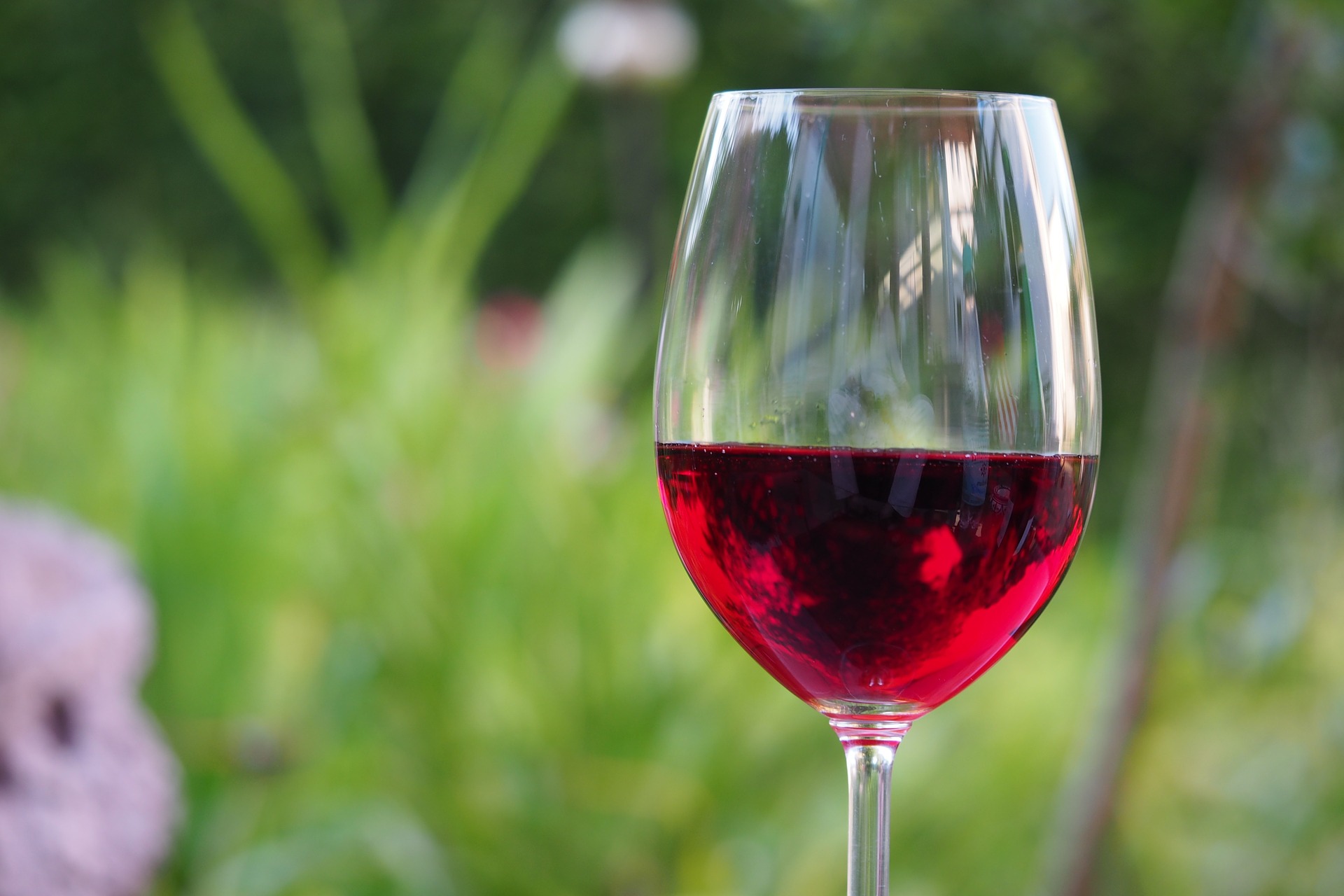
A red wine featuring fruitiness, subtle spiciness, and a wholesome, savory depth would likely create great harmony.
What comes to mind then is a Burgundy Pinot Noir red wine.
It features distinct characteristics of cherry, earthiness, animal nuances, and dried leaves.
Furthermore, an aged bottle offering subtle umami would be even better.
Lately, Pinot Noir from Oregon and New Zealand has also been of high quality, and if the kabayaki has a rich, dense sauce, New World styles with pronounced fruitiness are also recommended.
If you prefer a red that is slightly bolder than Pinot Noir, an elegantly crafted Tempranillo red wine from Rioja would also be wonderful.
While inherently full-flavored, high-quality examples are generous, with tannins and acidity harmonized elegantly. You can enjoy a well-balanced pairing where neither element clashes with the other.
With Japanese Wine, You Can Enjoy Eel Across a Wide Range!
If you are pairing unagi kabayaki with imported wines, the selections mentioned above are recommended.
Nevertheless, unagi kabayaki is Japanese cuisine.
There are surely those who feel, "I want to pair it with Japanese wine!"
If pairing with Japanese wine, a slightly aged, medium-bodied Muscat Bailey A or Black Queen is recommended.
Additionally, Syrah or Merlot from Nagano Prefecture could be intriguing, as they offer fruitiness and richness without being overly spicy. These red wines offer sweet-toned aromas and flavors, along with acidity and tannins that are not too aggressive.
Combining earthiness with pure fruit character, they neither interfere with nor get overpowered by the taste of unagi kabayaki.
The sweetness of the sauce and the sweetness of the fruit align gently with the flavors of the eel, while leaving a clean finish...
Japanese wine is remarkably delicate, making it easy to drink continuously without palate fatigue, so you will not feel weighed down even when pairing it with a somewhat heavy unagi kabayaki.
Incidentally, sprinkling plenty of sansho pepper increases terpene compounds (aroma components), allowing you to enjoy pairings with crisp white wines like Koshu or Sauvignon Blanc.
Points to Keep in Mind When Pairing Wine and Eel
Some might think, "I understand unagi kabayaki and wine completely now. Let me try it at home right away!"
We would love to say, "Please do!", but there are a few caveats to consider first. The first is "pairing with fresh eel that has no muddy odor."
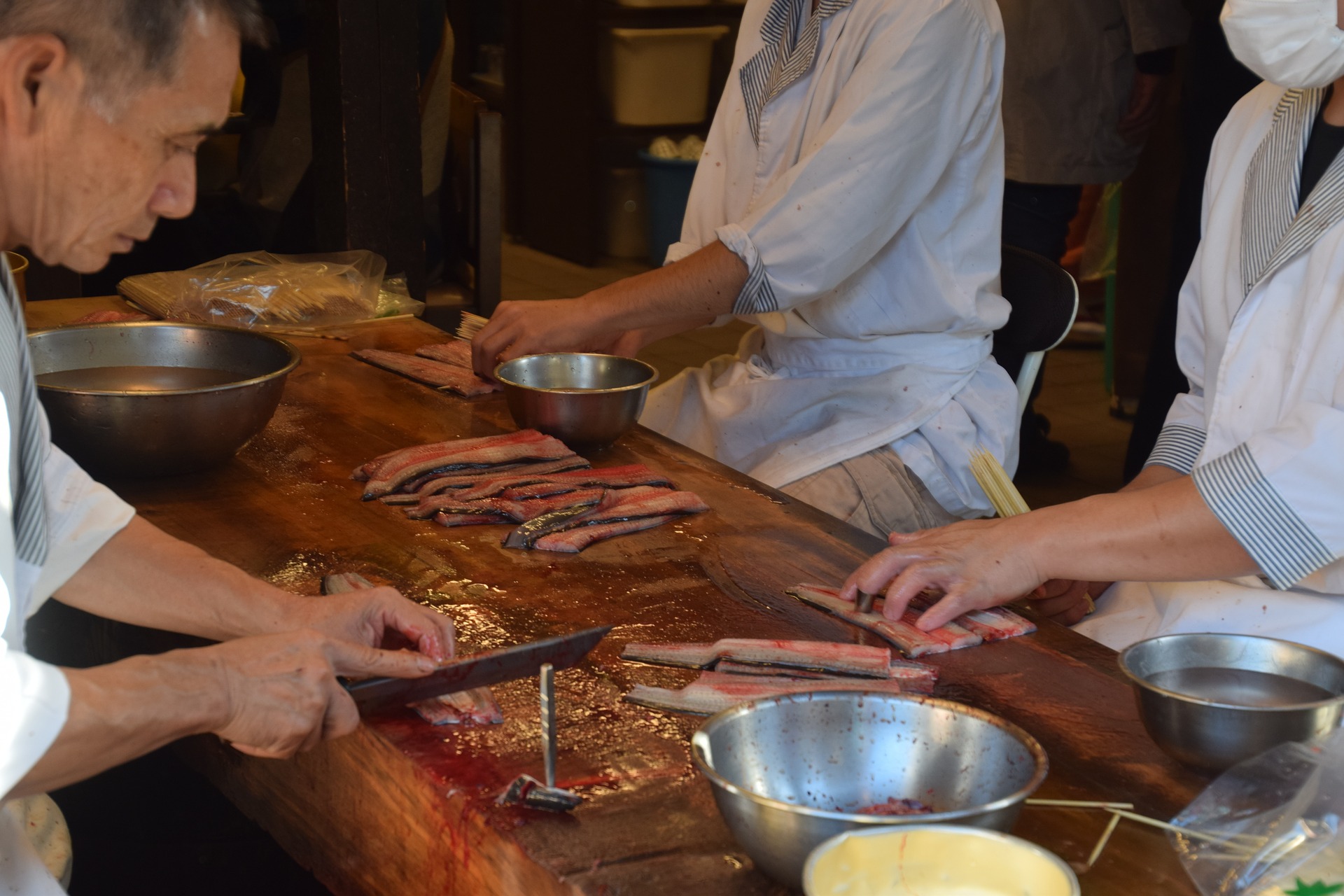
Typical eel suppliers are said to keep procured eels in running water to purge them of "muddy odors, musty odors, and fishy eel smell."
Naturally, if these kinds of off-odors clash with the wine's nuances, the enjoyment is cut in half.
Even the best wine cannot erase such odors, and it will only result in an unpleasant pairing experience.
Also, beware of kabayaki that is not cooked thoroughly....
Fluffy, tender, and beautifully fragrant—if the unagi kabayaki meets these standards, the pairing logic described above holds true; however, eel that tastes metallic, bloody, or slightly raw will clash with wine.
In the first place, anything insufficiently cooked is hazardous,
and that is an issue before even considering a pairing.
Try pairing wine with eel sourced from reliable suppliers or restaurants.
A Sophisticated Pairing with Wine and Eel!
Even if you were skeptical about the combination of eel and wine, are you now slightly tempted to try it?
First, imagine the aromas and flavors of the dish, and select a wine based on that.
Then, a pairing generally considered "impossible" can turn out to be a match made in heaven.
Why not start with unagi kabayaki and wine?
Why not give it a try from here?
A Restaurant Where You Can Enjoy the Marriage of Japanese Wine and Eel Dishes
The place where you can enjoy the marriage of Japanese wine and eel dishes introduced here is
Wine Works located in Minami-Aoyama.
Please experience the marriage of carefully selected Japanese wines with dishes that make abundant use of quality ingredients.
The restaurant's website is here.