
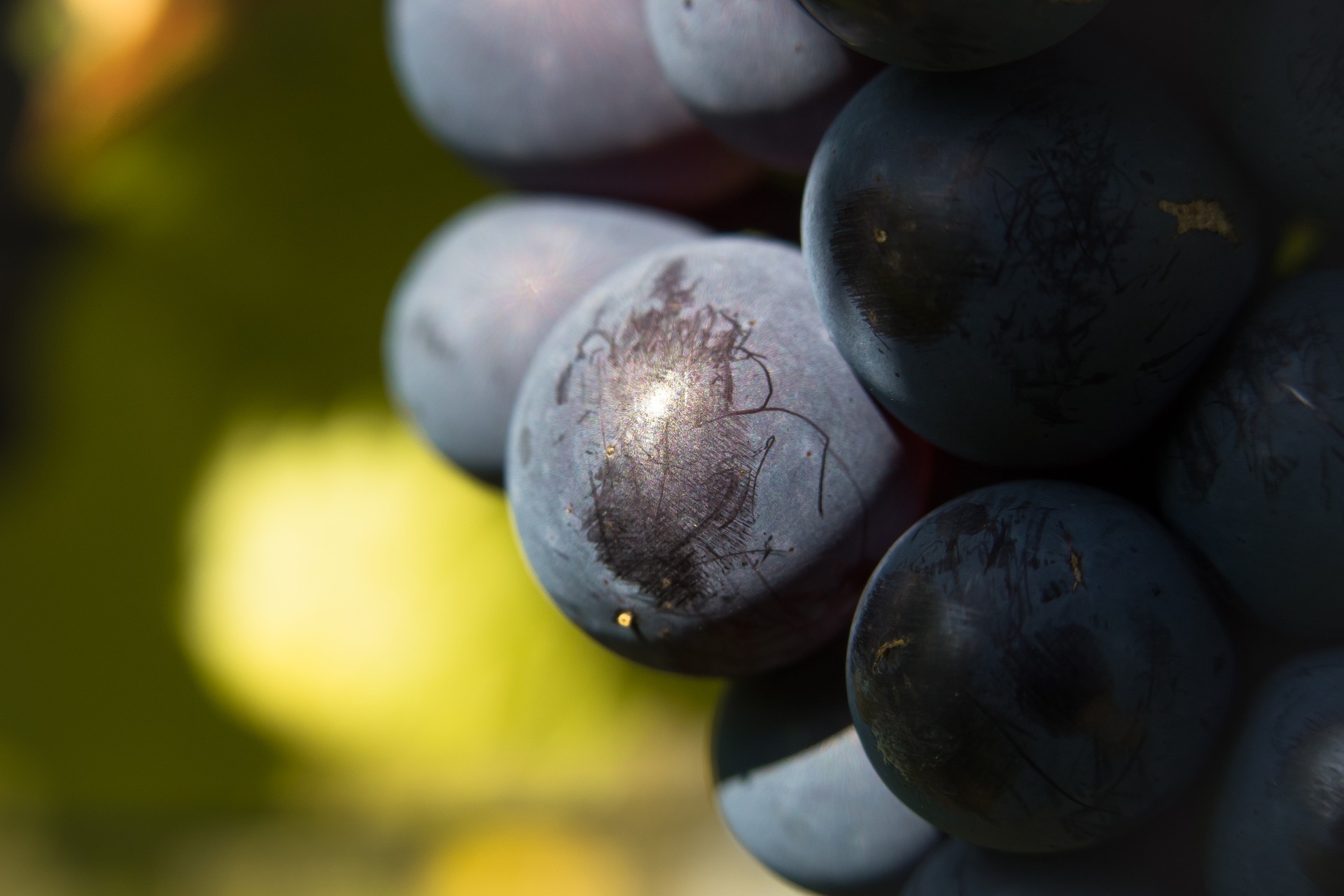
One of the world's most renowned black grape varieties,"Cabernet Sauvignon."
It is a famous variety widely known not only to wine connoisseurs but also to beginners.
However, this Cabernet Sauvignon.
Due to its overwhelming popularity, I feel it is a variety that has not been deeply explored.
In recent years,this variety has become increasingly common in Japanese wine as well.
Let's take this opportunity to study it thoroughly.
Basic Knowledge of Cabernet Sauvignon
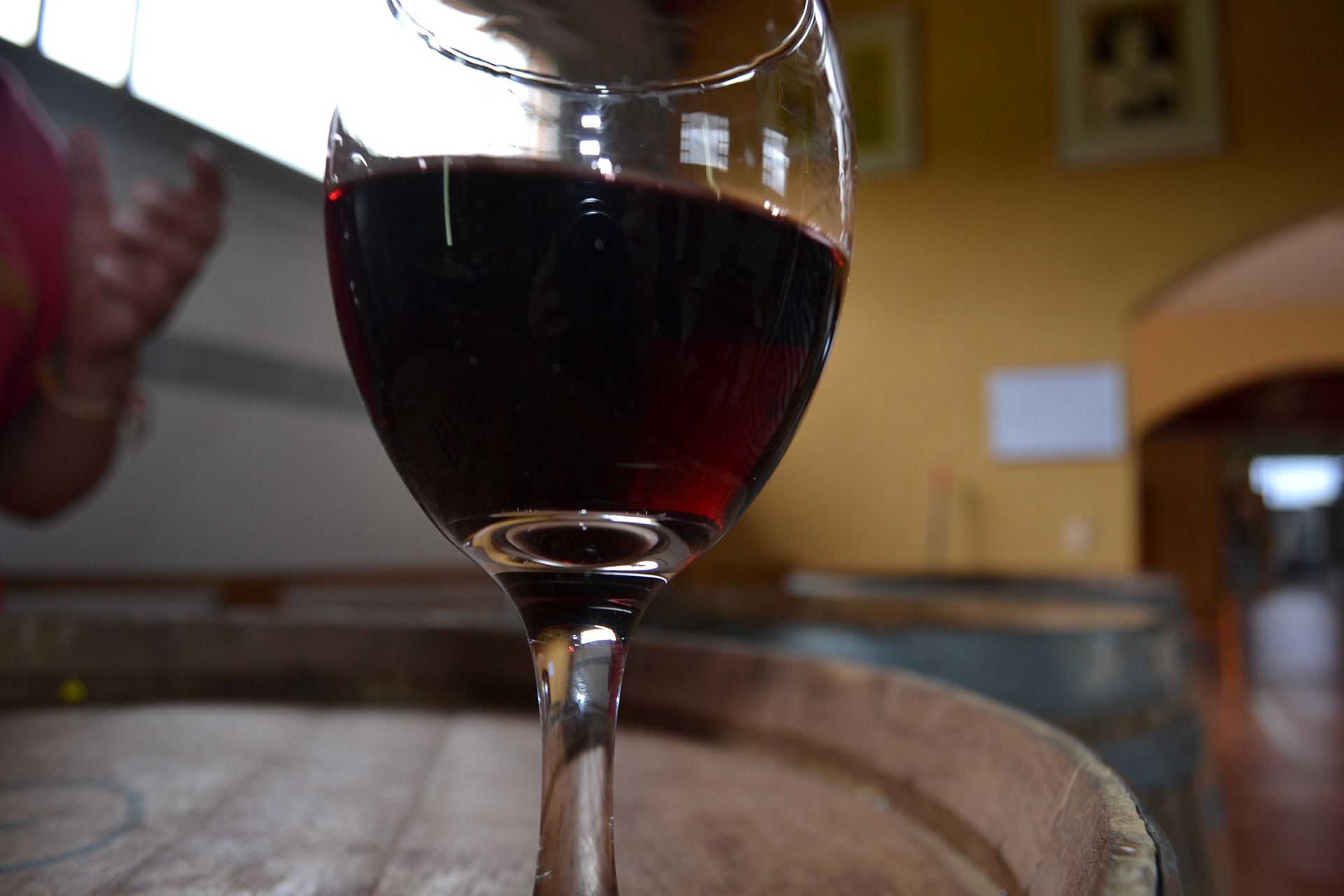
Cabernet Sauvignon isa black grape variety originating from Bordeaux, France(or so it is believed).
DNA analysis has revealed that it was born from a natural cross between Cabernet Franc and Sauvignon Blanc, and this background is why Bordeaux is believed to be its origin.
One of Cabernet Sauvignon's attractions isits adaptability.
This variety is known as the most widely cultivated in the world, and it thrives as a major grape variety not only in European countries including France, but also in America, Chile, Portugal, Australia... and other wine regions known as"New World"appellations.
Being late-ripening, it prefers relatively warm climates,and well-drained soil is ideal.
Therefore, in recent years, Cabernet Sauvignon from warm regions outside of France has attracted attention.
However, what has recently become popular among wine professionals and wine enthusiasts is... surprisingly, Cabernet Sauvignon from cool climates.
The reason for this will be explained later.
Aroma and Taste of Cabernet Sauvignon
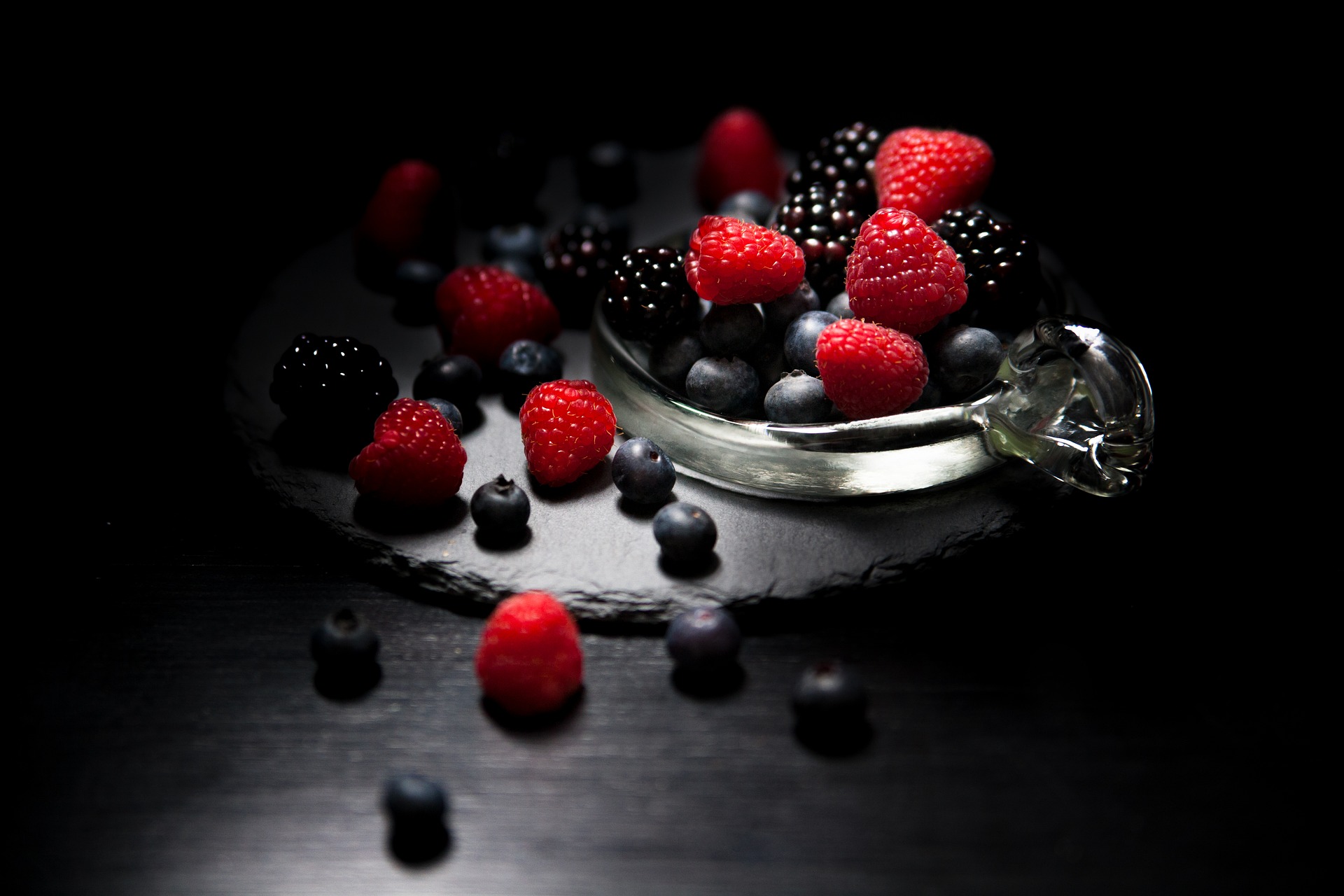
What you should know as basic knowledge of Cabernet Sauvignon is"the characteristics of its aroma and taste."
Here are the typical aromatic characteristics of Cabernet Sauvignon.
- Deep color
- Aromas of cassis and black cherry
- Aromas of herbs and spices
- Aromas of chocolate, nutmeg, and licorice
- Vibrant acidity
- Robust tannins
Cabernet Sauvignon grown in relatively cool regionshas green nuances in its aroma, with firm acidity and tannins.
Cabernet Sauvignon grown in warm regionshas strong berry fruitiness, with notes of compote, jam, and mint, while the acidity is gentle and tannins are less pronounced.
Let me explain in more detail some other characteristics you should know.
About Tannins
The greatest characteristic of Cabernet Sauvignon is its tannin content.
The ratio of seeds and skins containing tannins related to astringency is high, which inevitably makes young wines feel harsh and grippy.
Therefore, to create smoothness,other varieties are blendedorlong-term barrel aging is typically conducted before release.
*Tannins combine with oxygen in the barrel, becoming smoother. Incidentally, anthocyanins related to the red pigment in red wine are also a type of polyphenol. During barrel aging, anthocyanins also combine with oxygen and other elements, reducing in quantity, and the color becomes lighter and more brownish.
That said, these days I rarely encounter the harsh, grippy type of Cabernet Sauvignon that used to be common.
There are several reasons for this, but here are some possibilities:
- Cabernet Sauvignon with lower tannin content grown in warm regions has increased.
- Wines are no longer made with long-term aging in mind. (Winemaking anticipating 10 or 20 years ahead has decreased.)
- In recent years, elegant wines are sought after, so extraction is not as forceful.
I feel that there used to be many people who said "I don't like red wine... because it's astringent," but with recent Cabernet Sauvignon, you might win them over with "Hey... it's not astringent!"
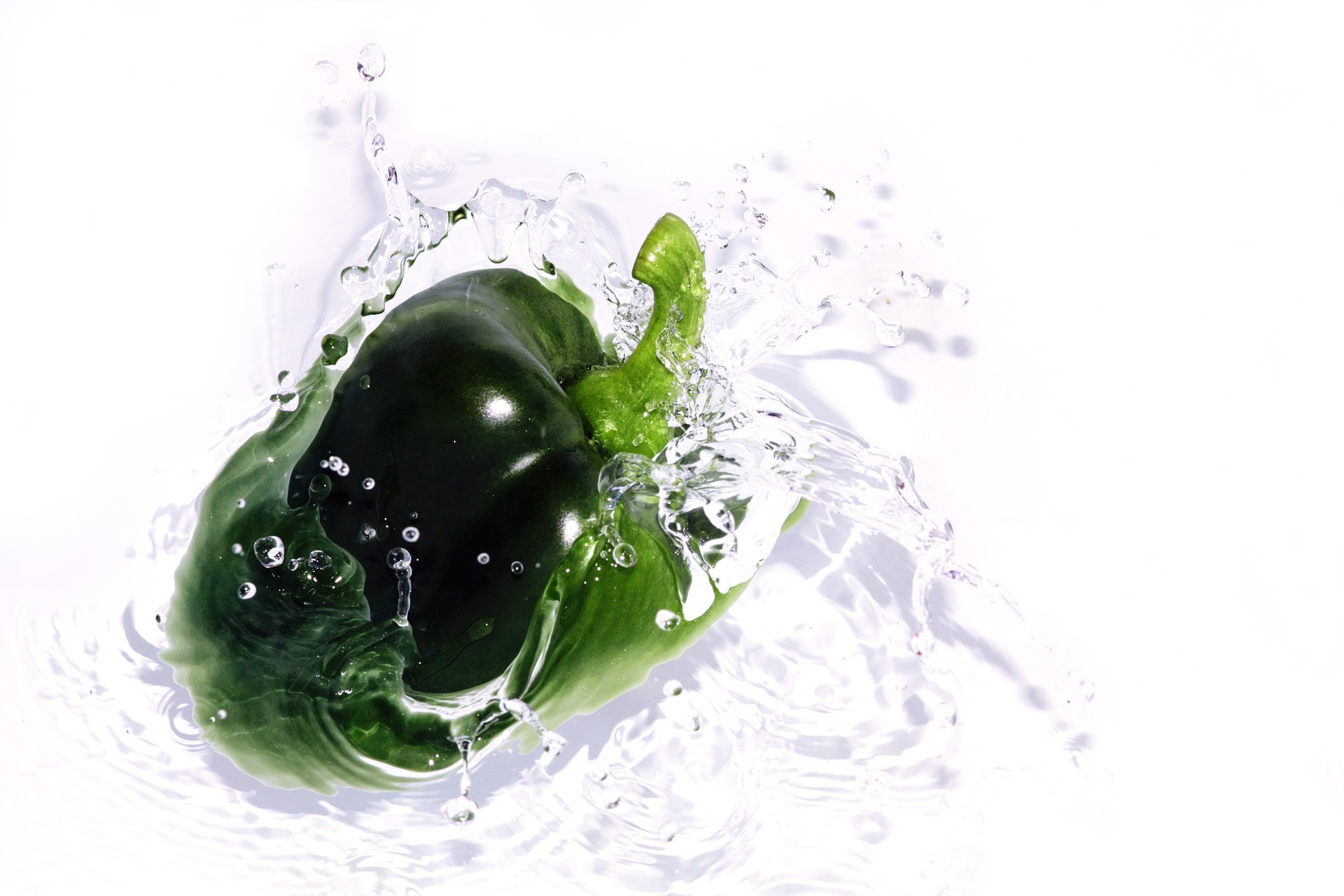
About Bell Pepper Aroma
Up to this point, I have conveyed the basic aspects of Cabernet Sauvignon.
From here, I will touch on some deeper aspects.
Let's listen carefully to the comments of wine-knowledgeable people tasting Cabernet Sauvignon.
"Nice Cabernet-like greenness. The fact that this 'bell pepper aroma' is not too strong is wonderful."
Not only Cabernet Sauvignon, but Cabernet-type varietiesare characterized by bell pepper-like and green vegetable aromas.
The identity of this bell pepper is"methoxypyrazine,"a compound.
Let me explain in detail.
About Methoxypyrazine
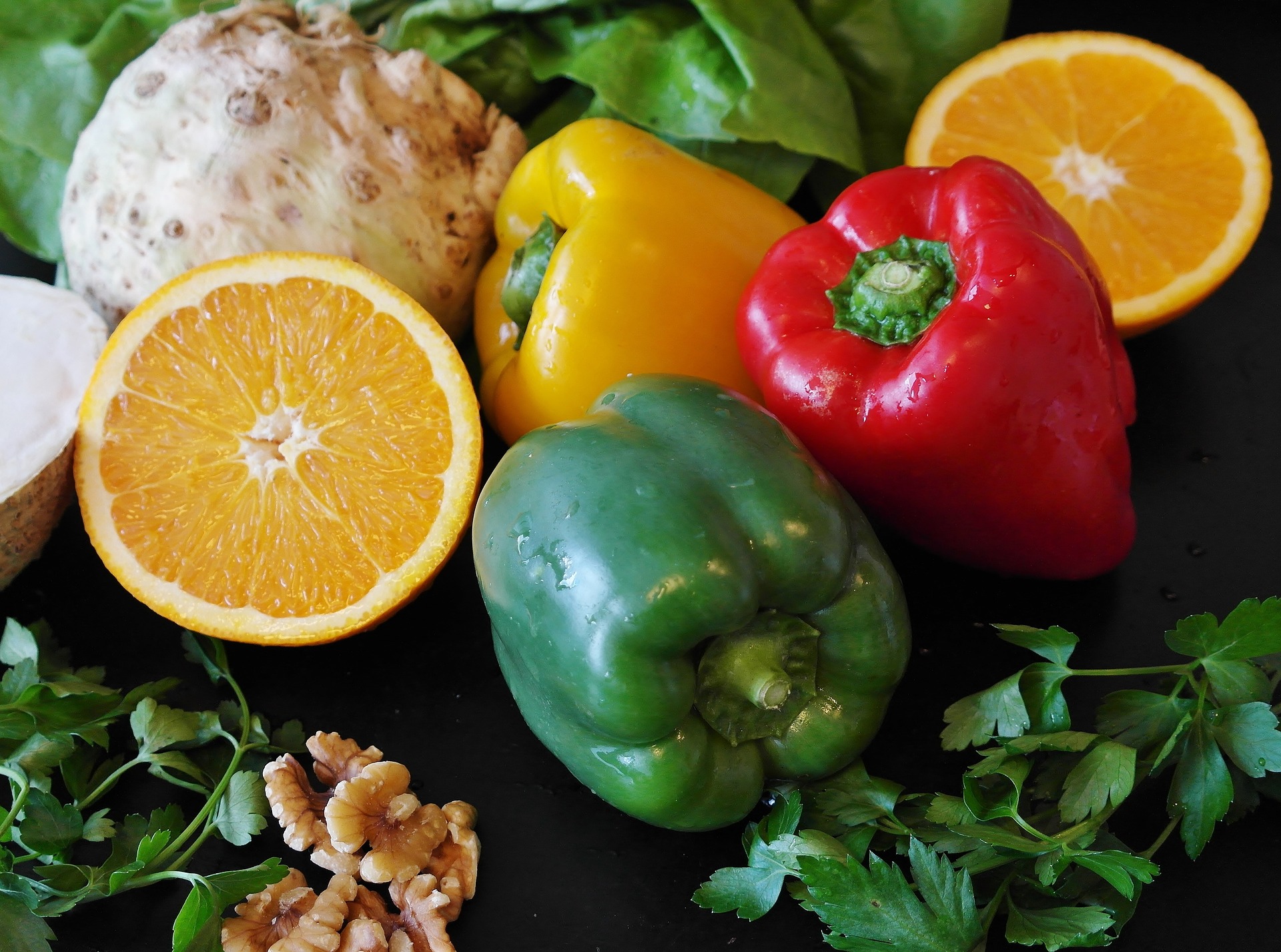
The compound responsible for bell pepper and green vegetable aromas is called"methoxypyrazine."
Sometimes called methoxy or MP, it actually refers to"methoxypyrazines (nitrogen-containing heterocyclic compounds),"and what particularly affects the aroma of Cabernet Sauvignon and others is...
2-methoxy-3-isobutylpyrazine
It is also contained in cucumbers as well as bell peppers, which is why people say "Cabernet is bell pepper-like."
Aromatic compounds that affect wine aroma are often contained in the skin, butmethoxypyrazine is an unusual compound that is synthesized inside the grape berry.
It is known to decrease when exposed to sunlight, so cultivation methods that minimize this compound are often adopted.
Cool-Climate Cabernet Sauvignon Is Popular?
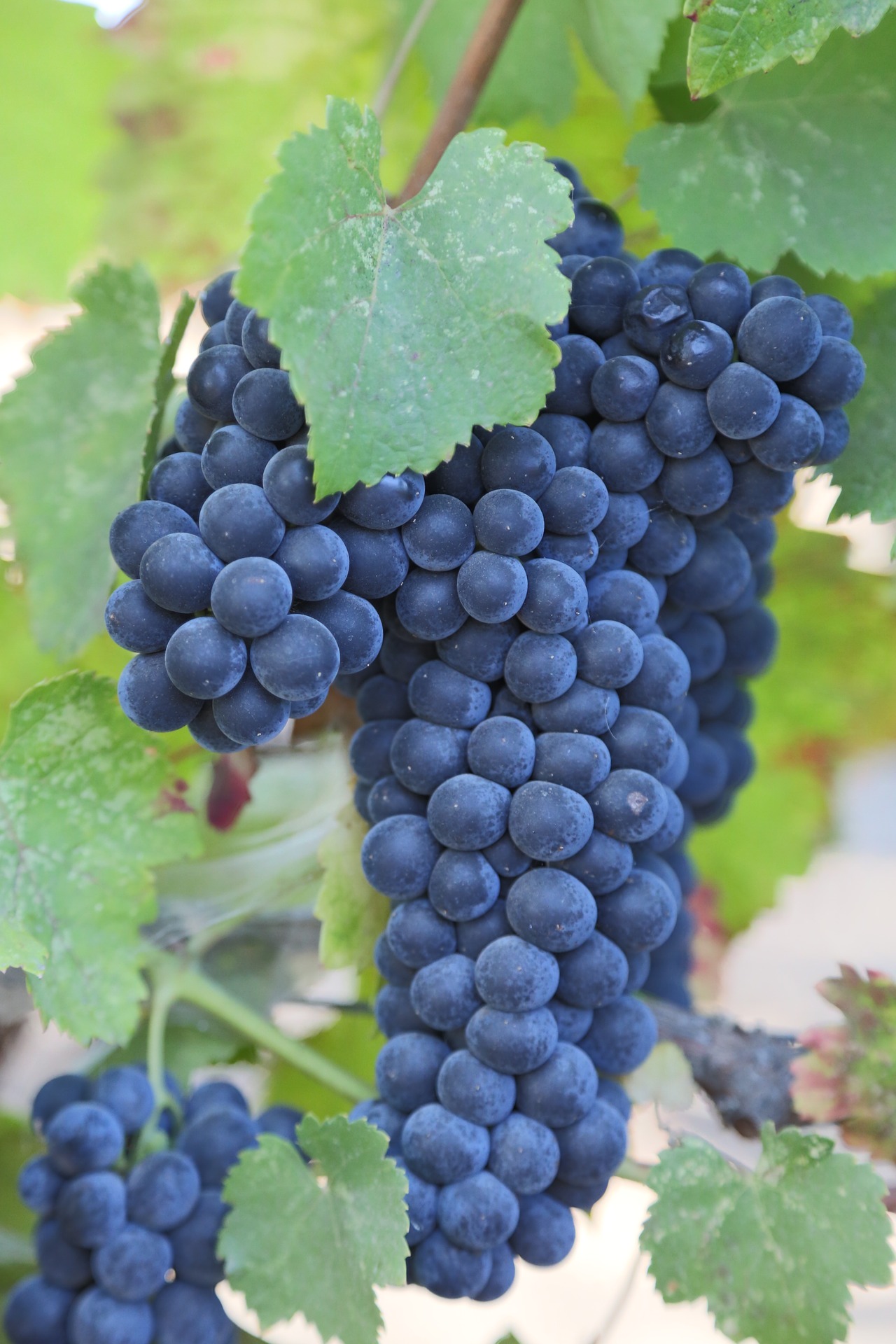
Robust tannins and green aromas like bell pepper.
Until now,Cabernet Sauvignon with strong characteristics like these has been avoided.
Of course, this tendency still exists, but in fact, Cabernet Sauvignon that possesses these characteristics in a well-balanced way, rather than eliminating them, is attracting attention.
On the other hand, generally popular Cabernet Sauvignon would becasual Chilean wine.
In the case of Cabernet Sauvignon from warm regions, it receives plenty of sunlight and ripens fully, so sugar content rises, yielding high-alcohol, fruit-forward Cabernet Sauvignon with little bell pepper aroma. (Acidity also decreases.)
Also, since overly tannic wines are not favored by consumers, they are finished to a pleasant astringency through various adjustments.
The result is"fruit-forward, full-bodied, easy-to-drink red wine"that is accepted by many people. (And extremely affordable.)
However, it is also true that wine enthusiasts who want a bit more varietal character, rather than such somewhat blunt Cabernet Sauvignon, have been increasing.
Therefore, what has been attracting attention in recent years iscool-climate Cabernet Sauvignon.
In cool climates, ripening is slower, but acidity remains firm and methoxypyrazine also remains moderately, creating an exquisite balance. (It also changes with reduced pesticides, organic practices, etc.)
While tannins become harsher, by being careful with extraction, they become silky and delicate.
Furthermore, rather than adding strong vanilla aromas with new oak barrels, careful barrel aging with old barrels...
By vinifying Cabernet Sauvignon with such approaches (varies by producer),elegant and distinctive Cabernet Sauvignon is created—neither blunt, nor grassy, nor difficult to drink due to harsh tannins.
In fact, wonderful Cabernet Sauvignon has begun to emerge from Nagano and Yamagata in Japan, and producers in Chile and the New World are also beginning to focus on elegant Cabernet Sauvignon cultivation by seeking cool climates.
Although prices are somewhat higher,wine lovers should definitely check out high-quality Cabernet Sauvignon.
Let's Enjoy This Classic Variety Again!

The first red wine you drank was Cabernet Sauvignon.
Many people might have had this experience.
It is a world-famous black grape variety andone of the classic varieties.
That is precisely why I recommend knowing its characteristics and trying Cabernet Sauvignon from various regions and producers.
The same variety, yet the taste differs so much...
Please rediscover the charm of Cabernet Sauvignon with your own palate.