
On June 30, 2021, the National Tax Agency designated wine from Yamagata Prefecture under the "Geographical Indication (GI)" system.
With Osaka Prefecture and Nagano Prefecture also receiving designations at the same time, this is likely to serve as a catalyst for expanding Japanese wine consumption going forward.
Here, we will explain "GI Yamagata" in detail with respect to wine.
About GI
GI stands for "Geographical Indication."
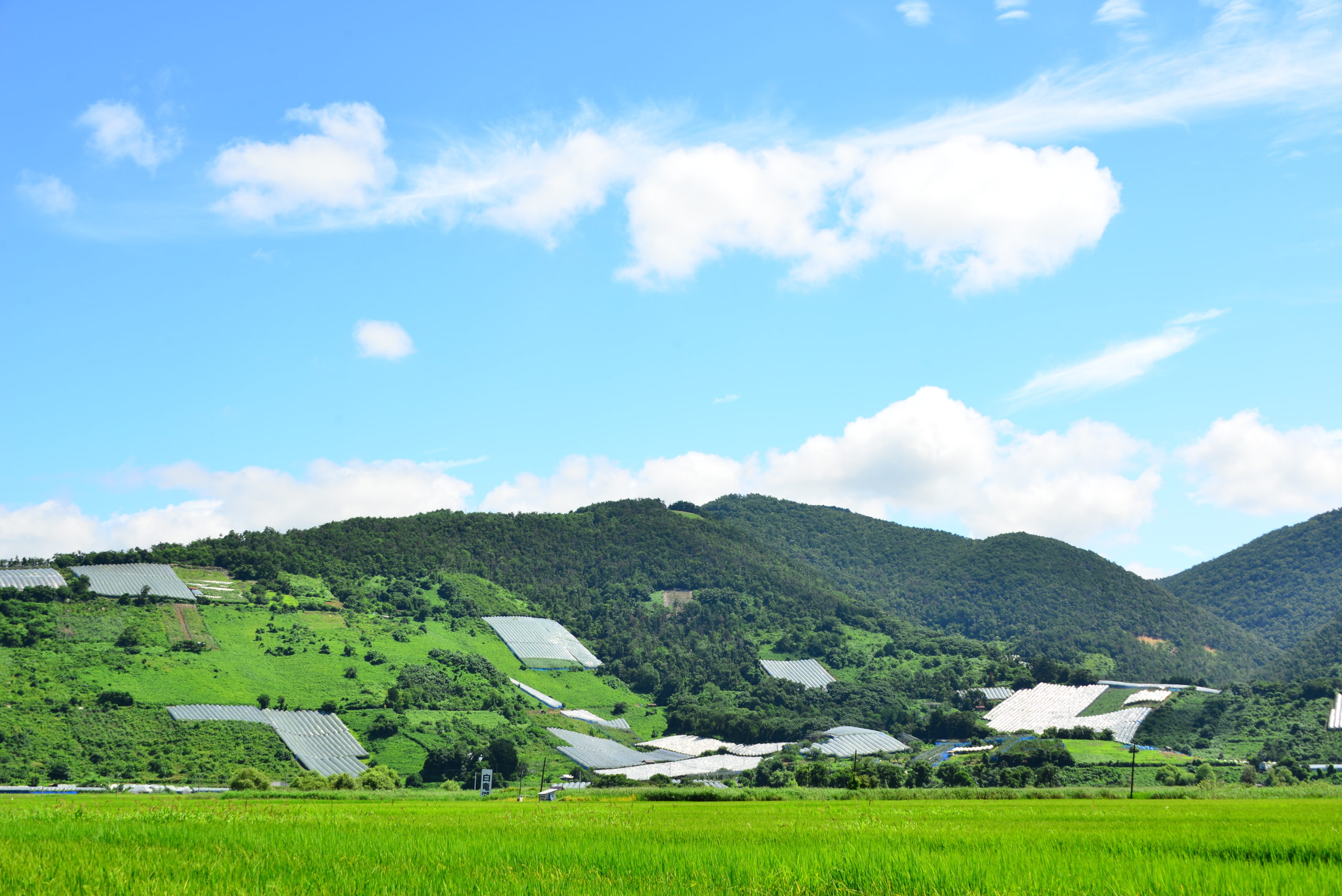
The GI system for alcoholic beverages in Japan is a framework that promotes the appropriate use of "regional place names" as shared regional assets, where only items produced satisfying certain standards, such as "the characteristics of the product category unique to the producing region are clear," are recognized as "GI" (designated by the Commissioner of the National Tax Agency).
In other words, wines that meet the production standards for "GI Yamagata" for wine are able to exclusively use the label "Yamagata," making it possible to distribute Yamagata-produced wine as a nationally certified "Yamagata brand."
With Yamagata receiving Tohoku's first GI designation, Yamagata will surely be recognized even more than ever as a "wine-producing region."
Production Standards for Geographical Indication "Yamagata"
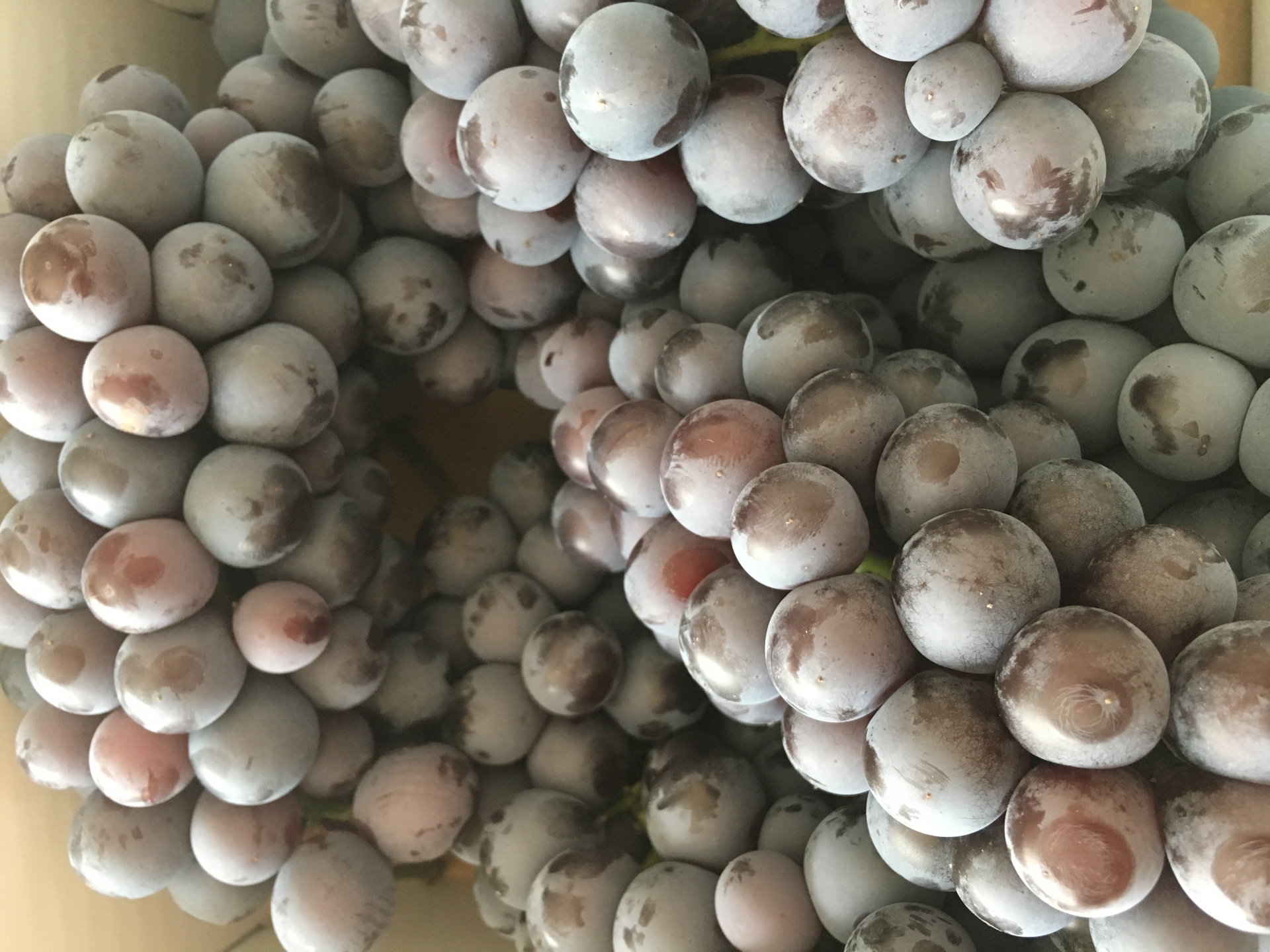
"GI Yamagata" has production standards for the Geographical Indication "Yamagata."
While this is content that producers and distribution professionals need to know, it is also necessary for consumers to understand it to some extent in order to appreciate Yamagata wine certified under "GI Yamagata."
Here, we have picked out and summarized the noteworthy parts from among the production standards for Geographical Indication "Yamagata."
Matters Concerning the Producing Region
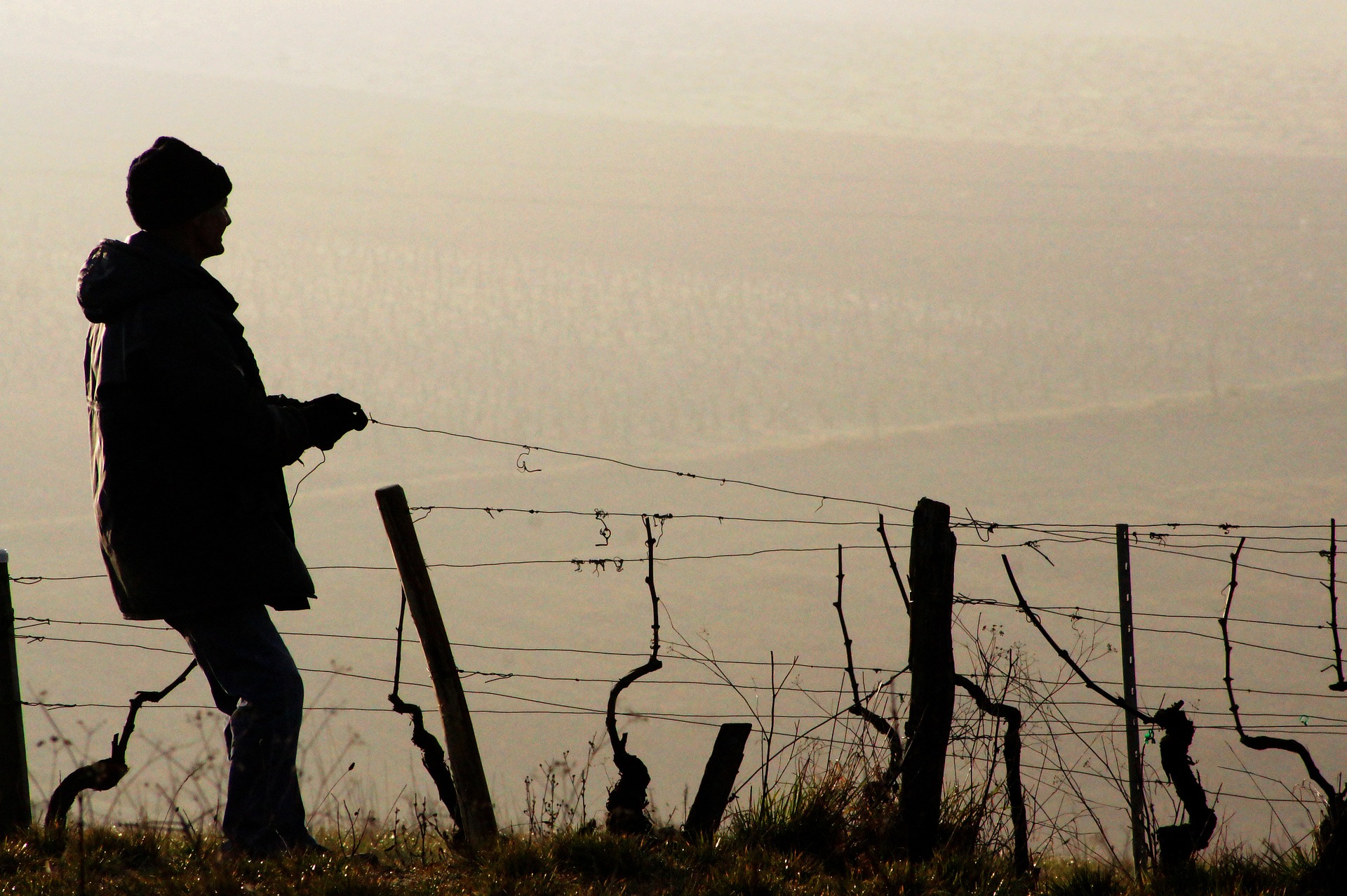
We have summarized the key points regarding "natural factors" and "human factors" under the item "(2) The characteristics of the alcoholic beverages are essentially attributable to the producing area" of the "GI Yamagata" production standards.
Natural Factors
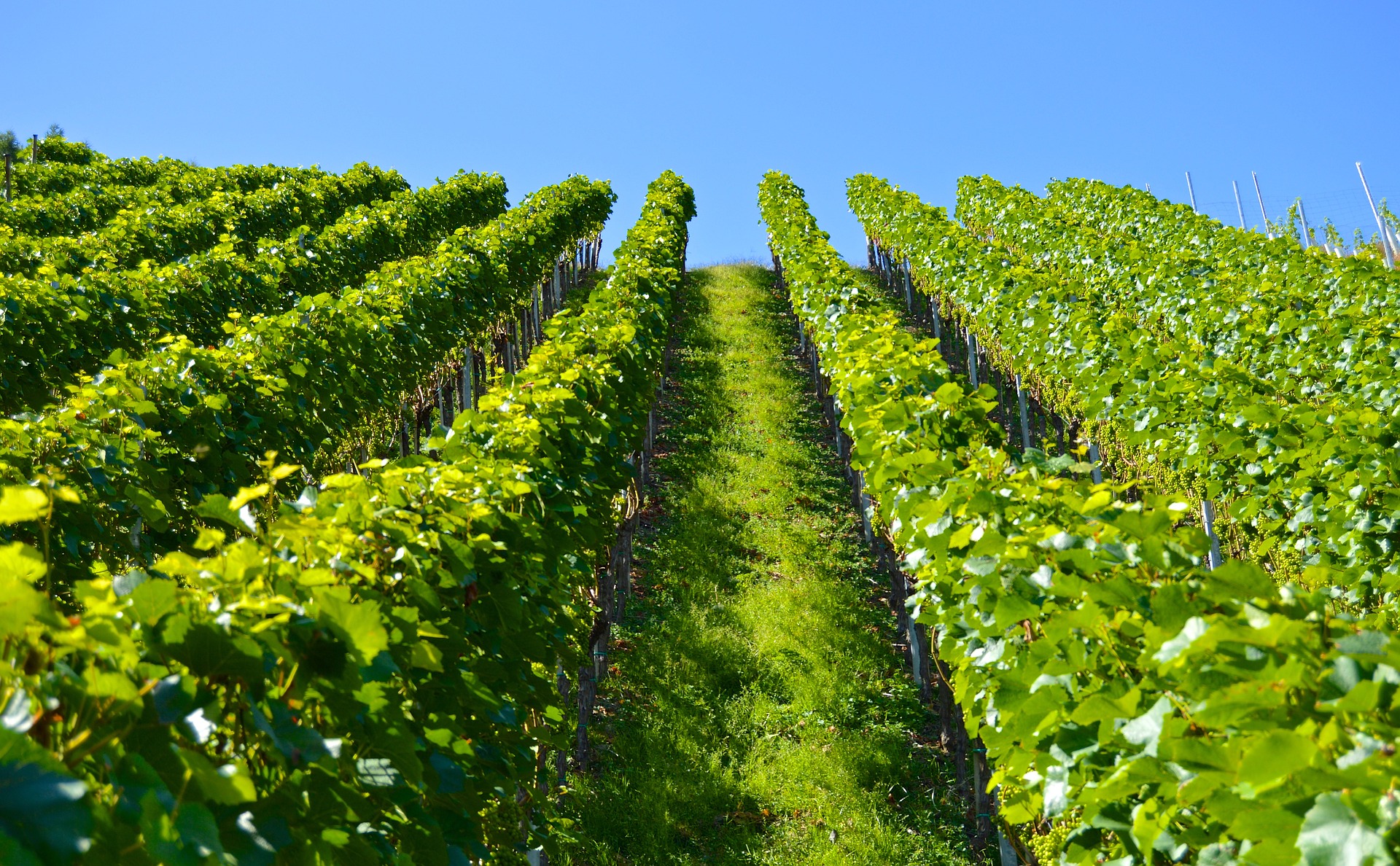
The main grape-growing areas in Yamagata Prefecture are along the Mogami River basin.
This area features sloping terrain and well-drained soil, making it possible to impart moderate moisture stress to the grapevines.
Therefore, berry enlargement is suppressed and flavors are concentrated, making it a producing region well-suited for grape cultivation.
Annual sunshine duration gives a low impression at around 1,600 hours, but sunny weather is frequent during the grape growing season from April to October, providing good sunlight with around 1,100 hours of sunshine.
The average temperature is cool and the diurnal temperature difference is large, allowing organic acids to accumulate abundantly in the grapes.
Although snow countermeasures are crucial due to heavy snowfall in winter, precipitation during the grape growing season is relatively low at under 800 mm, so sound grapes can generally be harvested.
Human Factors
Grape cultivation as an industry in Yamagata Prefecture has a long history, said to have begun in the latter half of the 19th century as part of the policy to encourage new industries, when a fruit tree experimental station was established and varieties such as Black Hamburg were cultivated.
Afterward, vineyards expanded, but phylloxera pests spread due to the introduction of Labrusca rootstocks in the 1910s.
Vineyards in Yamagata Prefecture suffered devastating damage.
Subsequently, rootstocks resistant to phylloxera were introduced.
As a result of replanting with Delaware, in 1950 it reached the third largest cultivated acreage nationwide, following Yamanashi and Osaka.
Although small-scale winemaking had been practiced since the late 19th century, it mainly centered on supplying raw material grapes and must to major alcoholic beverage manufacturers outside the prefecture.
Although grape production declined due to postwar food shortages and falling demand for sweet fortified fruit wines, around 1980 grape growers reintroduced high-quality Vinifera varieties.
As a result of repeated trial and error—such as trellis cultivation methods, the installation of plastic tents, and raising soil temperature with stone walls—Cabernet Sauvignon and Chardonnay became established in this region, leading to the expansion of authentic winemaking utilizing them.
In 1984, the "Yamagata Wine Brewing Association" was established, and in 2008, the Yamagata Prefecture Young Wine Region Study Group (Vigneron Society), centered around young winemaking technicians, was also launched.
With the designation of "GI Yamagata," further recognition of Yamagata wine as well as quality improvement are expected more than ever before.
Matters Concerning Wine Characteristics
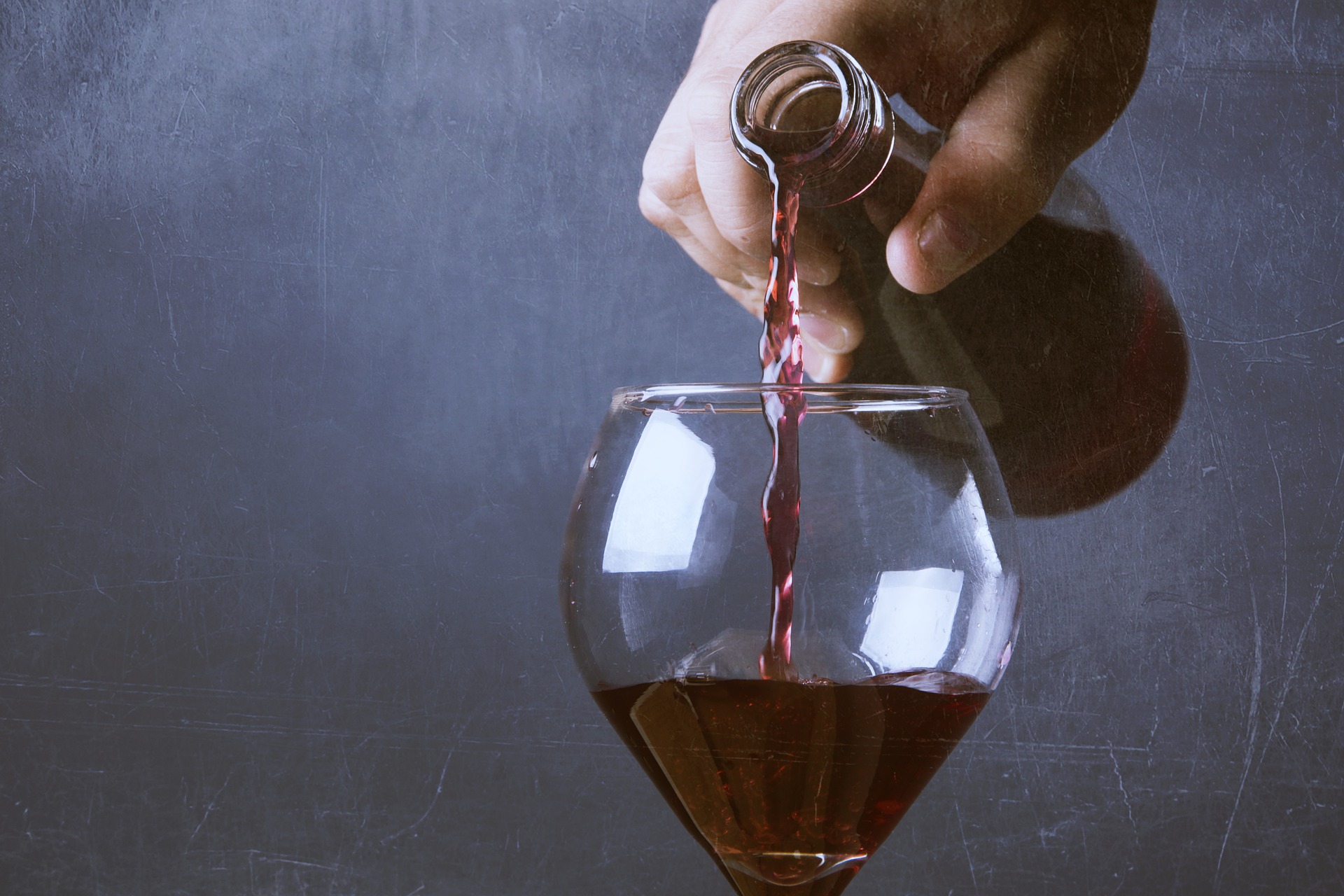
The characteristics of alcoholic beverages under "GI Yamagata" consist of "sensory elements" and "chemical elements."
"Sensory elements" refer to the aromas and flavors of Yamagata wine, while "chemical elements" are provisions such as alcohol content, total sulfur dioxide levels, and volatile acidity levels.
We will explain each of them below.
Sensory Elements
For the sensory elements of Yamagata wine, the three categories of "white, red, and rosé" are evaluated individually.
Overall, Yamagata wines are characterized by "the inherent flavor and aroma of the grapes being brought out, with a finish defined by refreshing acidity," but let us take a look at the sensory elements of each wine.
White Wine
The color ranges from greenish-yellow to pale yellow, light brown, and brown.
There are rich, gorgeous floral and citrus aromas, within which aromas derived from the grape fruit are clearly perceptible.
The acidity is rich, which is felt particularly vividly in dry wines, harmonizing with other flavors.
In sweet wines, sweetness and acidity are well balanced, and like dry wines, the acidity on the finish is evaluated as refreshing.
Red Wine
The color ranges from bright crimson to reddish-purple and dark crimson.
It possesses aromas derived from the grape fruit, and aged wines have aged aromas that harmonize with them.
The taste is characterized by refreshing acidity and gentle astringency.
Rosé Wine
Colors range from pale pink to orange tones, with some even having a reddish-brown hue.
It possesses rich aromas derived from the grape fruit; sweet styles have a good balance of inherent grape sweetness and acidity, while dry styles offer vivid, refreshing acidity.
Overall, it is fruity and light.
Chemical Elements
To be certified under "GI Yamagata," chemical elements must be satisfied.
We have briefly summarized those requirements below.
- Alcohol content must be at least 7.0% and less than 20.0%
- Total sulfur dioxide must be 350 mg/L or less
- Volatile acidity must be 1.5 g/L or less
- Total acidity must be at least 4.0 g/L calculated as tartaric acid
Incidentally, among the alcohol content requirements, chaptalized wines have an upper limit of less than 15.0%, and sweet wines have a lower limit of at least 4.5%.
Matters Concerning Raw Materials & Production Methods
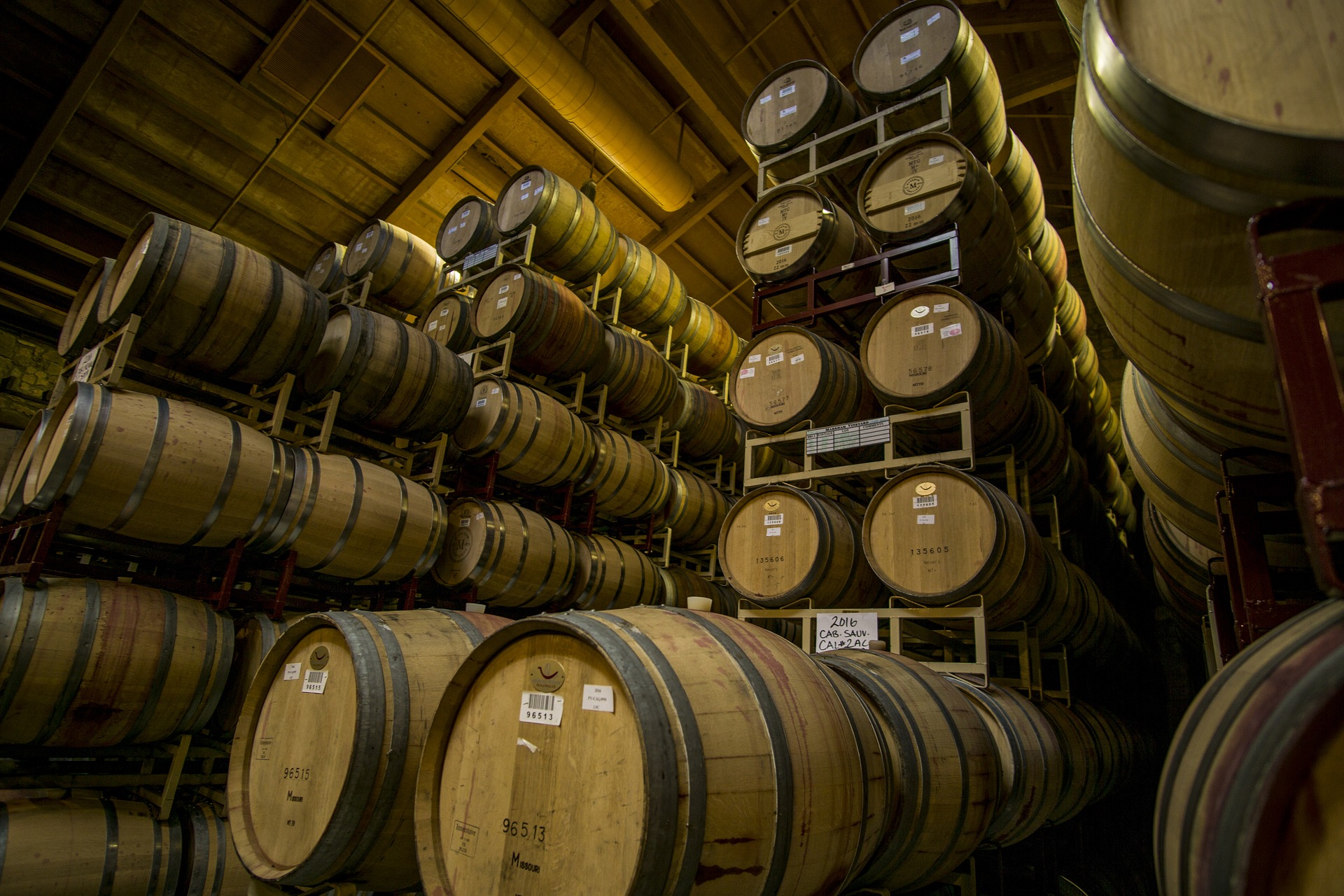
The raw grape varieties that can be used to receive "GI Yamagata" certification are 51 varieties grown within the prefecture.
The condition is that wine must be vinified within the prefecture using these as raw materials.
From here, we will explain the matters concerning raw materials & production methods in more detail.
Raw Materials
Under "GI Yamagata," the use of grape varieties across three groups is permitted: Vinifera varieties, Labrusca varieties, and other varieties.
Vinifera Varieties
- Riesling, Chardonnay, Merlot, Syrah, Cabernet Sauvignon, etc...
Labrusca Varieties
- Delaware, Niagara, Campbell Early, Concord, Steuben
Other Varieties
- Muscat Bailey A, Black Queen, Bailey Alicante A, Bijou Noir, Koshu, etc...
Furthermore, it is required that the grape juice sugar content be "16.0% or higher for Vinifera varieties," "12.0% or higher for Labrusca varieties," and "14.0% or higher for other varieties," with a provision allowing the required sugar content to be lowered by 1.0% only in case of poor weather.
As Yamagata cultivates numerous Vinifera varieties, it is distinctive that in addition to the varieties mentioned above, Cortese, Chasselas, Malbec, and Albariño are also permitted.
Production Methods
Regarding production methods, matters related to provisions under the Liquor Tax Act, acidification, deacidifying agents, storage locations, and bottling are stipulated.
Here are selected points especially worth noting.
- From grape harvest to bottling the wine, the total amount of acidification must be 6.0 g/L or less calculated as tartaric acid
- Deacidifying agents may be added up to a reduction of 4.0 g/L in total acidity calculated as tartaric acid
- When storage is required during the production process, it must be conducted within Yamagata Prefecture
These are strict rules to deliver Yamagata wine to consumers with peace of mind, but since "GI Yamagata" wines are those that have cleared them, consumers can pick them up with confidence.
Let's Enjoy Yamagata Wine
While sake had previously been designated as "GI Yamagata," wine has now finally been designated as well, making it no exaggeration to call Yamagata Prefecture "one of Japan's leading regions renowned for alcoholic beverages."
Many Japanese wine fans anticipate that Yamagata wine can produce wines that surprise the entire world.
To discover its true potential, why not try a wine certified under "GI Yamagata"?
References
Appendix 1: Geographical Indication "Yamagata" Production Standards - National Tax Agency -