
The labeling standards for wine produced in Japan distinguish between "Japanese wine" and "domestically produced wine other than Japanese wine."
While establishing labeling standards for Japanese wine was an important milestone in its development, even more detailed regulations are necessary to shape Japan into a true "wine-producing region."
An example of this would be establishing a geographical indication system within Japan, similar to France's "A.O.C. Bourgogne" or "A.O.C. Médoc."
In fact, Japan does have a geographical indication system called "GI," and for wine, "Yamanashi Prefecture" and "Hokkaido" are currently designated.
Here, taking "GI Yamanashi (Geographical Indication Yamanashi)" as an example, let us look closely into its details.
About GI
GI stands for "Geographical Indication."
In Japan, the GI system for alcoholic beverages is designed to promote the appropriate use of "regional place names," which are collective regional assets, possessing qualities similar to the aforementioned "A.O.C. Bourgogne."
GIs are designated by the Commissioner of the National Tax Agency, and only products produced in accordance with certain standards—such as having "clearly defined characteristics unique to the region of production"—are recognized as a "GI."
"GI Yamanashi" received its designation from the National Tax Agency in July 2013, becoming Japan's first geographical indication for a wine-producing region. (*Production standards were revised in June 2017.)
Wines bearing a label such as "GI Yamanashi" are also "wines officially recognized by the nation."
Why Yamanashi Prefecture?
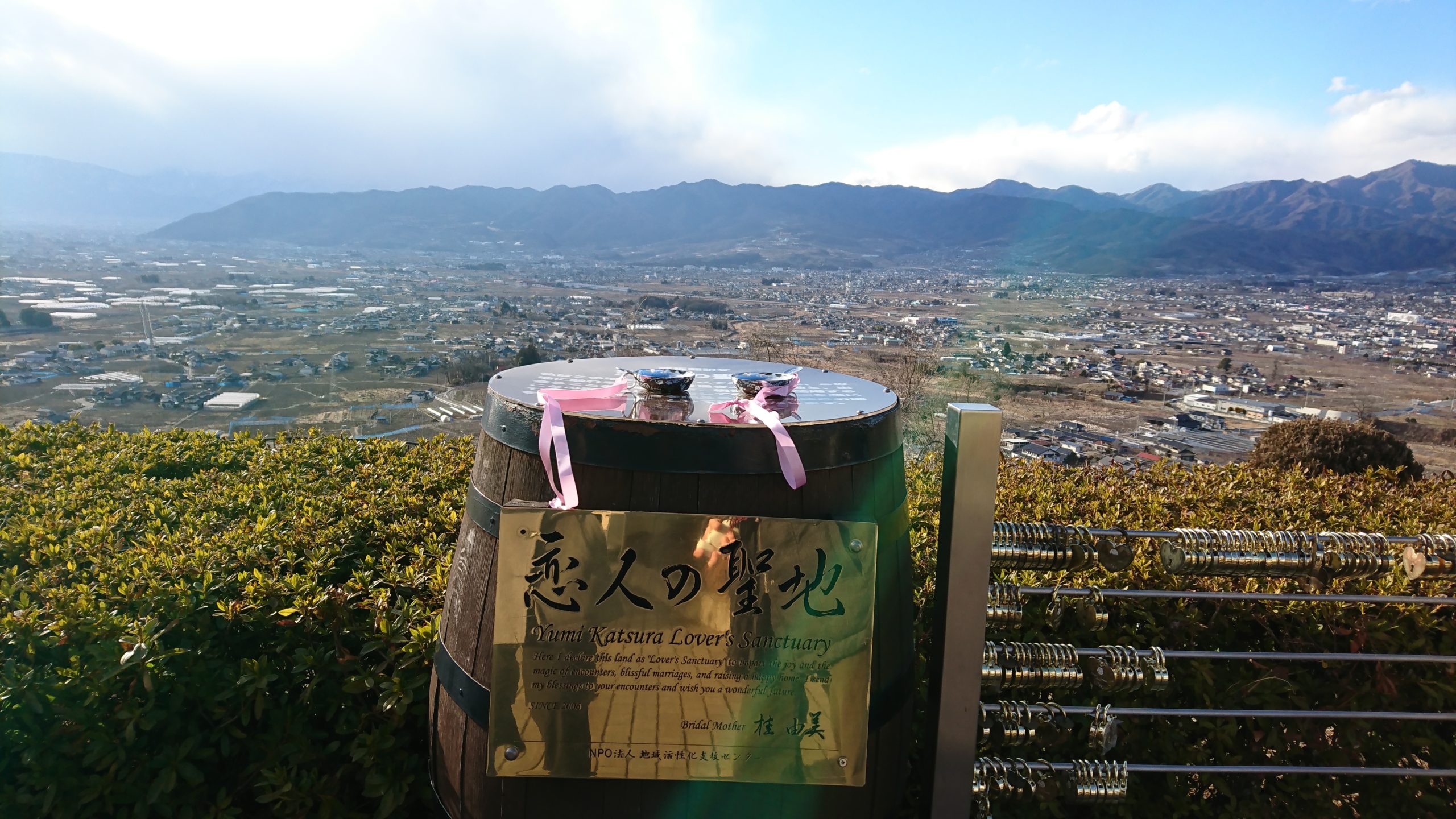
Wineries are currently being established all across Japan, but why was Yamanashi Prefecture chosen as Japan's first "GI"?
First of all, Yamanashi Prefecture is said to be the birthplace of authentic winemaking in Japan, and is a renowned region boasting the highest concentration of wineries in the country.
Furthermore, it is a basin with little oceanic influence and significant temperature differences between day and night.
Most of its grape cultivation areas consist of decomposed granite and andesite soils, which are fertile and situated on slopes that provide excellent drainage; thus, it can be seen as having been recognized by the National Tax Agency for both its "name recognition" and as a "place where outstanding wine is born."
Having built a solid brand around "wines from Yamanashi Prefecture" is surely an essential factor for Japanese wine to spread its wings across the world.
Requirements for "GI Yamanashi"
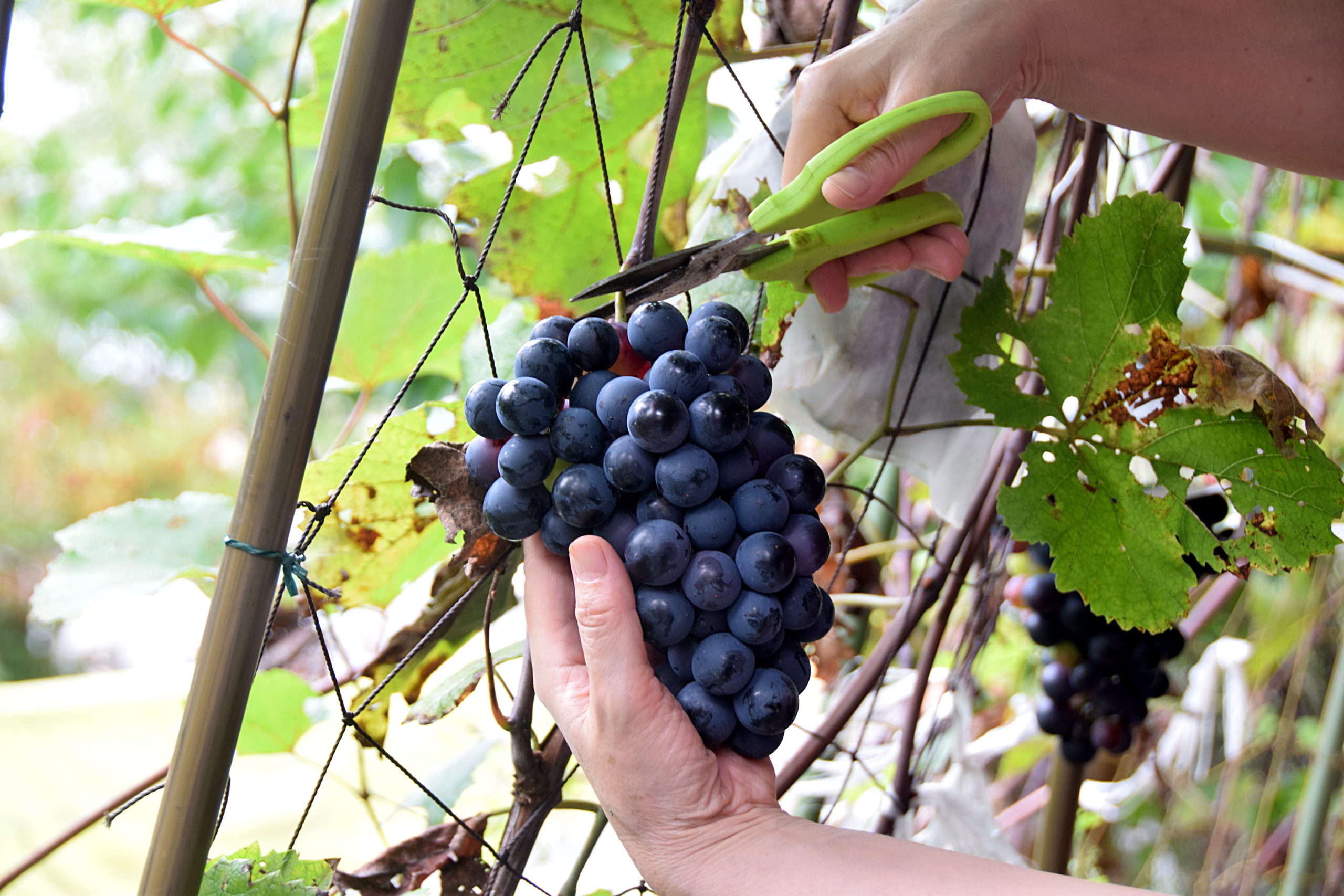
Not just any wine produced in Yamanashi Prefecture can call itself "GI Yamanashi."
To sell a wine with text like "GI Yamanashi" printed on its label, various strict requirements must be satisfied.
Here is a brief summary of each requirement.
Raw Materials
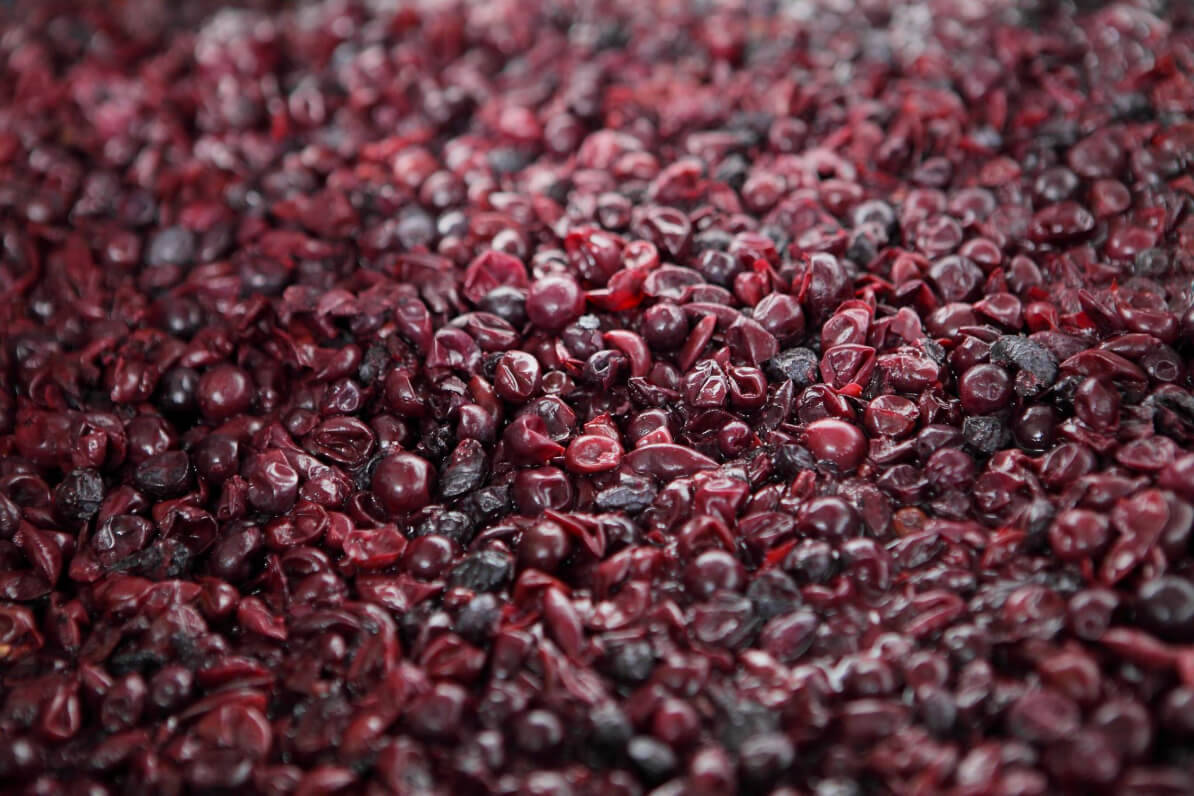
To claim "GI Yamanashi," the following raw material regulations must be observed:
- Use only grapes harvested within Yamanashi Prefecture.
- Use only 42 designated varieties, including Koshu, Muscat Bailey A, and Cabernet Sauvignon.
- Use only grapes with a sugar content at or above a specified level.
Standards for Production Methods and More

"GI Yamanashi" also stipulates standards for production methods:
- Must be vinified, stored, and bottled within Yamanashi Prefecture.
- Alcohol content must be at least 8.5% for dry styles and at least 4.5% for sweet styles.
- Chaptalization and acidification are permitted, but subject to certain restrictions.
Quality Standards

Even if a wine is produced to meet all the standards up to this point, it cannot claim "GI Yamanashi" unless it passes the final quality assessment.
The governing body for "GI Yamanashi," the Geographical Indication "Yamanashi" Management Committee, conducts sensory, quality, and labeling evaluations, and wines that pass are granted permission to display "GI Yamanashi."
Characteristics of "GI Yamanashi" Labeling
For wines designated under "GI Yamanashi," subtle differences can also be seen on the label compared to ordinary Japanese wine.
In addition to the "GI Yamanashi" designation itself, grape origins can also be displayed, such as "from Katsunuma-cho."
Furthermore, for a wine designated as "GI Yamanashi" to state the varietal name "Koshu," it must be made 100% from that variety.
In the world of wine, "provenance"—where the grapes were grown and where the wine was made—is a crucial element.
As more regions become covered by "GI" for wine in the future, Japanese wine will likely draw even more attention.
Japanese Wine is in the Midst of Evolution
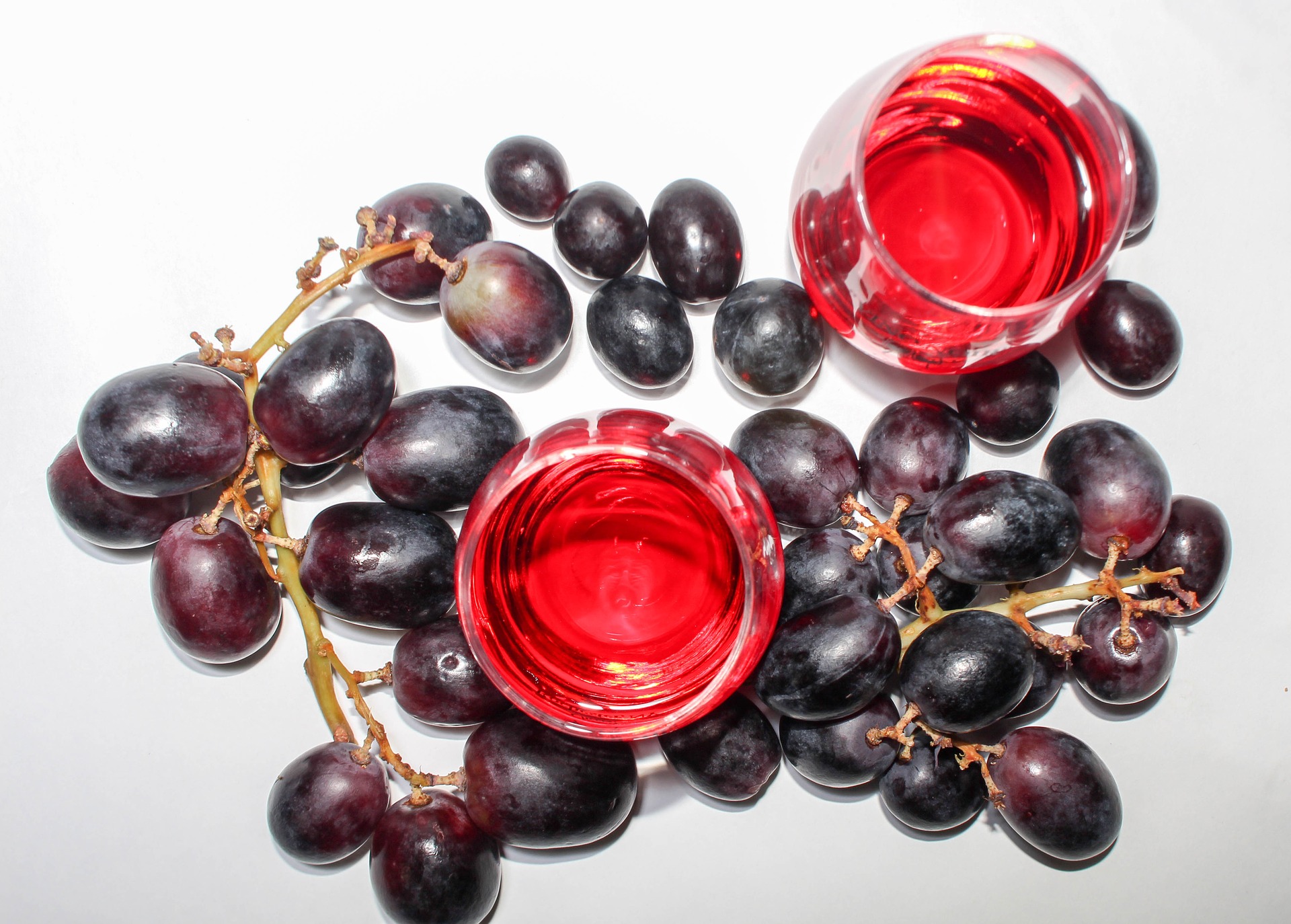
As mentioned at the outset, Yamanashi Prefecture and Hokkaido are currently the only two regions designated as a wine "GI."
While lovers of Japanese wine surely believe that "each prefecture has its own distinctive wine characteristics," the reality is that the national government has yet to clearly define standards for these wines.
There is ample potential for more designated "GI" wine regions to emerge in the future.
Japanese wine is still in the midst of its evolution.
Let us continue to keep a close eye on these developments.
References
Valuable Insights into Geographical Indication "Yamanashi"! – The Story of GI Yamanashi Wine