

Have you heard of a “cheese starter”?
Cheesemaking begins by adding a starter culture, such as lactic acid bacteria, to raw milk.
A cheese starter is essential to cheesemaking: it helps coagulate milk proteins and develops distinctive flavors.
Yet today, Japan depends on imports for most of these cultures.
There are growing hopes for wider use of the “J Cheese Starter,” a cheese starter made with domestically sourced lactic acid bacteria, as a way to create appealing, distinctly Japanese cheeses using both Japanese milk and Japanese starter cultures.
The Japan Dairy Technical Association recently held an industry event at Tokyo Garden Palace to explain the fundamentals and significance of the J Cheese Starter.
What Is the “J Cheese Starter”?
First, what exactly is a cheese starter?
A cheese starter refers to microorganisms such as lactic acid bacteria, molds and yeasts added to milk when making natural cheese.
Their roles include (1) producing lactic acid during cheesemaking to promote coagulation and (2) breaking down proteins and other components to create distinctive flavors and aromas.
It is easy to see why they are indispensable to cheesemaking.
However, more than 90% of the cheese starters currently used in Japan are imported.
That is where the J Cheese Starter comes in.
Japan is rich in fermented foods. Excellent fermented products such as pickles, miso, soy sauce and sake are made throughout the country, and each region can harbor distinctive local lactic acid bacteria.
Strains particularly suited to use as cheese starters were selected from these sources to create the J Cheese Starter.
J Cheese Starter Talk Session and Tasting
Takashi Himeda, chairman of the Dairy Technical Association, explained that the culture is currently used as a secondary starter but that the goal is to make it suitable for use as a main starter as well. He stressed that cheese will be important in supporting the future of dairy farming, making this a highly significant mission.
Guest Ayumu Ito of the Ministry of Agriculture, Forestry and Fisheries noted that cheese consumption in Japan has roughly doubled over the past 30 years. The share of domestically produced cheese is also rising, the number of cheesemaking workshops is increasing, and quality is improving, as shown by awards at WCA 2024. Ito said, “We hope this initiative will help differentiate Japanese cheese and increase its value. We also hope that this will lead to further expansion of demand and promotion of dairy farming.”
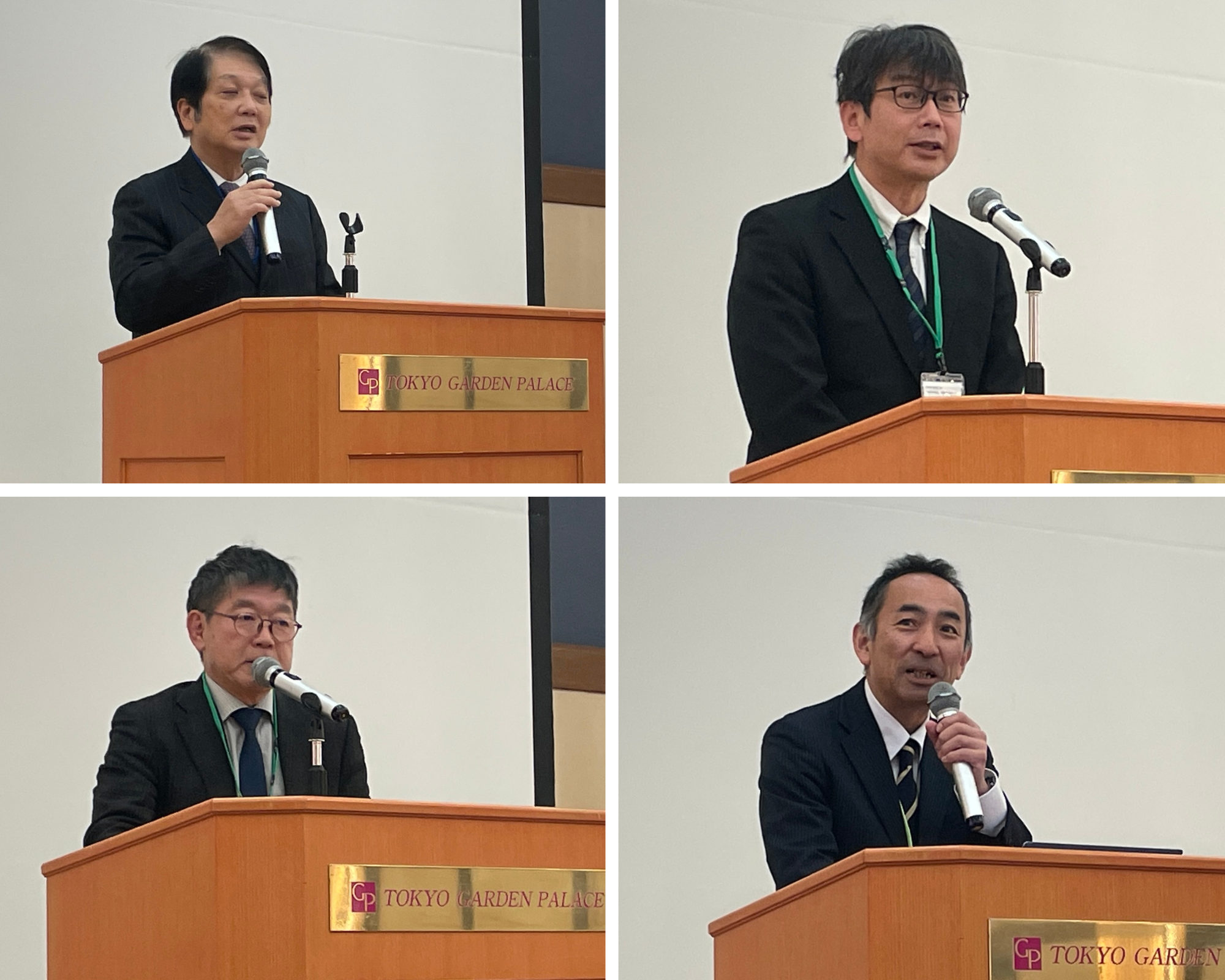
Hideo Miyazawa, director and head of sales at the Zao Dairy Center, gave a presentation titled “Basic Knowledge of Cheesemaking and the Significance of the J Cheese Starter.”
“It is wonderful that the safety of domestically sourced lactic acid bacteria has been verified and that full-scale practical use is now taking shape. In the future, I hope the J Cheese Starter will help create cheeses with characteristics unavailable in overseas products—cheeses that make people say, ‘This is Japanese cheese.’”
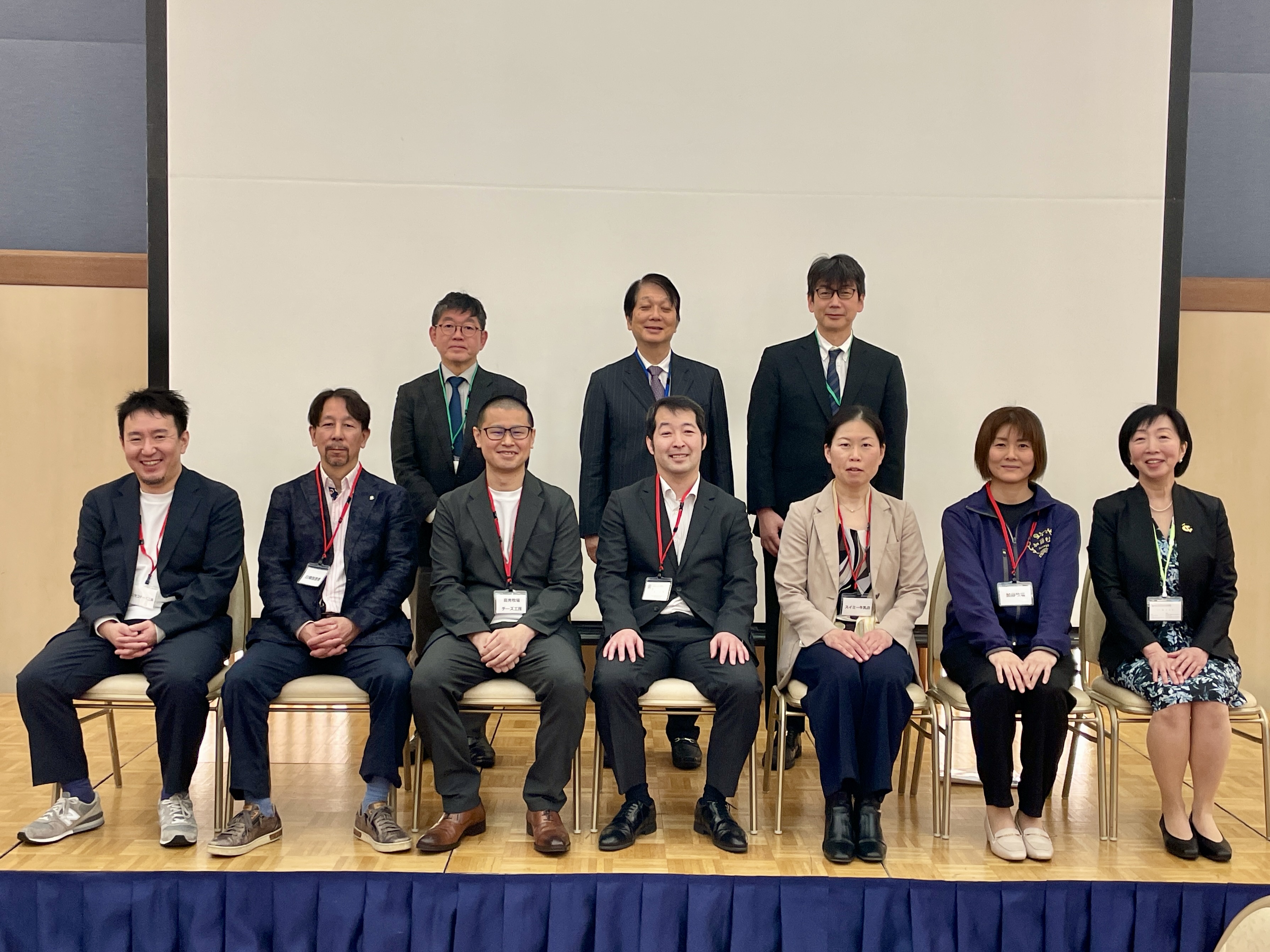
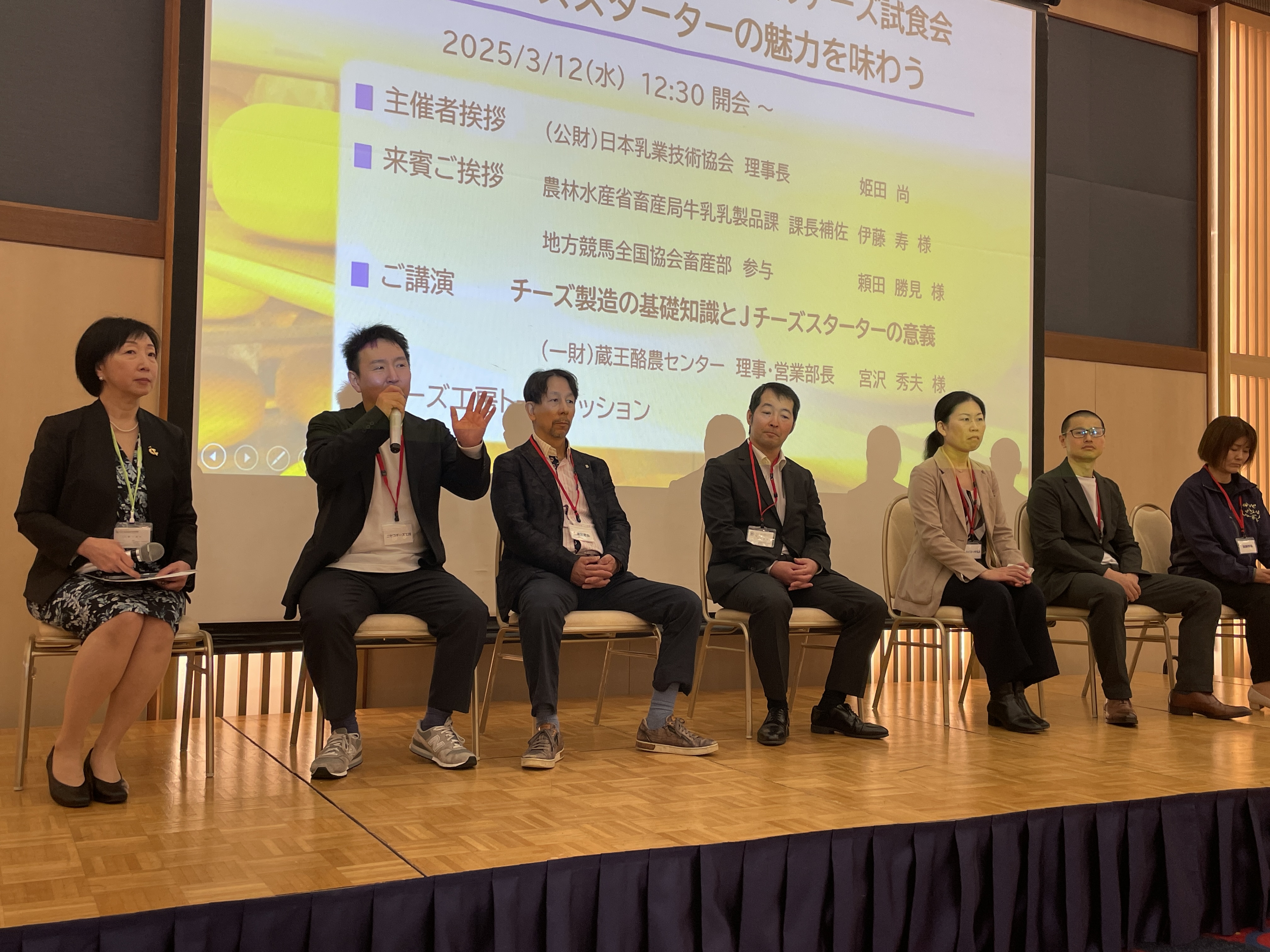
In a cheesemaker talk session moderated by Aki Sakagami, president of the Cheese Professional Association, six producers who had tested the J Cheese Starter discussed their impressions, advantages and disadvantages, and what they wanted consumers to know.
Hiroshi Kondo of Niseko Cheese Factory, describing a trial in which he replaced an imported starter, said, “After about a year, the milk flavor developed with real richness. If too much is added, the milk character becomes overly strong, so the amount needs to be adjusted.”
Kazuyoshi Inokuchi of Shiranuka Rakukeisha, who says that using 100% Japanese ingredients has long been a dream, noted that the workshop already uses domestically produced rennet.
“There are many possible ways to use the J Cheese Starter, so I want to experiment with different approaches. Above all, the most important thing is that the cheese becomes more delicious. I believe we need to keep improving our techniques for that purpose.” His comments further raised expectations among consumers.
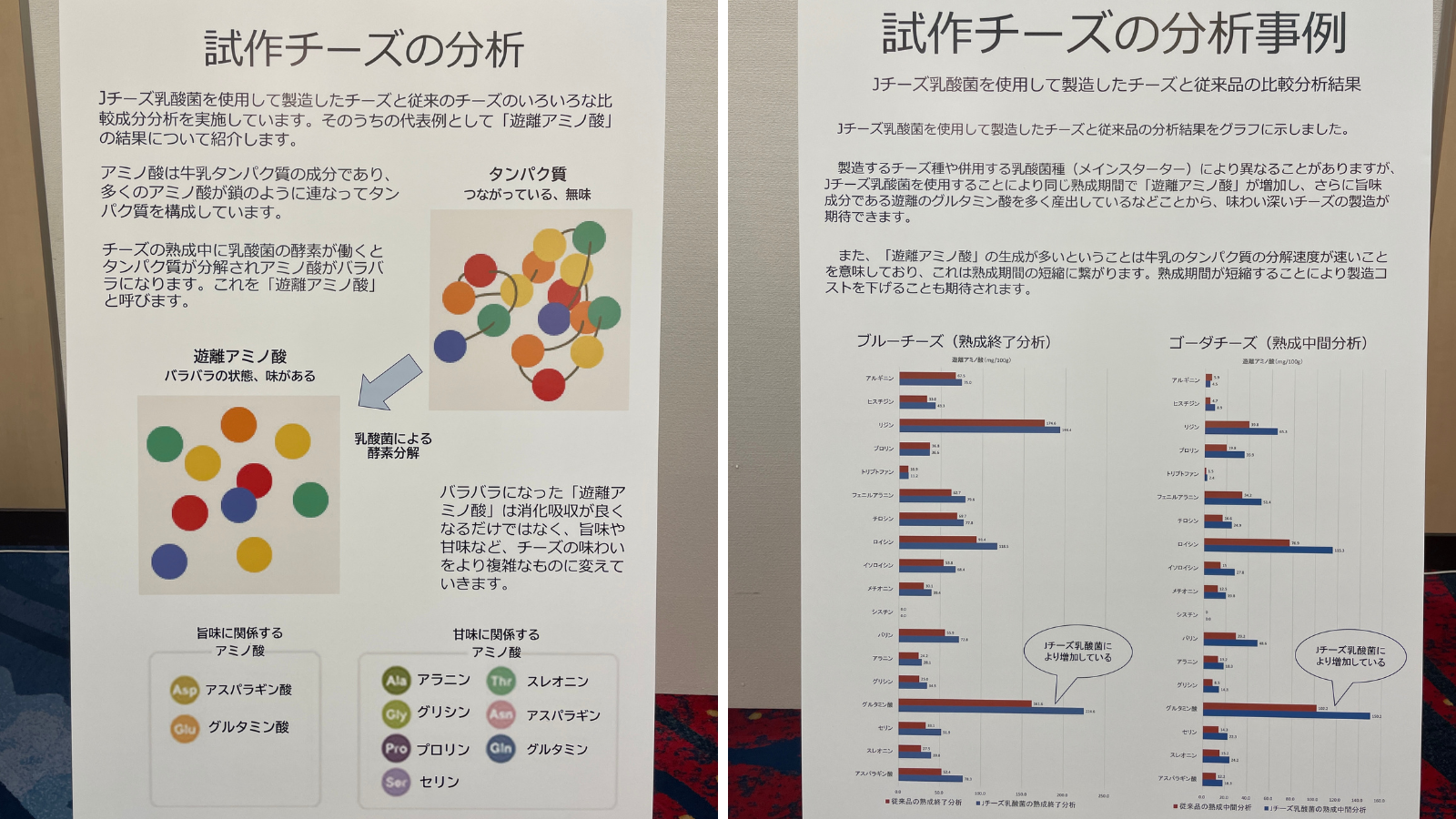
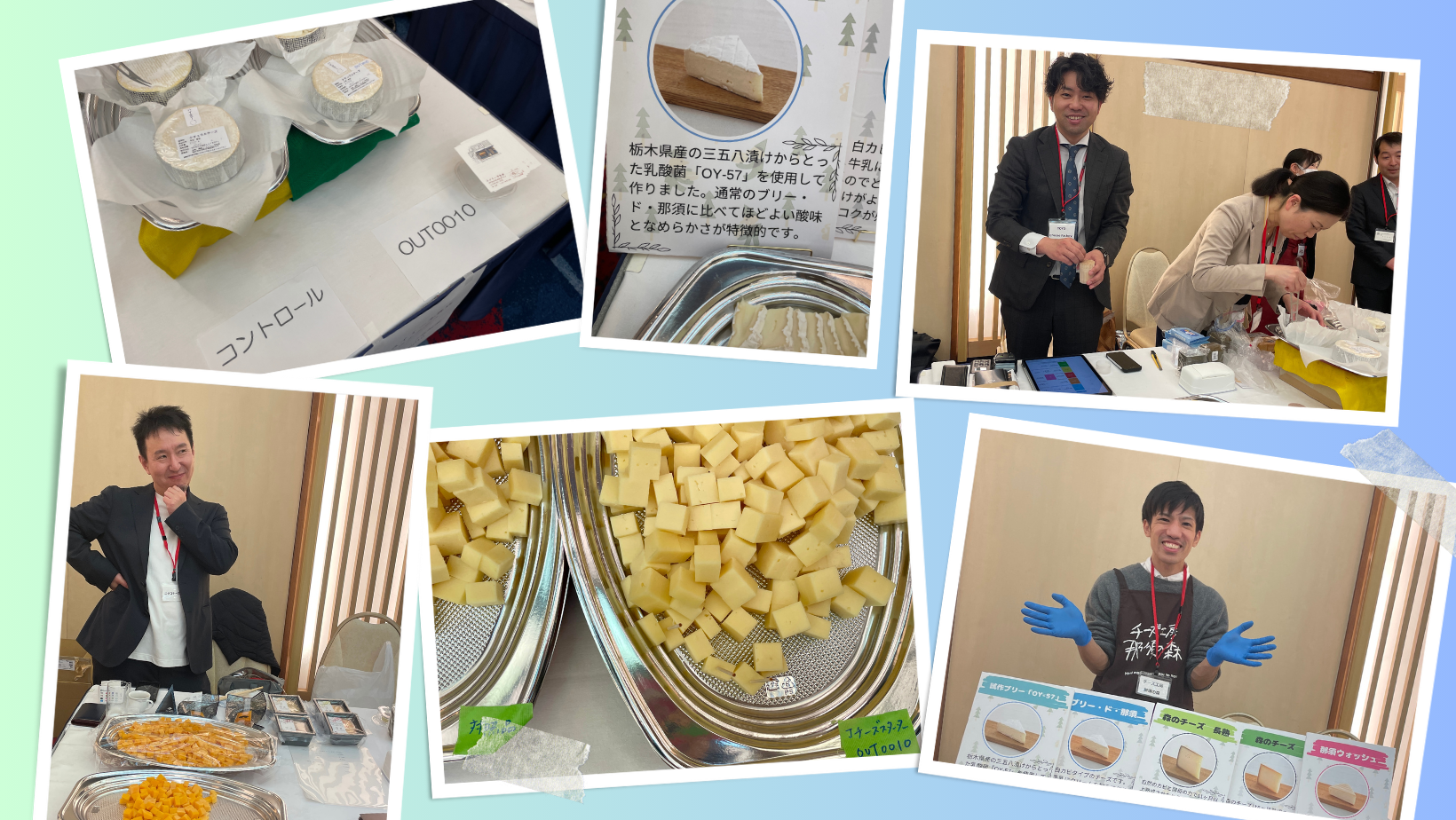
Comparative Tasting of J Cheese Starter Cheeses and Conventional Products
Cheesemakers who had tested the J Cheese Starter attended the event and offered their cheeses for tasting alongside control products.
Industry participants commented that “the difference is not dramatic, but the richness of the milk comes through more clearly and the texture seems smoother,” that the cheeses had “a style Japanese consumers are likely to enjoy,” and that they showed “clean acidity.”
Finally
Following the World Cheese Awards 2024, one of the world’s largest cheese competitions, held in Portugal, many cheesemakers and industry professionals appear to be searching for answers to questions such as what “Japanese cheese” is and what makes a cheese distinctly Japanese.
The J Cheese Starter could become one possible answer.
It may also contribute to strengthening the competitiveness of Japanese cheese and improving Japan’s food self-sufficiency.
The J Cheese Starter project, built around domestically sourced lactic acid bacteria, will be one to watch as it continues to evolve.