

In the future, if the characteristics of Japanese wine become firmly defined, "Japanese wine-style wines" might begin to circulate in the market.
Wine lovers may focus on the "background" in which a wine was born, but for those not particularly interested in the wine's story, they might say, "nothing beats cheap and delicious."
Previously, an article titled "Lab-Made Whiskey, Lab-Made Wine" contributed by Derek Lowe to Science Translational Medicine became a hot topic.
Although the information is a bit dated, it was about how attempts to artificially create wine and whiskey in a lab had begun to show certain results.
While it is natural to seek deliciousness in wine, this content made us think anew about what "delicious alcoholic beverages" are, so let us introduce it.
Alcoholic Beverages Perceived as Delicious Can Be Manufactured

Companies such as "Endless West" proved that by adding trace amounts of chemicals to water and ethyl alcohol, they could create delicious wine and whiskey.
For example, wine contains numerous chemical components.
Starting with the influence of yeast during fermentation, they react with each other in complex ways through various processes such as aging, reduction, and oxidation, finishing into a flavor that we find pleasing.
However, if the chemical substances of the wine as it is finally bottled and poured into a glass are known, it is possible to create a wine similar to that wine.
Whether it is a Koshu from Katsunuma, a Merlot from Nagano, Château Pétrus, or a 15-year-old Romanée-Conti...
There, appellation systems, terroir, the philosophies of growers, and winemaking techniques are not involved at all; there only exists "delicious (...manipulated to be so) wine."
Wine Is an Aggregate of Flavor Compounds
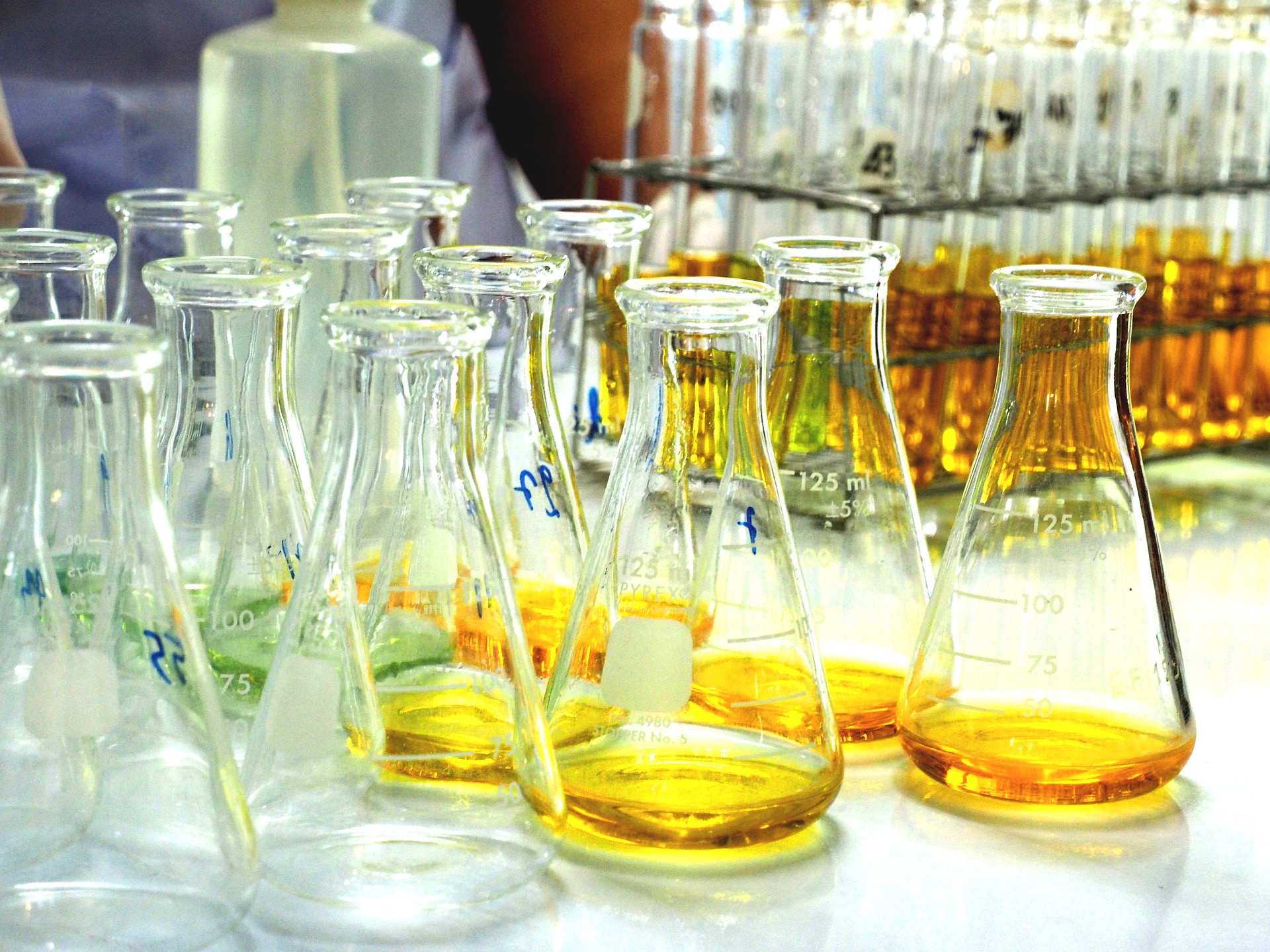
Wine contains a large number of flavor compounds.
Data previously published in a foreign study reported that "around 500 aromas in red wine and 700 aromas in white wine" were detected.
Of course, that is not all there is to wine, and it is easy to imagine that far more chemical components are hidden.
The compounds contained in wine start with esters, terpenes, thiols, diacetyl, norisoprenoids, and aldehydes, and polyphenols are also involved in the creation of flavor and aroma, so detecting them one by one would be endless.
Vicente Ferreira of the University of Zaragoza has conducted experiments using reconstituted wine made for other research purposes, rather than artificial wine.
First, volatile aroma components are separated from wine using a method called freeze-drying.
Furthermore, a solvent called dichloromethane is used to extract the remaining aroma substances.
Then, nitrogen is passed through the solution to remove the dichloromethane, which is dissolved in mineral water to make a wine base.
Then, by extracting various aroma components from another wine and combining the extracted wine aroma components with the non-volatile wine base, the reconstituted wine is complete.
However, not only is this labor-intensive, but it also simply separates wine aromas and adds them to a non-volatile base, making commercialization difficult.
In the case of researchers at Endless West, they create artificial wine and whiskey through a simpler method.
Target Flavors Can Be Created Artificially
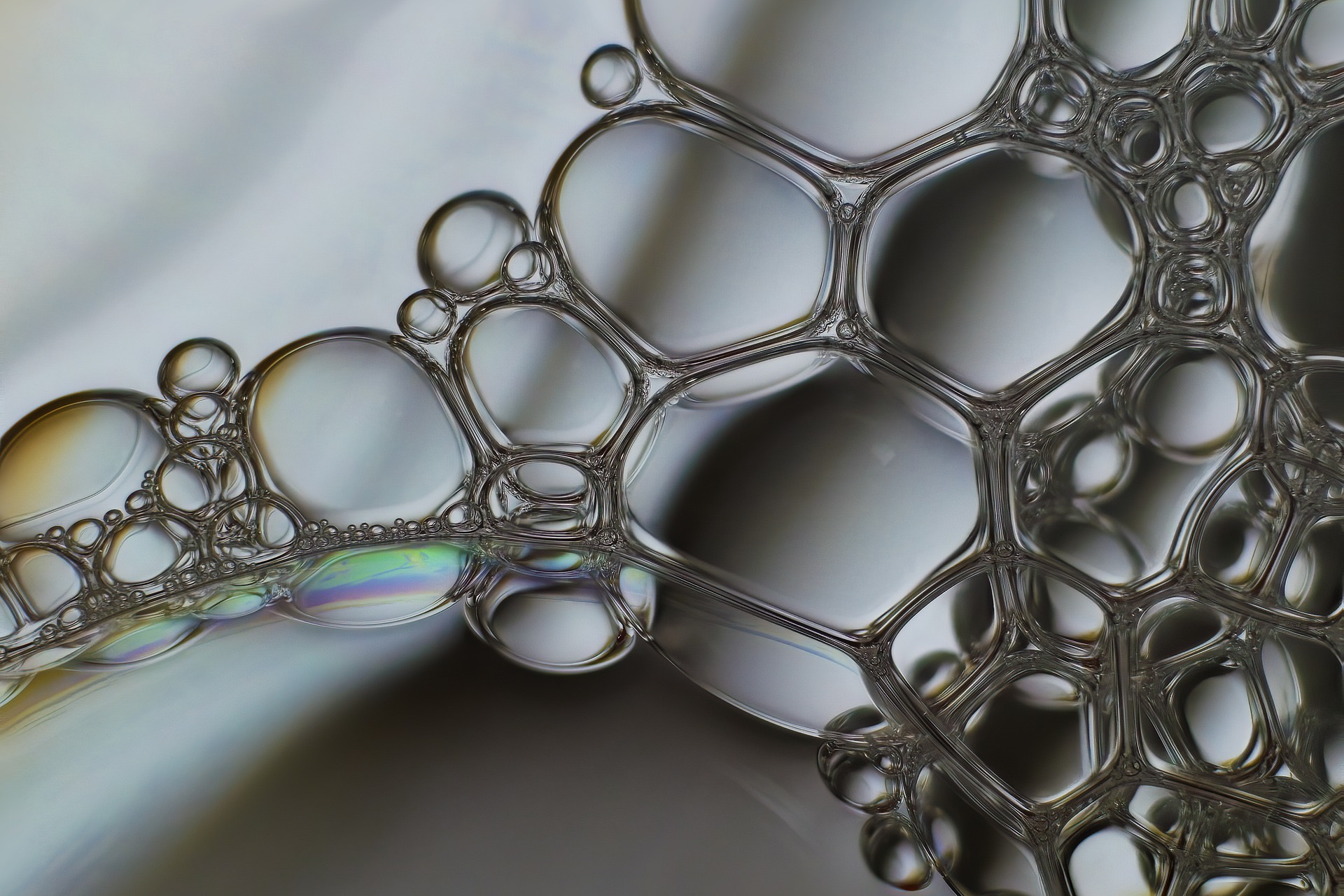
Researchers at Endless West first prepare the target beverage and clarify its aroma components using LC/MS (liquid chromatography-mass spectrometry), GC/MS (gas chromatography-mass spectrometry), and the like.
All that remains is to recreate the flavor using food-grade reagents.
It is truly simple.
They seem to understand how to skillfully add components that appear at first glance not to contribute to aroma, and perhaps, unless told, the taste might be at a level indistinguishable from the real thing.
However, neither terroir, philosophy, nor romance exists there, and Derek Lowe described this entire flow by stating, "vitalism is dead."
Focusing More on Whiskey
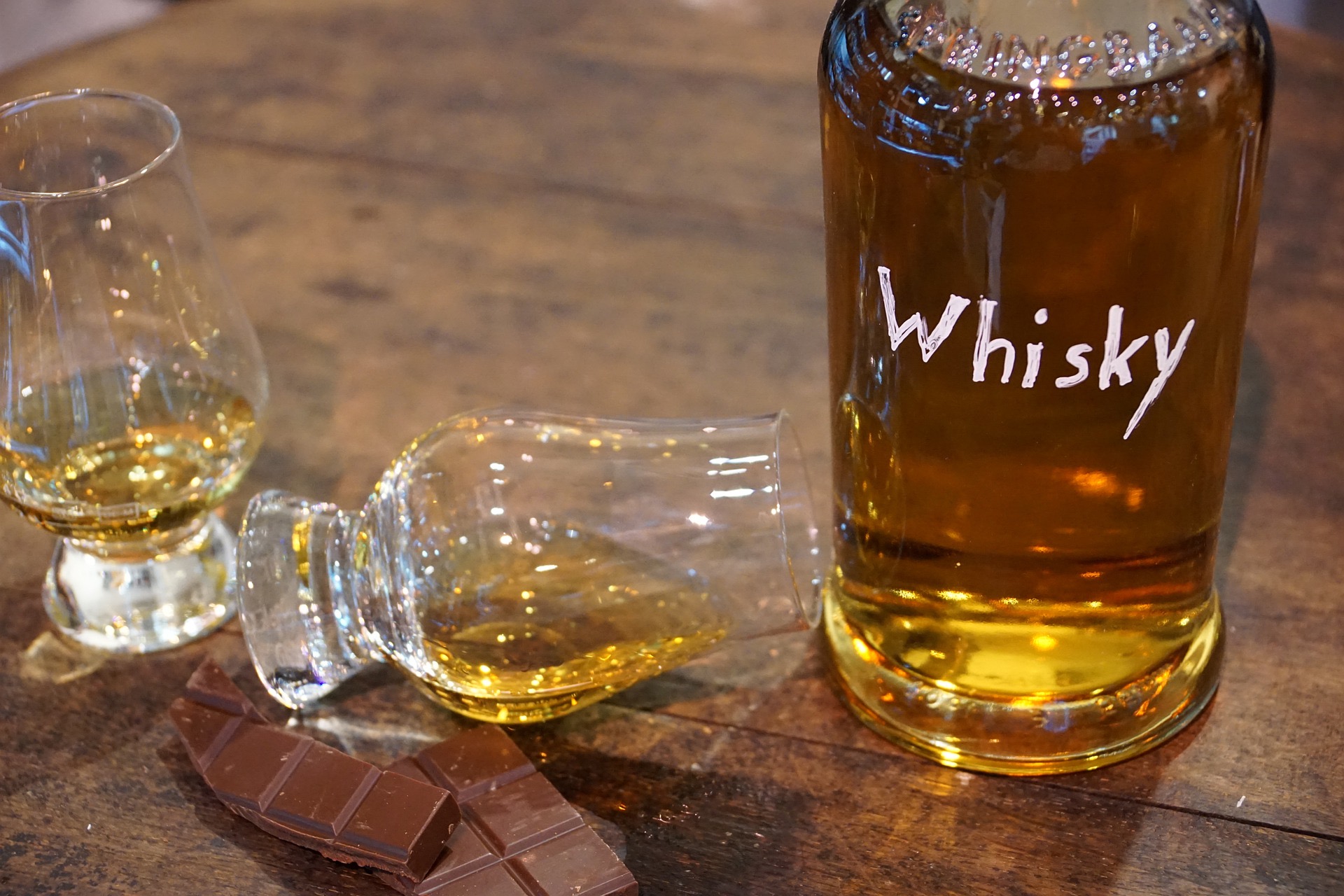
According to the researchers at Endless West, it was reported that results were achieved faster with whiskey than with wine.
In the case of wine, even if the taste can be replicated perfectly, issues such as appellations of origin make commercial dissemination a difficult problem.
However, in the case of whiskey, a category of blended whiskey known as "spirit whiskey" reportedly exists, and it has been reported that they have already begun focusing their efforts on developing a whiskey called "Glyph."
However, problems abound, such as being forced into low-price sales because it is artificial alcohol, and whether consumer interest can be drawn to artificial alcohol that has nothing to do with "the vintage/age of the product," which exists as market value in categories like wine.
Nevertheless, it may be a new category distinct from craft whiskey, and if people can easily enjoy the flavor of a whiskey exceeding 1 million yen, consumers choosing it will likely be endless.
The Relationship Between Deliciousness and Alcoholic Beverages

In a Wall Street Journal article covering Endless West's activities, whiskey maker Colin Spoelman commented, "It will likely be a good opportunity for people to pay attention to the state of an industry that manufactures in factories while touting 'craft.'"
While it may be a forbidden move, one cannot say the possibility is zero that some maker or individual might crowdfund in a manner similar to Endless West in the future to create a "Romanée-Conti-style wine."
There is a certain number of people who say, "Even if it's artificial wine, it's delicious and cheap, so this is fine."
However, we know (as pleasure in the form of reward) that we are attracted not only to deliciousness, but also to various stories and philosophies.
What on earth is "deliciousness"?
It was a report that once again made us think about the value of wine.
Reference
Lab-Made Whiskey, Lab-Made Wine
https://blogs.sciencemag.org/pipeline/archives/2018/10/31/lab-made-whiskey-lab-made-wine
An Attempt to Create Wine and Whiskey by "Adding Chemicals to Water and Alcohol"
https://gigazine.net/news/20181107-lab-made-whiskey-wine/