
One popular pairing is "Nigiri Sushi × Wine."
Particularly when considering combinations centered on Japanese wine, you can enjoy unexpectedly unique pairings, making it an increasingly "classic" pairing today.
However, because it carries a formal impression and requires a certain degree of technique, some people might feel that trying it at home has too high a hurdle…
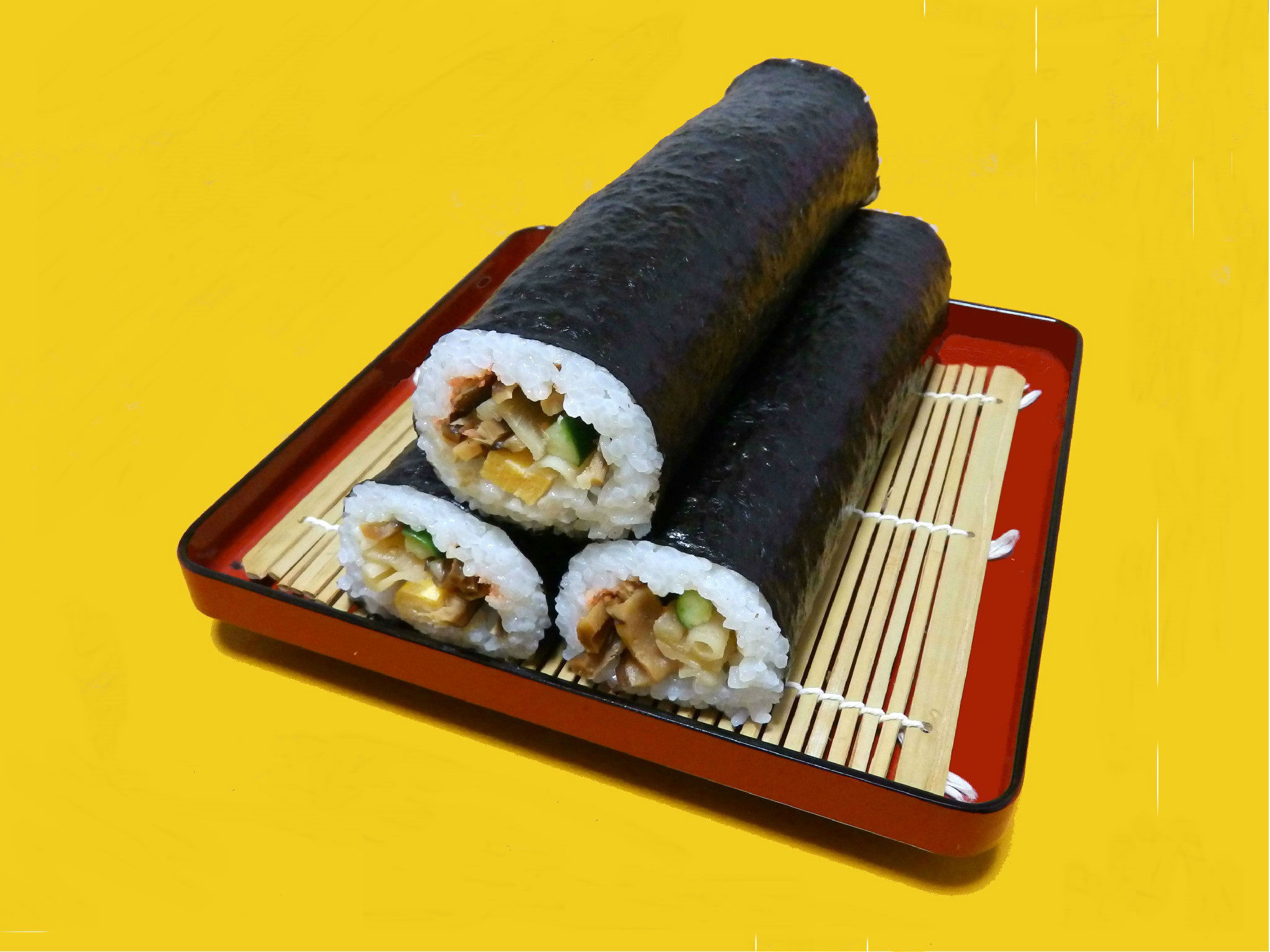
For those who want to pair sushi and wine without overthinking it, we recommend "Futomaki × Wine," familiar from the Ehomaki tradition.
Please give it a try.
Reasons Why Futomaki and Wine Are Recommended
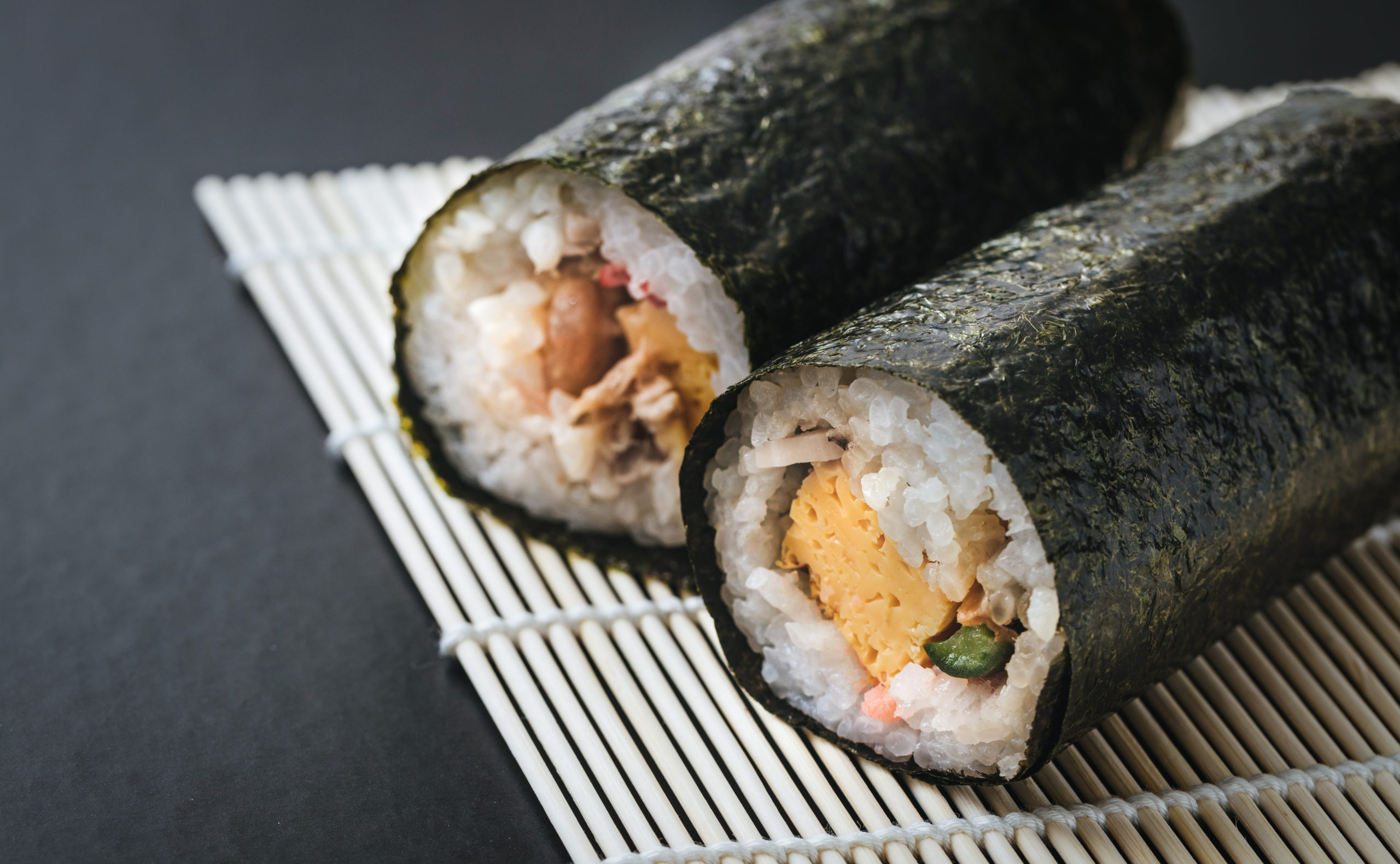
Here are the reasons why we recommend "Futomaki × Wine."
- Vinegared rice and wine go surprisingly well together
- The balance and variety of fillings suit wine
- Easy to pair with casual wines
Of course, if you want to increase your success rate, using Japanese wine is recommended.
Let's go through these points one by one.
Vinegared Rice and Wine Go Surprisingly Well Together
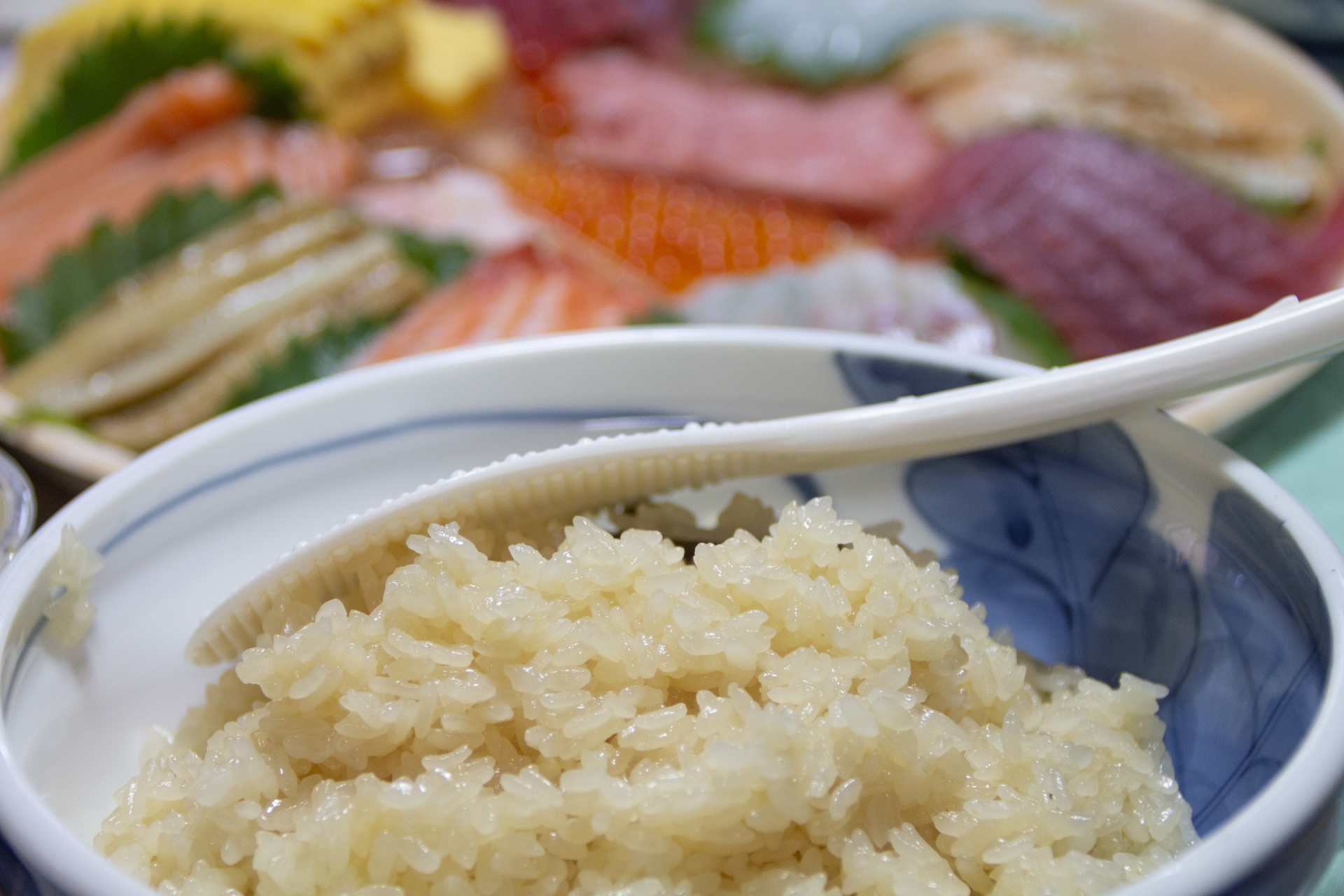
Being told to "pair white rice with wine" might leave you feeling a bit skeptical, but when it comes to vinegared rice and wine, you strangely feel like giving it a shot.
Why is that?…
First of all, the pH of vinegared rice is around 4.3 to 4.4, which is moderately strong acidity—supposedly on par with yogurt. (Narezushi like funazushi is characterized by a yogurt-like taste.)
Because of this, while the starch in regular white rice gets broken down by saliva and turns sweet, with vinegared rice, the vinegar prevents that breakdown, allowing you to eat the rice without perceiving that sweetness.
Furthermore, vinegared rice is almost always cooked somewhat firm, making it easy to eat in terms of texture as well.
A non-sticky texture, and a well-balanced acidity that is not overly sweet.
We might actually perceive vinegared rice more as an "ingredient" rather than just "rice."
Now, setting the characteristics of vinegared rice aside, why does it pair so well with wine?
As mentioned earlier, because vinegared rice is high in acidity and not overly sweet, the wine's acidity and astringency are less likely to be accentuated or clash.
Additionally, because futomaki is not served at the temperature of freshly cooked rice, its sweetness is kept even lower, making it easy to balance the weight and power with wine.
Sometimes takeout sushi shops sell plain vinegared rice by itself, so try pairing it with wine.
You will likely be surprised by how well they go together—more than you would ever imagine.
The Balance and Variety of Fillings Suit Wine
Futomaki is a variety of "makizushi" (rolled sushi).
According to one theory, makizushi was born sometime between 1750 and 1776; it is said that the word "makizushi" had already appeared in the cookbook "Ryori Sankaikyo," published in 1750.
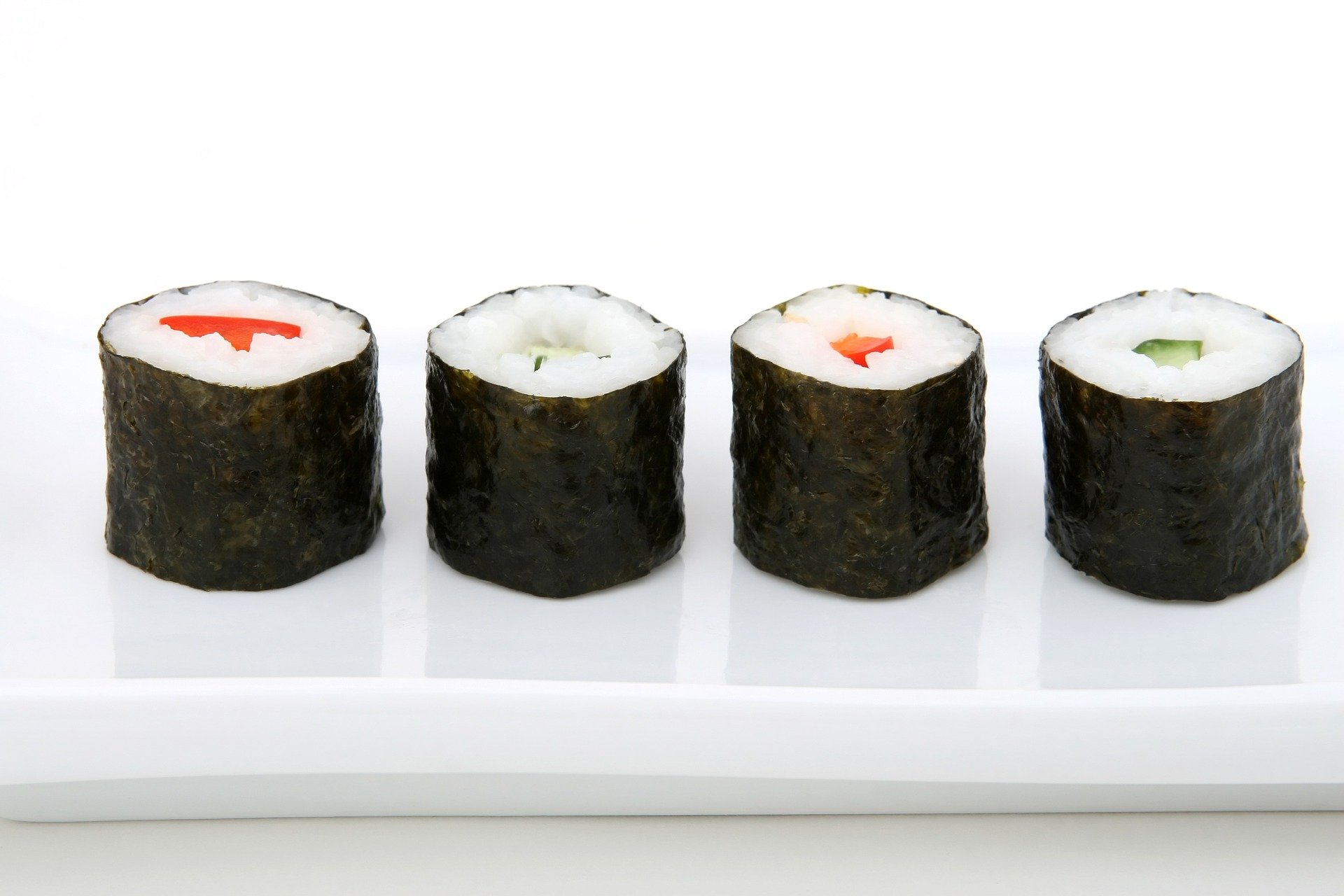
Incidentally, along with futomaki (thick rolls), there is also "hosomaki" (thin rolls). It is believed that in the Kansai region, single-ingredient rolls were felt to be lacking, so thick and medium rolls were favored, whereas in Kanto, chic and neat thin rolls were preferred, leading to the differences in how they are rolled… (While Ehomaki is mainly futomaki, the leading theory also suggests that the origins and spread of this custom came from Osaka merchants.)
Now, these rolled sushis tend to have a higher proportion of vinegared rice than toppings/fillings.
This is obvious when compared to nigiri sushi, where the topping covers the rice.
As explained previously in our article exploring the pairing of "kazunoko" (herring roe) and wine, depending on the type and freshness of seafood, quite a few do not pair well with wine. (Though it also depends heavily on the type of wine.)
In the case of nigiri sushi, it tends to become "a contest between the topping and the wine" rather than the vinegared rice, and unless it is a pairing considered down to the fine details, the wine and ingredient will clash.
On the other hand, since both futomaki and hosomaki contain mostly vinegared rice, it can be considered that they can be paired without being overly swayed by the impact of the fillings.
Let's also look at the fillings used.
In recent years, partly due to Ehomaki spreading throughout Japan, we have come to see rich varieties such as "luxurious seafood futomaki" packed with fresh seafood. (Incidentally, it is considered auspicious for Ehomaki to use "7" fillings, named after the Seven Lucky Gods.)
Even so, typical futomaki fillings are wholesome, humble ingredients such as tamagoyaki (omelet), cucumber, dried shiitake mushrooms, sakura denbu, and kanpyo.
Salmon and tuna are popular ingredients as well, but because of the large amount of vinegared rice and the fact that they are mixed with other fillings, the presence of seafood is less assertive than in nigiri sushi.
It is not that seafood does not go with wine at all, but the fact that the ingredients used in futomaki are relatively less prone to clashing with wine, and that any seafood present has a diminished impact, can be considered a key point for pairing.
The futomaki included in sukeroku sushi sets can be enjoyed deliciously with or without soy sauce, and looking at its characteristics, it can truly be called a wine-friendly food.
Easy to Pair with Casual Wines
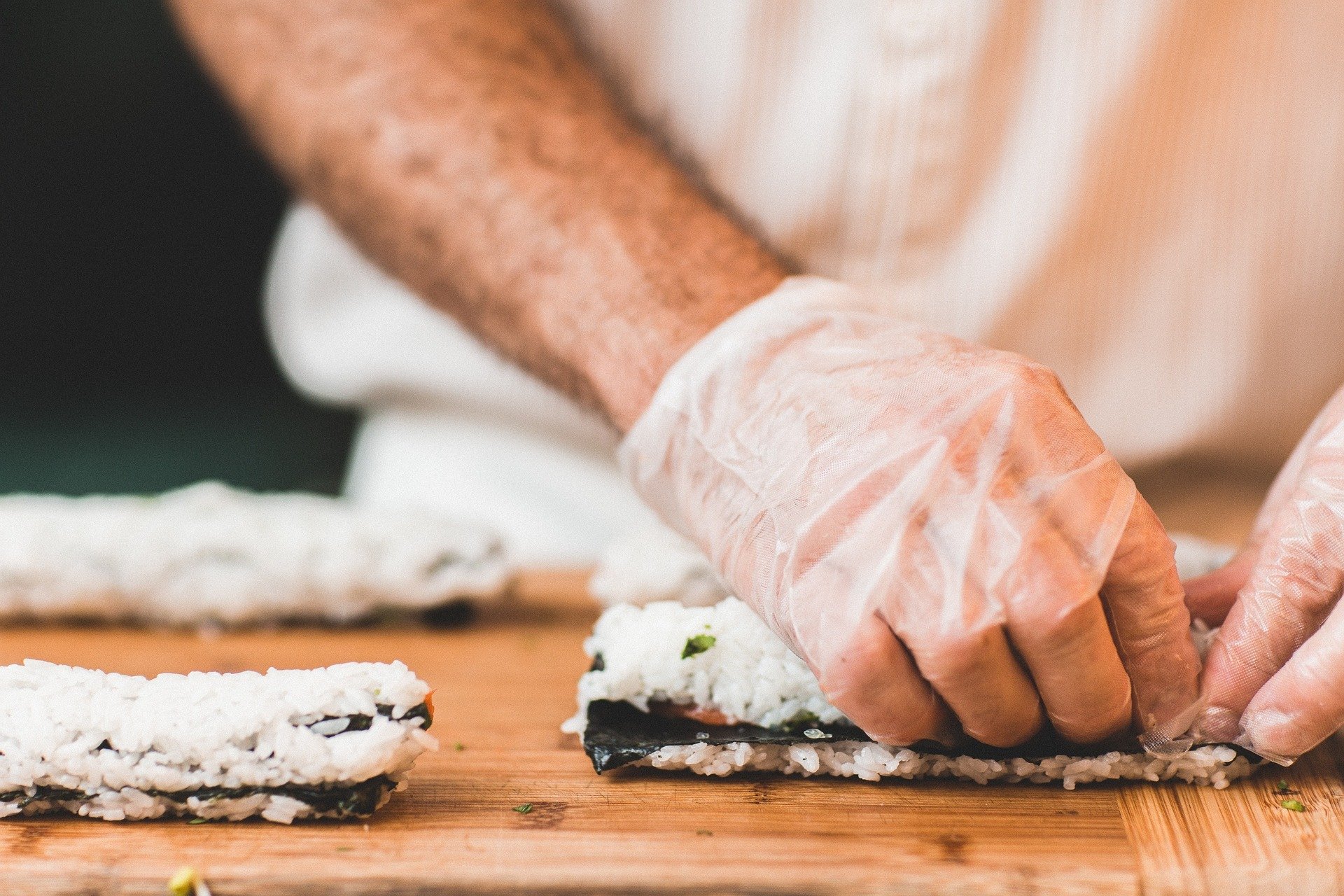
When enjoying wine pairings, "accessibility" is also an important element.
While "Nigiri Sushi × Wine" can be enjoyed casually depending on the approach, psychologically it is a pairing where people tend to think, "If I'm going to do it, I want to prepare proper sushi and wine."
On the other hand, futomaki can often be purchased at casual prices (though there are many high-end ones as well) and can also easily be made at home.
Casual futomaki mainly uses the aforementioned wholesome ingredients, so you can comfortably take on the challenge of pairing it not with fine wine, but with your everyday everyday drinking wine at home.
Japanese wine is still recommended when pairing with sushi styles, but standard grape varieties priced around 1,000 to 1,500 yen like Koshu, Delaware, or Muscat Bailey A, or casual Japanese sparkling wines with a touch of sweetness, are more than enough.
That said, some might say, "At least for Ehomaki, let me go all out with a luxurious 'Futomaki × Wine'!"
For those people, try pairing a gorgeous seafood futomaki made with red vinegar (akazu) with high-end Koshu wine.
You can enjoy an impressive, moving pairing.
Nevertheless, "Futomaki × Wine" is fundamentally a combination we want you to enjoy casually.
Without overthinking it, please try pairing an everyday futomaki with casual Japanese wine.
Pairing Ritto Winery (Biwako Winery) with Futomaki
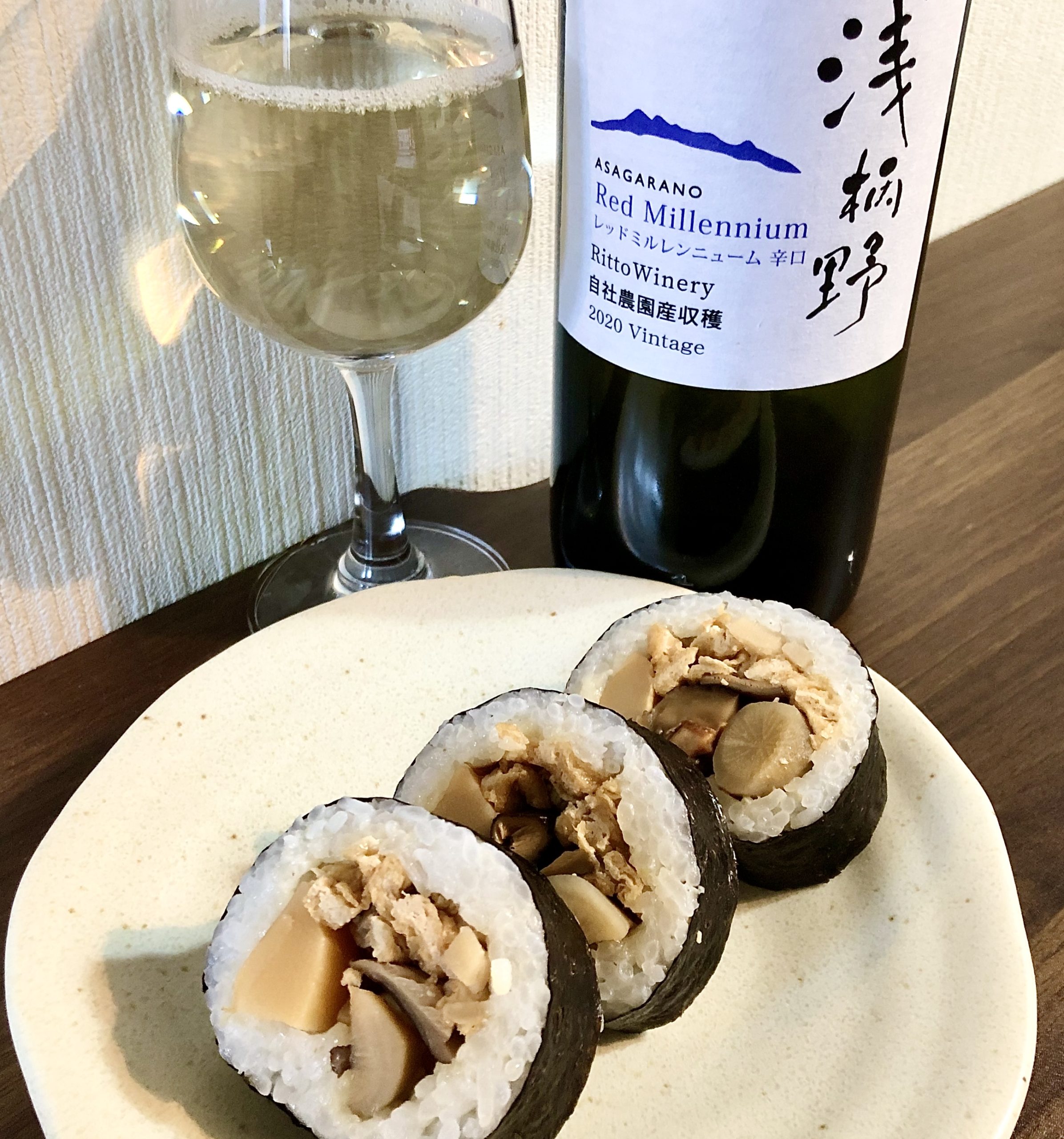
We actually tried pairing futomaki with wine.
The wine prepared was Ritto Winery's (Biwako Winery) 〈Asagarano Red Millennium 2020〉.
Made with 100% estate-grown Red Millennium grapes, this pure dry white wine offers a refreshing aroma reminiscent of apples, pleasant acidity, and a fruity finish.
The futomaki chosen was "Root Vegetable and Donko Shiitake Futomaki."
It is a gently flavored futomaki made with simple ingredients such as bamboo shoots, lotus root, donko shiitake mushrooms, burdock root, and fried tofu.
The flavors of nori and vinegared rice, along with the deep, savory umami flowing from the fillings, paired remarkably well with the pure, fruity flavor of 〈Asagarano Red Millennium 2020〉.
Furthermore, the gorgeous aroma of 〈Asagarano Red Millennium 2020〉 lingered pleasantly through the nose on the finish, making it a pairing that felt delightfully comfortable.
The fact that the wine was not overly complex or heavy in volume—in a good way—might have been a contributing factor to the pairing's success. (An impression close to a pure ginjo sake.)
A casual wine and a casual futomaki.
A pairing like this can readily answer that sudden, spontaneous craving of "I somehow feel like having vinegared rice and wine together."
Japanese Cuisine and Wine Should Be Casual

To enjoy "Wine × Japanese Cuisine" on an everyday basis, we first need to increase the number of pairings that anyone can easily try.
The "Futomaki × Wine" recommended here is a pairing you can put together using food delivery, convenience stores, or supermarkets; it is not a lavish affair that requires you to spend big or dress up.
With "Futomaki × Wine," you should be able to try it right away with the casual staple bottles in your refrigerator or wine cellar.
"Futomaki × Wine."
By all means, try incorporating it into a part of your life.
References