

Professional wine tasters, restaurant staff handling wine, and wine shop buyers sometimes taste dozens or even hundreds of wines in a single day.
Generally, wine taken into the mouth is spat into a spittoon, but evaluating numerous wines seriously will undoubtedly leave you feeling extremely exhausted.
Now, not only professionals but also general wine consumers may attend large tastings where wine is provided in abundance, but caution is necessary when consuming large quantities of red wine.
The reason is that "tasting multiple wines makes it impossible to evaluate wine properly"...
Here, let us explain the cause and its countermeasures.
Saliva and Tannins

When taking in large quantities for the purpose of wine evaluation, after taking the wine into the mouth, it is spat out into a spittoon.
Especially after tasting red wine with strong tannins, spitting it into a spittoon reveals reddish-purple clumps. (Apologies for the graphic description.)
Those seeing it for the first time might be surprised, but this is formed by the reaction between wine and saliva, mainly representing clumps where tannins in the wine have bound with salivary proteins.
While tasting just a few times poses no problem, repeating the process that produces these clumps many times causes changes in the amount of saliva secreted.
In fact, this continuous phenomenon of clump formation is one of the factors that skews wine tasting evaluations.
Astringency Keeps Increasing

When you drink red wine, salivary proteins bind with tannins and precipitate, causing you to feel astringency and dryness in the mouth.
Afterwards, because the mouth is covered and lubricated by a viscous substance called mucin contained in saliva, astringency and dryness generally do not persist.
However, when red wine is consumed consecutively within short intervals, the mucin in the deeper layers is stripped away, causing you to perceive the astringency more intensely.
In the case of flavors and aromas, "adaptation" occurs (which is an issue in itself), but with astringency, it is perceived more strongly, making it considerably difficult to evaluate red wine fairly.
In other words, at important tasting events such as Bordeaux en primeur, there is a risk of giving a low score to a wine that should originally be rated highly.
Personally, I have also participated in tastings featuring several hundred types of Bordeaux red wines, and the latter half was a situation that could only be described as penance.
This raises the question of whether the evaluations of wine tasters around the world can be trusted...
What kind of countermeasures are they taking?
What Are the Countermeasures to Prevent Increasing Astringency?

The problem of increasing astringency due to decreased mucin.
Are there any effective countermeasures?
Hydration
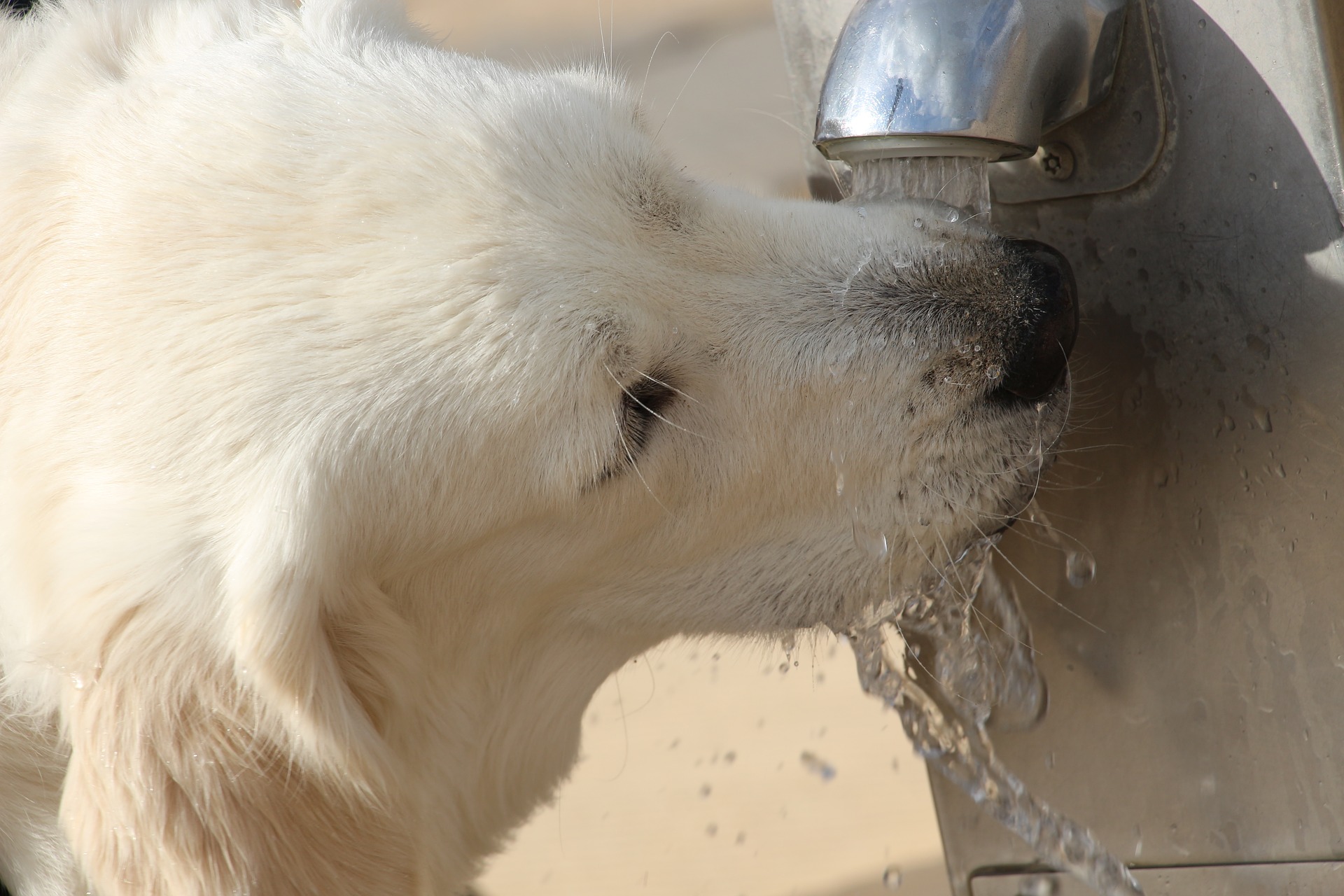
First, the countermeasure professionals take is adequate hydration.
Naturally, since saliva is bodily fluid, hydrating is also important from the perspective of "preventing intoxication."
You might think that is obvious, but especially among the general public, there is a tendency to go overboard and neglect hydration, thinking, "With so much wine available to drink, it would be a waste to dilute my palate with water!"
Conversely, understand that proper hydration is important for enjoying wine deliciously. (This is also effective at drinking parties where you enjoy multiple wines.)
Unsalted Crackers
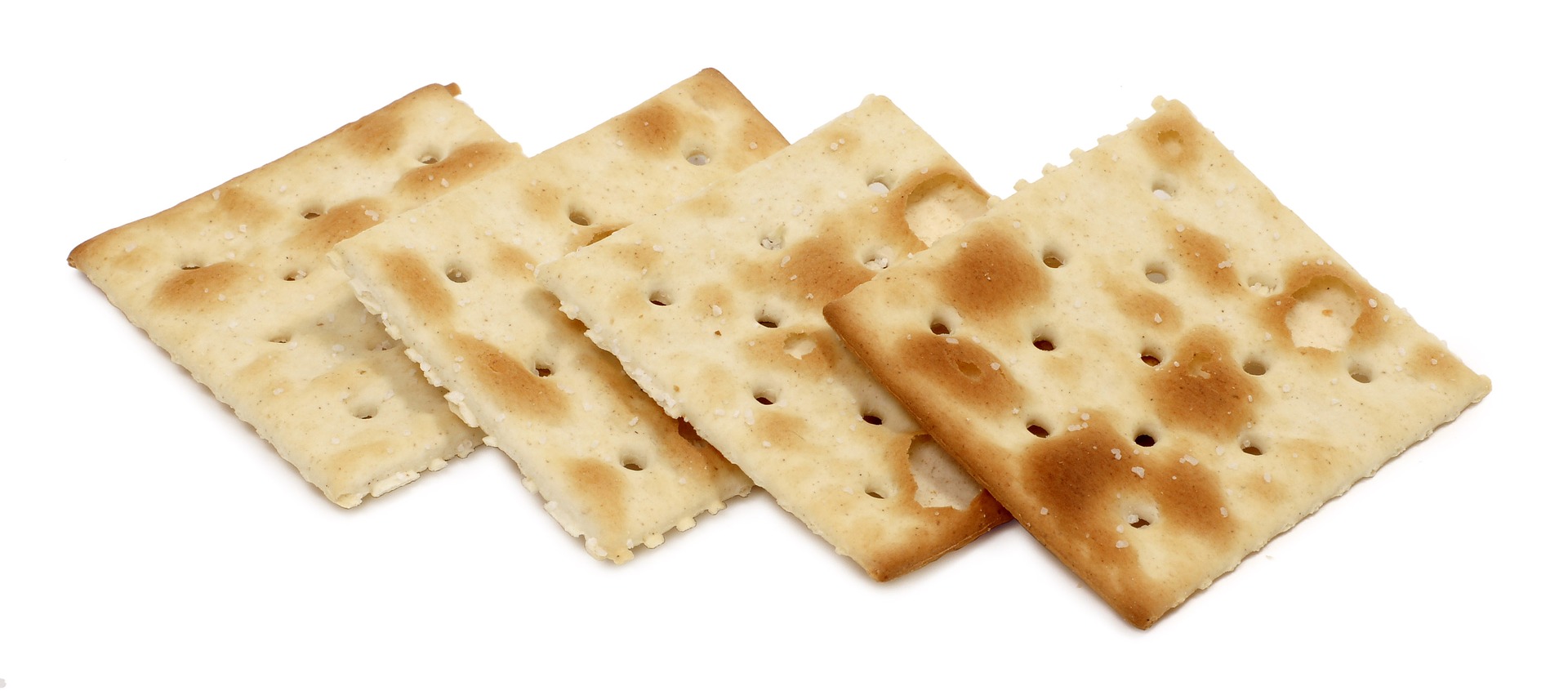
When you go to tastings and similar events, unsalted crackers or bread are often placed on the tables.
You might think, "Are these snacks?", but keep in mind that they are actually provided to stimulate saliva secretion.
According to research comparing the buildup of astringency using various palate cleansers after drinking wine, unsalted crackers were suggested to suppress the increase in astringency the most. (Although another study showed pectin was the best, unsalted crackers are ideal considering they can be routinely prepared.)
Unsalted baguette and similar bread are also said to be good.
Being Mindful of Nasal Breathing
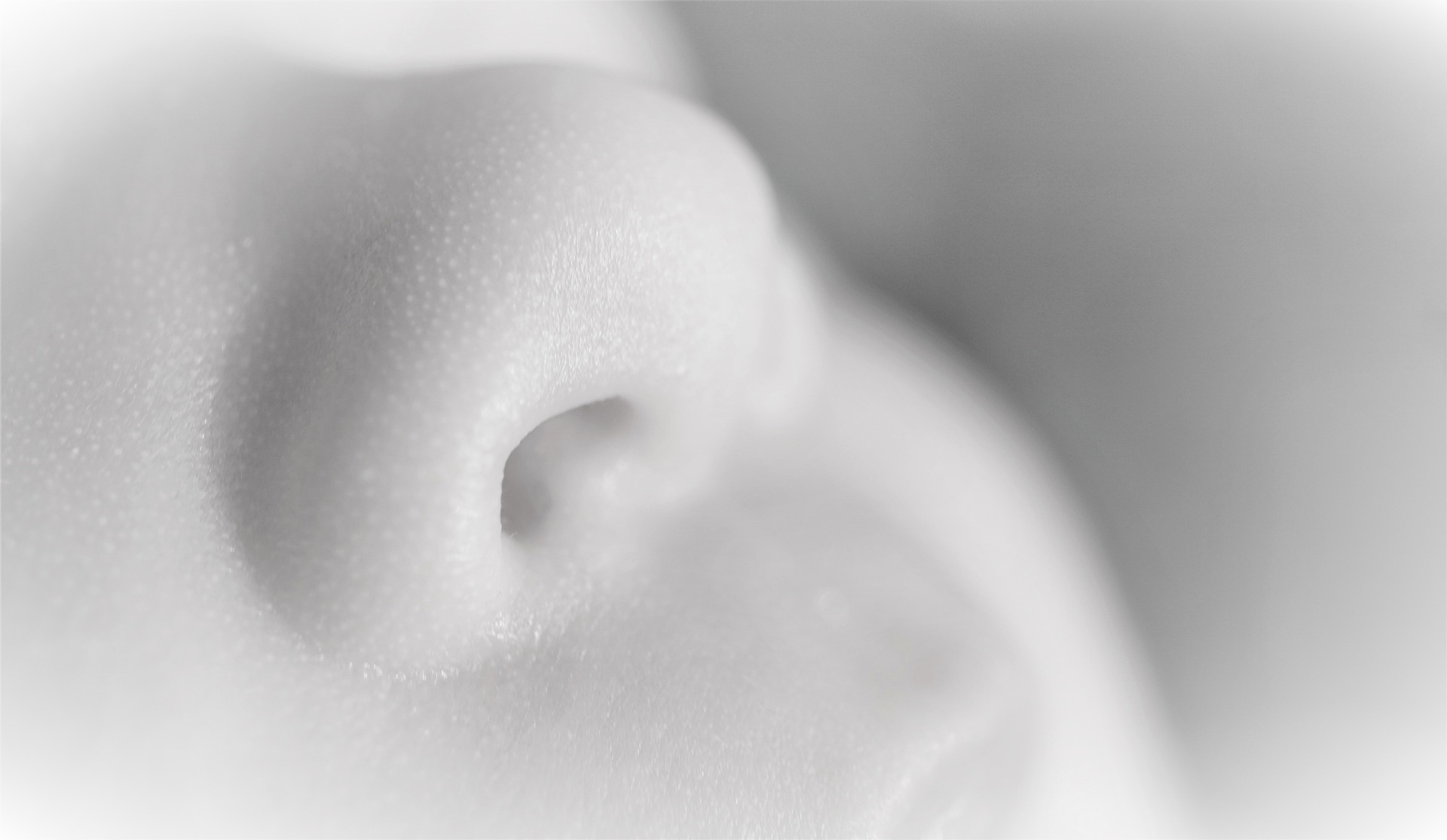
While it might be hard to call this an immediate countermeasure, if you wish to lead a life of tasting dozens or hundreds of wines in the future, you should be mindful of "nasal breathing."
Although it is said that saliva volume varies by person, mouth breathing reportedly evaporates much more saliva compared to nasal breathing.
Mouth breathers are said to lose approximately 350 ml of saliva a day, which may adversely affect situations where you taste many types of wine.
If you wish to evaluate wine properly, it might be a good idea to be mindful of nasal breathing going forward.
Knowing Your Body Is Also a Secret to Becoming an Excellent Taster
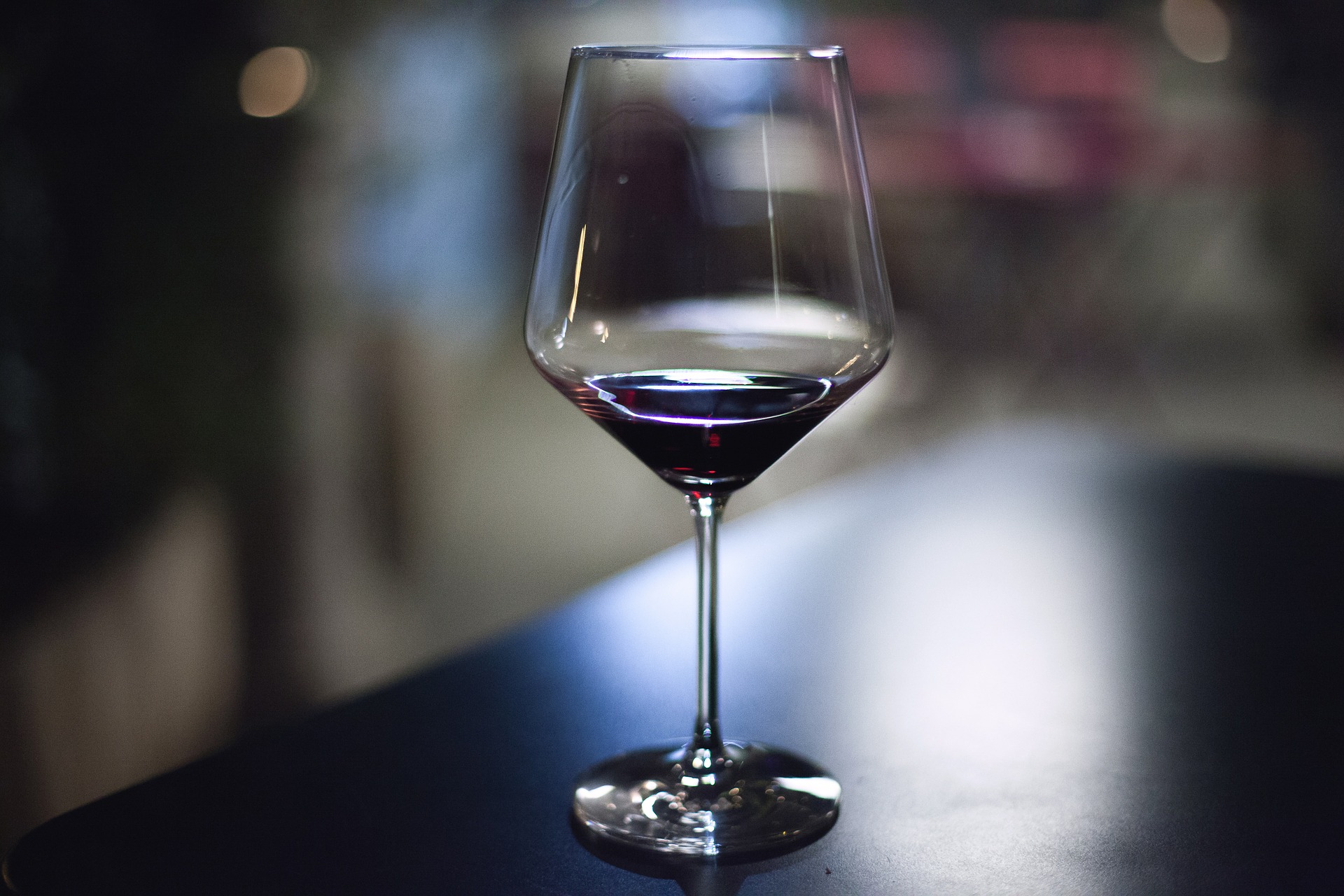
Some people may wish to teach, sell, or communicate wine to others as wine tasters.
If you aspire to such a role, understanding your own body may also be necessary.
Few people can evaluate the first glass of wine and the hundredth glass under the exact same physical condition.
However, it is very important to consider how to create conditions as close as possible to the first glass, even in that situation.
When you drink wine in the future, why not give some thought to your own saliva secretion?
References
The Science of Wine: From Vine to Glass | Jamie Goode, Nobuko Ito