
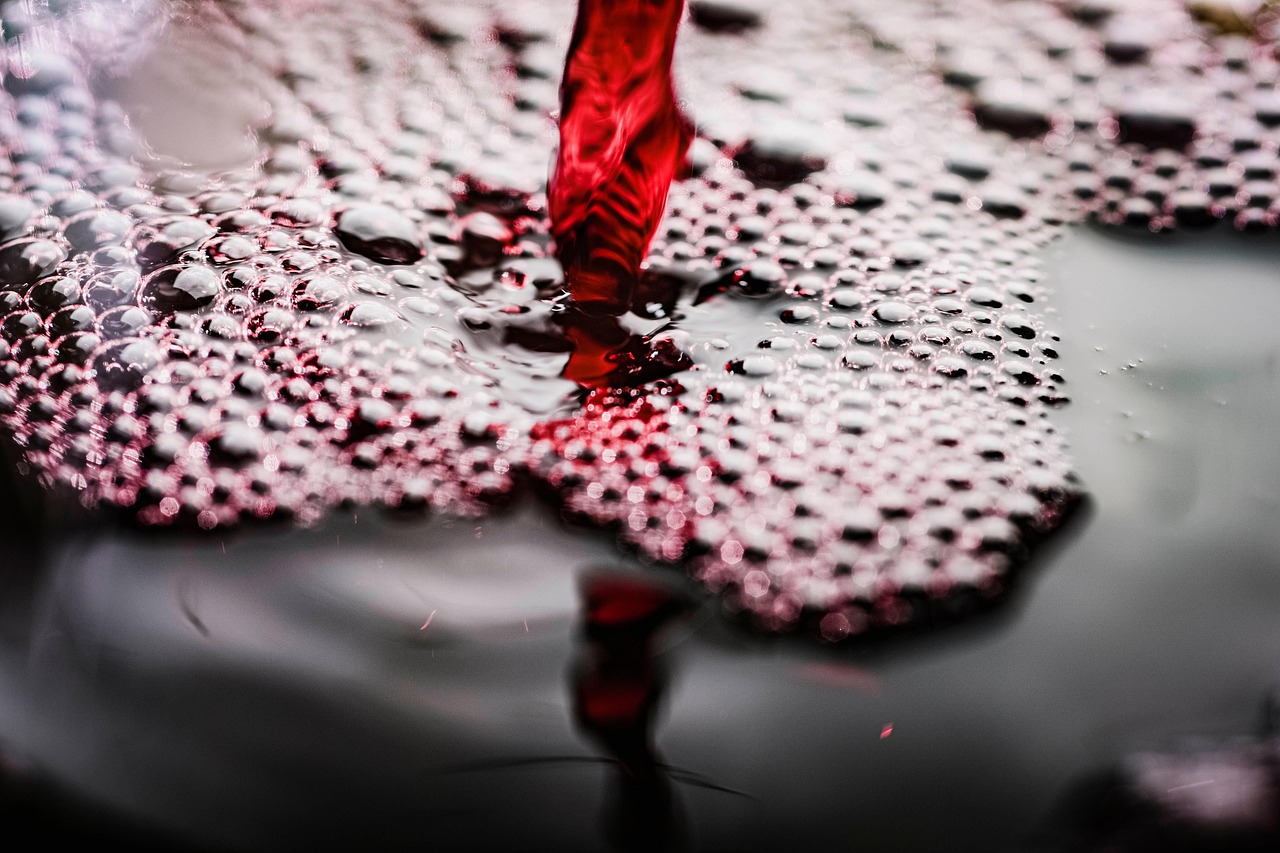
Natural-style wines have become increasingly popular around the world in recent years.
They are generally known as wines made from organically grown grapes, fermented spontaneously with native yeasts living on the grapes or in the winery rather than with added commercial dry yeast, and often bottled without fining or filtration—wines produced “as much as possible through the power of nature.”
At the same time, quality concerns have been raised about some of these wines, including the presence of off-flavors.
There are many winemaking techniques for reducing faults such as off-flavors. One option is a traditional method known as pied de cuve.
For anyone interested in vin naturel, pied de cuve is a technique worth understanding.
Here we explain it in detail.
The Appeal of Spontaneous Fermentation with Native Yeasts
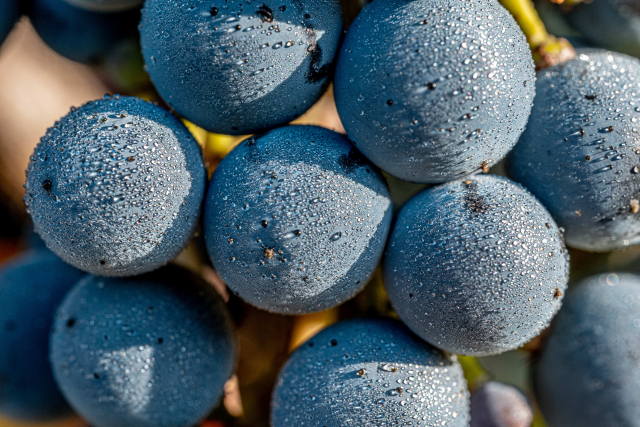
One attraction of natural-style wine is spontaneous fermentation using native yeasts.
Conventional wine is often fermented after adding commercial dry yeast as a starter, allowing the producer to control quality to some degree.
With spontaneous fermentation using native yeasts, by contrast, the producer’s role is to create an environment that encourages alcoholic fermentation and respond flexibly to conditions. The natural fermentation itself is not controlled in the same way through human intervention.
Calling it “a method for expressing the pure taste of a place” sounds appealing, but the uncertainty inherent in spontaneous fermentation with native yeasts cannot be ignored.
In spontaneous fermentation, non-Saccharomyces yeasts such as Hanseniaspora and Candida multiply during the early stages. As alcohol concentration rises, Saccharomyces cerevisiae becomes dominant and carries fermentation through to completion.
The influence of non-Saccharomyces yeasts and the many effects of spontaneous fermentation can increase aromatic and flavor complexity, which is why wines fermented with native yeasts are considered capable of producing profiles different from those made with commercial dry yeast.
The grapes and winery environment also have major effects on the quality of natural-style wine. Studies have found differences in native yeast populations from one place to another, suggesting that the impact of spontaneous fermentation on local expression should not be dismissed.
For drinkers, the idea of “native yeast” and “spontaneous fermentation” readily evokes terroir, which is one reason such wines can be so attractive.
The Uncertainty of Spontaneous Fermentation
Wines made by spontaneous fermentation with native yeasts can be fascinating, but not every wine produced this way is necessarily sound.
Drinkers do encounter wines with off-flavors and other quality defects, leading some consumers and specialists to question the method itself.
The reason spontaneous fermentation can produce unhealthy wine lies in the uncertainty of the native yeast population.
There are said to be thousands of strains within Saccharomyces, which multiply during alcoholic fermentation and can generate a wide variety of outcomes.
Some yeasts are beneficial to wine, while others can cause problems, so the balance among them needs to be favorable. Even microorganisms that can create problems may also contribute to complexity.
Native yeasts are difficult to control, however, and in some cases fermentation can become unmanageable.
Problems may include excessive volatile acidity, Brettanomyces, or stuck fermentation. Fermentation may even fail to finish before bottling, creating a risk of renewed fermentation in bottle.
Successful spontaneous fermentation is therefore thought to require producers with deep knowledge, substantial experience, and excellent judgment. Even those producers cannot completely control wild yeast behavior.
Spontaneous fermentation can be a highly risky approach, and producers also have businesses and livelihoods to sustain. Some observers argue that this creates cases where wine that is not fully sound still reaches the market rather than being discarded. Some producers even choose to sell wines with characteristics others would regard as faults, interpreting them instead as expressions of nature.
Yet there is no doubt that wines produced this way can be exceptionally complex and compelling.
Pied de cuve is one method used to manage spontaneous fermentation while retaining its advantages.
What Is Pied de Cuve?
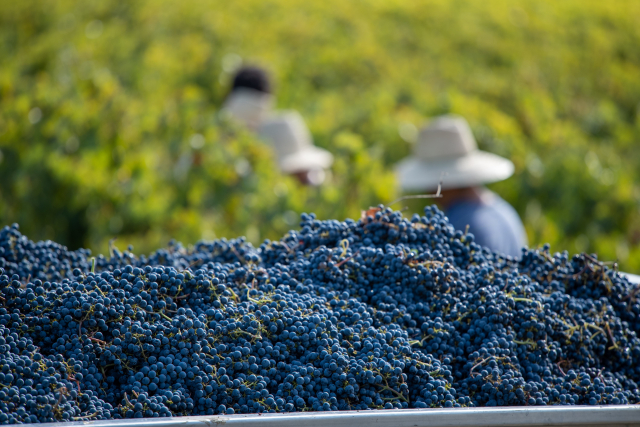
Pied de cuve is a traditional method in which a small quantity of grapes is fermented in advance and then used as the starter for the main alcoholic fermentation—essentially a wine starter culture.
Unlike commercial dry yeast, pied de cuve uses a naturally cultivated yeast population.
The central problem of spontaneous fermentation with native yeasts is uncertainty: alcoholic fermentation is difficult to control through human intervention.
Using pied de cuve encourages the growth of grape-derived S. cerevisiae and can make spontaneous fermentation more stable.
The process begins by collecting a small quantity of grapes before the main harvest and allowing them to ferment spontaneously, building up native yeasts to create the starter.
That starter is then added to the harvested and crushed grapes so the main fermentation can proceed more reliably with native yeasts.
Pied de cuve has long been used in spontaneous winemaking overseas, and research suggests it can lead to more stable and predictable spontaneous fermentation and natural-style wines without faults associated with compounds such as acetic acid and ethyl acetate.
Whole-cluster fermentation of Pinot Noir, for example, can be particularly prone to volatile acidity problems, so sulfite use at the beginning of fermentation is often considered necessary.
However, some producers prefer to avoid that choice because early microbial activity can contribute valuable complexity to the finished wine.
By increasing the likelihood of a healthy spontaneous fermentation, pied de cuve may reduce the need for sulfites and help produce wines with greater complexity.
A 2020 study by the University of Yamanashi Institute of Enology and Marufuji Winery Co., Ltd., titled “Effects of Scale-Up Methods in Spontaneous Fermentation on Wine Quality,” also suggested that a pied-de-cuve-style scale-up method could be an effective technique for producing sound wines through spontaneous fermentation.
The study used Chardonnay and expanded the spontaneous fermentation across four stages: three scale-up stages followed by the main fermentation. The first stage began at 0.5 L, while the second added 0.4 L of first-stage must to 0.9 L of fresh must, with further expansion thereafter.
As scale-up progressed, yeast counts in the must increased and the proportion of S. cerevisiae also rose. In the finished wine, concentrations of acetaldehyde, ethyl acetate, and acetic acid remained below levels generally recognized as faults.
Sensory evaluation also produced no comments identifying defects, and faults found in wine fermented spontaneously without scale-up were not observed in the scale-up wine.
These findings suggest pied de cuve has strong potential as a practical technique for producing sound wine through spontaneous fermentation, and its use may increase in the future.
Conclusion

Natural-style wines, especially vin naturel, have been increasing in Japan in recent years. At the same time, many drinkers remain skeptical about the “quality” of some examples.
Pied de cuve cannot guarantee that spontaneous fermentation will start successfully 100% of the time, but wider adoption among Japan’s natural-wine producers could help raise overall quality.
Some Japanese producers already use pied de cuve. For winemakers pursuing natural styles, the method may function almost like a lifeline: it can preserve local expression through native yeasts, reduce the risk of fermentation faults, and help produce healthy, complex, high-quality wine.
Of course, many producers make sound, high-quality natural wines without pied de cuve, and some characteristics regarded as faults by one person may be seen by another as elements that make a wine more distinctive and complex.
Pied de cuve is ultimately just one tool for making spontaneous fermentation more stable.
If the subject interests you, consider exploring overseas literature and research on pied de cuve in greater depth.
Reference
https://www.winebusiness.com/wbm/article/187238
https://oeno-one.eu/article/view/3105
https://asevjpn.jp/web/wp-content/uploads/2022/06/vol31_-no3_03.pdf