
When describing the flavor of wine, quite a few people use the word "minerality."
"Minerality" is used when sensing a subtle salinity, structure, or pure flavor in wine, but that perception seems to differ from person to person.
However, some experts question whether the expression "minerality" is even appropriate to begin with and scrutinize how it is used.
Here, let's explore "minerality," a term frequently used during tastings.
What is Minerality?
When tasting wine, in what kinds of situations is it described as having "minerality"?
When it feels firm and fresh, when slight salinity is perceived, or when high acidity gives a chalky, taut sensation...
While everyone's definition of minerality likely differs, many experts often use the metaphor of "wet stone." (*The descriptor "flint" is also frequently heard.)
A famous theory suggests that such mineral-driven wines are created because "the roots of the grapevines reach deep underground and absorb the minerality found in the soil," yet most scientists basically believe there is no causal relationship.
Why do scientists around the world claim that there is no connection between soil and minerality?
Minerality and Soil
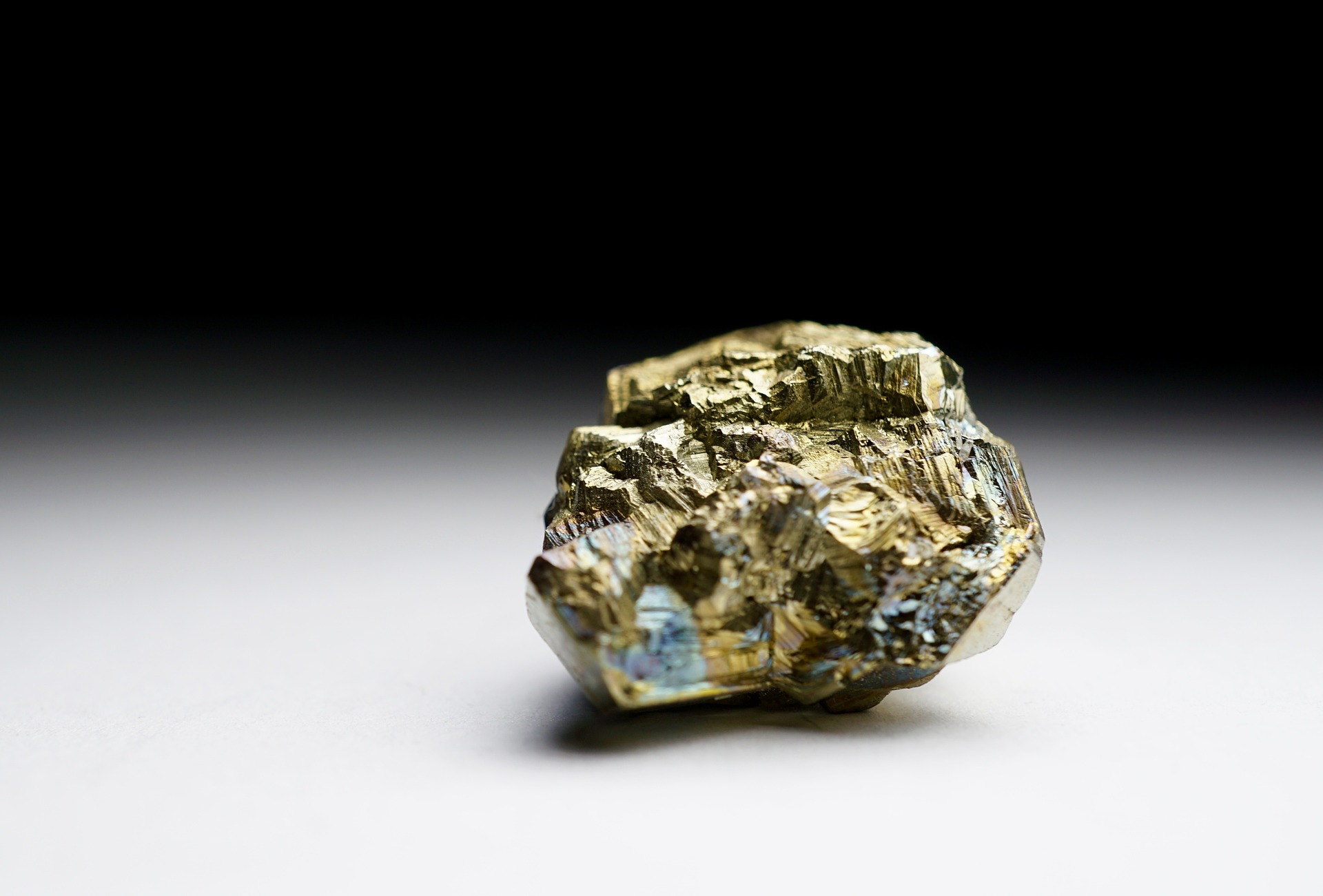
Minerals include components such as "zinc, potassium, calcium, chromium, selenium, magnesium, and phosphorus."
Geologically speaking, ores and inorganic elements are called "minerals" in English, and since all soils and rocks contain minerals in a geological sense, the theory that grapevine roots draw up minerals from the soil may seem accurate.
However, minerals are extremely complex substances, and because they are "insoluble," they almost never dissolve directly into the ground.
That said, it is reported that grapevines need at least 14 different types of minerals for their growth.
In other words, grapevines must absorb minerals at some stage.
One possibility considered is that instead of drawing up minerals deep from the soil, grapevines might be absorbing them from the vineyard surface or leaf mold.
Can We Truly Taste Minerals?
Although the relationship between soil and minerality is tenuous, there is no doubt that grapes contain some amount of minerals.
In other words, one might think that their taste can be perceived in wine.
However, the prevailing view is that even if grapevines absorb minerals, they do not reach levels detectable by humans, and the characteristics imparted by minerals vanish across the various stages of winemaking.
Furthermore, nearly 80% of a grape berry consists of water, and the remaining components are mainly sugars, organic acids, dietary fiber, and polyphenols, meaning that minerals account for merely 0.3% to 0.5%.
Some suggest it is around 0.2%, but at such numbers, sensing minerals would essentially be impossible unless one possessed a superhuman palate.
What is the True Identity of Mineral Wines?
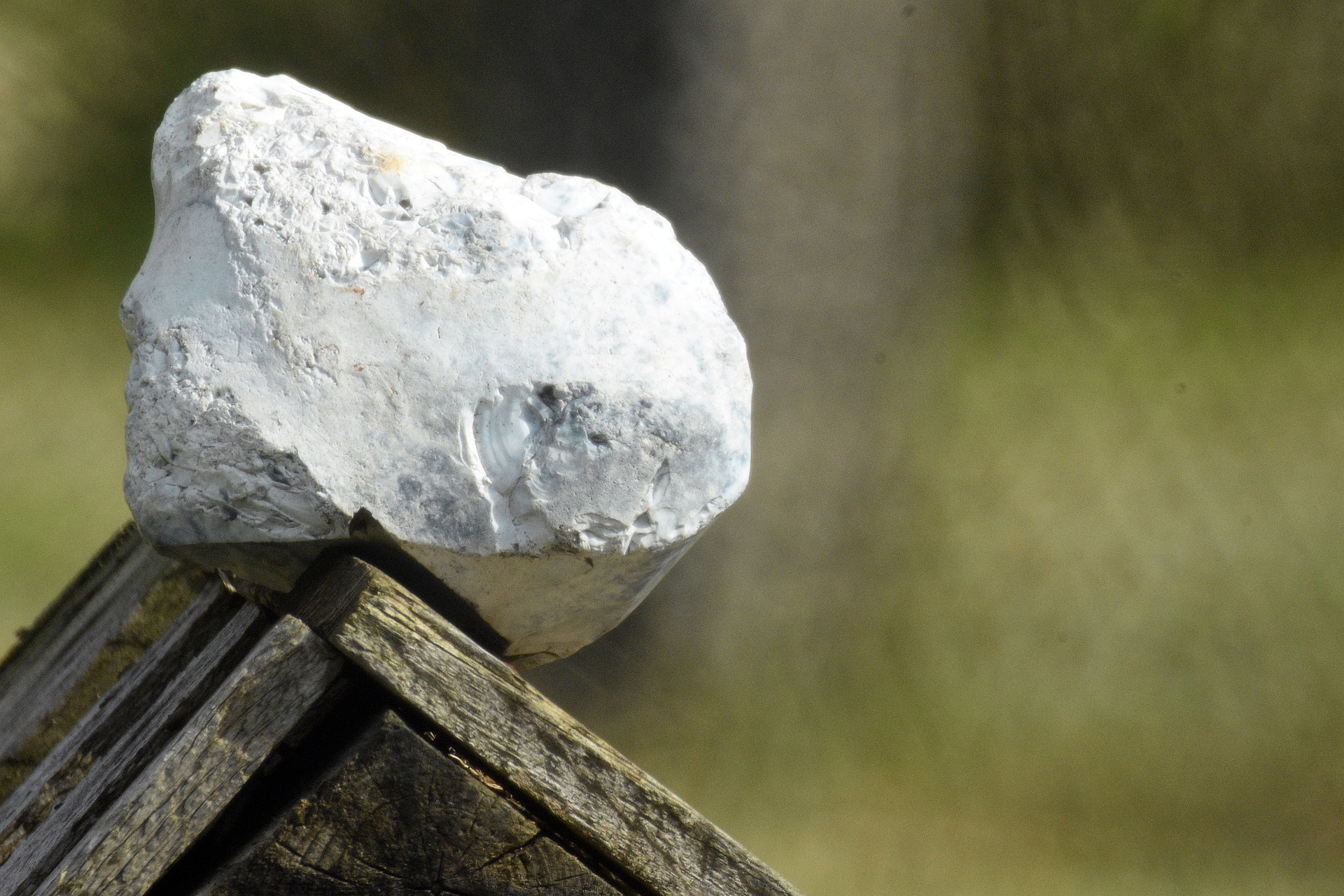
Even among wine experts, few can concretely explain what a "mineral wine" actually is.
Possible reasons include factors such as "nothing has been clearly proven" and "the standards for minerality differ from person to person."
The fact that "nothing has been clearly proven" includes the points mentioned above, along with theories that chemical reactions resulting from nitrogen deficiency in grape must create such flavors, or that sulfur compounds impart those flavors.
For example, a classic metaphor used to describe mineral wine is "flint" (epitomized by Chablis), but one perspective suggests that one of the compounds responsible for this aroma is "benzyl mercaptan (hereafter BM)," a sulfur compound unrelated to the soil.
Additionally, minerality is sometimes invoked with the idea that proximity to the sea brings minerals from sea breezes into the grapes; however, another view suggests that "petrichor," a compound that evokes the smell of wet stones from dried grass near the vineyard, is merely exerting some influence on the wine.
Definitions of minerals vary widely among individuals—ranging from salty, tense sensations to an indescribably pure flavor akin to drinking mineral water—making "minerality" a tasting term with many aspects that are still not fully understood.
Let's Also Question the Expressions We Use!
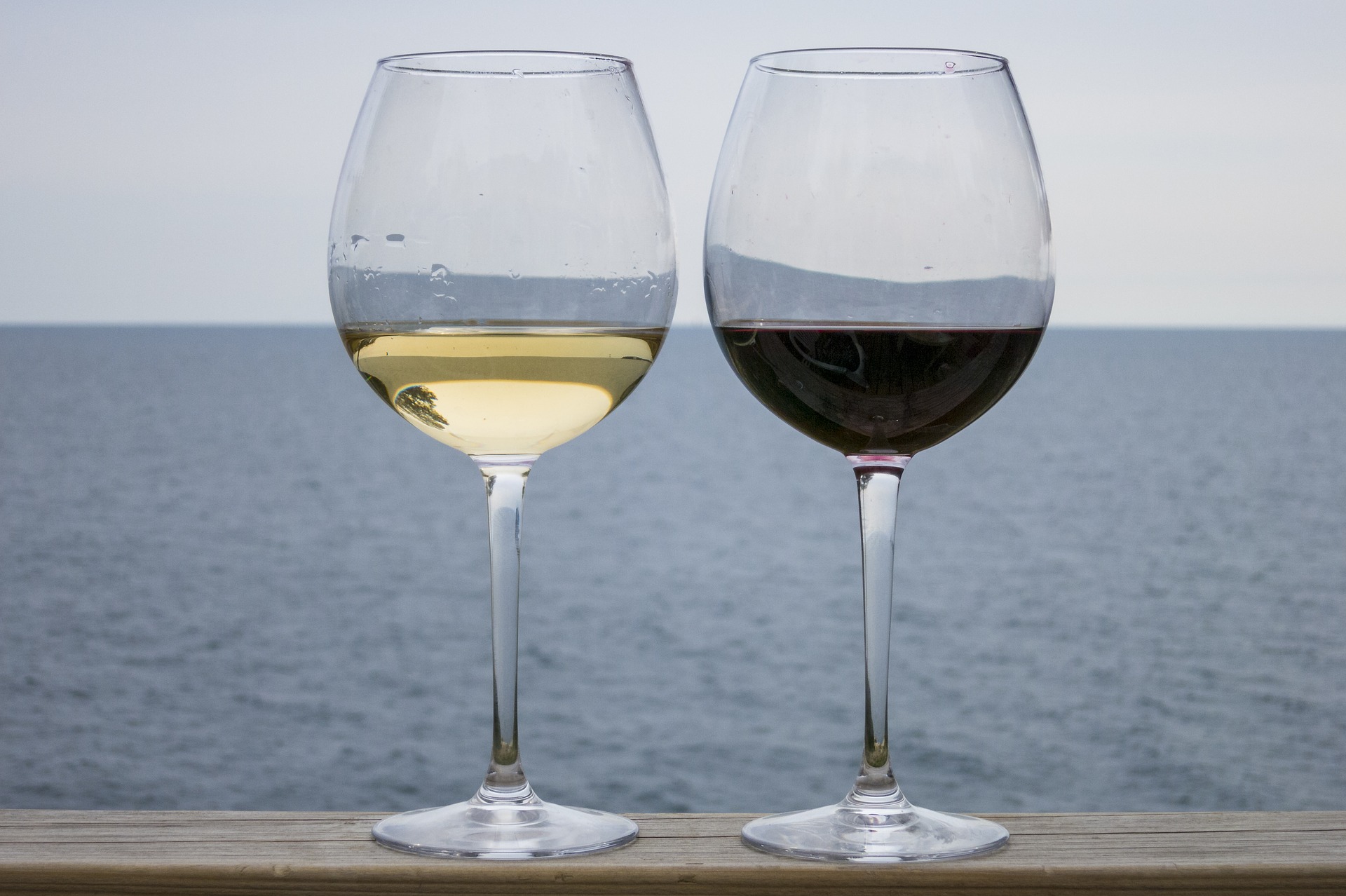
The word "mineral" as a wine tasting term reportedly did not exist before 1980.
In other words, it is clear that it has become widely used as a tasting term only in recent years.
Of course, the goal of wine tasting is to communicate the personality of the wine to others, so as long as "minerality" gets the message across, there is nothing wrong with using it.
Even so, reflecting deeply on such wine terminology can sometimes lead to surprising conclusions.
Why not take another deep dive into the wine tasting terms you hear so often?
References
Jamie Goode – The Science of Wine