
Recently, the "Rosé Wine Workshop," organized by the Japan Wineries Association, was held in Tokyo.
This seminar was held for wine producers and wine industry professionals in Japan as a forum to share the current status and future possibilities of rosé wine in Japan.
Globally, rosé wine has become adopted as "a lifestyle choice," but in Japan its position is still developing, often seen merely as "an intermediate existence between red and white wine" or as a "wine for spring."
The seminar included tastings of diverse rosé wines and shared perspectives on the diversity of rosé winemaking, as well as the current market-aware situation and future potential.
Here is a report on the day's event.
About the "Rosé Wine Workshop"

The "Rosé Wine Workshop," organized by the Japan Wineries Association, was held in two parts.
Part 1 consisted of a seminar and tasting featuring representative rosé wines and production methods from five wineries across Japan. Part 2 offered participants the chance to learn about various global rosé winemaking techniques and styles while tasting 10 types of rosé wines.

In addition, Part 1 included seminars addressing the challenges and possibilities of rosé wine from the perspective of sommeliers and Japanese wine retailers, making it a valuable, meaningful event "specialized" in rosé wine.
The "Rosé Wine Workshop" started with greetings from Masamitsu Otsuka, President of the Japan Wineries Association.
"While Japanese wine has secured a firm market presence, how to produce, communicate, and enjoy rosé wine is still developing in Japan. Because this seminar is not just a tasting session but a valuable opportunity for producers and market-conscious stakeholders to gather and share the current status and potential of rosé wine, I hope you will actively exchange opinions," he commented.
Although the potential of rosé wine has been discussed for several years, opportunities for winemakers and market-focused professionals to gather in one place have been rare, and participants were seen actively exchanging opinions on that day as well.
Representative Rosé Wines and Production Methods from Each Winery
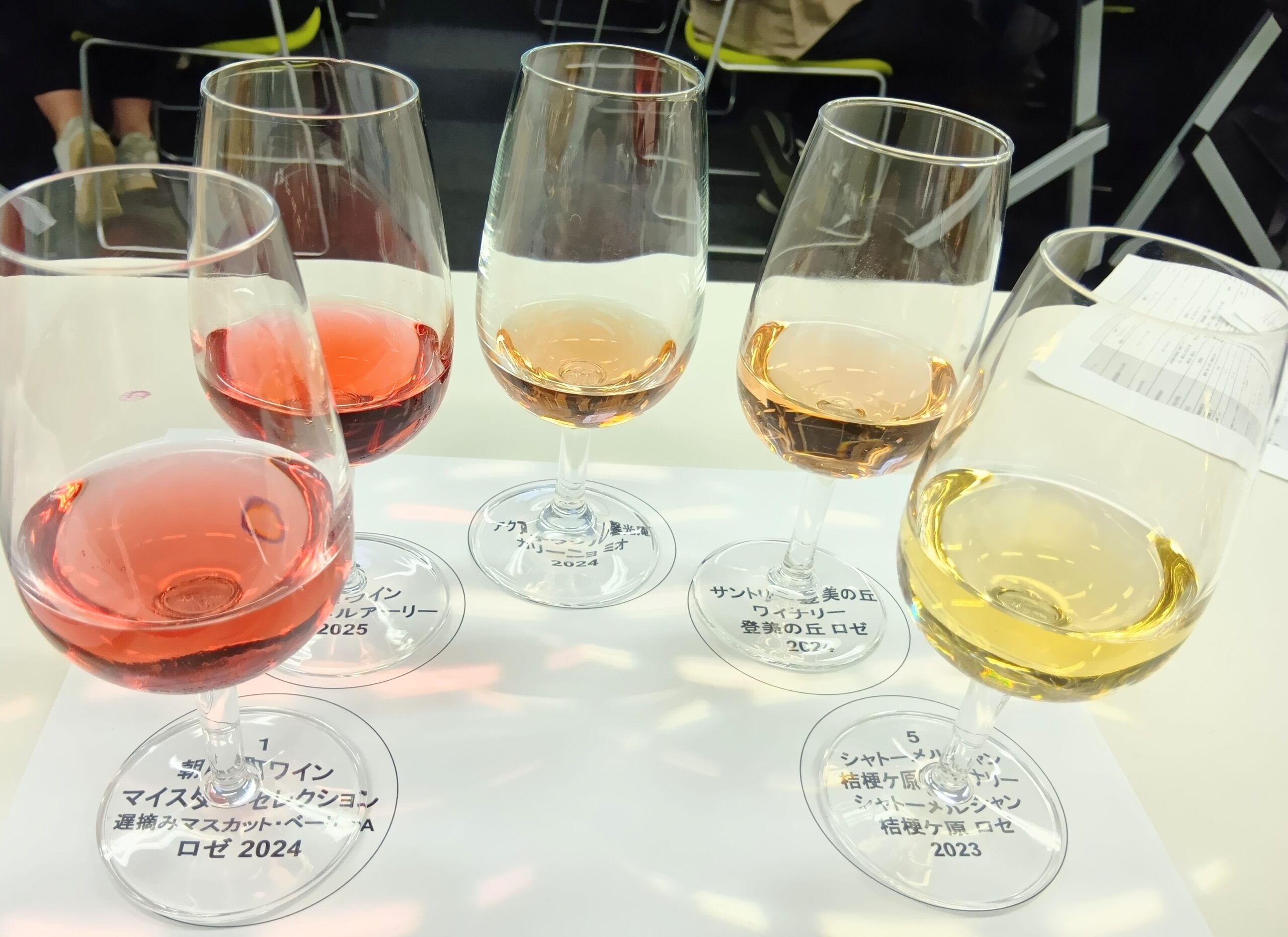
Part 1 kicked off with a seminar on representative rosé wines and production methods from five wineries across Japan.
Here are the participating wineries, wines, and speakers from the seminar.
- Asahimachi Wine / Meister Selection Late Harvest Muscat Bailey A Rosé 2024 / Mr. Toshiya Suzuki
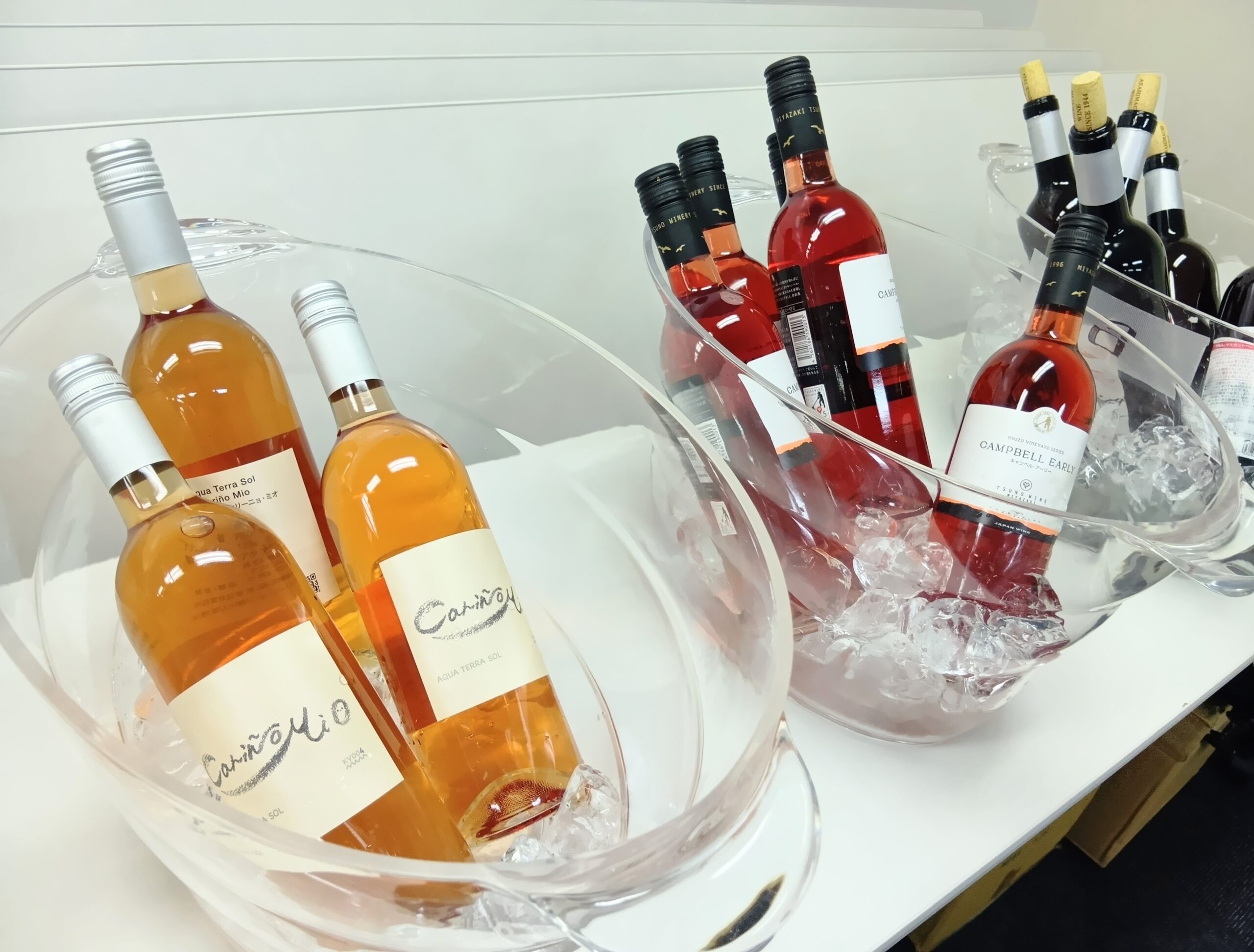
- Tsuno Wine / Campbell Early Rosé 2025 / Mr. Seiji Akao
- Aqua Terra Sol Keikoan / Cariño Mío 2024 / Mr. Yuichiro Hirai
- Suntory Tomi No Oka Winery SUNTORY FROM FARM / Tomi no Oka Rosé 2024 / Mr. Hiroya Saito
- Mercian Kikyogahara Winery / Château Mercian Kikyogahara Rosé 2023 / Mr. Hideki Takase
Below is a report on each winery's dedication to rosé winemaking.
Asahimachi Wine
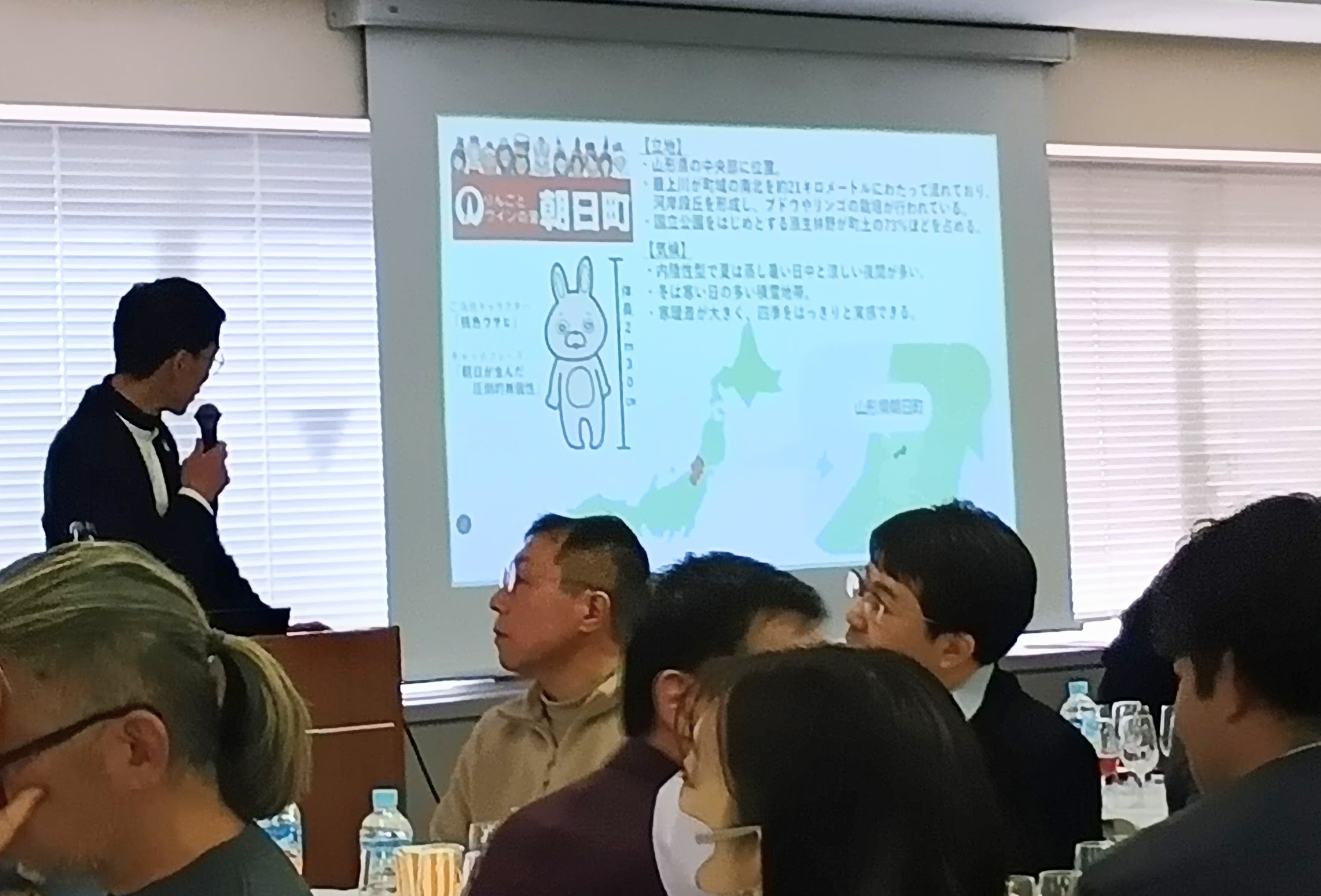
The wine introduced as the representative rosé from Asahimachi Wine was "Asahimachi Wine / Meister Selection Late Harvest Muscat Bailey A Rosé 2024."
It is made using the saignée method from Muscat Bailey A grown in the Kashiwabara Vineyard at an altitude of 350 meters, which allows the grapes to mature until late harvest.
The proportion of saignée is determined based on the condition of the grapes, and this wine was made with 20% saignée.
Healthy grapes are the top priority, and carefully selected high-quality fruit is used.
A key technique is the addition of a small amount of red wine, and repeated testing reportedly led to achieving the ideal flavor profile.
It was also explained that they are dedicated to winemaking that strictly prevents oxidation, proceeding with vinification under reductive conditions.
As a market-oriented initiative, they sell to corresponding markets based on customer needs, utilizing different bottles tailored to the style—such as sweet, medium-sweet, or dry.
"Asahimachi Wine / Meister Selection Late Harvest Muscat Bailey A Rosé 2024" is a rosé wine with distinct cherry aromas and a charming impression.
It finishes with a gentle, mellow, and composed character.
Tsuno Wine

Located in Tsuno Town, Miyazaki Prefecture, Tsuno Wine is a winery that has garnered international attention.
Mr. Akao shared their approach to the winery's signature label, "Campbell Early Rosé 2025."
Tsuno Wine is a rare winery where the vast majority of wines produced are rosé.
Their fresh and aromatic rosé wines made from Campbell Early, which can be harvested around July, have attracted worldwide attention.
The focus for "Campbell Early Rosé" involves fully destemming the grapes, macerating at low pressure to prevent oxidation, and allowing longer skin contact.
It is vinified using direct pressing, often referred to as blush, with an extraction rate of 73 to 75%.
Another key element is the use of yeast that enhances the strawberry nuances characteristic of Campbell Early.
The wine is stored without filtration, undergoing only racking off the lees.
Even for the sweet style, it is bottled without pasteurization, characterized by a process aimed at preserving freshness.
"Campbell Early Rosé 2025" is a rosé wine that allows you to fully enjoy gorgeous aromas and the charming, sweet-and-sour fruit scent of the grapes.
While refreshing acidity expresses lightness, it is finished with high quality, offering fruit concentration and complexity.
According to Mr. Akao, he highly recommends pairing it with chicken nanban.
Aqua Terra Sol Keikoan

Aqua Terra Sol Keikoan is a new winery founded in Kurakake, Tomi City, in September 2023, named with the Latin words for water (aqua), earth (terra), and sun (sol), aiming to be a place filled with the fine aroma (keiko) of wine.
It is also known as a laboratory-like winery where owner Mr. Hirai continuously conducts research and exploration to express in Japan the inspiration he felt from the wonderful rosé wines he drank when visiting Provence.
Aqua Terra Sol Keikoan's "Cariño Mío 2024" is made from six grape varieties, centered on Syrah, along with Grenache, Mourvèdre, Cinsault, Carignan, and Merlot.
Crafted in a direct-press style, they take meticulous care at every stage to achieve a beautiful salmon-pink hue.
It is impressive that they pay attention not only to the pressing, fermentation, sulfur dioxide levels, filtration, and color in the bottle, but also to the visual emotion evoked by the color when poured into the glass.
The grape harvest timing is determined primarily around the Syrah, and the balance between that main variety and the blend is thoroughly managed.
Aiming for a "rich, velvety" entry rather than a light and smooth one, their ambition to create a Japanese Provence rosé is truly unique.
Because there are many grape varieties, balancing the acidity, aromatic vectors, and taste is challenging, and he explained that they are currently in the midst of trial and error.
"Cariño Mío 2024" is a rosé wine featuring complex aromas, spicy nuances, a mellow mouthfeel, and a clean, refreshing palate.
Since the cepage varies depending on the vintage, this is a winery to look forward to in the future.
Suntory Tomi No Oka Winery SUNTORY FROM FARM
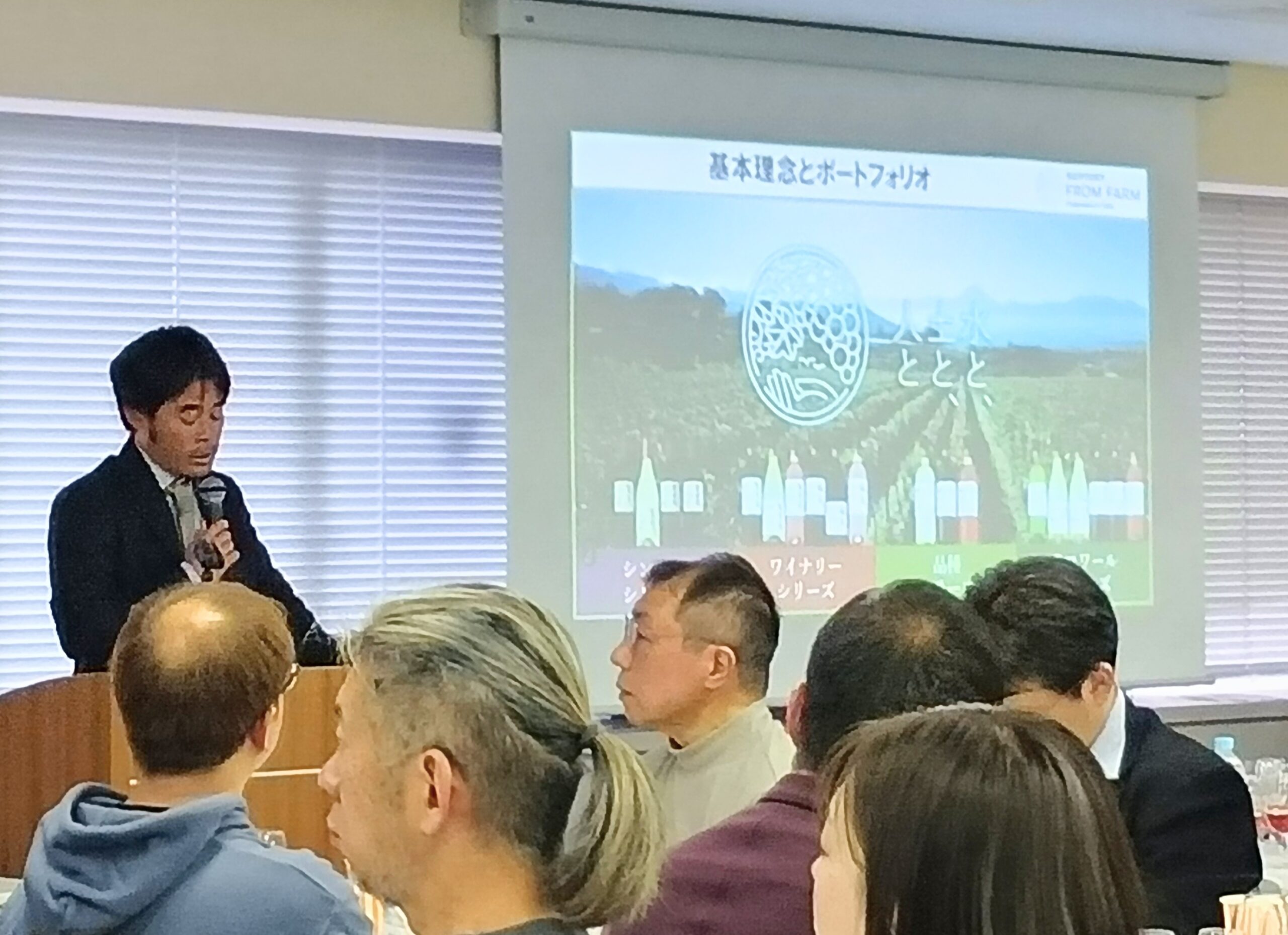
From Suntory Tomi No Oka Winery SUNTORY FROM FARM, at the pinnacle of globally acclaimed Japanese wine, "Tomi no Oka Rosé 2024" was presented.
Rosé wine accounts for 20% of the winery's overall portfolio by value, featuring a diverse lineup of rosé styles.
Their rosé is produced with the theme of expressing the diversity of Tomi no Oka's grapes by cultivating varieties suited to each plot.
Their focus includes utilizing green-harvested Petit Verdot and harmoniously combining base wines whose distinct roles have been clarified.
Among them, Petit Verdot plays an important role, serving as the acidic backbone of the rosé wine and effectively lifting its aromas.
Winemaking methods—such as blending ratios, grape quality, and yeast selection—are thoroughly managed, aiming for a vibrant hue while crafting an "expressive" rosé that captures the essence of the vintage.
The varieties used in "Tomi no Oka Rosé 2024" are Petit Verdot, Merlot, Cabernet Sauvignon, Chardonnay, Riesling Italico, and a field blend of red and white grapes.
It is characterized by fresh aromas of red fruits such as cherries, spices, and a refreshing scent reminiscent of watermelon.
With lively acidity, fruit concentration, herbs, and a long finish, it is a bottle that allows you to enjoy a rich taste.
Mercian Kikyogahara Winery
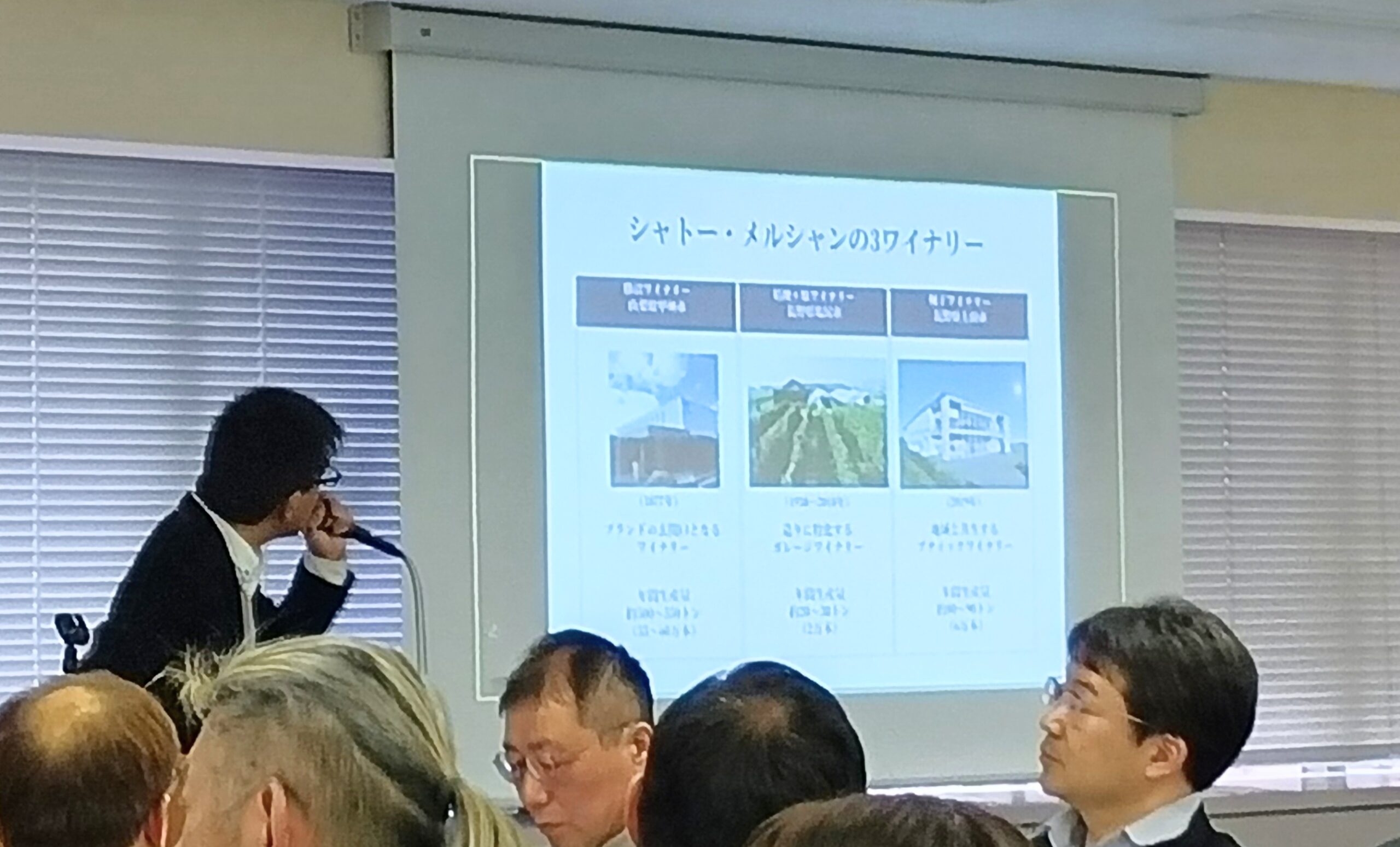
Mercian Kikyogahara Winery, part of Château Mercian—a brand that could be called the origin of Japanese wine—explained "Mercian Kikyogahara Rosé 2023."
This is a precious rosé wine offered exclusively at the winery, utilizing a co-fermented blend of four varieties.
"Mercian Kikyogahara Rosé 2023" is finished with a unique blend of Merlot, Fiano, Cabernet Franc, Riesling, and co-fermented white grapes, offering an unmatched complexity.
Previously, they planted Fiano, known for its high acidity, to prevent acid loss in the rosé wine, and fruit harvested from it in 2023 was used.
Its Muscat-like aroma helps elevate the rosé wine to an even higher quality.
Furthermore, the most prominent feature of "Mercian Kikyogahara Rosé 2023" is the application of a technique called "juice stabulation."
This method, widely adopted overseas, keeps grape juice at low temperatures for several days before fermentation to settle out lees and unwanted substances.
The juice is stirred over a period of 10 days to 2 weeks until débourbage, after which only the clear supernatant juice is transferred to another tank, where yeast is added to initiate fermentation.
Managing the risk of oxidation is difficult, making it an operation that demands constant vigilance.
This process has the advantage of not only improving flavors and aromas—such as enhancing thiol components in the case of Koshu—but also adding roundness to the palate.
By blending individually vinified base wines, the vintage is expressed.
This, too, is an "expressive" style of rosé wine.
With sharp aromas reminiscent of citrus and concentrated fruit, it is crafted into a high-quality rosé wine that feels mellow yet structured.
Perspectives from a Sommelier and a Retailer
In Part 1, the current status, challenges, and possibilities of rosé wine were discussed from the perspectives of both a sommelier, who recommends, serves, and manages wine in restaurants, and a merchant who wholesales and retails wine.
The speakers were Ms. Fuko Ohyoshihara, Sommelier at Conrad Tokyo, representing sommeliers, and Mr. Yukan Arimoto, Representative Director of CruX Inc., a trading company specializing in Japanese craft brands, representing retailers.
The details are reported below.
A Sommelier's Perspective

According to Ms. Ohyoshihara, global rosé wine consumption accounts for 10% of total wine consumption, and production volume has been on an upward trend compared to the early 2000s.
Furthermore, 75% of the aforementioned rosé wine consumption is concentrated in three countries—France, Italy, and Spain—demonstrating that countries where wine has long been rooted in the culture have also fostered a strong rosé wine culture.
So, what is the standing of rosé wine in Japan?
According to Ms. Ohyoshihara, more guests have recently been deliberately ordering "rosé," and judging from the clientele visiting luxury hotels in Japan, the popularity of rosé wine in the country does not appear to be waning.
From a sommelier's perspective, Ms. Ohyoshihara noted the following appealing traits of rosé wine:
- Saignée-style rosé pairs easily and works well with dishes such as Peking duck and Dongpo pork
- Ranging from sweet to dry, it allows for clear variety and contrast
- It can also be utilized for cocktails in bar lounges
- Because the alcohol content is not too high, it is easy to serve as a welcome drink
On the other hand, she also pointed out the following challenges facing rosé wine:
- Vague impressions caused by its wide diversity
- Promotion periods are limited in Japan, heavily skewed toward "spring"
- Difficult to convey the winemakers' passion and the regional characteristics
- Hard to judge the taste based solely on its visual color
To resolve these issues, she stated that it is vital to increase opportunities for winemakers and sellers to exchange views, make flavor profiles and stories understandable directly from the bottle, propose seasonal ways to enjoy it, and cultivate a younger consumer base.
Additionally, she mentioned that staff on the floor are increasingly asked questions like "Do you have this rosé wine?" because customers saw it on social media, emphasizing that sales strategies conscious of social media are essential for both producers and sellers.
A Retailer's Perspective

The final speaker in Part 1 was Mr. Yukan Arimoto, Representative Director of CruX Inc.
In the sales data (2025 data) for rosé wine at the "Craft Wine Shop" operated by CruX Inc., rosé wine accounted for 14.7%, which feels surprisingly high, yet looking at the inventory ratio, sales are still far from sufficient.
Considering that the unit price of rosé wine, including sparkling wines, is lower than red and white wines yet its turnover remains slow, Mr. Arimoto noted that the appeal of rosé wine has still not been adequately communicated.
So why is rosé wine not selling?
Mr. Arimoto highlighted issues on the producers' side:
- Is it treated as merely a byproduct of red wine?
- Was it made just because it didn't color well and couldn't be sold as red wine?
- Is it a product made not because they want to sell it, but because they "have no choice but to sell it"?
While not all producers share such a mindset, there may be winemakers who produce rosé wine from this perspective.
In addition, because a portion of older consumers tends to avoid buying rosé wine simply upon hearing the name, dispelling this image will require extraordinary effort, he explained.
However, precisely because rosé wine has become firmly established as a part of lifestyles around the world, Mr. Arimoto believes that immense potential remains in Japan.
What he asks of producers is to reflect on whether they are "creating products that meet customer needs," and to clearly communicate their philosophy on rosé wine to distribution channels.
Taking these factors into account, he suggested the following measures as challenges for the entire wine industry to expand the potential of rosé wine:
- Fostering a culture of drinking rosé in local regions and communities
- Active engagement on social media
- Storytelling
- Clarifying imagery, such as who drinks it and in what settings
It was also mentioned that in order for consumers to specifically seek out and buy their respective rosé wines, each producer needs to establish that rosé wine as a distinct brand.
Although rosé wine is still developing, Mr. Arimoto believes that it still holds tremendous potential.
For example, the beautiful color of rosé wine is not only great for social media, but it also lifts the spirits of the drinkers themselves.
He believes that its color alone makes it an accessible wine for entry-level consumers, and that rosé wine can play a role in dispelling negative stereotypes like "heavy, astringent, and sour" held by those who think they dislike wine.
Mr. Arimoto suggested that precisely because Japanese wine is often more expensive than imported wine, it is crucial to cultivate a brand that customers want to purchase even at a higher price, along with marketing that conveys premium value.
From the perspective of "selling" rosé wine, it seems there is still a mountain of work to be done.
Summary
The second part covered production methods and styles of rosé wines from around the world, moving from tastings of diverse rosé wine styles to group discussions.
It was impressive to see participants earnestly exchanging opinions on how to make and sell rosé wine going forward.
Many Japanese rosé wines boast high quality even by global standards, and on the whole, it cannot be said that their quality falls short of other countries.
On the other hand, the reality is that their appeal has not reached wine lovers due to vague perceptions of winemaking, lack of brand power, and an underdeveloped rosé wine culture.
If not only producers, but everyone involved in wine—including restaurants and retail—face in the same direction and keep moving toward that goal, the value of rosé wine in Japan is sure to rise.
Taking this opportunity, why not consider rosé wine from various perspectives?