

If there is one Japanese wine region with exceptional momentum today, it is Hokkaido.
The island is attracting attention from wine lovers around the world as an exciting region where highly individual wines are being made.
But did you know there is a unique “tea” that lets you enjoy Hokkaido wine from a completely different angle?
It is called Hokkaido TEA.
This remarkably distinctive tea is something we especially recommend to Japanese-wine fans.
Here we introduce Hokkaido TEA and take a closer look at the 2025-harvest teas released on Wednesday, March 11, 2026.
About Hokkaido TEA
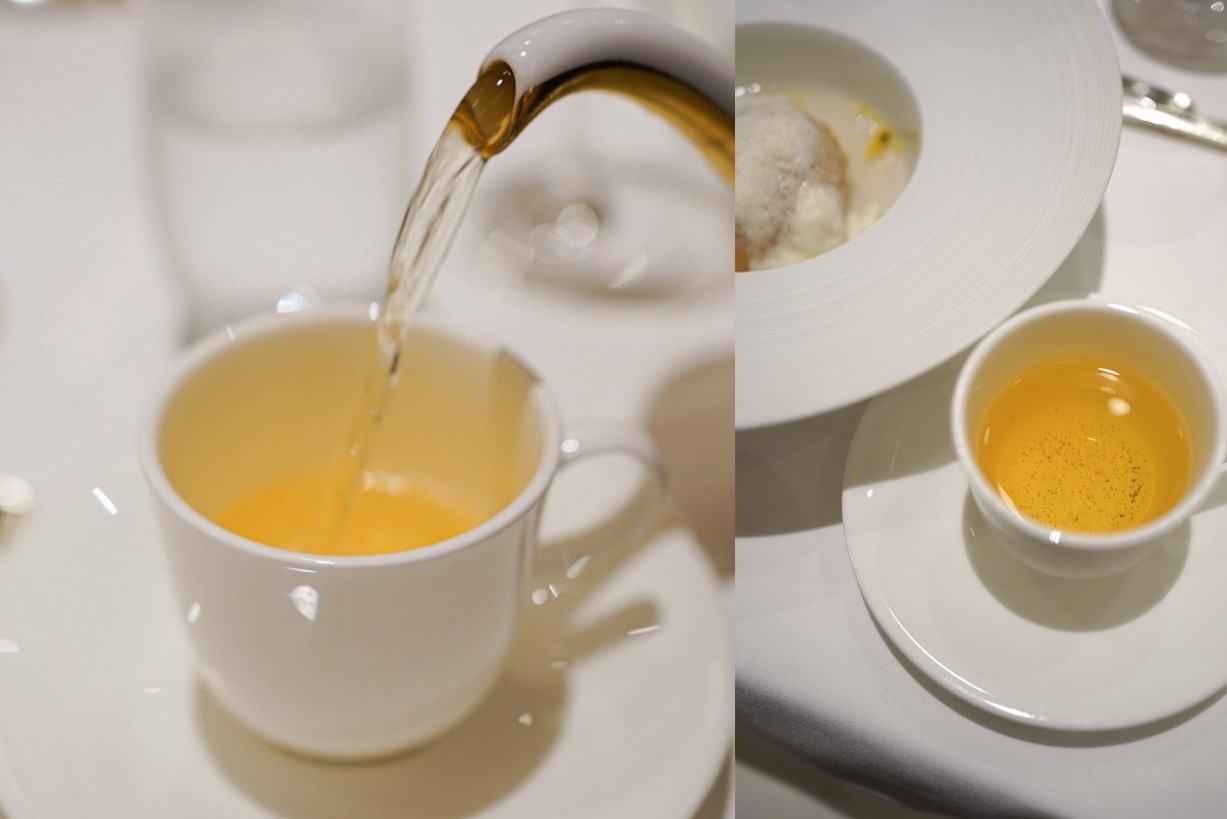
Hokkaido TEA is developed by PATTERN PLANNING Co., Ltd. in Sapporo, Hokkaido.
It grew out of conversations with wine-grape growers asking whether grape leaves that would otherwise simply be returned to the soil could be put to some use. The result is a non-alcoholic tea designed to be enjoyed almost like wine.
Key characteristics of Hokkaido TEA include:
- Tea made from leaves grown in Hokkaido vineyards
- Creating new value from leaves that would normally be returned to the soil
- Alcohol-free and caffeine-free
- Produced through the same kind of oxidative fermentation used for black tea
As the name Hokkaido TEA suggests, the leaves come from a variety of vineyards scattered across Hokkaido, so several wine producers familiar to Japanese-wine fans are involved in the project.

Development began in 2019, and Hokkaido TEA has been produced every year since sales started in 2021. This year’s products use leaves harvested in 2025.
Because it contains neither alcohol nor caffeine, it can be enjoyed by people who do not drink alcohol as well.
It is an everyday tea that works both hot and iced.
Tasting Hokkaido TEA from the 2025 Harvest
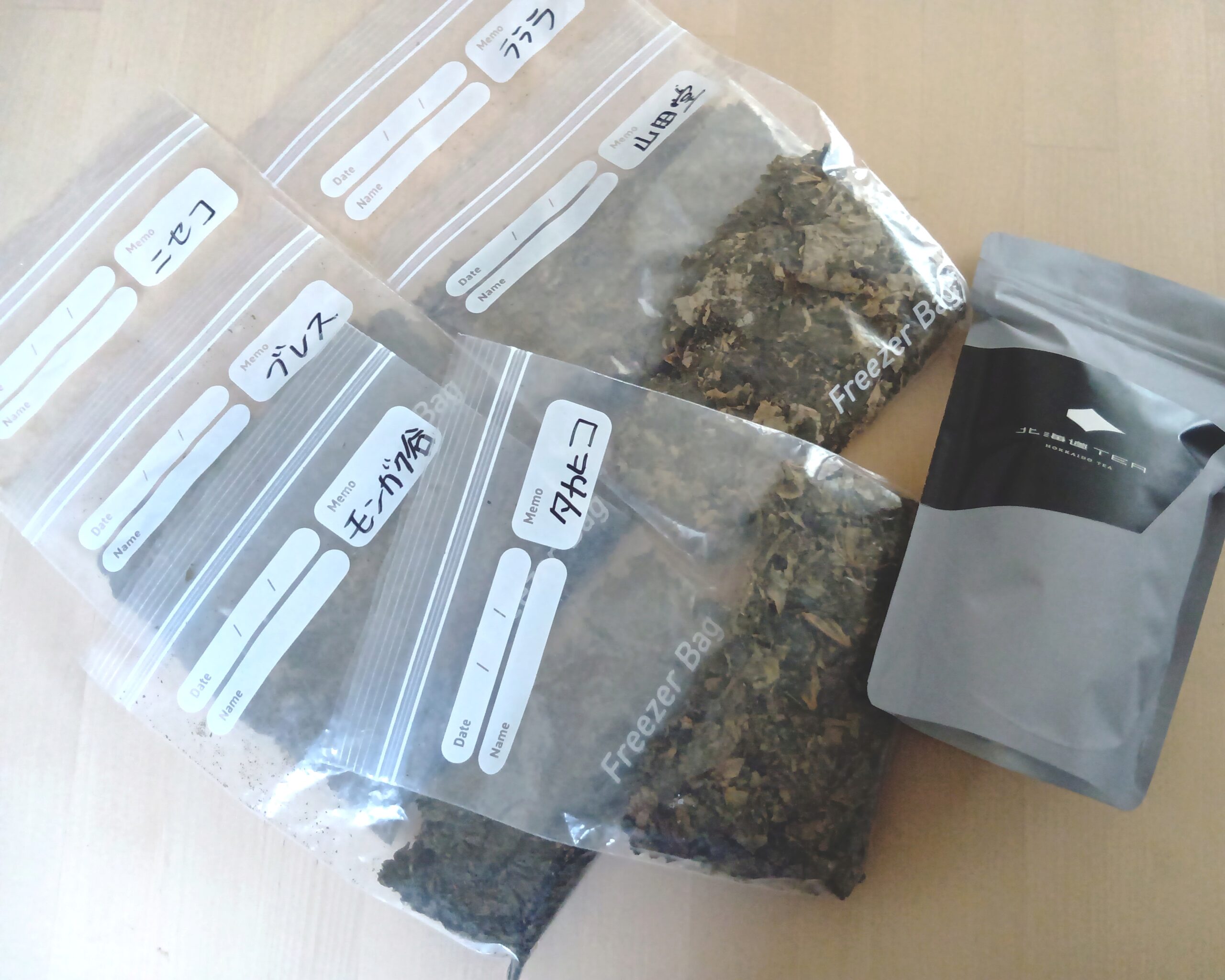
You may be curious about Hokkaido TEA but wonder what it actually tastes like.
For those readers, we tasted teas made from leaves harvested in 2025.
This year’s Hokkaido TEA is a collaboration among seven wineries in Yoichi and Niseko.
Harvesting, sorting, and fermentation are all carried out by hand.
※ We tasted the teas hot.
- Tea leaves: 3–5 g / Boiling water: 200–250 ml / Steep for 3–5 minutes (recommended method for one cup) — Source: Hokkaido TEA
Domaine Takahiko — Yoichi

Complex aromas evoke citrus, herbs, and damp earth like a vineyard after rain.
The acidity is soft and the astringency gentle, producing a refined overall impression.
There is also juicy, substantial fruit character together with nuances of umami and minerality, creating a flavor that recalls Domaine Takahiko’s wines.
This is a tea that makes you want to think about food pairings: dishes with dashi umami, game, or slowly cooked tomato sauce all sound promising.
Yamadado — Yoichi

The aroma suggests sweet-tart red fruit, with fruitiness clearly to the fore.
The acidity is sharp and the tannins firm, yet the texture remains precise and delicate.
The finish is clean and sophisticated.
It recalls a young, light-bodied red wine. Served iced, the acidity feels even fresher, which makes that style particularly recommended.
Hot, it makes you want to try it with salty charcuterie; iced, with dishes such as gazpacho.
Jiki — Yoichi
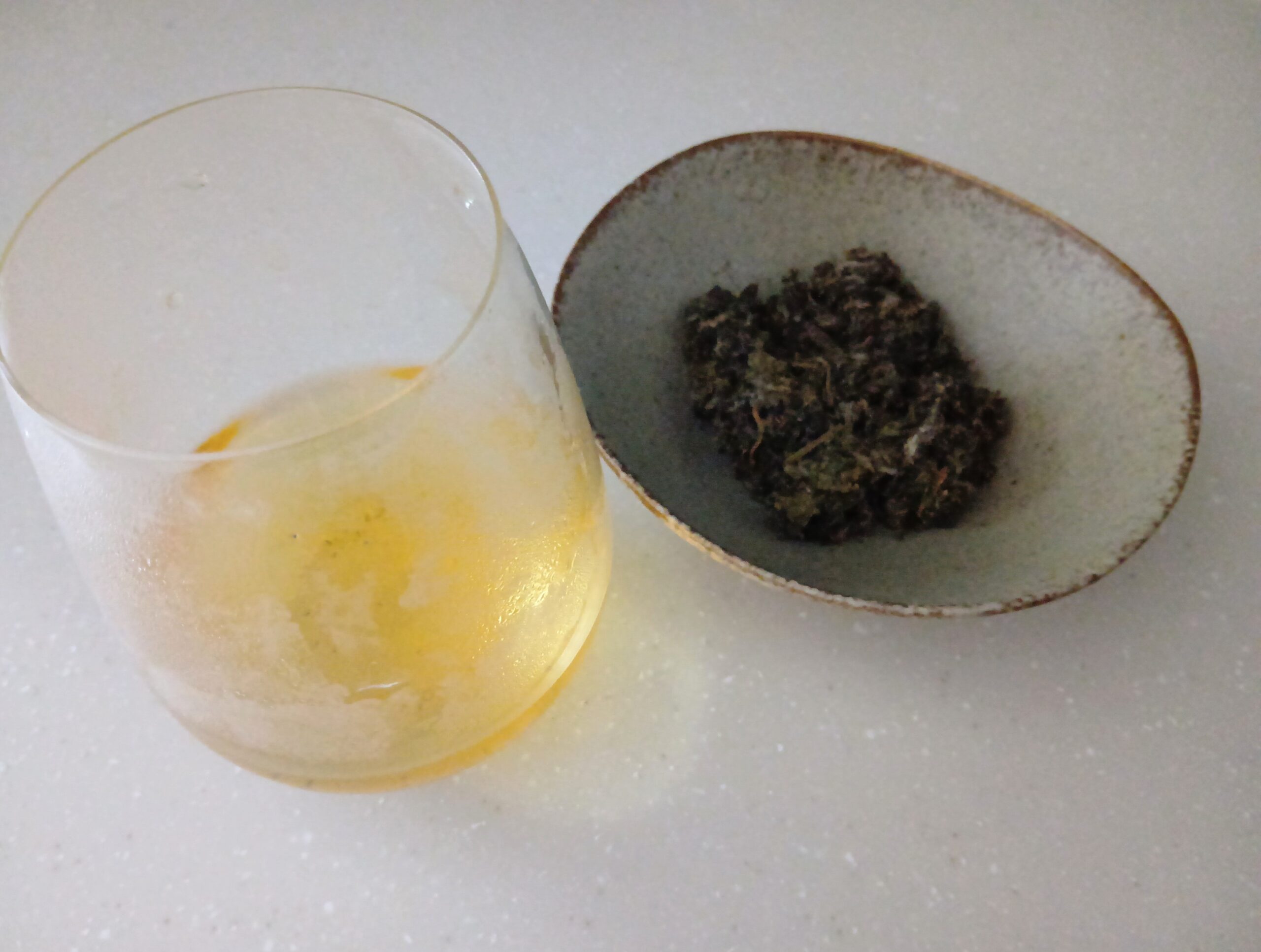
Fresh citrus and lemongrass aromas appear first, followed by a subtle macerated character.
The acidity is vivid on the attack, and although the tannins are relatively strong they remain fine and delicate.
There is also a mildly spicy nuance that seems well suited to meat dishes finished with black pepper.
It makes you want to experiment with richer, fattier ingredients.
Yoichi Noborin Farm (Mongaku Valley Winery) — Yoichi
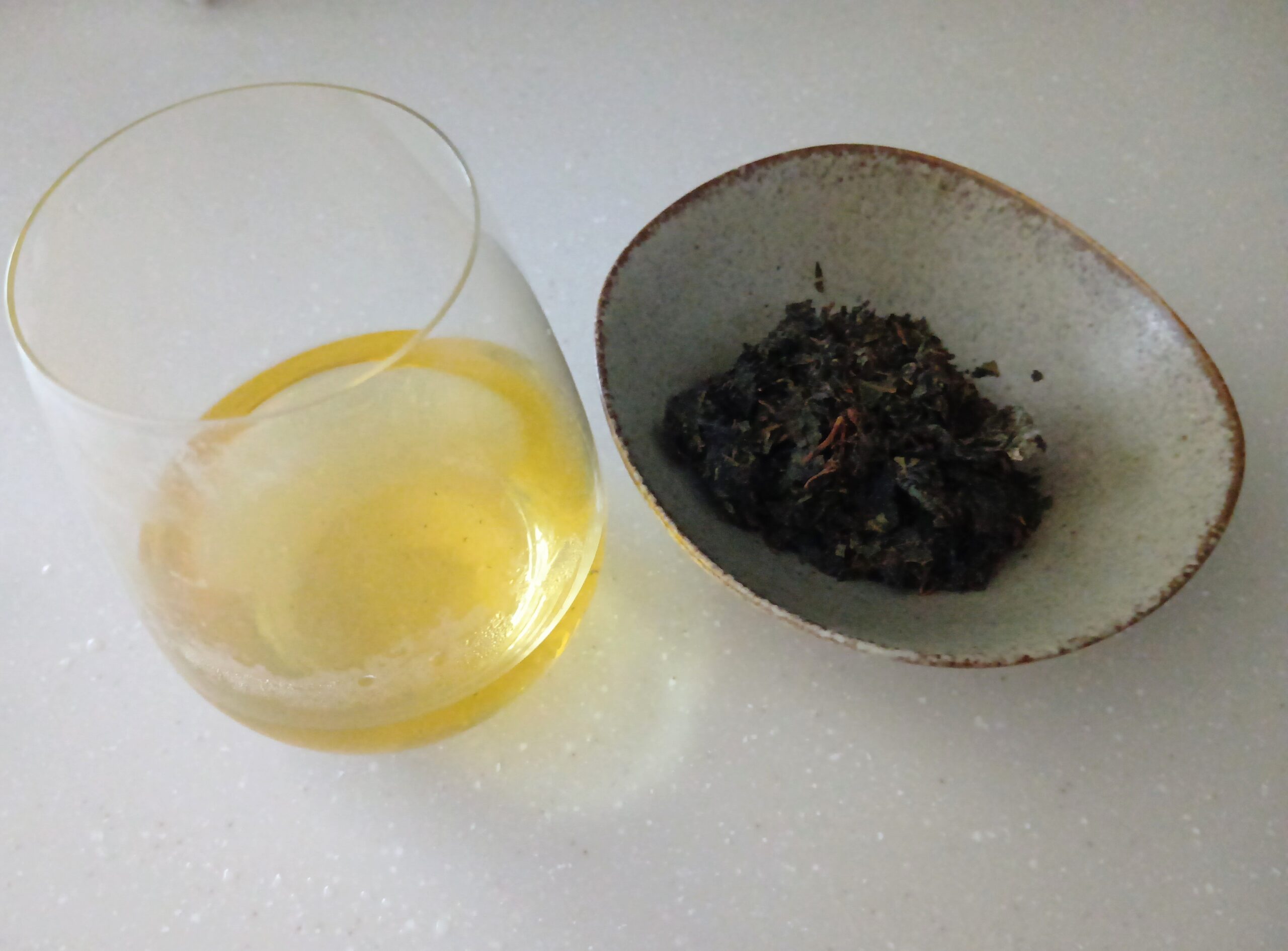
Tropical aromas give this tea a bright, flamboyant first impression.
A gentle fruitiness spreads across the palate, with a good balance of moderate acidity and astringency that makes it easy to drink.
A spicy nuance deeper in the profile suggests an intriguing pairing with seafood curry, where tropical notes can work particularly well.
Domaine Bless — Niki

Sweet-tart aromas suggest green apple and fresh grapes.
There is also a taut aromatic impression reminiscent of the astringency of tea leaves.
The acidity evokes the sweetness and tartness that burst across the palate when biting into fresh fruit, while silky, delicate tannins create a profile clearly different from the other vineyards.
Its fresh sweet-tart character recalls serious cider, opening up many pairing possibilities, from pork sautéed with apple sauce to fruit salad or tarts loaded with fresh fruit.
Niseko Winery — Niseko

Fresh citrus aromas are joined by herbal notes in the background.
The acidity is clearly present without becoming aggressive, and the silky astringency keeps the tea approachable.
There is depth and an umami-like quality that makes you want to pair it with Japanese food much as you might Japanese wine.
Dashi-based dishes, clear sea-bream soup, or white-fish sushi seasoned with salt and citrus all sound like promising partners.
Lalala Farm — Niseko
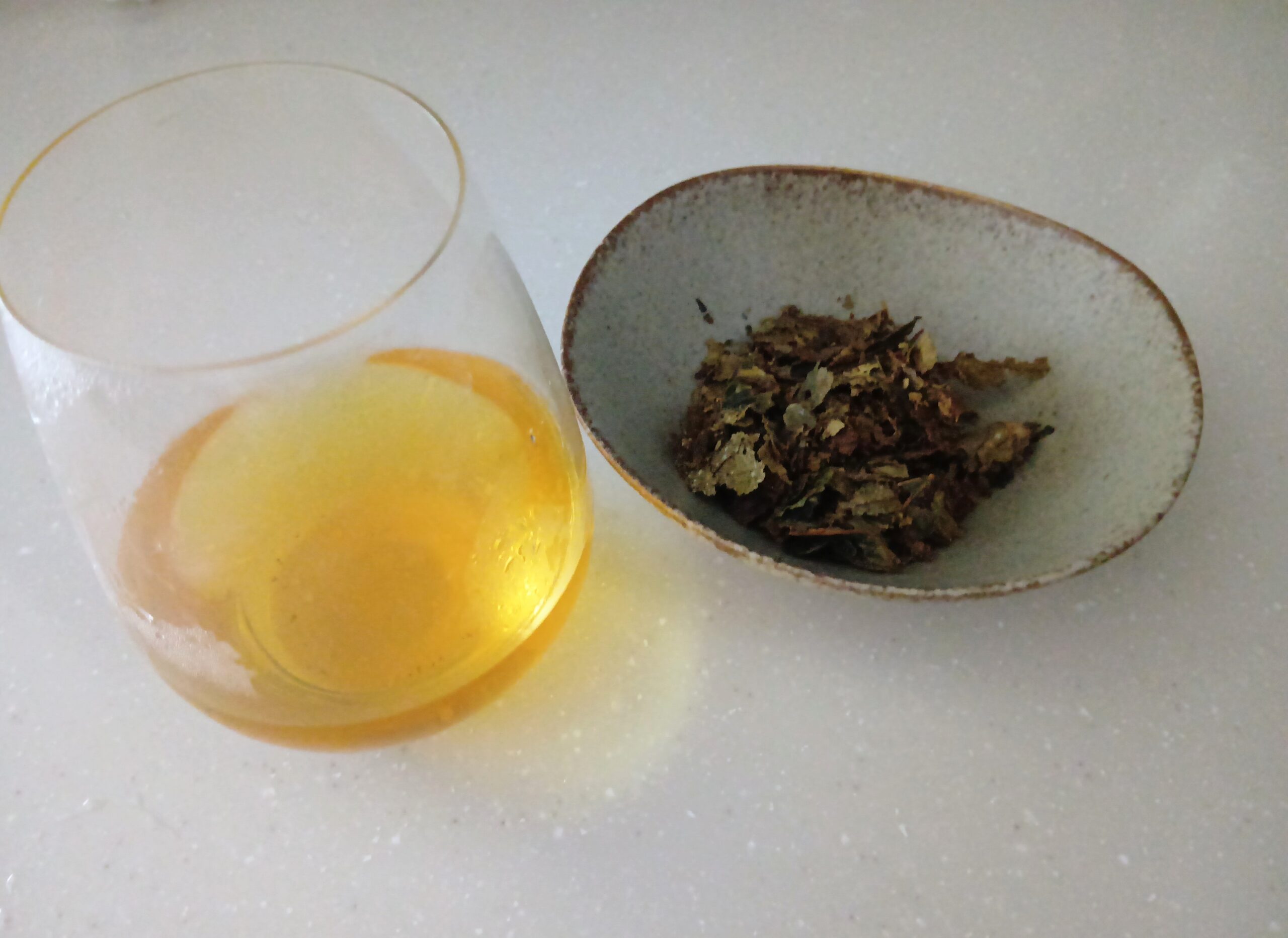
Refined aromas of fruit, herbs, and flowers bring to mind the best qualities of black tea.
The acidity is especially beautiful and the tannins restrained, giving the tea a soothing quality.
Fruit character and subtle umami also make it seem naturally suited to Japanese cuisine.
Like a delicate yet complex orange wine, it has an individual personality while remaining easy to become comfortable with.
Japanese Wine Fans Will Appreciate It: Enjoy Hokkaido TEA

Hokkaido TEA is born from the leaves of Hokkaido vineyards.
It offers aromas and flavors reminiscent of wine while remaining alcohol-free and caffeine-free, allowing almost anyone to experience something of the world of wine.
It is satisfying on its own, but its affinity with food also makes it a tea that invites experimentation with pairing.
For Japanese-wine fans in particular, this wine-like non-alcoholic tea is well worth trying.
Why not discover it for yourself?
Reference
Official Hokkaido TEA Website https://hokkaidotea.jp/
Online Shop Product Page https://hokkaidotea.base.shop/