

In Japan, wine is made not only from European grapes (Vitis vinifera), but also from American grapes (Vitis labrusca).
Grapes belonging to the Labrusca species include Concord, Delaware, Niagara, and Campbell Early, all of which are grape varieties familiar in Japanese wine.
Now, what about the wine made from such Labrusca species?
It is known for having a distinctive aroma (flavor) called "foxy flavor."
Some people may not be familiar with it, but it is a term that any Japanese wine lover must know.
Here, let us briefly explain "foxy flavor" and its appeal.
What is Foxy Flavor?
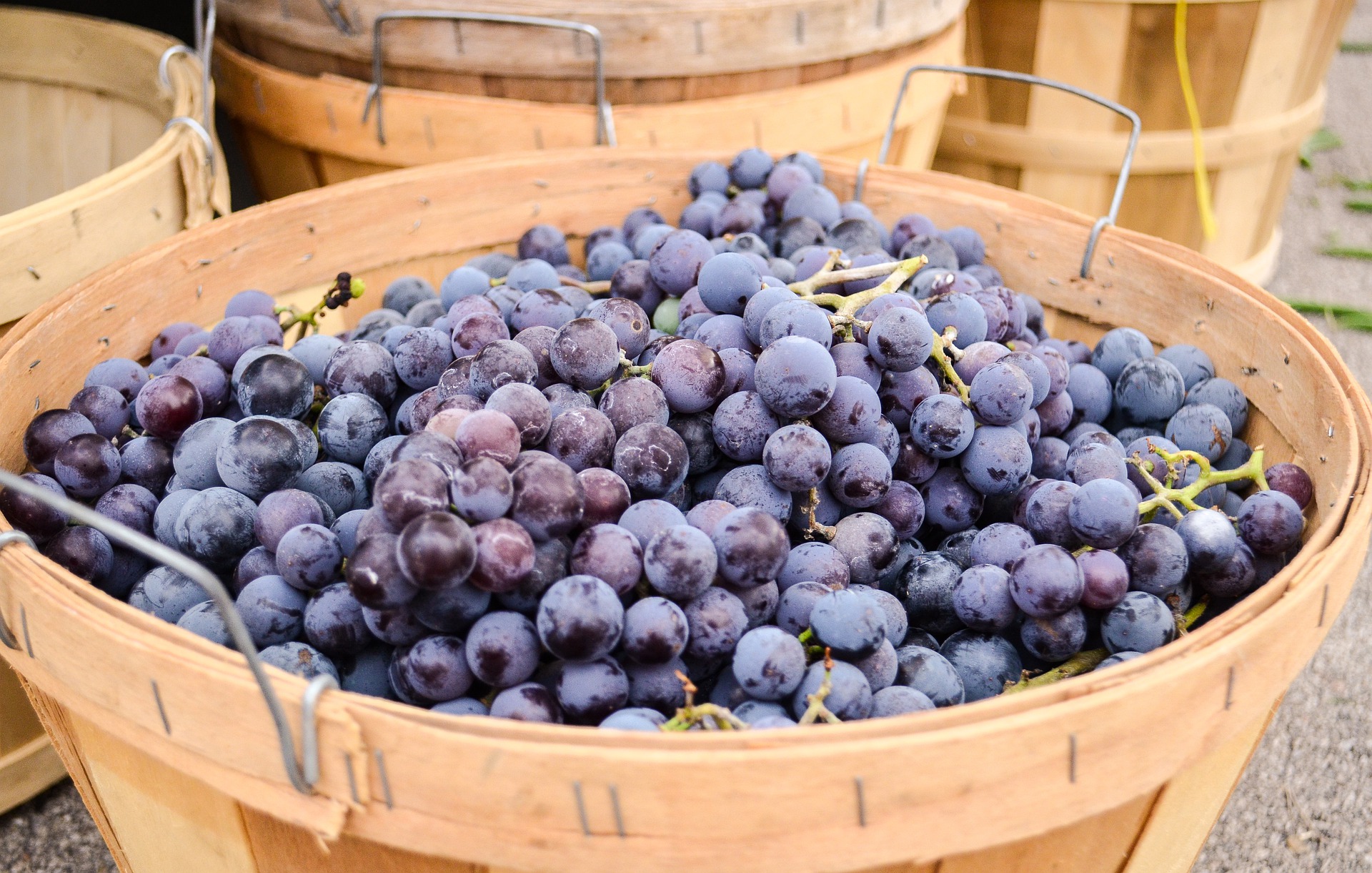
Foxy flavor is a term used to refer to a sweet, distinctive aroma reminiscent of "grape juice" present in Labrusca species (hybrids of Vitis labrusca lineage).
While the expression "grape juice" gives a positive impression, wine experts from countries that do not make wine from Labrusca species, such as Europe, often describe it as "fur coat, musk, animal cage," and "foxy" is regarded as a negative term.
Because foxy flavor is rendered in Japanese as "koshu" (fox smell), many people assume it derives from the scent of a fox, but its etymology is apparently not definitively known.
There are various theories, such as a dubious theory that the esters causing the foxy flavor are found in the musk glands of foxes, a theory that the person who investigated this aroma was a Mr. Fox, or that the grapes that grew wild in Virginia long ago were called "fox grapes."
For now, it seems certain that it has nothing to do with the smell of an actual fox.
The Aroma of Foxy Flavor is Individuality
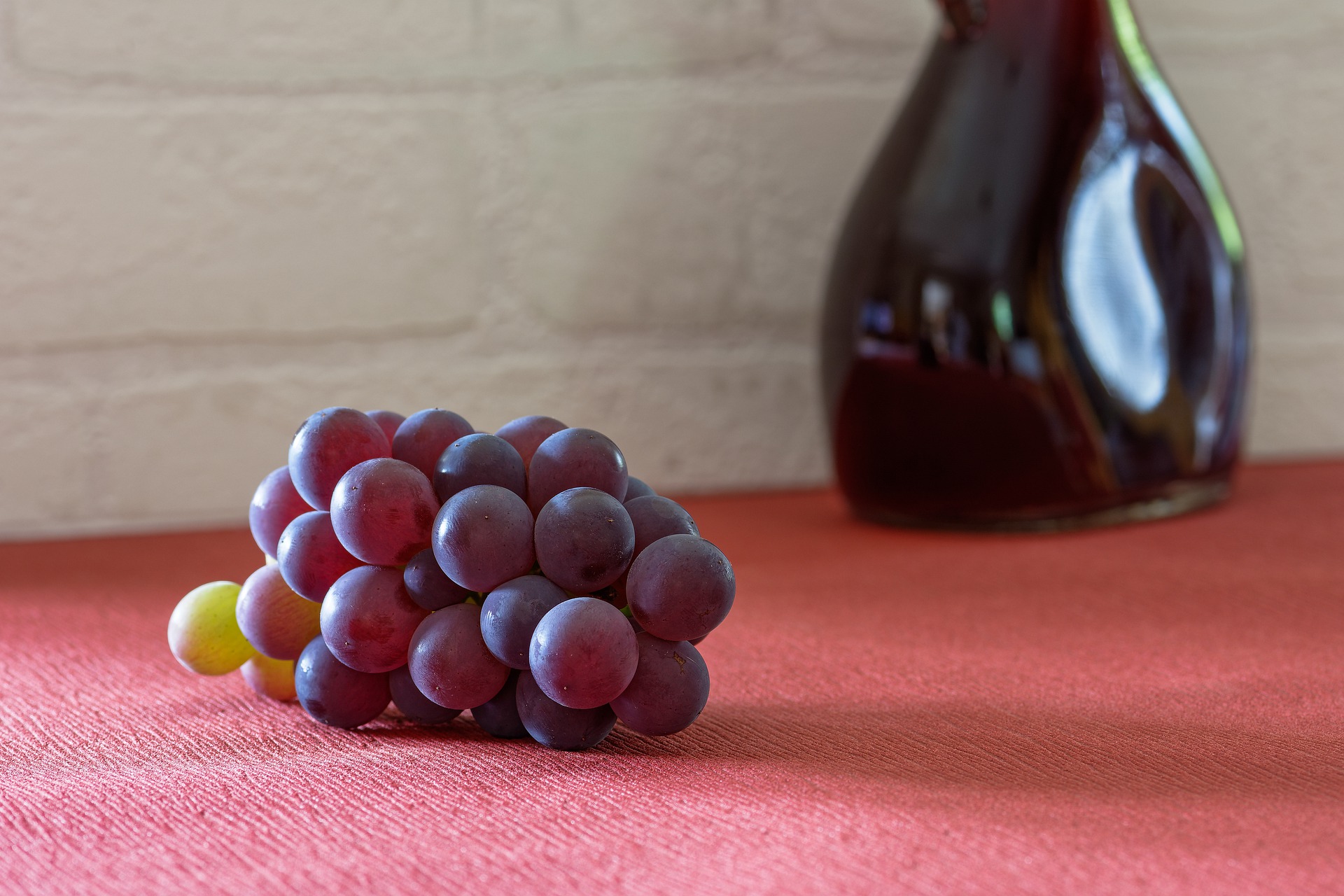
Try comparing Cabernet Sauvignon and Concord wines side by side.
Not to judge superiority or inferiority, but because the flavor of Concord feels quite unique, you might get the impression that it is inferior to Cabernet Sauvignon.
However, when you face the foxy flavor carefully, you will realize that Concord also possesses a surprisingly complex aroma, and you should start finding it appealing.
First, it is known that the aroma components that make up foxy flavor are a series of compounds such as methyl anthranilate, o-aminoacetophenone, etc., but we believe that the aroma is defined by the combination of various other factors beyond these.
Isn't the aroma of foxy flavor formed by the complex interweaving of various components contained in American grapes, such as furaneol and 4-methoxy-2,5-dimethyl-3-furanone, which are abundantly found in Muscat Bailey A?
As mentioned above, foxy flavor is despised by wine experts and overseas wine connoisseurs, but thinking about it calmly, this is an individuality, and depending on how balance is achieved, it can even be considered a new way for a wine genre to exist. (Though it is not truly new since it has existed for a long time...)
For the honor of Japanese wine, we would like to keep asserting that this is precisely an individuality and a charm.
Experiencing It with Muscat Bailey A
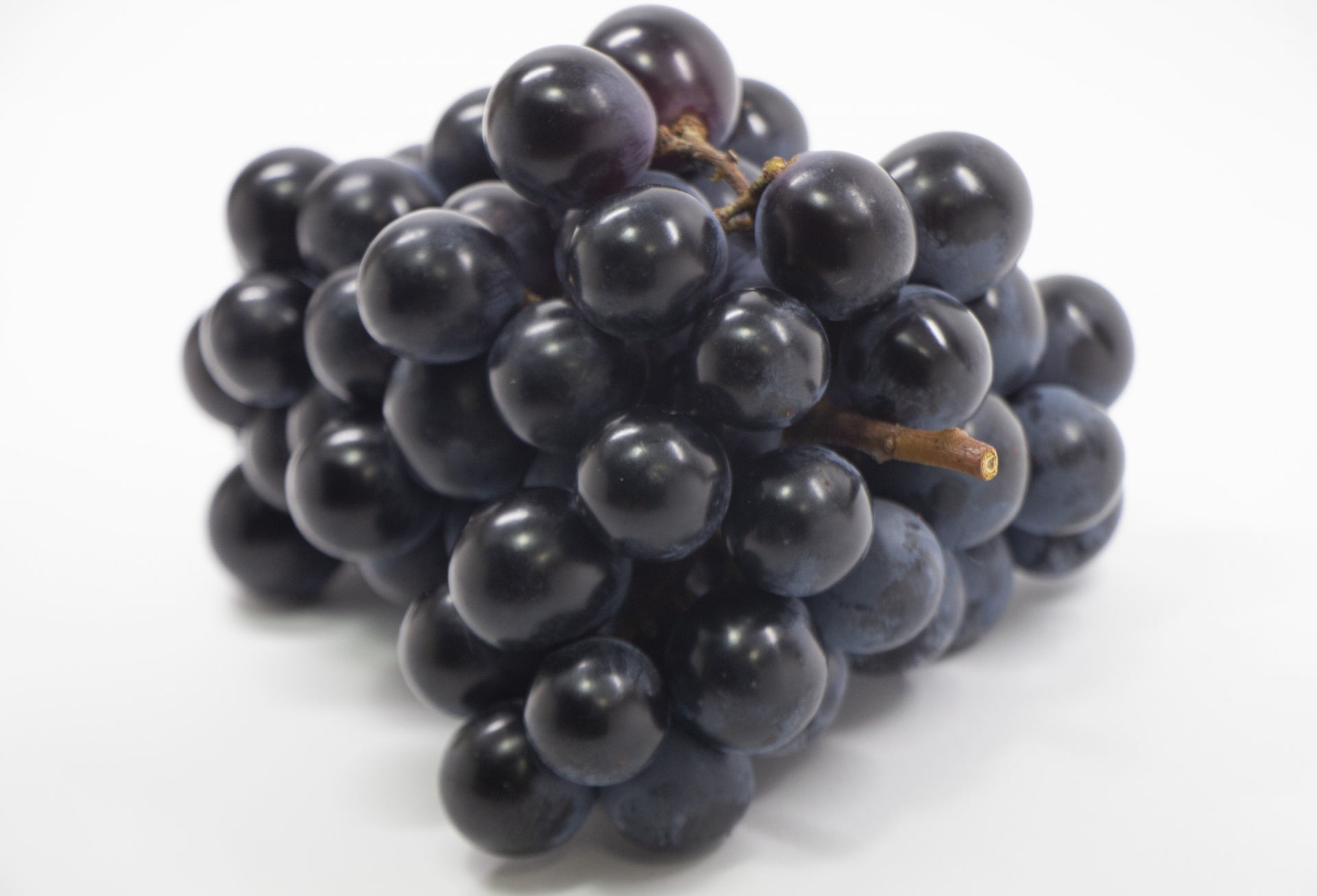
To experience the charm of foxy flavor, the best thing to do is drink a wine where that flavor can be clearly detected.
If so, it would certainly be a wine made from Muscat Bailey A.
Muscat Bailey A is a grape created by crossbreeding the European Muscat Hamburg and the American Bailey, and from the wine made from it, one can sense foxy flavor. (Incidentally, there was also a Muscat Bailey B.)
Since it is said to be characterized by a sweet candy aroma, cotton candy, and a light body with low tannins, it tends to be thought of as having less impact compared to foreign wines, but in reality, it is a unique variety whose style spans a wide range depending on cultivation methods, vinification methods, and aging methods.
Harvesting earlier to make rosé, or harvesting later to finish it as a medium body.
Brewing to take advantage of the abundant furaneol in Muscat Bailey A, or aging it for several years to impart body—Muscat Bailey A wines of completely different styles are produced depending on the producer.
Some winemaking leverages the foxy flavor to its advantage, while other approaches strengthen other elements to use the foxy component intentionally as an accent—the ability to enjoy various arrangements not possible with European grapes is also part of the appeal of Muscat Bailey A.
In addition, it is said that there are similarities between the elements of foxy flavor and "dashi," the lifeblood of Japanese cuisine; while that is not the sole reason, it is well known that such wines pair well with dishes that make use of dashi.
What is interesting is that differences appear in how the foxy flavor is perceived depending on cultivation, winemaking, and aging.
Why not experience that individuality for yourself through Muscat Bailey A?
One of the Styles of Japanese Wine

If the foxy flavor is too strong and masks the other elements the wine possesses, that is a problem.
Nevertheless, in recent years the quality of Japanese wine has improved considerably, and many examples can be seen that show an excellent balance between foxy flavor and the other individual characteristics of the grape varieties.
Rather than dismissing it with "I can't stand this aroma...", by facing it seriously as one of the styles of Japanese wine, you should be able to discover its appeal anew.
Next time you choose certain Japanese wines, wouldn't it be wonderful to try choosing them while paying attention to aspects like foxy flavor?
References
Evaluation Terms for Wine Aroma