
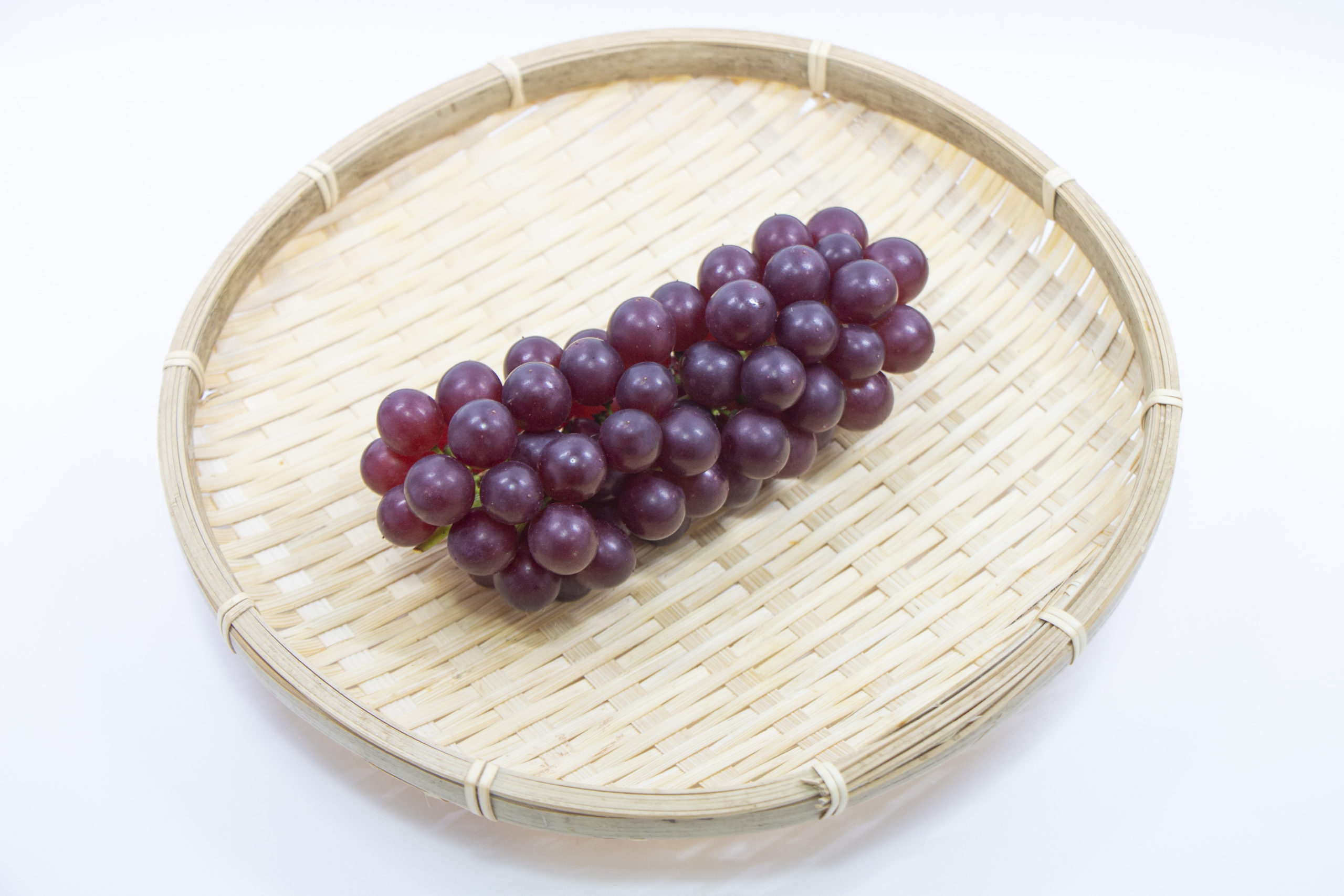
When discussing Japanese wine, one grape variety that should not be forgotten isDelaware.
Although this grape was named in Delaware County, Ohio, USA, it has been beloved in Japan for many years, not only for wine but alsoas a table grape.
However, when Japanese wine is discussed, the focus tends to be on Koshu, Muscat Bailey A, hybrid varieties, and international varieties...
Here,let us take a fresh look at Delaware.
Delaware is a Labrusca variety

As mentioned at the beginning, Delaware is a naturally crossed grape from America (the prevailing theory is that it was discovered in New Jersey),and it came to Japan around 1872.
Therefore, Delaware is not a European wine grape variety (Vitis vinifera) like Chardonnay or Sauvignon Blanc, but ratheran American Labrusca variety.
While wines made from Labrusca varieties have a distinctive flavor, in recent years many high-quality wines using Delaware have been produced, and quite a few are worthy of attention.
From a wine perspective, this variety tends to be looked down upon, butshouldn't we approach it as one of the more interesting varieties?
Are seeded grapes used for wine?
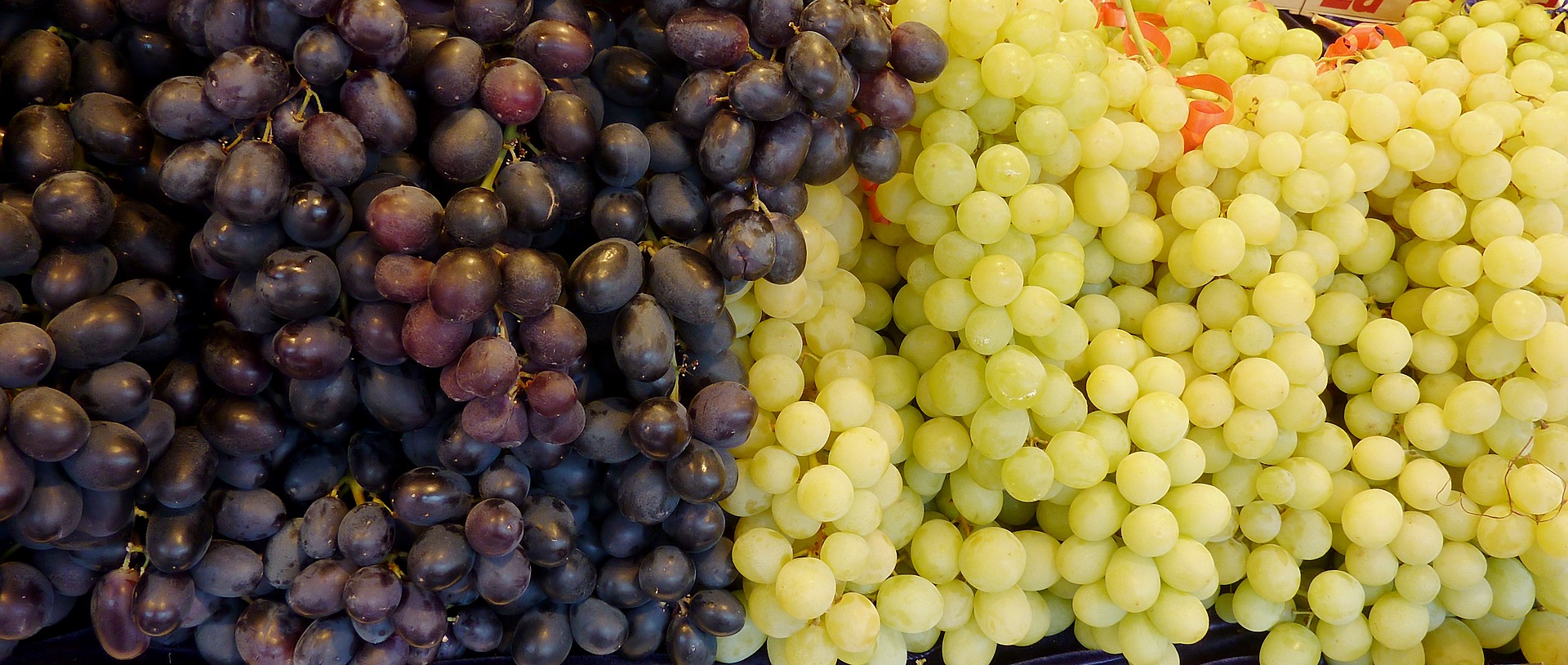
Now, in recent years the trend for table grapes including Delaware has been"seedless".
When I was a child, the existence of seedless grapes was nothing short of astonishing, but nowadaysit may be rarer to find table grapes with seedsin the market.
In other words, since the Delaware used in wine is also a table grape, it wouldn't be strange for people to assume,"well, it's probably seedless Delaware".
About gibberellin treatment
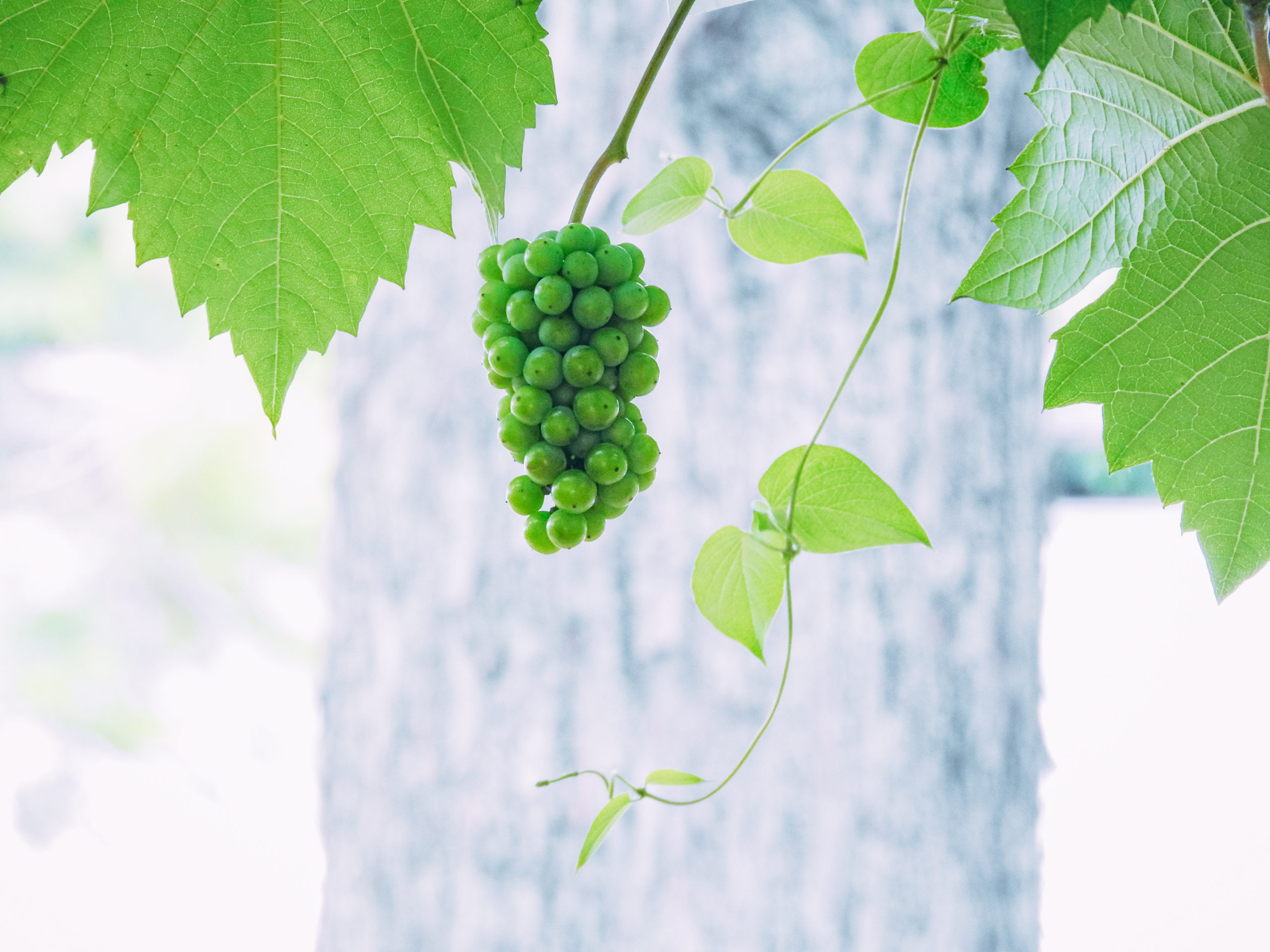
Before discussing Delaware used in wine, let's first consider why grapes become seedless.
Seedless grapes undergo"gibberellin treatment", a plant hormone treatment. (Apparently it was discovered by a Japanese person!)
Normally, grapes are pollinated when pollen reaches the pistil, seeds form in the ovary, and then the fruit develops.
However, gibberellin treatment allows fruit to develop without pollination,resulting in grapes that remain seedless.
Incidentally, gibberellin treatment is reportedly performed twice depending on the variety, and it is quite difficult to make them both seedless and grow robustly...
It reflects the demanding nature of Japanese consumer needs that such measures are necessary, butthe ability of many producers to meet those needs is what makes Japan remarkable.
Which type of Delaware is used for wine?
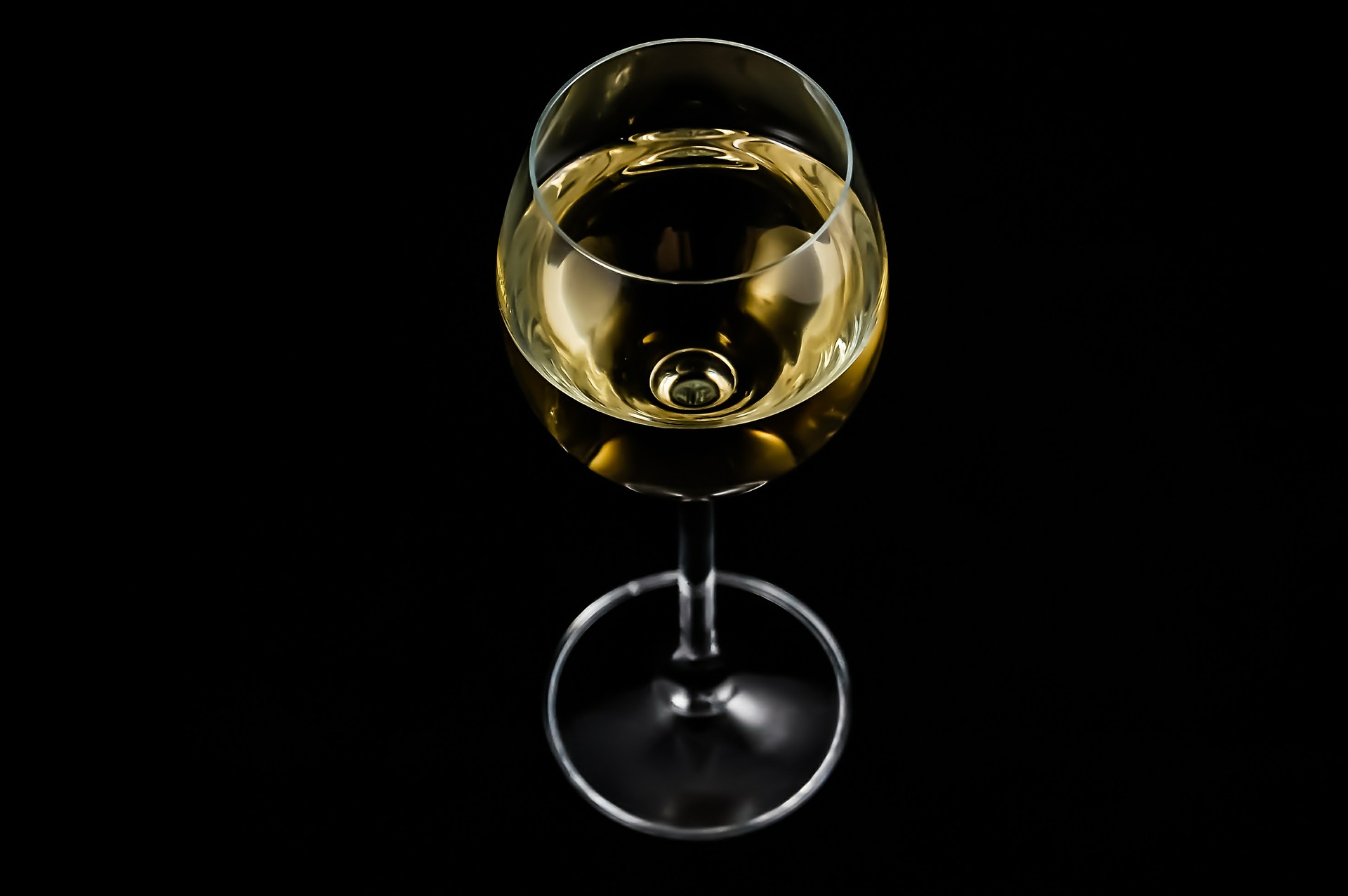
Knowing about gibberellin treatment, most people would naturally assume that the Delaware used as a wine ingredient is also seedless grapes that have undergone gibberellin treatment.
However,most Delaware used as wine ingredients is "seeded".
The reasons...
- Seeded grapes have a higher skin-to-fruit ratio, making it easier to extract flavors from around the skin.
- Seeded Delaware has higher acidity at harvest time.
This is not limited to Delaware; it may apply to all cases of making wine from table grapes.
Incidentally, as mentioned, gibberellin treatment is labor-intensive, which means it requires more work than Delaware used for wine.
Therefore,those who have recently entered farming often work with wine-use Delaware.
Let's pay attention to Delaware too!
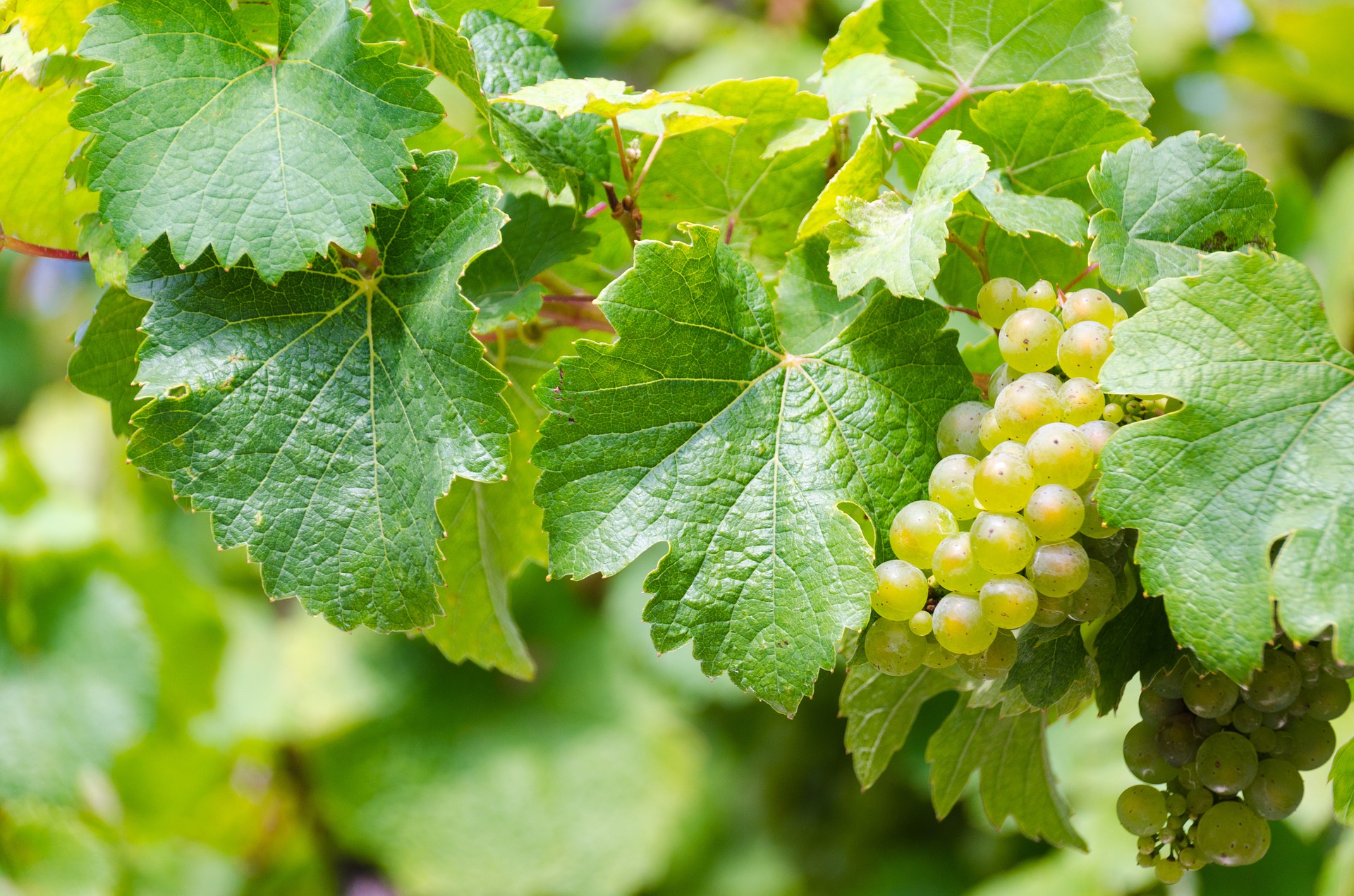
"Seeded or seedless?" may be a somewhat niche topic, but it's a discussion that can be enjoyed precisely because this grape is used for both table grapes and wine.
Conversely, when drinking Delaware wine, it seems necessary to approach it from a different perspective than the table Delaware we usually eat.
Delaware also varies greatly inhow the wine turns out depending on differences in production area, harvest timing, and winemaking methods.
If you're going to enjoy Japanese wine, why not pay attention to Delaware as well?
Reference