
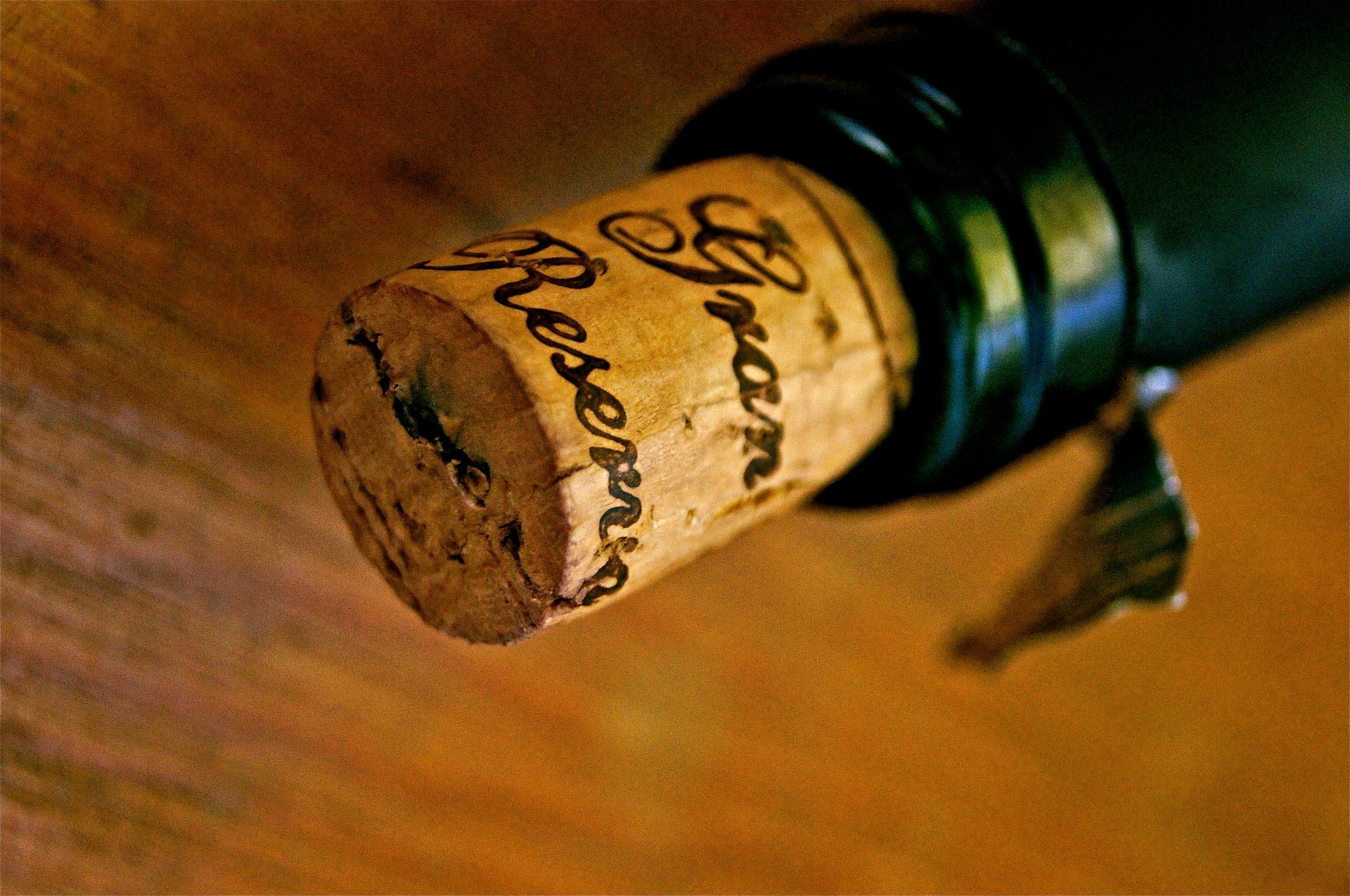
Bouchonné is one of wine's major off-flavors.
Many people who have become interested in Japanese wine and started studying wine are probably curious about bouchonné.
Although the occurrence of corked wines has decreased in recent years, it still exists very rarely in both imported wines and Japanese wines, so it certainly does not hurt to know about it.
Here, we would like to briefly explain bouchonné for wine beginners.
What is Bouchonné?
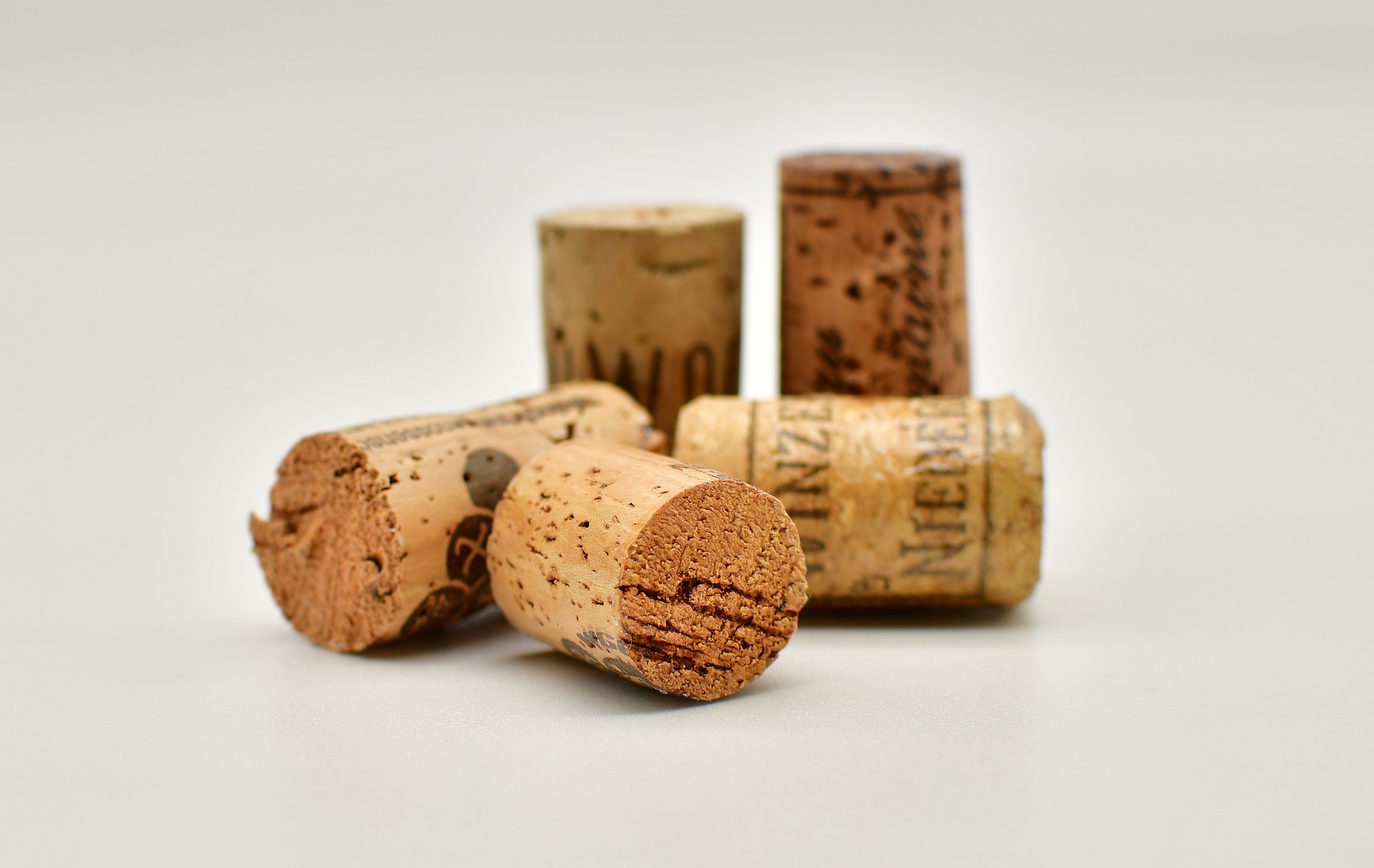
Simply put, bouchonné refers to a state where wine has deteriorated due to a contaminated cork.
Its name is said to originate from "bouchon," which means cork in French.
Wine contaminated by bouchonné is often described as smelling like a "neglected wet dishcloth" or "damp cardboard"—a troublesome flaw that simply ruins the wine.
Once a wine is affected by cork taint, it can never recover, and it is basically discarded.
Even with such a reputation, you often see people at tastings, restaurants, or wine bars asking, "Excuse me, is this... corked?"
However, there are quite a few people who cannot clearly explain what "bouchonné" actually is.
The fundamentals of cork taint are summarized below.
- About TCA
- Where does TCA come from?
- How can bouchonné be prevented?
Let us explain each of these points.
About TCA
Bouchonné is said to be caused by a chemical substance called TCA (2,4,6-trichloroanisole). (Tetrachloroanisole is also associated with it.)
Other anisoles also seem to play a role in cork contamination, but TCA is undoubtedly the primary culprit.
A cork affected by TCA inflicts severe damage on wine even in minuscule amounts, spoiling the wine right after bottling.
Although the incidence rate of TCA is debated, it is said to be around 2% of all wines, which can be considered relatively frequent when you think of it as 2 bottles out of every 100.
Where Does TCA Come From?
Corks that develop TCA are not stored in special locations; they are stored and inserted into bottles in the exact same places as other corks.
So why does TCA occur?
First, chlorine is said to be involved with TCA.
Previously, it was believed to be linked to chlorine disinfection during the cork manufacturing process, but since TCA still occurs even after switching to hydrogen peroxide, that does not seem to be the only factor.
According to one study, when cork oak trees in Portugal were examined before being processed into wine corks, TCA was already detected in some of them even in that state.
In addition, according to a 2004 study conducted by Pascal Chatonnet and colleagues, TBA (2,4,6-tribromoanisole) was discovered as a cause of moldy odors in corks, and it was suggested that its precursors were substances used as insecticides.
In other words, it is said that TCA and TBA may originate not only from corks, but also potentially from the winery or barrels.
How Can Bouchonné Be Prevented?
The following methods can be considered to prevent bouchonné:
- Use screw caps
- Do not use natural corks
- Do not use cork oak-derived closures, opting instead for synthetic closures such as plastic
- Analyze cork oak in advance... and so on
As explained above, although natural cork is not the only cause of bouchonné, the vast majority indeed stems from it.
In other words, you can consider that if natural cork is not used, this issue is eliminated.
Furthermore, technologies to remove musty odor-causing substances from cork have emerged in recent years, so natural corks utilizing such technologies might pose no problem.
Can We Give Up the Appeal of Cork?
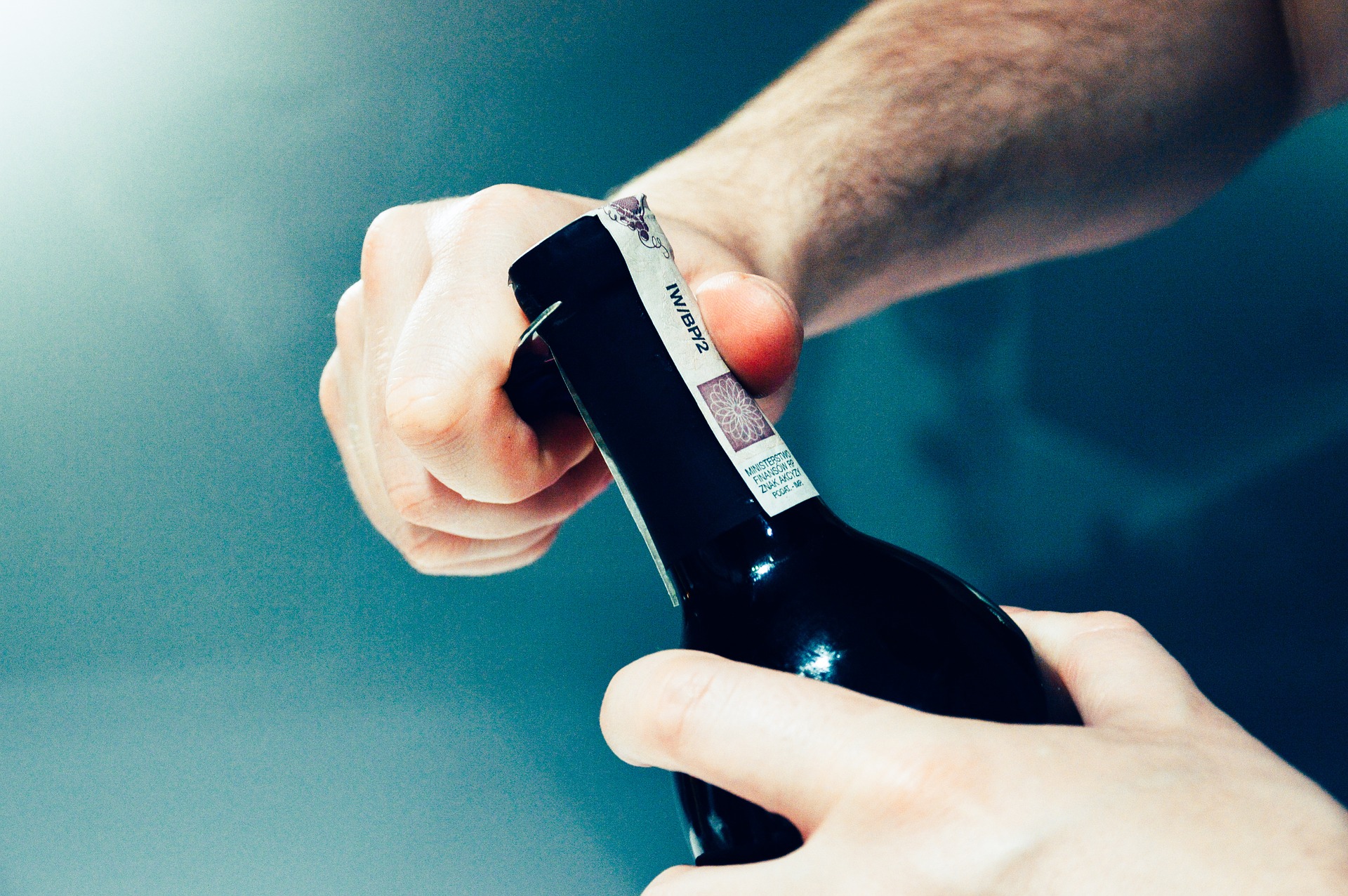
To take it to an extreme, preventing bouchonné means abandoning cork and adopting closures like screw caps.
However, a future where natural cork is no longer used for wine brings a very bittersweet feeling.
To begin with, cork is inert, impermeable to liquids and gases, yet allows just the right amount of oxygen transmission, playing an irreplaceable role in the long-term aging of fine wines.
Above all, checking the aroma of the wine soaked into the cork after pulling it, and the very act of uncorking itself, undoubtedly lifts one's spirits.
That being said, research conducted by an Australian research institute revealed that natural and synthetic corks absorb volatile aromatic compounds from wine, which is said to put their position in even greater jeopardy. (Screw caps are mainstream for Australian wine.)
Even if you do encounter a corked bottle, can you simply shrug it off and say, "Well, there's nothing that could be done about it"?
Ultimately, it may come down to personal perspective. (Though it is troublesome for the sellers...)
Take Another Look at Cork!
After opening a wine and finishing it, the cork is discarded.
However, when you think about bouchonné again, a flawless natural cork becomes something quite endearing.
When you drink wine, why not take the time to observe the cork closely as well?
References
Technology for Removing Musty Odor Substances (Haloanisoles) from Cork
https://www.jstage.jst.go.jp/article/jbrewsocjapan/107/3/107_177/_pdf
Jamie Goode – The Science of Wine