

When it comes to the undisputed kings of red wine grape varieties, Cabernet Sauvignon, Pinot Noir, and Syrah (Shiraz) instantly come to mind.
These are popular varieties widely used not only in wine-producing regions around the globe, but also in Japanese wine.
However, while not among these classic heavyweights, there is a variety that yields particularly high-quality red wines in Japan.
That variety is Cabernet Franc.
Japanese wine continues to evolve at a remarkable pace.
Moving forward, more and more people are bound to say, "This Japanese wine is delicious! What variety is it... wait, Cabernet Franc...?"
Here, we would like to walk you through the basic fundamentals of Cabernet Franc.
What is Cabernet Franc?
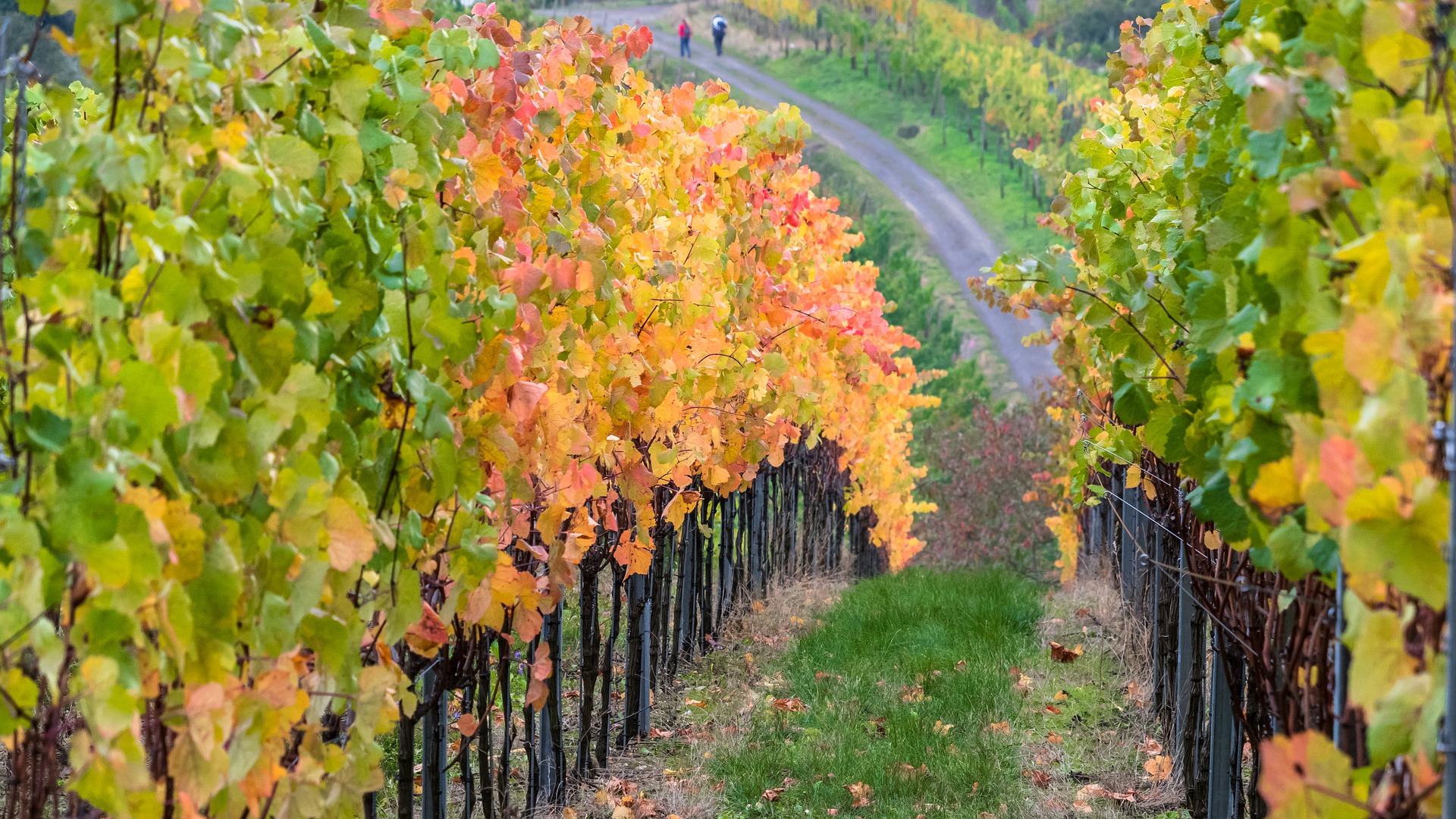
Cabernet Franc is a red grape variety whose history is said to have begun in the Basque Country several hundred years ago (though some say it originated in Bordeaux).
It is thought to have been planted in Bordeaux starting around the 17th century, before eventually making its way to the Loire Valley.
At the beginning of the 20th century, Cabernet Franc was widely grown in Bordeaux, but as the popularity of Cabernet Sauvignon and Merlot surged, it was largely replaced, leading it to become known as a blending variety in the region today. (It continues to play a significant role on Bordeaux's Right Bank, however.)
Today, the primary home of Cabernet Franc is the Loire Valley, where wines tend to be crafted as single-varietal expressions rather than blends like those in Bordeaux.
Compared to Cabernet Sauvignon, it buds about ten days earlier, thrives in cooler climates, and is disease-resistant, making it regarded as a comparatively easy grape variety to cultivate.
A Parent of Cabernet Sauvignon?
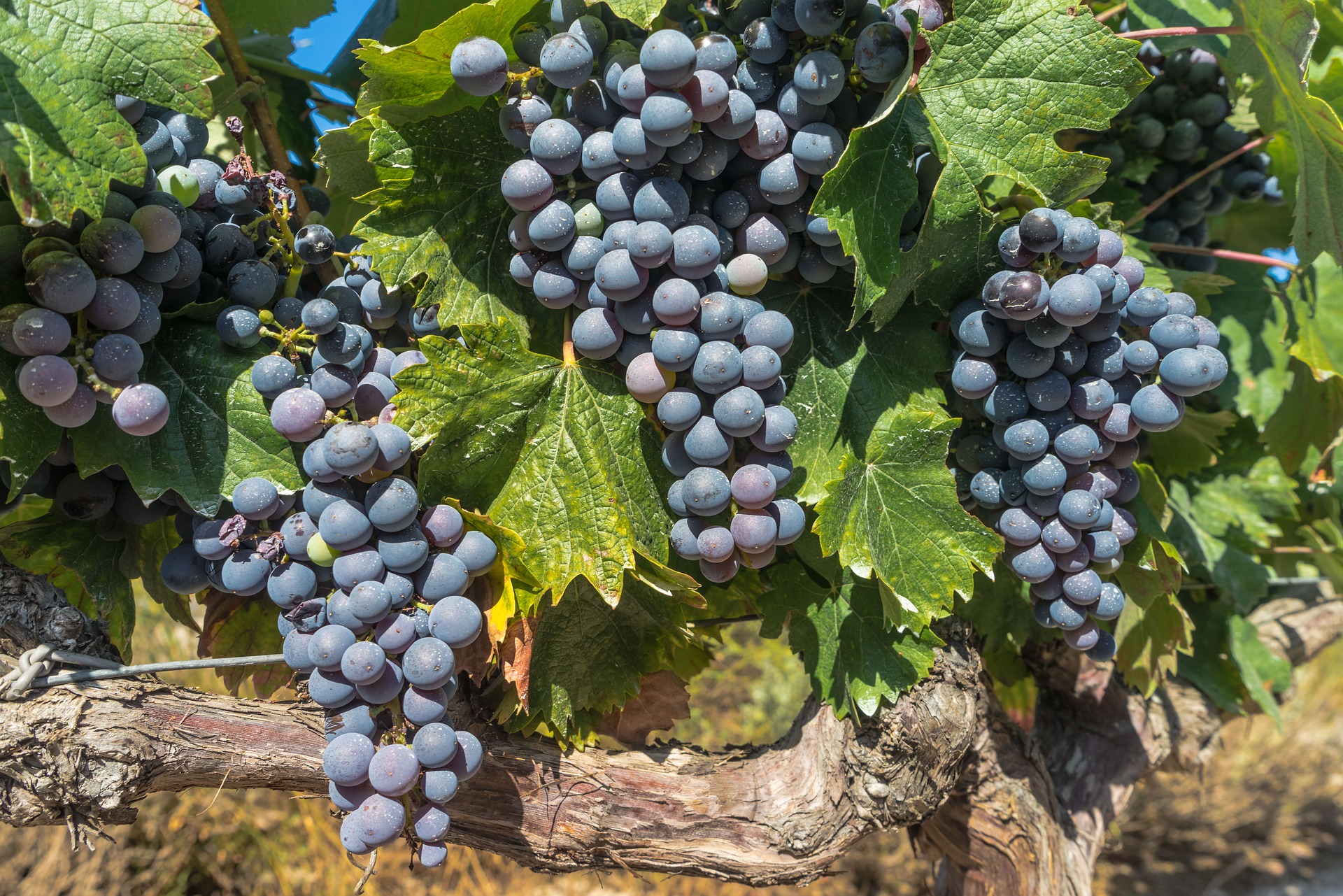
An indispensable topic when learning about Cabernet Franc is its relationship to Cabernet Sauvignon.
Given their similar names, it is easy to assume they are closely related varieties, but Cabernet Franc is actually a parent of Cabernet Sauvignon.
DNA parentage testing conducted at the University of California, Davis in 1997 revealed that Cabernet Sauvignon was born from a spontaneous crossing of Cabernet Franc and Sauvignon Blanc.
The methoxypyrazine-derived bell pepper aroma is a classic signature of Cabernet Sauvignon, but it is also abundantly present in Cabernet Franc.
Far from being merely somewhat alike, it is well worth remembering that these two grape varieties are practically direct kin.
The Character of Cabernet Franc
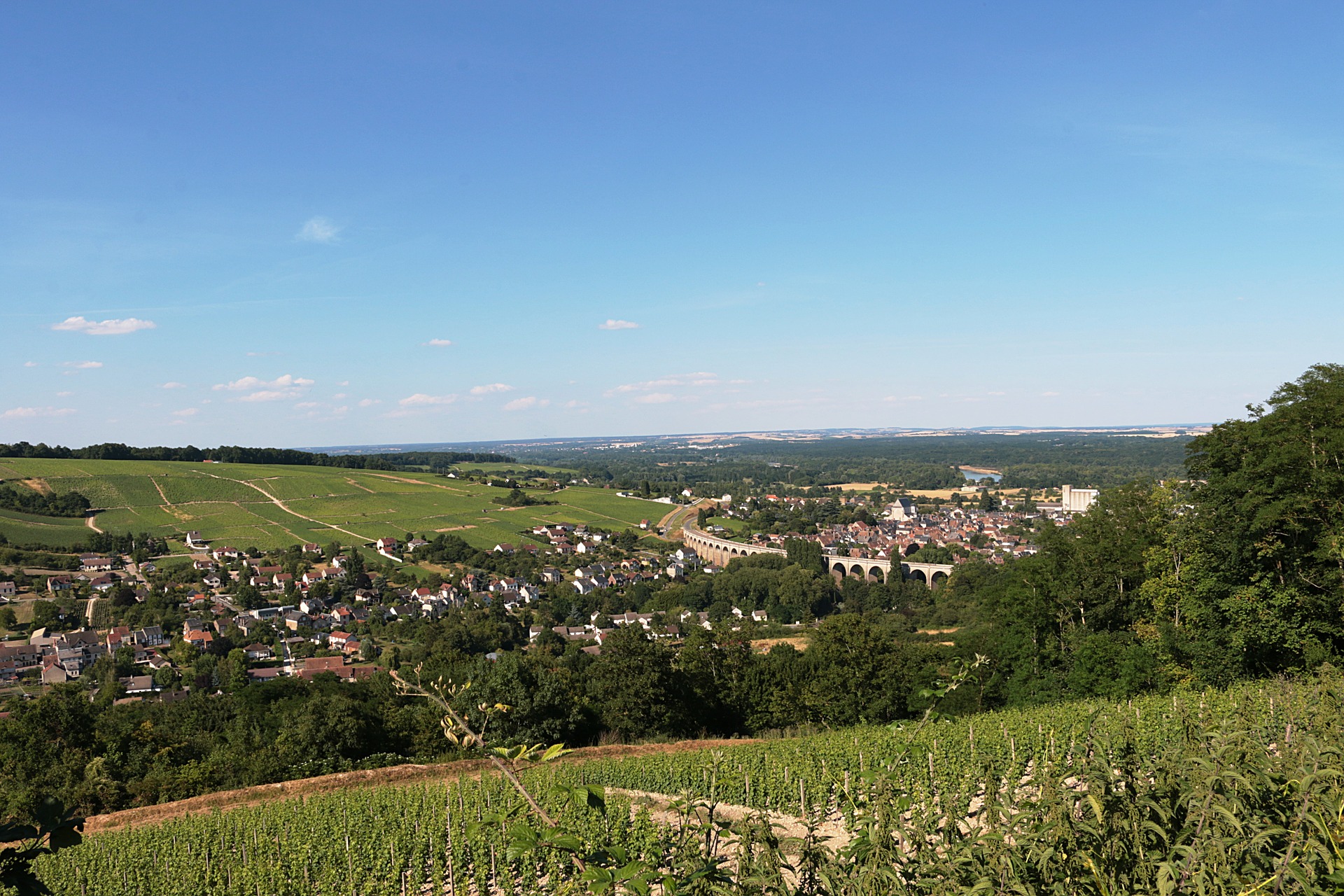
Rather than a punchy, bold profile, high-quality Cabernet Franc calls for elegance and nobility.
Although we mentioned it is a relatively easy variety to grow, harvesting top-tier Cabernet Franc that marries noble aromatics, fresh acidity, and a supple body requires cultivation under conditions ideally suited to Cabernet Franc.
For instance, Cabernet Franc from Chinon in the Loire Valley is considered exceptional; the region's well-draining limestone soils are famed for producing Cabernet Franc capable of aging for decades.
Naturally, when vinifying Cabernet Franc, opting for a pure approach rather than forceful extraction may also be essential.
Furthermore, the Loire Valley is renowned for organic winemaking (including natural wine), and the fact that producers cherish Cabernet Franc's unique personality rather than pursuing a standardized profile is another reason the region remains so celebrated.
While producing a rich, full-bodied Cabernet Franc is certainly a valid style, Japanese wine should, whenever possible, strive for elegance and nobility.
In fact, the most highly acclaimed Japanese Cabernet Franc wines are invariably crafted in an elegant style.
I personally believe that the distinct qualities of Japanese wine and the identity of Cabernet Franc form a brilliant match.
The Flavor Profile of Cabernet Franc
Here, we will look into the general flavor profile of Cabernet Franc.
In appearance, Cabernet Franc displays medium intensity—lighter than Cabernet Sauvignon, but deeper than Pinot Noir.
A pronounced violet hue is one of its distinctive traits.
On the nose, you will encounter the aforementioned herbaceous notes derived from methoxypyrazines, violet-like floral tones, candied cherries, and cocoa.
Because it is typically aged in oak barrels, you may also detect spicy nuances, cloves, cedar, and dry, aromatic impressions.
Due to its thinner skins, tannins are moderate rather than overpowering, yet the comparatively high acidity lends a fresh and taut overall impression.
It offers an aromatic profile that is generous yet framed by elegant tension.
With these traits in mind, try comparing different bottles of Cabernet Franc.
Pairings
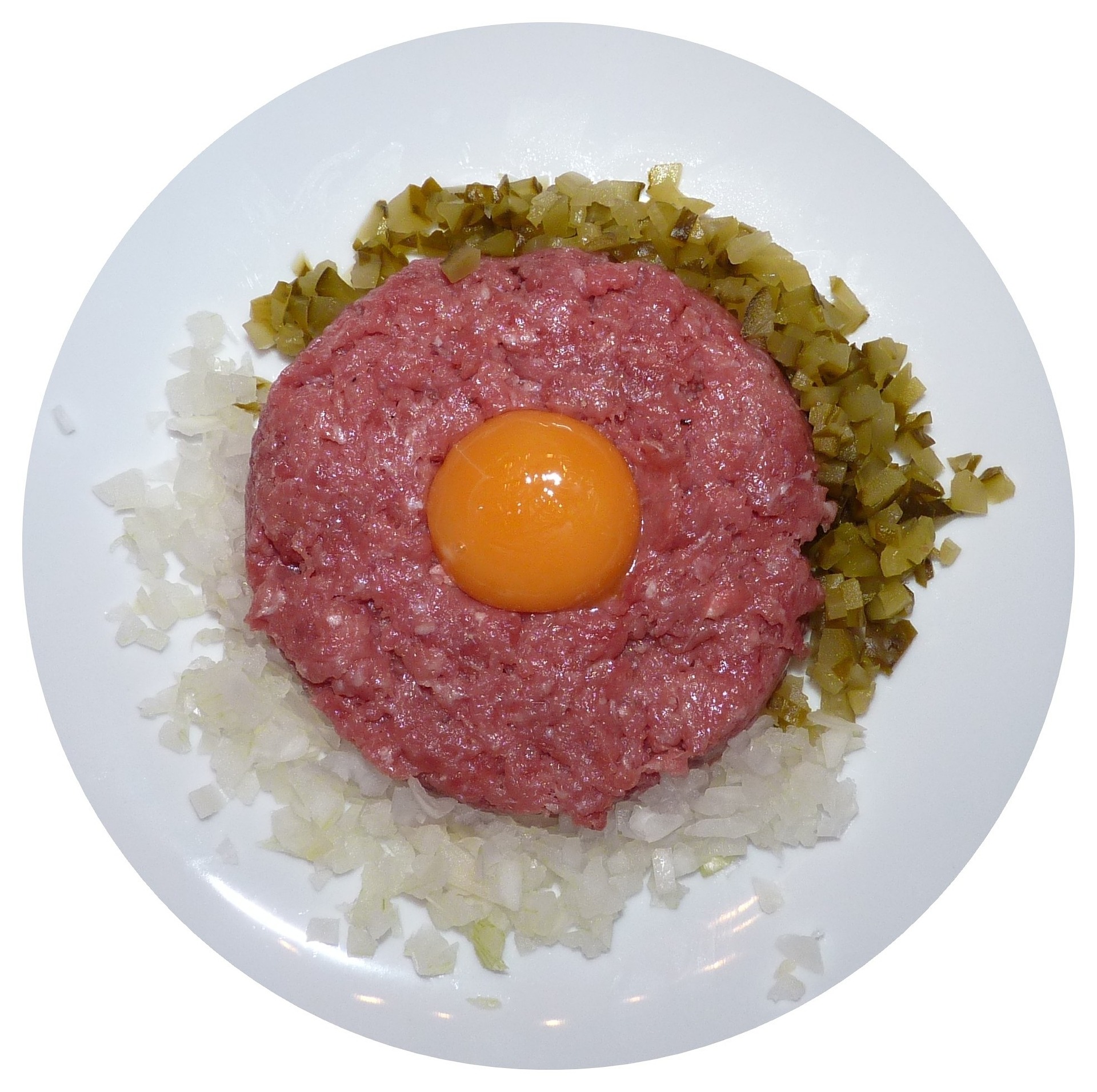
Cabernet Franc is characterized by complex aromatics, crisp acidity, and restrained tannins.
As such, it pairs beautifully with lean meats such as beef (like tartare), venison, and horsemeat sashimi (basashi).
In addition, because it carries herbaceous and spicy nuances, incorporating herbs or black pepper into your dishes will significantly elevate the match.
Because Cabernet Franc has a structured, taut feel, pairing it with ingredients that offer good chew and texture—such as thick-cut roast beef or braised root vegetables—can also work wonderfully.
Personally, I highly recommend pairing it with yakitori, specifically tare-glazed liver or tsukune (chicken meatballs).
Please give it a try!
Be Sure to Check Out Cabernet Franc!
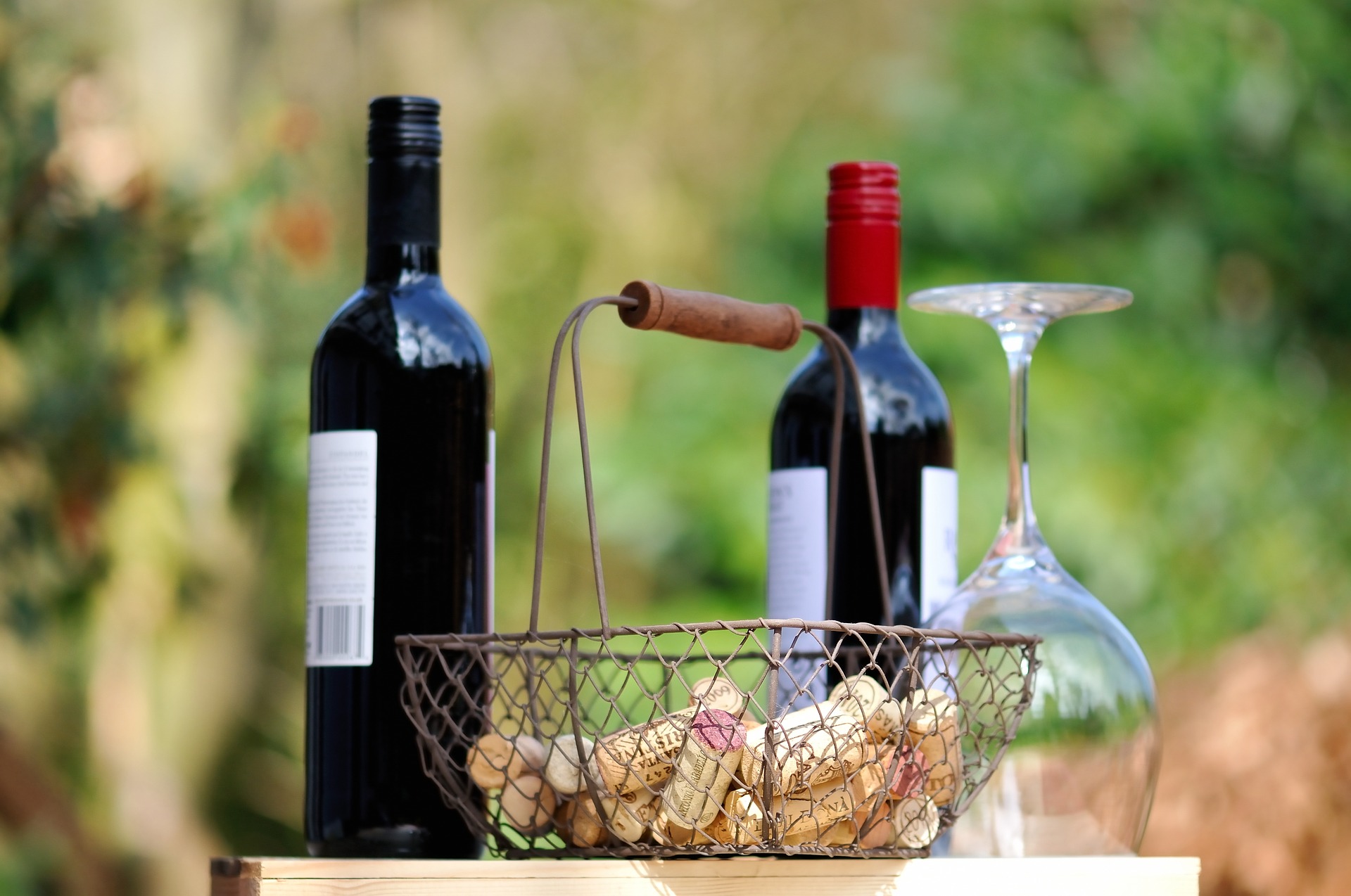
A great number of wineries—including Charmant Wine, Edel Wein, Izutsu Wine, and Grace Wine (Chuo Budoshu)—produce high-quality Cabernet Franc.
Incidentally, Edel Wein produces a white wine made from Cabernet Franc called "Franc Blanc," which is well worth checking out.
Cabernet Franc is a grape variety you will never regret getting to know.
To say it once more: it is without a doubt a grape variety that will command growing attention in the world of Japanese wine!
References
Norisoprenoid Aroma Compounds in Wine: Recent Research