
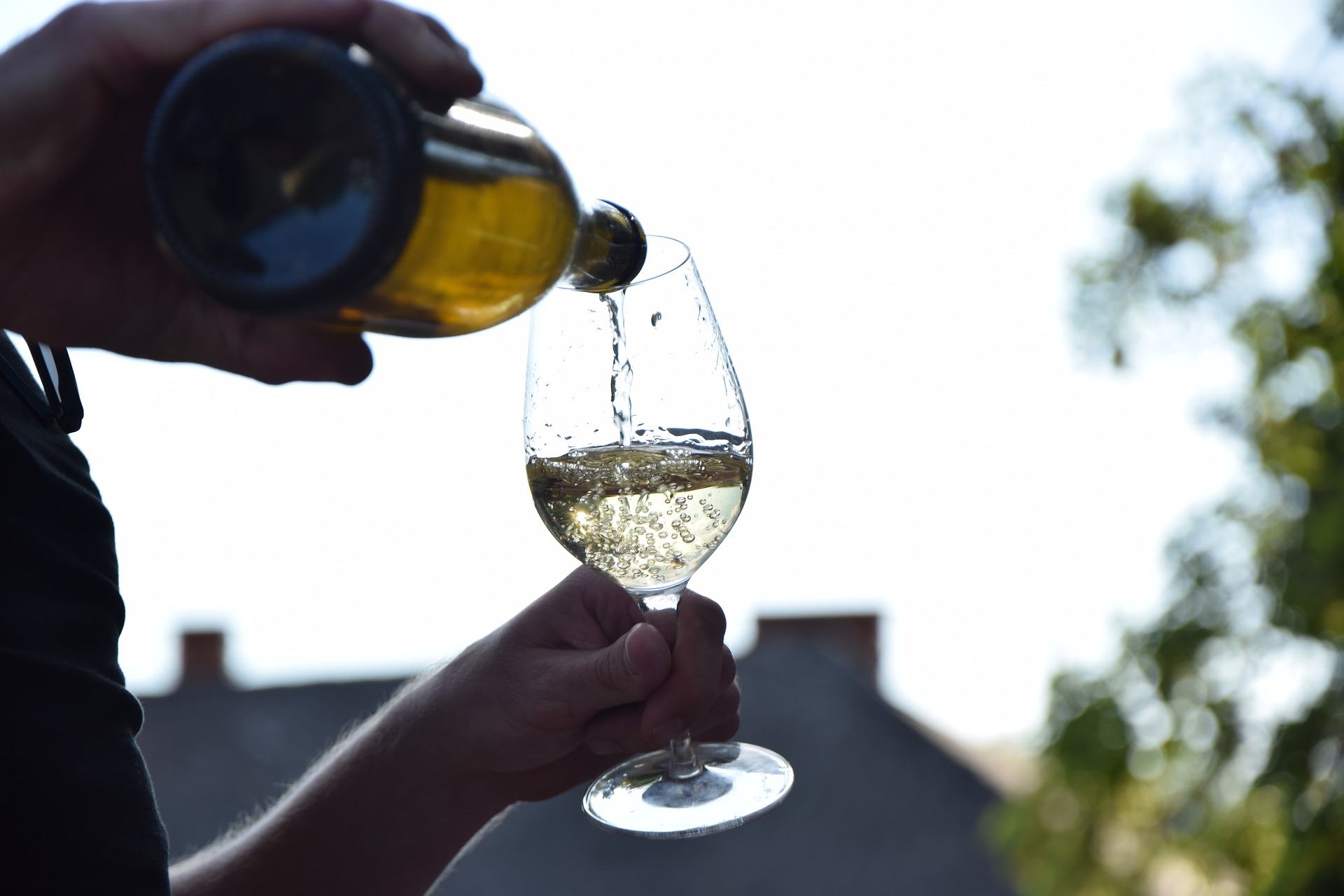
One type of wine that has gained popularity in Japan in recent years is wine made from grapes cultivated using "biodynamic farming methods"called "biodynamic wine".
Currently, there are virtually no biodynamic wines among Japanese wines, but the possibility of producers challenging biodynamic farming methods in the future is not zero.
Here, we will explain the basic knowledge about biodynamic wine.
What is Biodynamics?
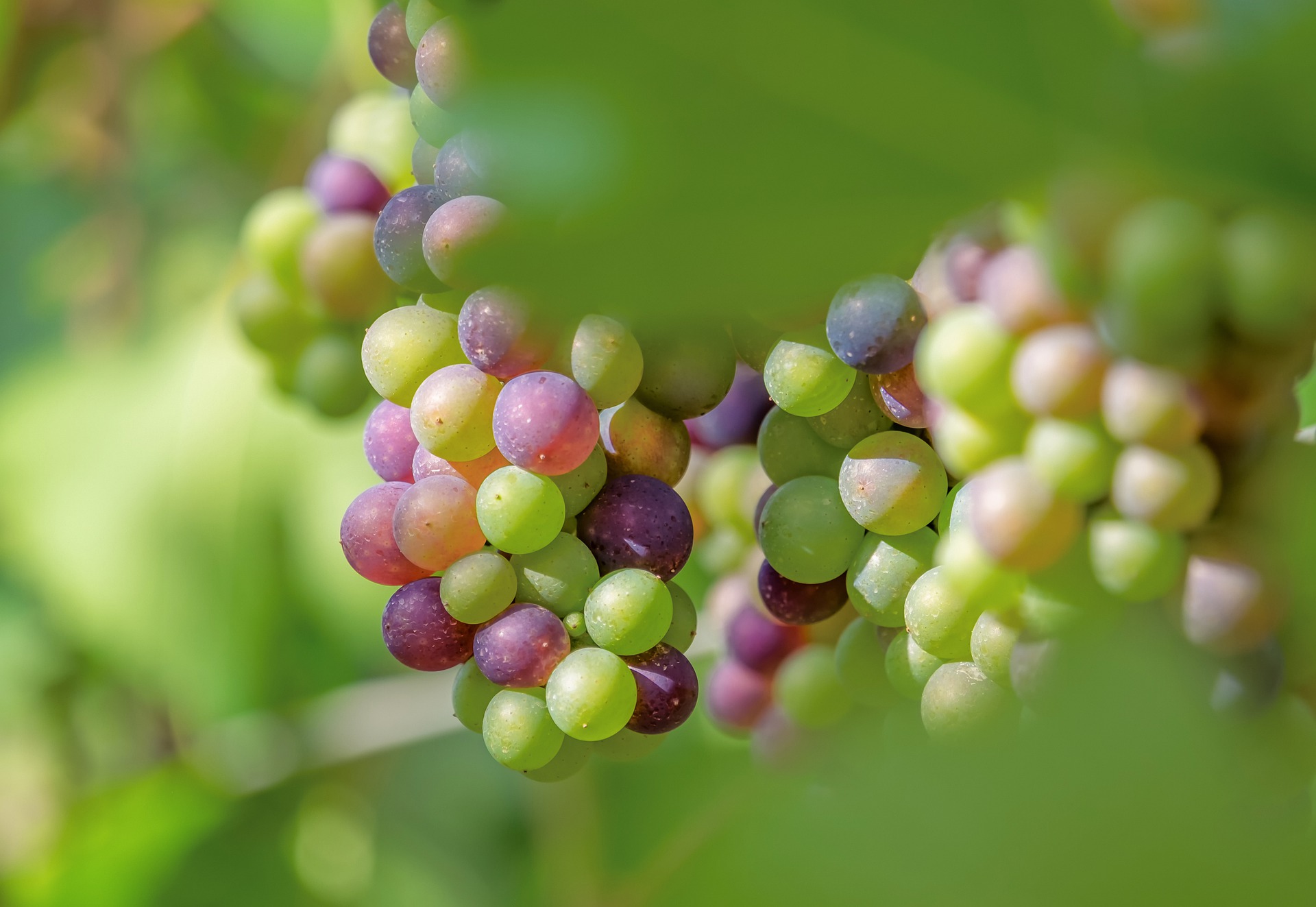
Biodynamic (farming) is an agricultural method established in 1924 based on the philosophy proposed by German thinker Rudolf Steiner,"an approach to conserving and giving value to soil and plants in a natural environment".
It is a type of organic cultivation that does not use pesticides or chemical fertilizers and emphasizes harmony with the cosmos and animals.
It is also characterized by the use of unique preparations, and rather than being a type of organic cultivation,it is closer to a "philosophy"as an agricultural method.
There are four main principles of biodynamics.
- Preparations
- Activation
- Respect for natural rhythms
- Maintenance of life forms inhabiting the vineyard
Although it is a farming method with a somewhat unscientific impression, it is said to have major benefits such as naturally increasing the resistance of grapevines and enabling grapevines to respond to weather conditions and diseases according to their respective environments.
Starting with France's Loire Valley and Côtes du Rhônethe fact that there are producers incorporating biodynamic farming methods in wine regions around the world is proof of this.
How to Make Biodynamic Wine?
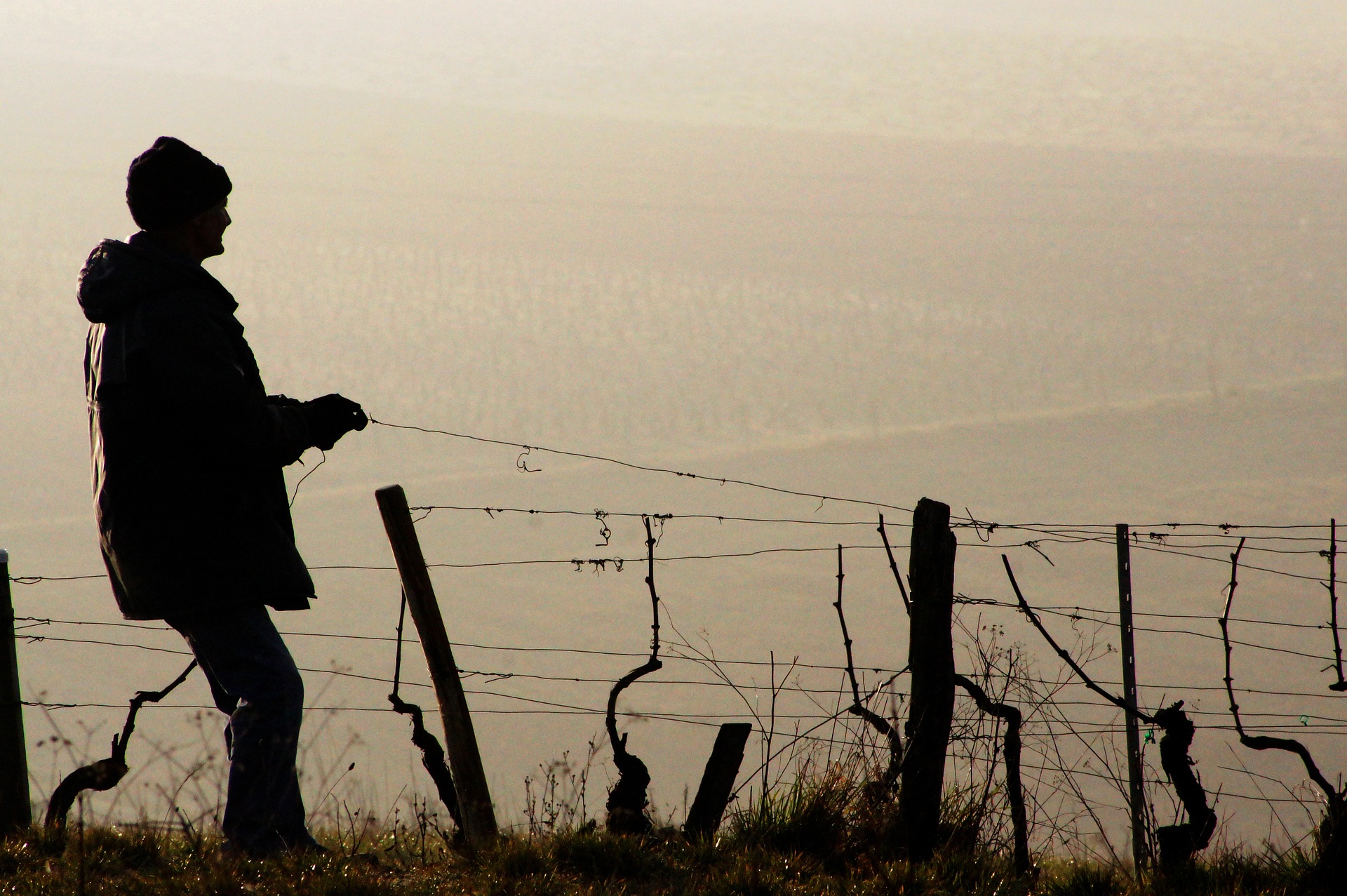
Biodynamic wine is attracting worldwide attention not only for its sustainable image,but also because "delicious wines are born".
In fact, the famous Romanée-Conti is known to incorporate biodynamic farming methods, and there are many famous wines around the world that are biodynamic wines.
Many producers want to make such biodynamic wine, but to do so requires incorporating biodynamic farming methods.
These are the characteristics of biodynamic farming.
- Fertilizers from external sources cannot be used
- Sowing and harvesting are carried out based on the lunar calendar and the movement of the stars
- Soil is improved by burying cow horns mixed with fertilizer... etc.
Regarding the timing of sowing and other activities,a "Grape Sowing Calendar"exists, and it is said to be good to follow it.
However, the greatest characteristic of biodynamic farming is the last item about fertilizer.
Here is a summary of some of the preparations used in biodynamic farming.
- No. 500: Cow manure stuffed into a female cow's horn and then fermented
- No. 502: Yarrow flowers placed in a male deer's bladder and fermented
- No. 505: Oak bark stuffed into a livestock skull and fermented
- No. 507: Squeezed juice from valerian flowers
These are just a few examples, but the preparations themselves are sold even if you don't make them yourself.
When incorporating biodynamic farming into your own vineyard, it is ideal to start with organic cultivationand gradually expand your biodynamic approach from some areas.
It will likely take quite a number of years, but there is no doubt that it is attractive as a farming method like no other.
Is Biodynamic Farming Attractive?
We have shared basic knowledge about biodynamic farming.
"What on earth is this..."many people may have thought.
However, according to research conducted on biodynamic farming in New Zealand long ago, compared to conventional vineyards, there was more organic matter and more active microbial activity,and it was suggested that the soil quality was far better.
Also, among the episodes of famous producers in France and elsewhere, there are many cases where switching to biodynamic farming revived vineyards that were on the verge of death.
In fact, it is said that the work of soil microorganisms is an essential condition for cultivating quality grapes,and it is one of the farming methods that should be noted in current winemaking where "terroir" is emphasized.
Choose Biodynamic Wine
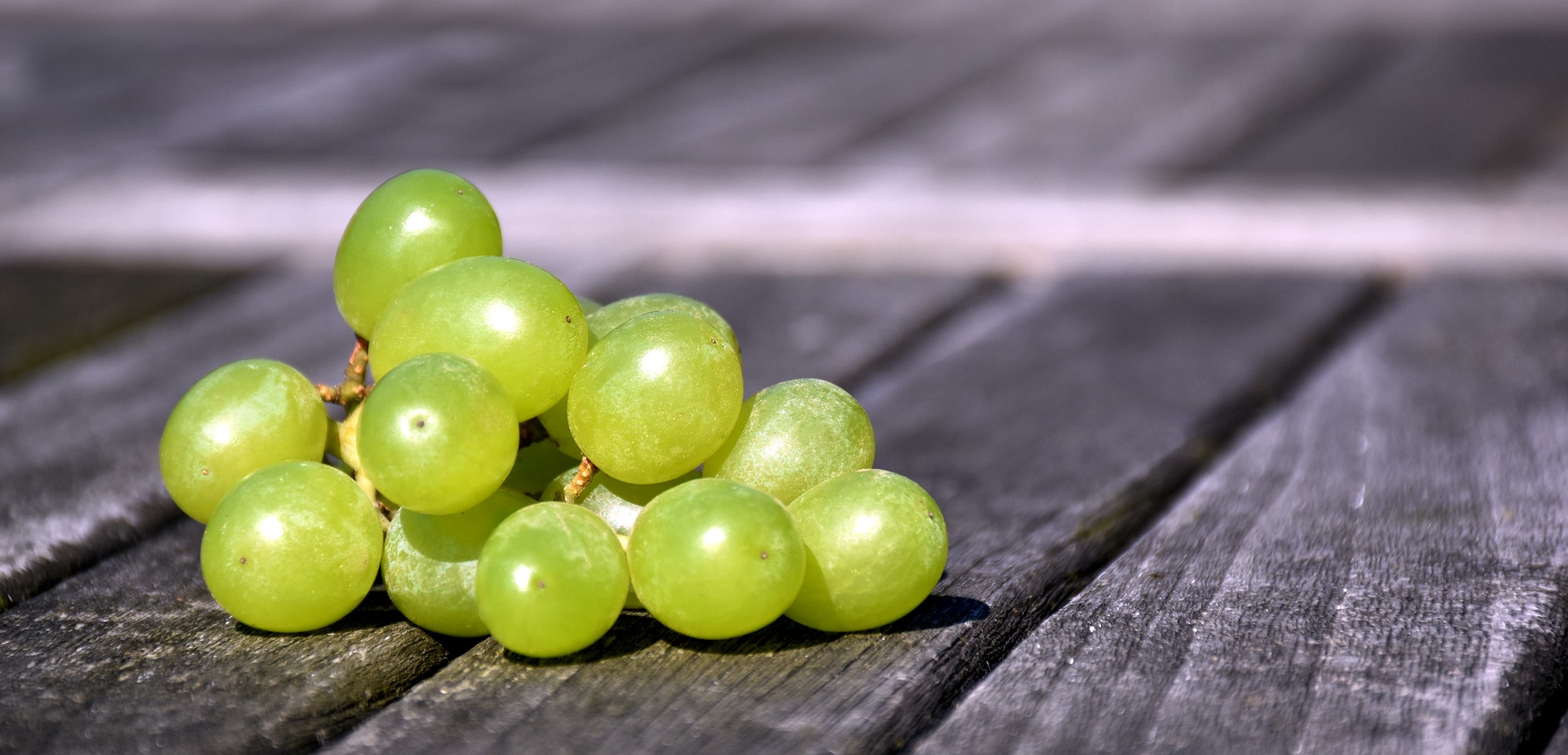
Wine made using biodynamic farming methods is biodynamic wine.
When choosing biodynamic wine, it is good to select those certified by the certification body called"Demeter"which was recognized by the French government in 1987, or"Biodyvin"a producers' association of biodynamics.
Especially "Demeter" is large-scale and certifies after seven years of correctly practicing biodynamics, so you can obtain quality-stable biodynamic wine.
On the other hand, "Biodyvin" has its own standards only for cultivation aspects, but in a sense there may be hidden gems, so I personally recommend choosing this one as well.
Now, the characteristics of biodynamic wine are, of course, that it uses organic grapes as raw material,and mainly uses natural yeast with minimal human intervention.
While valuing the flavors of terroir and the original taste of grapes, it is also characterized by having a certain volume rather than being unreliable and too delicate.
However, it doesn't simply have volume; expressions like rich, full-bodied, and having depth might be more accurate.
I think many people like naturally made wines,so why not try challenging biodynamic wine as well?
Will It Appear in Japanese Wine Too?
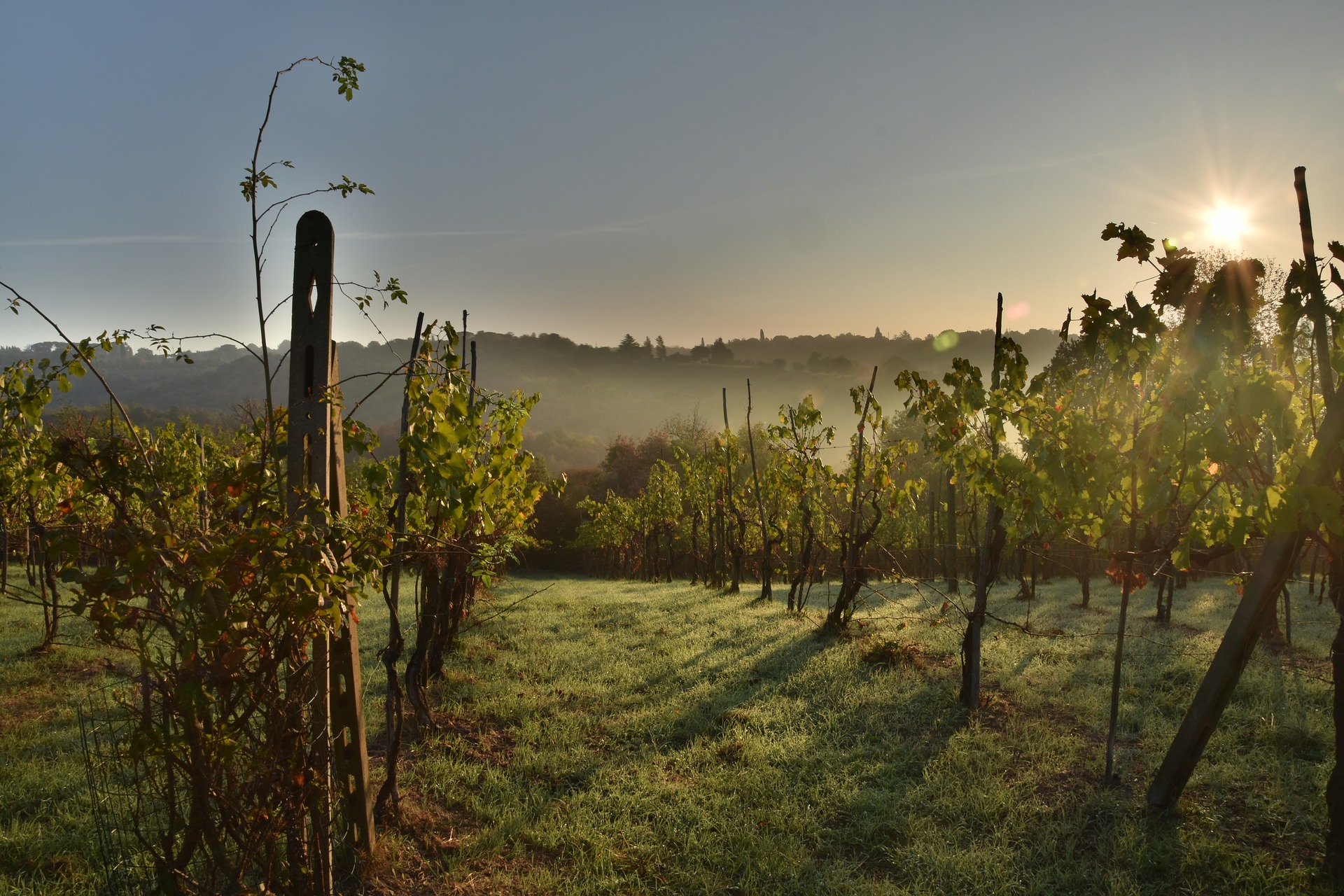
Clear-cut biodynamic wines are rarely seen among Japanese wines.
However, there is information that Suntory has challenged biodynamic wine.
Japanese wine will likely place even more emphasis on terroir in the future.
The day when Japan-born biodynamic wine is created may not be so far away.
References
Biodynamic Wine, Explained
Jamie Goode - The Science of Wine