
One of the terms that frequently comes up when describing wine is "tannin." Tannins are a type of polyphenol and are related to a wine's taste, aging, and more.
Tannin is a term you should definitely remember as you continue to enjoy wine in the future.
Here, we would like to explain the basics of tannins and astringency.
What Are Tannins?

Tannins are a type of phenolic compound related to astringency and other characteristics in wine.
They are contained in the bark, leaves, and unripe fruit of various plants, and their original role is said to be a substance produced by plants to protect themselves.
There are two types of tannins in wine: hydrolyzable tannins derived from oak barrels and condensed tannins, but it seems that condensed tannins mainly exert a strong influence on wine.
Incidentally, condensed tannins are formed by the polymerization of catechin and epicatechin.
Tannins and Astringency

Expressions using tannin include phrases like "strong tannins," "silky tannins," and "fine tannins."
Because tannins are related to astringency, it is helpful to understand that terms like those above are essentially describing astringency.
However, some people may wonder why tannins are related to astringency in the first place.
Let us briefly explain the relationship between tannins and astringency.
Astringency Is Said to Be a Tactile Sensation
While tannins are related to the taste of wine, astringency itself is said to be not a taste, but a tactile sensation.
Fundamentally, astringency is not included among the five basic tastes such as sweetness and acidity, so an expression like "tasting tannins" might actually be slightly off the mark.
Now, there are proteins present in our saliva.
Some of these proteins have the property of binding with tannins, and when you take wine into your mouth, precipitates are formed through this reaction.
In fact, it is these precipitates that cause us to feel astringency, and depending on this amount, judgments like "the astringency is strong/mild" are made.
Additionally, saliva contains a protein called mucin that acts as a lubricant in the mouth, but tannins also have the effect of removing mucin.
In other words, in addition to leaving the mouth dry, precipitates are formed, which is why wines with high tannin levels make you feel strong astringency.
About Bitterness
When drinking wine, alongside the astringency of tannins, you might also sense a hint of bitterness.
In fact, when tannin molecules are small, it is said that you perceive bitterness at the same time because they act on bitterness receptors.
On the other hand, because the larger the tannin molecules are, the more intensely you feel astringency, wines that lack maturity may not taste astringent but exhibit bitterness, perhaps giving an impression of being out of balance.
Why the Perception of Astringency Varies
The astringency of a wine is not determined solely by the amount of tannin.
Because tannins bind with various components in wine and change their structure, differences appear in the sensation when taken into the mouth depending on their degree of polymerization.
Furthermore, tannins are influenced by polysaccharides, other wine components, alcohol content, pH, and more, which is why drinkers may perceive wines that have high tannin levels yet taste mellow, or wines that have few tannins yet feel strongly astringent.
How to Manage Tannins
As explained above, tannins leave the inside of your mouth in a dry state.
So, what happens if you keep drinking red wines rich in tannins one after another?
Naturally, the inside of your mouth will continually stay dry, leading to a phenomenon where you perceive the astringency even more intensely.
While drinking wine slowly is ideal, in situations like tastings or drinking parties, you might end up drinking rapidly with the momentum.
Drinking water is one method, but it is said that the best approach is to use unsalted crackers.
In short, the logic is that by drinking wine in a state where there is plenty of saliva in the mouth, you can enjoy the wine's delicate flavors.
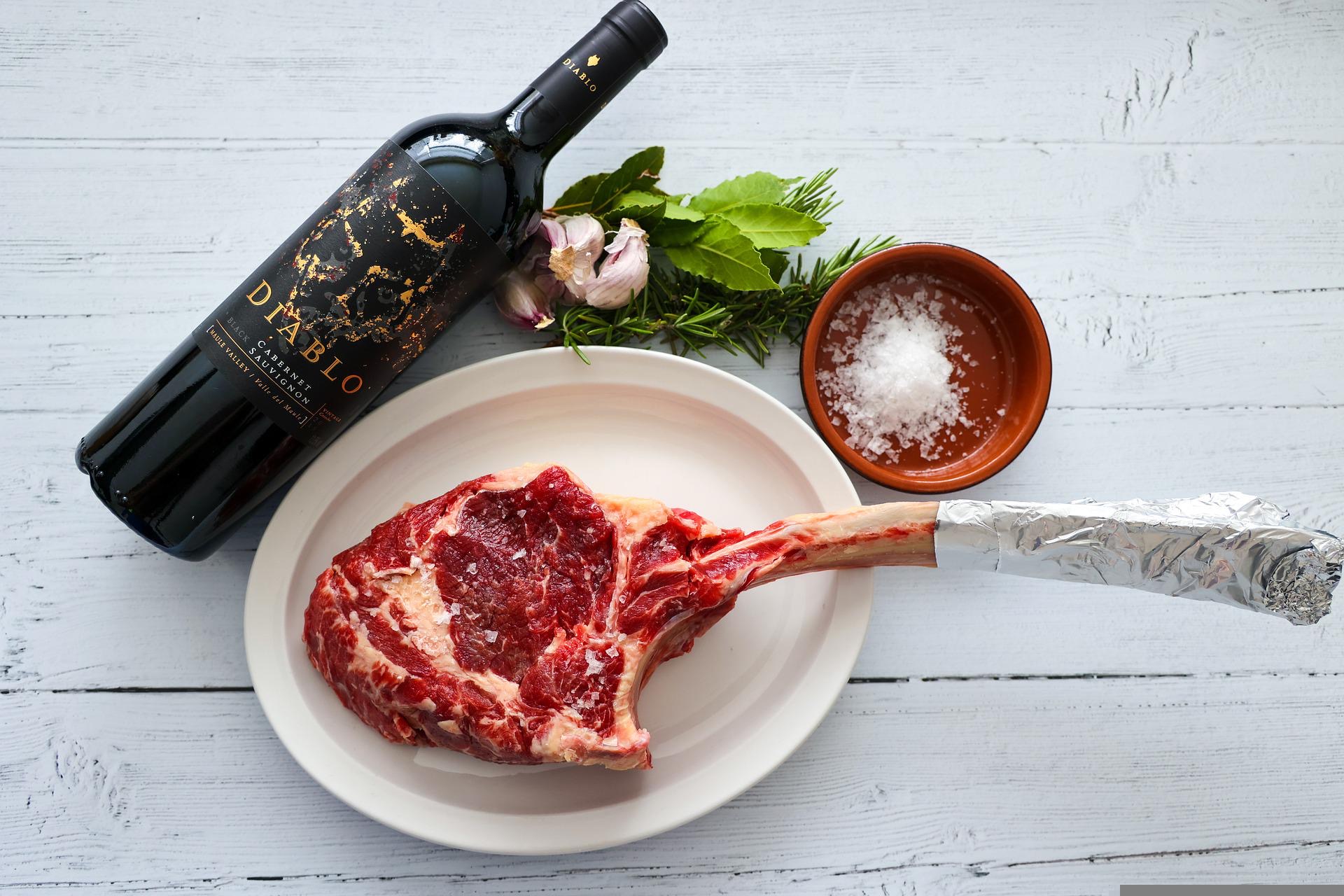
Incidentally, the reasoning behind why red wine pairs well with meat is said to be that tannins bind with the proteins in the meat, allowing you to keep eating without feeling greasiness.
Sensitivity to Astringency Varies from Person to Person

When drinking a wine rich in tannins, some people find the astringency mellow, while others perceive it as intense.
When investigating differences in how people perceive "bitterness" in taste, a solution called PROP (propylthiouracil) is frequently used, and there was a study utilizing this.
When strips of paper soaked in this solution were tasted by several subjects, it indicated that there are individual differences in sensitivity to bitterness, with responses ranging from "feeling nothing," "feeling bitter," to "feeling unpleasantly bitter."
Although this is said to be a difference in perception related strictly to astringency rather than sweet or salty receptors, there is a possibility that someone might judge even a delicate wine as astringent.
On the other hand, however, having heightened perception also means one can understand the delicate flavors of wine.
Just knowing whether or not you are sensitive to astringency seems likely to change how you engage with wine.
Tannins Are Profound and Fascinating

Tannins are known to be compounds that significantly affect the quality of wine itself.
They are deeply related to aging, flavors, and more, making them one of the themes truly worth exploring.
Why not take this opportunity to delve a little deeper into tannins?
References
The Relationship Between Food Preferences and PROP Taste Sensitivity; Jamie Goode – The Science of Wine