
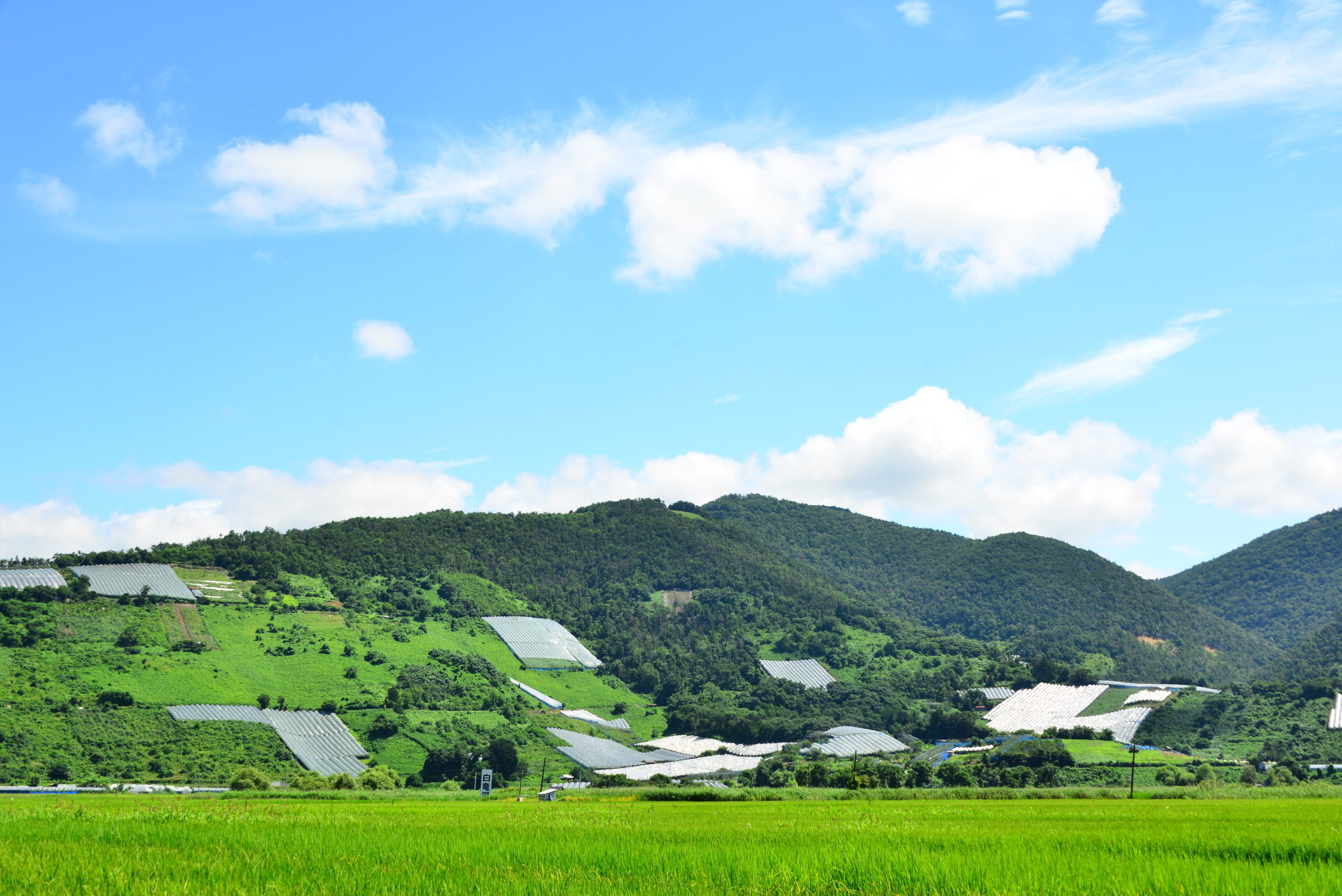
Yamagata Prefecture is one of the famous producing regions of Japanese wine.
Although the prefecture is actively engaged in fruit cultivation, it has a long history of grape cultivation and winemaking.
With the number of wineries in Yamagata Prefecture on the rise in recent years, there is no doubt that it will grow into a region that attracts even more attention in the future than it does now.
Here, we will explain "Yamagata Prefecture" as a wine region, which every Japanese wine fan should know about.
Overview of Yamagata Prefecture as a Wine Region

Yamagata Prefecture is a wine region located on the Sea of Japan side of the Tohoku region.
Because the cultivation of fruit trees, especially cherries, is thriving, it is also known as the "Fruit Kingdom." (Cherry wine is also famous.)
Its grape harvest volume ranks 3rd in Japan, following Yamanashi and Nagano Prefectures.
Consequently, the prefecture's wine production volume is also large; according to the National Tax Agency's "Overview of Domestically Produced Wine (FY2018 Survey): Japanese Wine Production Volume by Type and Share of Top 6 Prefectures," it is ranked 4th nationwide.
Details
Japanese wine production volume: 16,612 kl
- 1st: Yamanashi Prefecture 5,189 kl (31.2%)
- 2nd: Nagano Prefecture 3,905 kl (23.8%)
- 3rd: Hokkaido 2,603 kl (15.7%)
- 4th: Yamagata Prefecture 1,159 kl (7.0%)
When it comes to Yamanashi, Nagano, and Hokkaido, they are Japan's representative renowned wine-producing regions.
With Yamagata Prefecture following them with the 4th largest production volume, there is no doubt that it is an important region for Japanese wine.
A Large Outflow of Grapes?
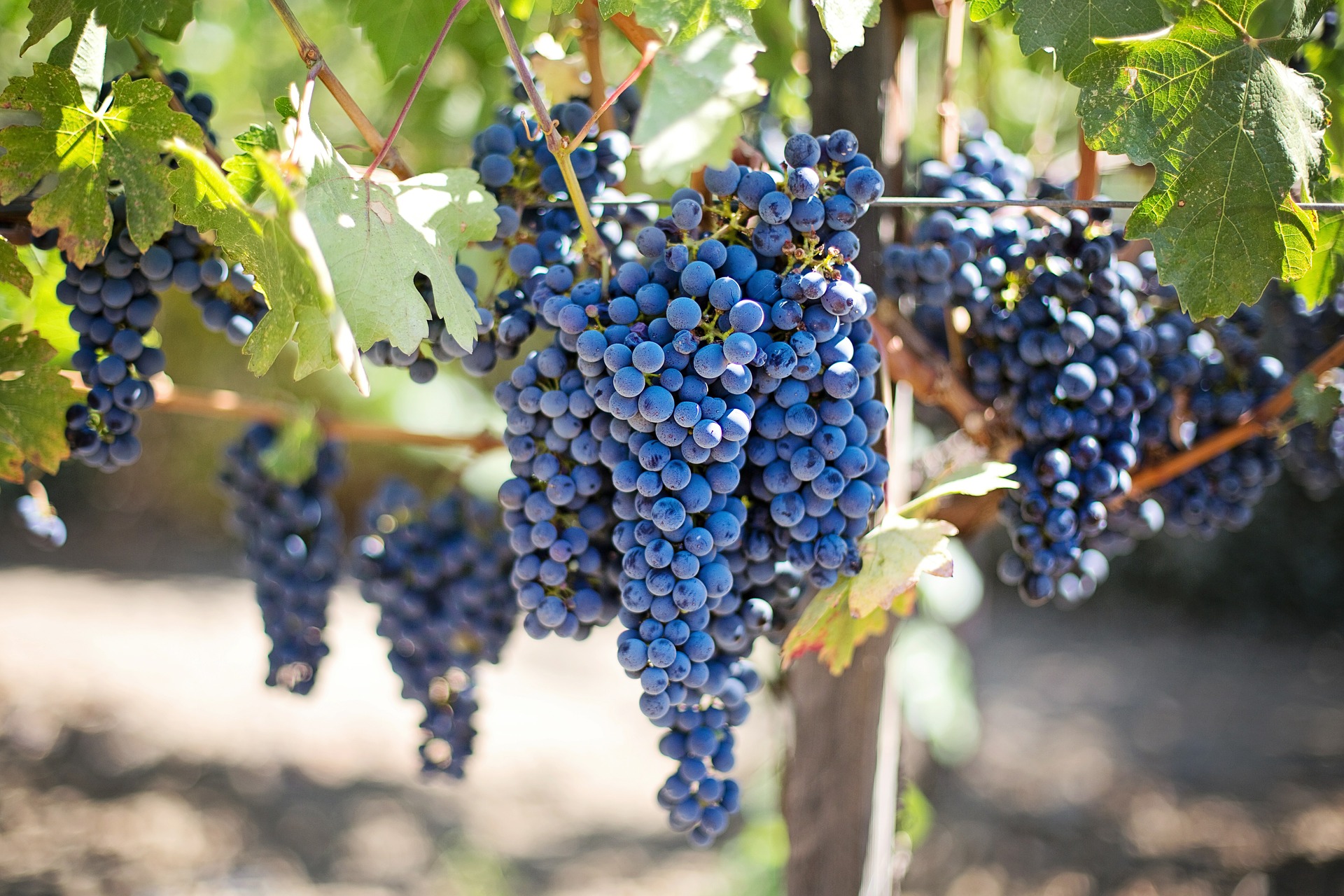
Yamagata Prefecture has a characteristic known as a "grape surplus."
According to certain data, out of 2,500 t of wine grape production, the shipment outside the prefecture is an astonishing "912 t."
This means that about 36% of the grapes produced in the prefecture flow out to other prefectures.
In addition, the volume of grape shipments (including table grapes) relative to Japanese wine production volume is 11 times higher. (In Yamanashi Prefecture, it is said to be around 2 times.)
The wine grapes harvested in the prefecture are not being fully directed toward winemaking within the prefecture, and some take the view that by turning this grape surplus around, the wine industry could grow.
History of Wine in Yamagata Prefecture
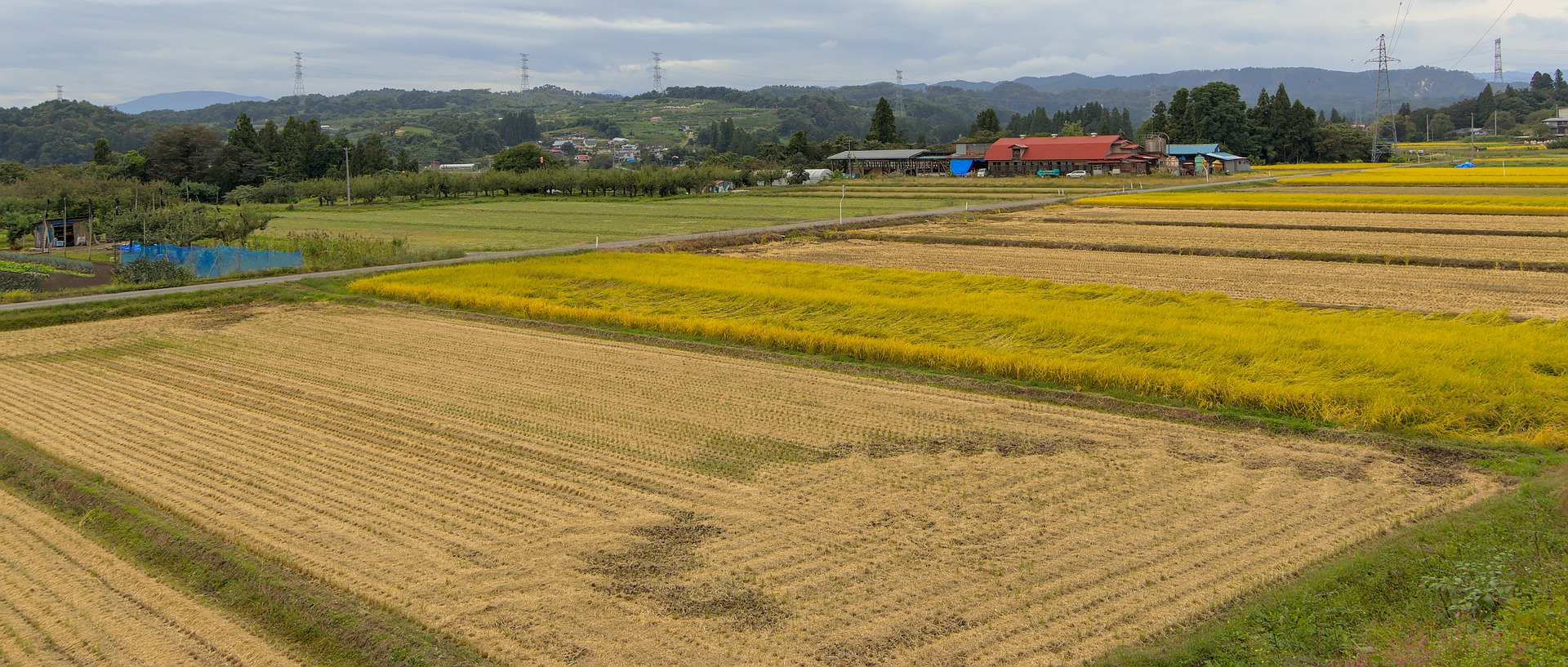
Grape cultivation in Yamagata Prefecture is said to have begun around the middle of the Edo period (cultivation of Koshu).
Later, in the 1870s, Michitsune Mishima, who became the first governor of Yamagata Prefecture, encouraged winemaking.
Since this is considered to be the same period as the beginning of full-scale wine production in Japan, it shows that the prefecture embarked on winemaking at a fairly early stage.
In 1892, Tohoku's first winery (Sakai Winery) was born in Akayu, Nanyo City, and in 1920, "Takeda Winery" in Kaminoyama City began making wine.
Subsequently, winemaking facilities were established one after another around the grape-growing areas.
Major companies temporarily entered the prefecture under the influence of the sweet fortified fruit wine boom, but they withdrew around 1960 when the boom passed.
The remaining small and medium-sized wineries began cultivating not only Muscat Bailey A, Delaware, and Concord, but also European varieties, shifting their course toward authentic winemaking.
Yamagata Prefecture also succeeded in cultivating European varieties, which had been considered difficult.
In addition to the expansion of grape acreage, Yamagata Prefecture wines have become regulars among award-winning wines at prestigious competitions.
Although the number of wineries itself is not large compared to Yamanashi Prefecture, Nagano Prefecture, and Hokkaido, Kaminoyama City was designated as a "Wine Special Zone" in 2016, and an increase in new entrants is expected in the future.
Wine Regions in Yamagata Prefecture

There are three main wine regions in Yamagata Prefecture:
- Kaminoyama City
- Takahata Town
- Asahi Town
Here is a brief overview of the characteristics of each.
Kaminoyama City
Kaminoyama City is one of the areas in Yamagata Prefecture where grape cultivation has flourished since ancient times.
While it is famous for La France pears, yellow peaches, and persimmons, it is also a renowned production area known for harvesting high-quality grapes.
The city is a basin surrounded by mountains on all four sides, with a large diurnal temperature variation, winds blowing from the mountains, and well-draining soil composition, making it an ideal environment for cultivating wine grapes.
It is also known as a place that quickly introduced European varieties at an early stage, and in particular, the high quality of its Cabernet Sauvignon warrants close attention.
Many excellent wines are born here, including the aforementioned "Takeda Winery" and Asahi Breweries' brand "Sainte Neige."
Takahata Town
Takahata Town belongs to the Okitama area in the southern part of Yamagata Prefecture.
It is also called "Mahoroba no Sato", named after the word "mahoroba," which means "a fertile, comfortable place to live surrounded by mountains and hills."
Being located in the Okitama Basin, the diurnal temperature range is large, and its soil composition is said to provide an ideal environment for grapes and many other agricultural crops.
A feature of Takahata Town is that its production volumes of Delaware and Chardonnay rank 1st in Japan.
Due to their fine quality, the Japanese wine made from them is known for earning high praise.
"Takahata Winery," located in the town, is one of Japan's representative wineries.
Having earned exceedingly high praise at domestic and international competitions, it is a precious winery that expresses the high potential of Takahata Town through its wine.
Asahi Town
Located in the central part of Yamagata Prefecture, "Asahi Town" is a mountain town along the Mogami River basin.
Although it is a town famous for apples, grape cultivation is also thriving.
As the "Village of Apples and Wine," the town showcases the high quality of its wine nationwide.
The local winery, "Asahimachi Wine," has introduced an unusual cultivation method of "late harvest" for Muscat Bailey A in mid-November.
You can drink a unique Muscat Bailey A that can only be enjoyed because of Asahi Town.
Grapes Cultivated in Yamagata Prefecture
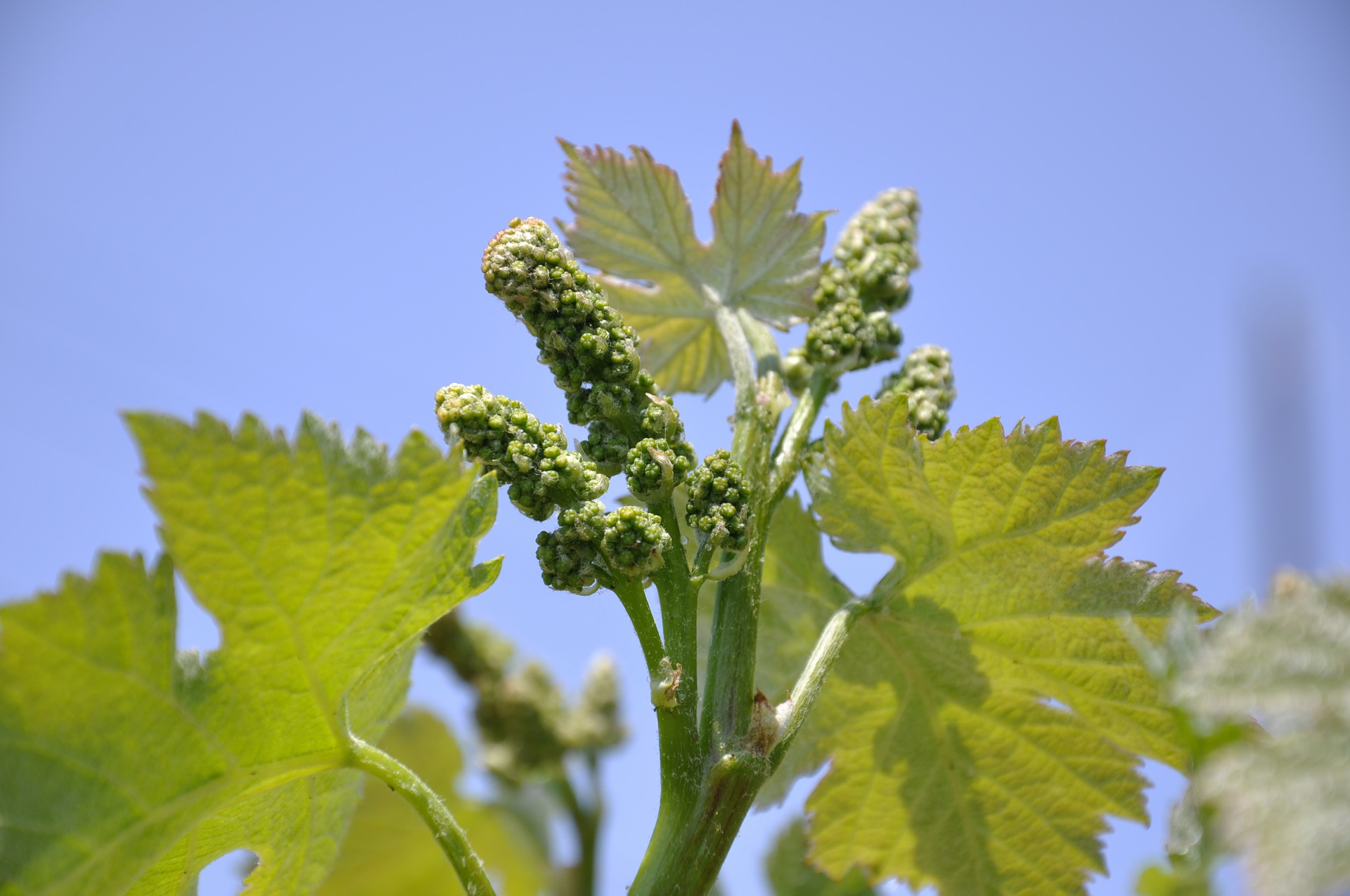
A unique aspect of Yamagata Prefecture is that it cultivates a wide variety of grape varieties, from indigenous Japanese varieties to European varieties.
For white wine, while "Delaware" and "Niagara" are particularly abundant, Riesling, Sauvignon Blanc, and as mentioned earlier, "Chardonnay" boasts the No. 1 harvest volume in Japan. (Incidentally, Koshu appears to be hardly cultivated.)
For red wine, "Muscat Bailey A" accounts for about 30% of the total, but Cabernet Sauvignon, Merlot, and Cabernet Franc are also actively grown.
Furthermore, winemaking using wild grapes—such as wild grapes from Obanazawa City—is also carried out, meaning that a diverse variety of grapes are born as Yamagata-produced wine.
While Yamagata Prefecture is strongly associated with Niagara, Delaware, and Muscat Bailey A, in recent years high-quality Japanese wine made from European varieties has also been widely seen.
While the famous labels are certainly great, why not set aside your preconceptions for once and try Yamagata-produced wines made from various varieties?
Yamagata Prefecture's Initiatives
Blessed with an environment capable of cultivating high-quality grapes, Yamagata Prefecture is an attractive region for Japanese wine.
On the other hand, it cannot establish itself as a recognized wine region unless it also focuses on wine initiatives, such as improving technical skills and strengthening systems to welcome newcomers.
In Yamagata Prefecture, diverse initiatives aimed at improving the quality and promoting Yamagata-produced wines are being implemented, including study sessions organized by the "Yamagata Wine and Sake Brewers Association," which is formed by wineries in the prefecture; holding Tohoku's largest wine event hosted by Kaminoyama City, "Yamagata Wine Bar in Kaminoyama Onsen"; and conducting winery tours.
In addition, the "Yamagata Vigneron Association," which brings together young brewing technicians from various wineries, was launched in 2008.
Study sessions appear to be enthusiastically held on topics such as improving the quality of wine grapes and advancing winemaking techniques.
And then there is the aforementioned designation of the "Wine Special Zone" in Kaminoyama City.
The fact that the local government has moved to support the establishment of wineries can be considered an important step for Yamagata Prefecture to shape itself as a wine region.
Currently, there are reportedly new entrants preparing to establish wineries utilizing this system.
We can expect great things from Yamagata Prefecture in the future.
Let's Enjoy Yamagata Prefecture Wine!
Currently, there are two "Geographical Indications (GI)" for wine: Yamanashi and Hokkaido.
Yamagata Prefecture was already designated with a "GI" for sake in 2016, and if it were to be designated for wine as well, it would be recognized as an unprecedented "alcoholic beverage producing region" nationwide.
There is no doubt that Yamagata Prefecture will continue to grow as a wine region in the future.
If you are looking for an intriguing producing region other than Yamanashi, Nagano, or Hokkaido, why not reach out for a wine from Yamagata Prefecture?
References
National Tax Agency: Overview of Domestically Produced Wine (FY2018 Survey)
Yamagata Prefecture Wine Born from Advanced Techniques from Grape Cultivation to Winemaking
Do You Know Geographical Indications (GI) for Alcoholic Beverages?