
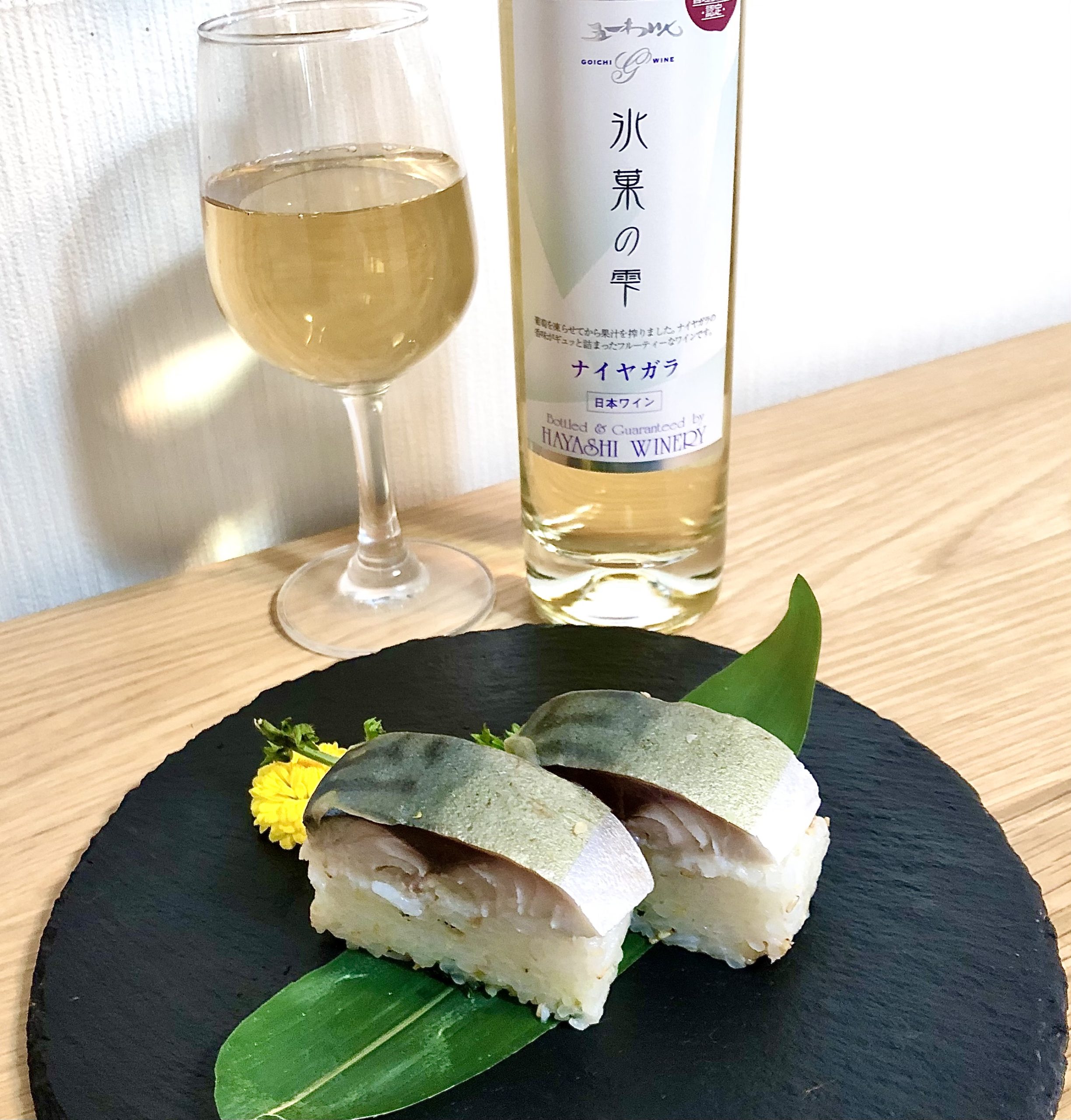
March 8th seems to have been designated as "Saba Sushi Day" based on a Japanese wordplay. (Established by Sushikei, a long-standing sushi restaurant and ryotei)
Though you might think, "Alright! Let's pair mackerel sushi with wine to celebrate the day!", mackerel dishes like saba sushi are famously known to be tricky with wine, and finding the best match is said to be quite difficult.
However, wanting to make it a success once the idea pops up... that is the hallmark of a true wine fanatic.
After trial and error, the answer reached was "Saba Sushi × Sweet Wine."
Here, I would like to explain the affinity between saba sushi and sweet wine.
Understanding the Characteristics of Saba Sushi
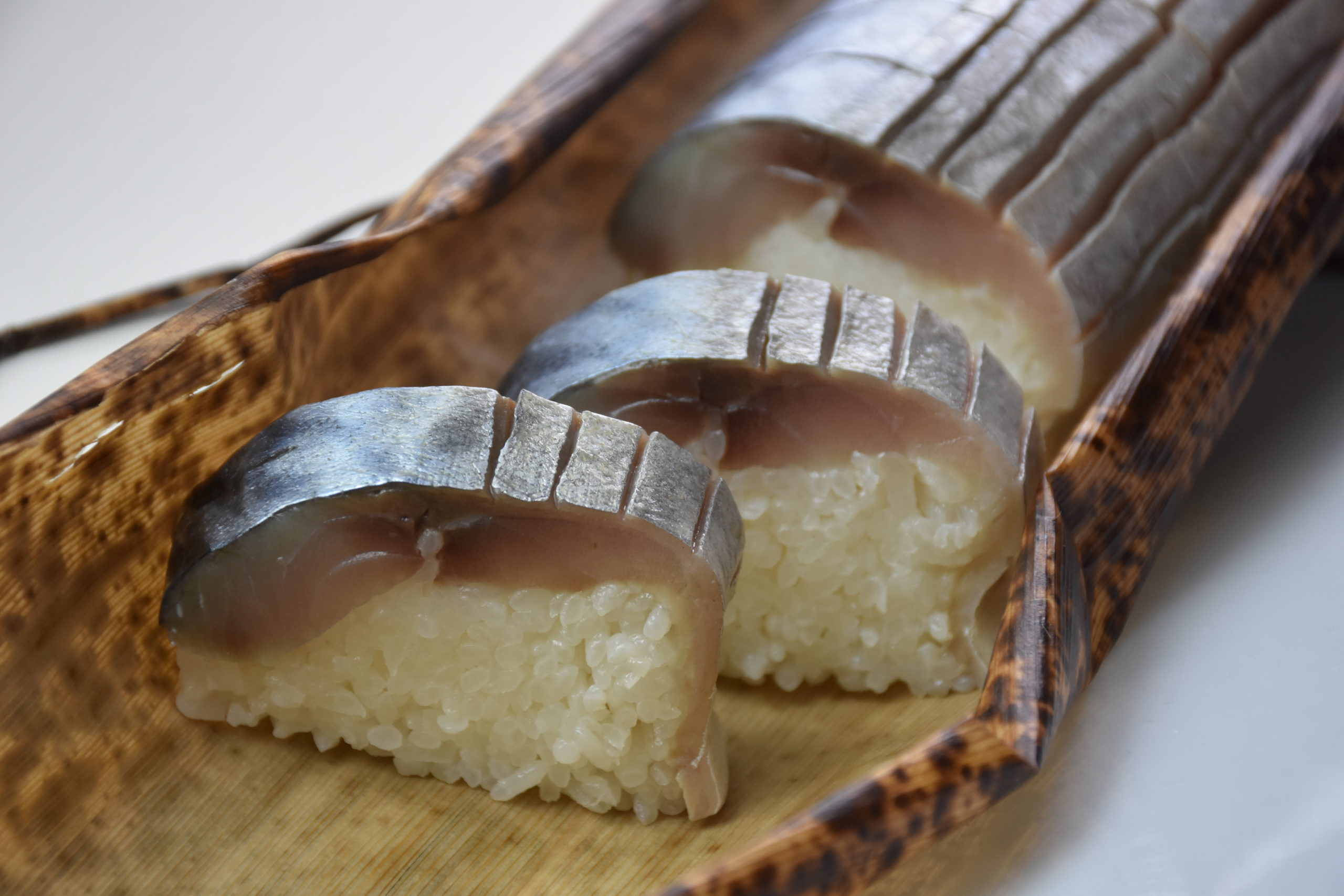
Even when looking for a wine that goes well with saba sushi, trying random combinations blindly is simply a waste of time.
In the spirit of "scouting out the opposing side," let's firmly grasp the characteristics of saba sushi before choosing a wine. (Though it is an ally, not an enemy!)
Saba sushi is a local specialty originating from Kyoto Prefecture, Okayama Prefecture, the Wakasa region, and elsewhere, and it is a type of bo-zushi (rod-shaped pressed sushi) characterized by not being shaped in a wooden mold like battera.
While preparation methods vary widely, the ingredients typically used are "mackerel, rice, rice vinegar, mirin, kelp (kombu), sugar, and salt."
The secret to success lies in pairing wine based on these specific elements.
Full of Elements That Are Difficult to Pair with Wine...
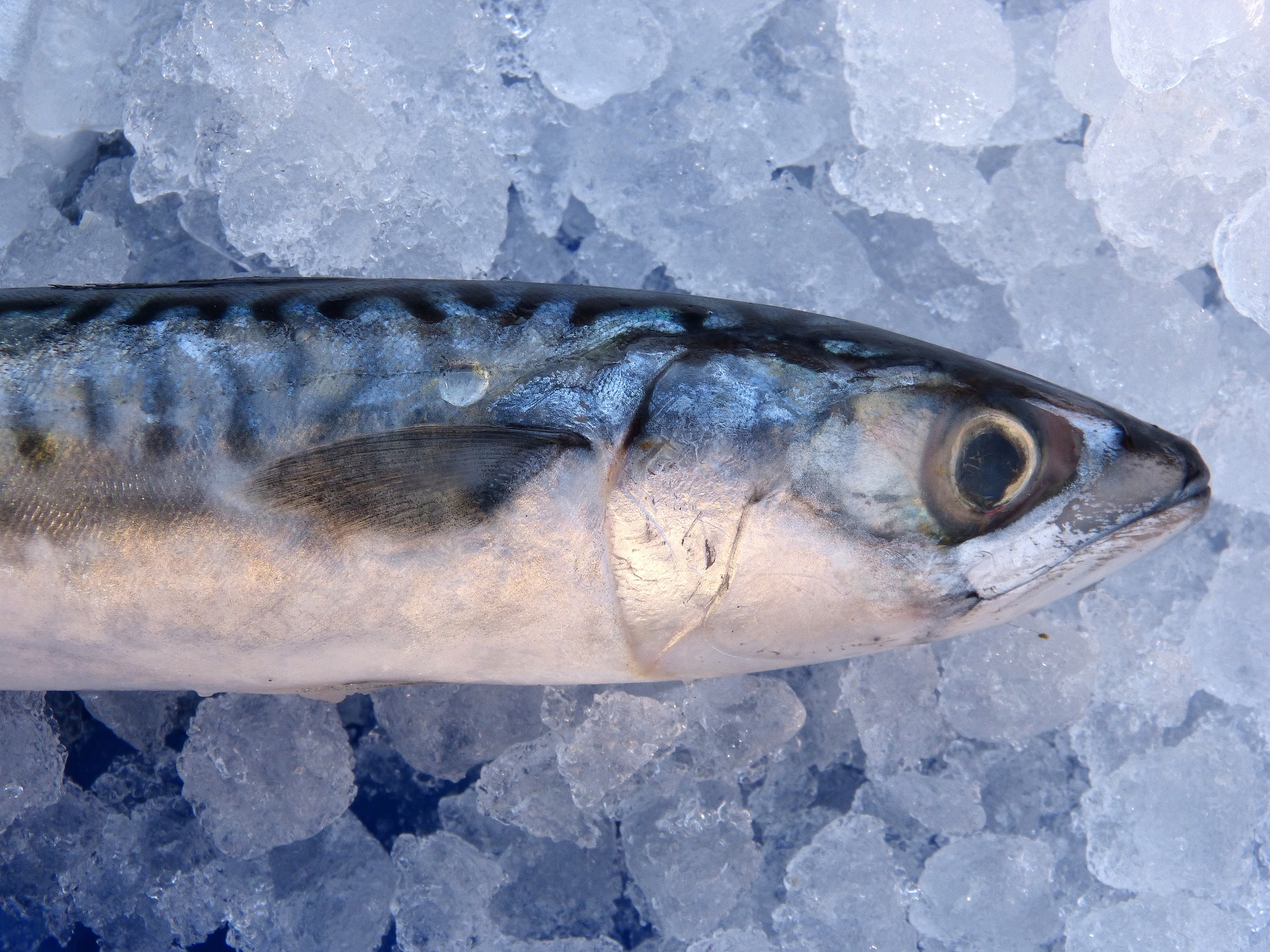
Let's review the aforementioned elements of saba sushi.
"Mackerel, rice, rice vinegar, mirin, kombu, sugar, salt."
In short, in a sense, saba sushi can also be thought of as a "fusion of shimesaba (cured mackerel) and vinegared rice."
However, pairing shimesaba with wine is known to be considerably difficult.
While it is not an absolute impossibility, the sharp acidity of rice vinegar can clash with the mellow acidity of wine, fishy aromas derived from docosahexaenoic acid (DHA) and eicosapentaenoic acid (EPA) found in blue-backed fish like mackerel can clash, the flavor of the dark meat (chiai) can clash...
Furthermore, the iodine nuances of kombu tend to clash with the fruitiness of wine, and with red wine, high tannin levels upset the balance on the palate, meaning there are numerous hurdles to overcome.
Fishiness can be curbed with mayonnaise, and using black pepper or olive oil can increase affinity with wine, but making an arrangement that prompts the thought, "Doesn't this defeat the point of it being saba sushi?" misses the point entirely.
What kind of wine should one choose after all...?
Sweet Wine for an Effortless Match

When it comes to selecting a wine to match saba sushi, two straightforward directions come to mind.
- Tackling it with a wine that lacks strong individuality
- Tackling it with a tricky wine featuring oxidative nuances
First, to avoid clashing with the fishiness of mackerel and the distinct flavor of rice vinegar, one needs to choose a wine with low iron content, aromas that are not overly fruity, and moderate acidity and astringency.
Koshu (not styles like Kiiroka), fresh nouveau-level Muscat Bailey A, or Japanese wine made from international varieties with light body and modest aromas seem like viable contenders.
On the other hand, taking the opposite approach, natural wines with oxidative nuances or wines with pronounced sulfur notes actually show surprisingly good affinity because they envelop the mackerel flavor. (In fact, top sushi restaurants also recommend such wines for shimesaba.)
That being said, this is a special saba sushi pairing.
Going out of your way to pick a weak, subdued wine feels somewhat unsatisfying, and wines with oxidative nuances require knowledge of regions and producers, making them tricky to choose (or their individuality is simply too polarising). Thus, they are hardly an easy pairing you can pull off on a whim.
Therefore... what I would like to recommend is sweet wine.
Abundant Elements That Complement Saba Sushi
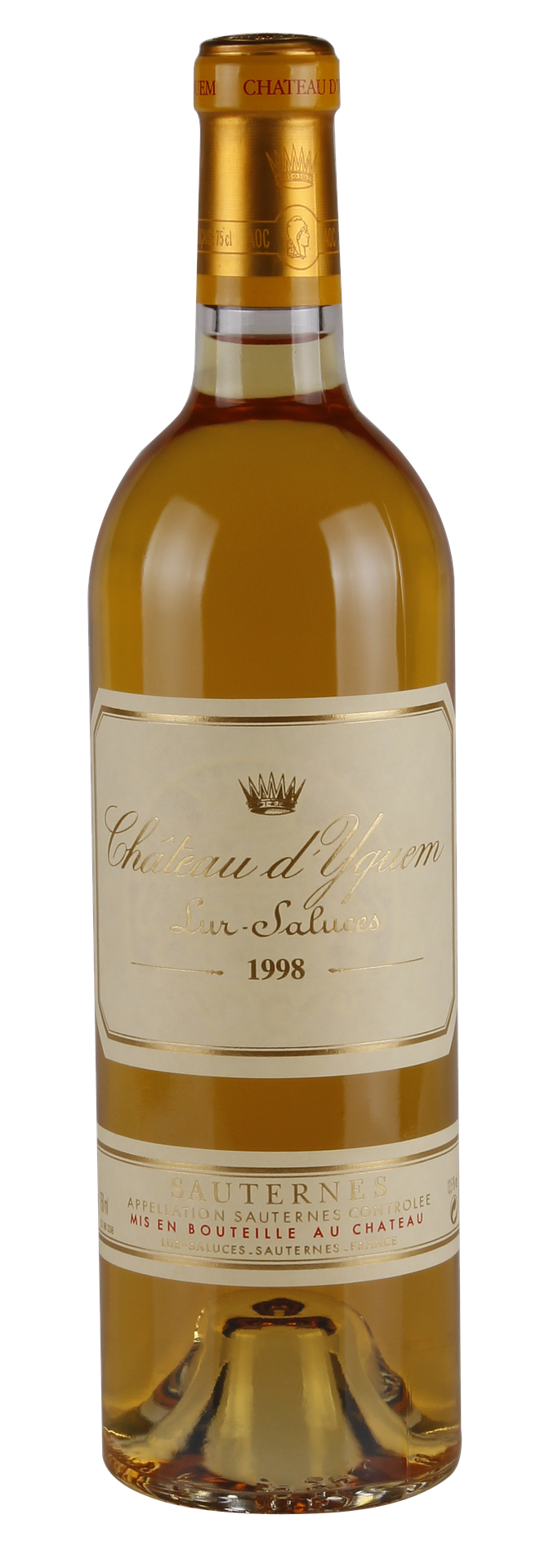
Speaking of sweet wine, Sauternes in Bordeaux, Germany, Hungary, and Austria are famous, but basically, sweet wines are produced in wine regions all over the world. (And in Japan as well, of course.)
Sweet wine and saba sushi might sound like an even more unimaginable pairing, but surprisingly enough,
it actually works wonderfully well.
First of all, the citrus, apricot, and floral aromas of sweet wine become flavors accompanied by sweetness, making them far more intense than standard wines.
As mentioned earlier, crisp fruitiness and herbal nuances clash with the flavors of kombu and mackerel, but when the intensity reaches this level, it conversely softens the metallic odor characteristic of blue-backed fish.
Furthermore, while sweet wine possesses sweetness, its acidity is also sharp, effectively cutting through the fat of the mackerel and leaving a clean impression on the finish.
Another point of note is its affinity with sushi rice.
In the case of "sushi" where the toppings are seasoned, such as saba sushi, the sugar and salt concentrations tend to be higher, and a greater amount of vinegar is also used.
This is one reason Kansai-style sushi rice is sweet, and with saba sushi, the sweet-and-sour nuances of sweet wine create a harmonious balance with the flavor of the sushi rice.
Incidentally, when thinking of saba sushi, sake often comes to mind, but in fact, rather than fruity Junmai Daiginjo styles, guidelines advise pairing it with sake that has pronounced sweetness.
This shows that pairing sweet wine with saba sushi is not such a strange concept after all.
The Result of the Actual Pairing
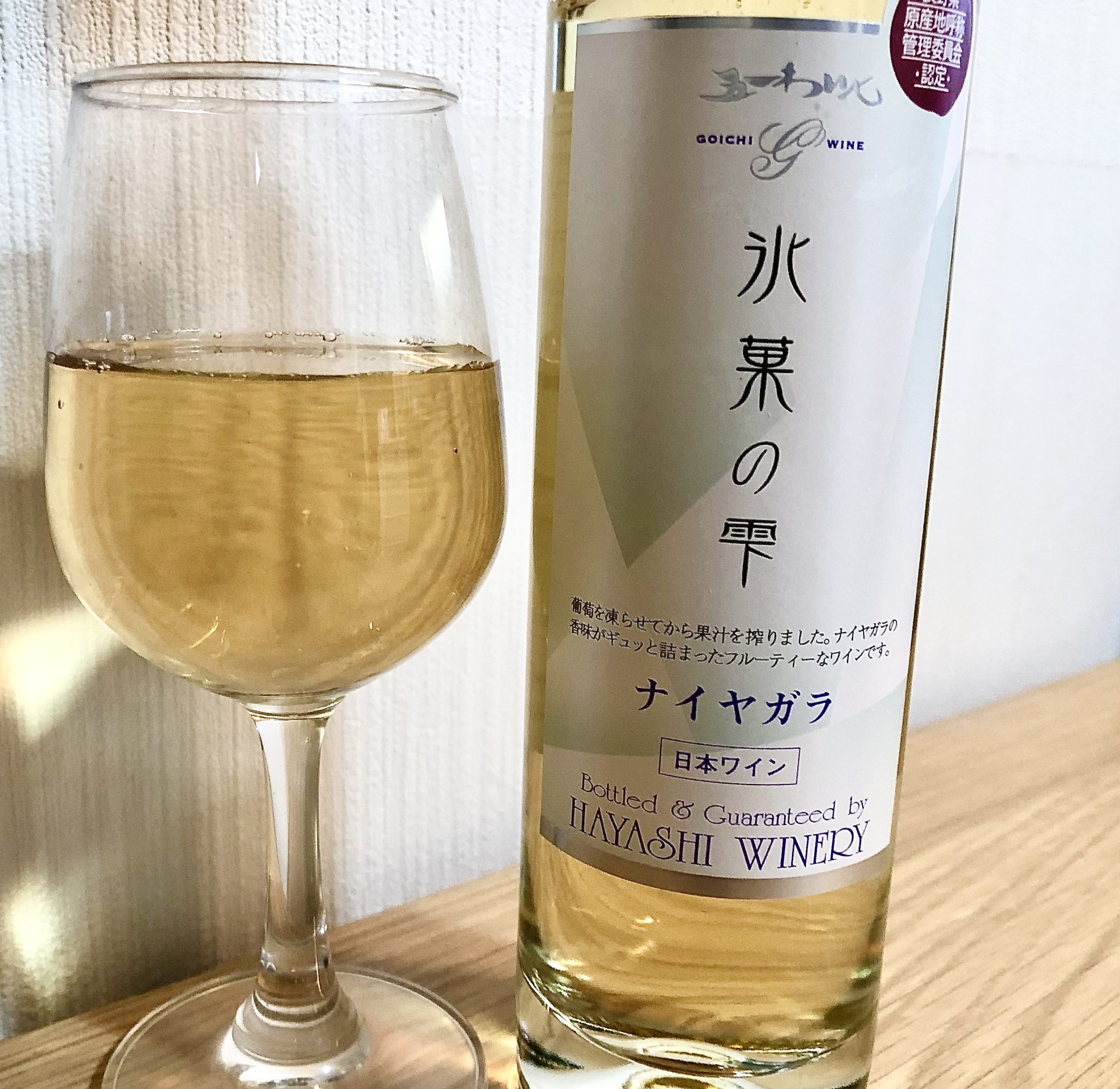
Since the proof is in the pudding, I actually paired sweet wine with saba sushi.
While a sweet wine like Sauternes or German Auslese or higher would normally be ideal, this site showcases Japanese wine, so for this occasion, I chose <Goichi Wine Hyoka no Shizuku Niagara>.
After taking a bite of mackerel, take a sip of <Goichi Wine Hyoka no Shizuku Niagara>.
The mellow sweetness and the characteristic flavors of Delaware envelop the taste of the mackerel, and no fishiness is felt whatsoever.
It goes well with the vinegared rice, and because the wine possesses solid acidity, the aftertaste is refreshing and delightful.
With <Goichi Wine Hyoka no Shizuku Niagara>, it might also be great to pair it with shimesaba sashimi or nigiri sushi, where the proportion of mackerel flesh is less intense.
Enjoy Wine with Mackerel as an Appetizer!
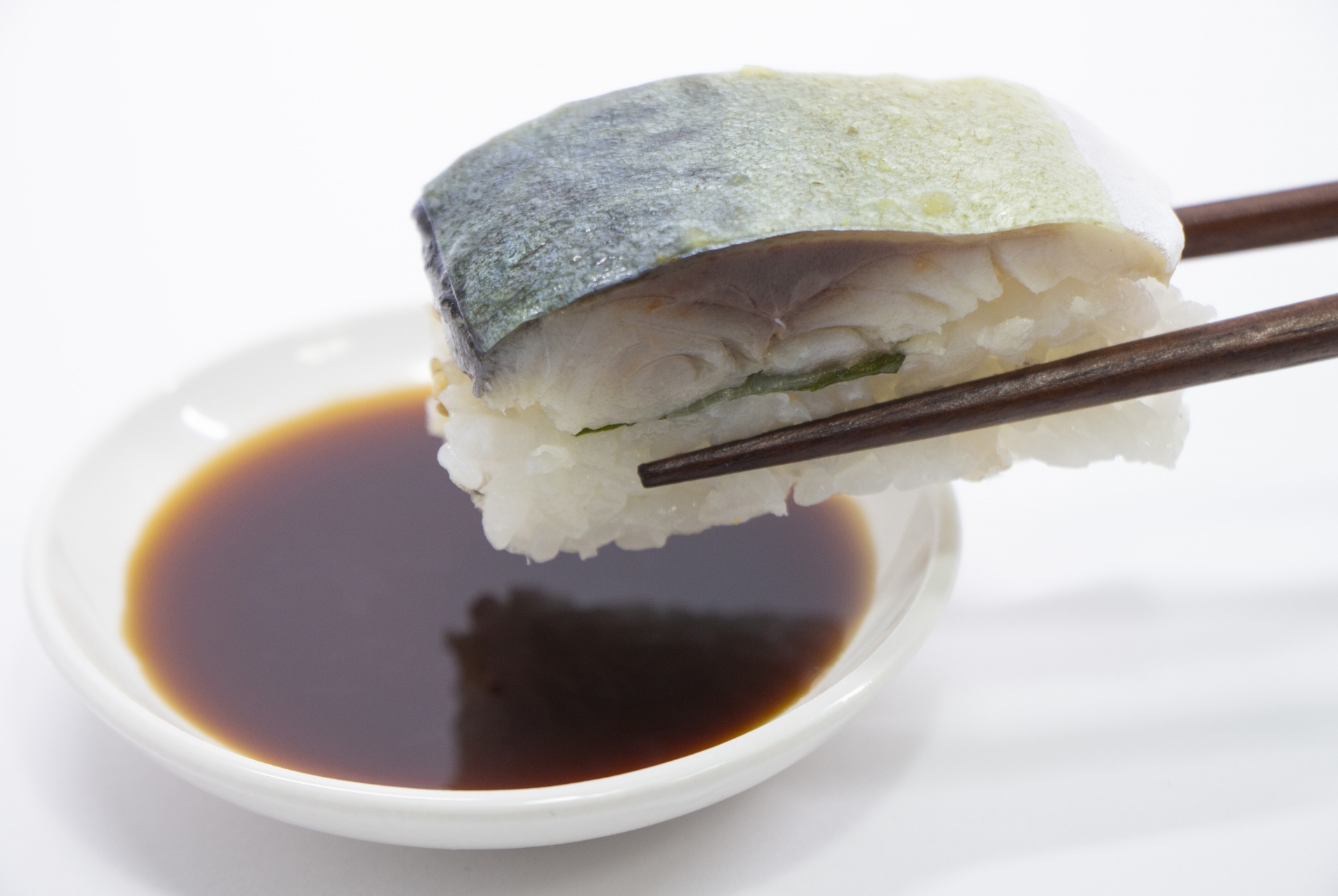
People often hesitate to pair mackerel with wine, but it is actually known to be an ingredient with wonderful affinity for wine.
This time, I stubbornly explored its compatibility with traditional saba sushi, but whether fried, prepared Western-style, or simmered in miso and paired with red wine, the pairing possibilities are endless.
Furthermore, because mackerel is rich in nutrients, high health benefits are also anticipated.
Along with saba sushi and sweet wine, why not enjoy days filled with wine paired with mackerel as your appetizer?
References
Analysis of the Components of Sushi Seen in Cookbooks
Japanese Cuisine and Wine by Shinya Tasaki & Takuji Takahashi
The Science of Sake and Snacks by Uhei Naruse
Austrian Wine, Edomae Sushi, and Kaiseki Cuisine by Sosuke Okada