
In recent years,"naturally-made wines"seem to have attracted many people to become wine enthusiasts.
Since these wines have a unique flavor that mass-produced wines lack,I also enjoy drinking them as long as they are not excessively poorly made.
Now, many of these naturally-made wines, from an enological perspective,"poor quality"are typically branded as such.
The majority of this poor quality stems from the presence of off-flavors, which are considered defective aromas, and for those aiming to make proper wine, they arearomas that are not particularly desirable.
However, strangely enough, some people (myself included) tend to favor these off-flavors, and depending on the degree, seem to even consider them as contributing to thecomplex flavor and aroma of the wine.
Here, I would like to consider the types and appeal of typical off-flavors (though some do not consider them "off") that often occur in naturally-made wines.
Brett (Phenol)

It is no exaggeration to say that a representative example of aromas found in naturally-made wines isBrett (also called Phenol).
This is an off-flavor related to the yeast Brettanomyces, and wines that exhibit this can be found frequently in Japan as well.
Brett is, 4-ethylphenol and 4-ethylguaiacolone of the phenolic off-odors related tostable or barnyard aromas, plastic-like scentsand has received no favorable evaluations.
However, this Brett, in small amounts, is also highly regarded for adding complexity to wine.
In particular, as an off-flavor related to 4-ethylguaiacol, there is the evaluation ofclove and smokynotes, so in small amounts it may add depth to the wine.
Also, if the wine itself has other elements strong enough to mask the off-odor,it can become a unique flavor in the finish..
In fact, research has shown that many high-end wines from Bordeaux and Côtes du Rhône contained significant amounts of Brett, making it an important element for Old World wines and producers aiming for that quality.
Of course, the key point is the moderate amount, sothe producer's experience seems to be crucial.
Brett (Phenol) in White Wines
By the way, while Brett is famous as an off-flavor in red wine,it also exists in white wine.
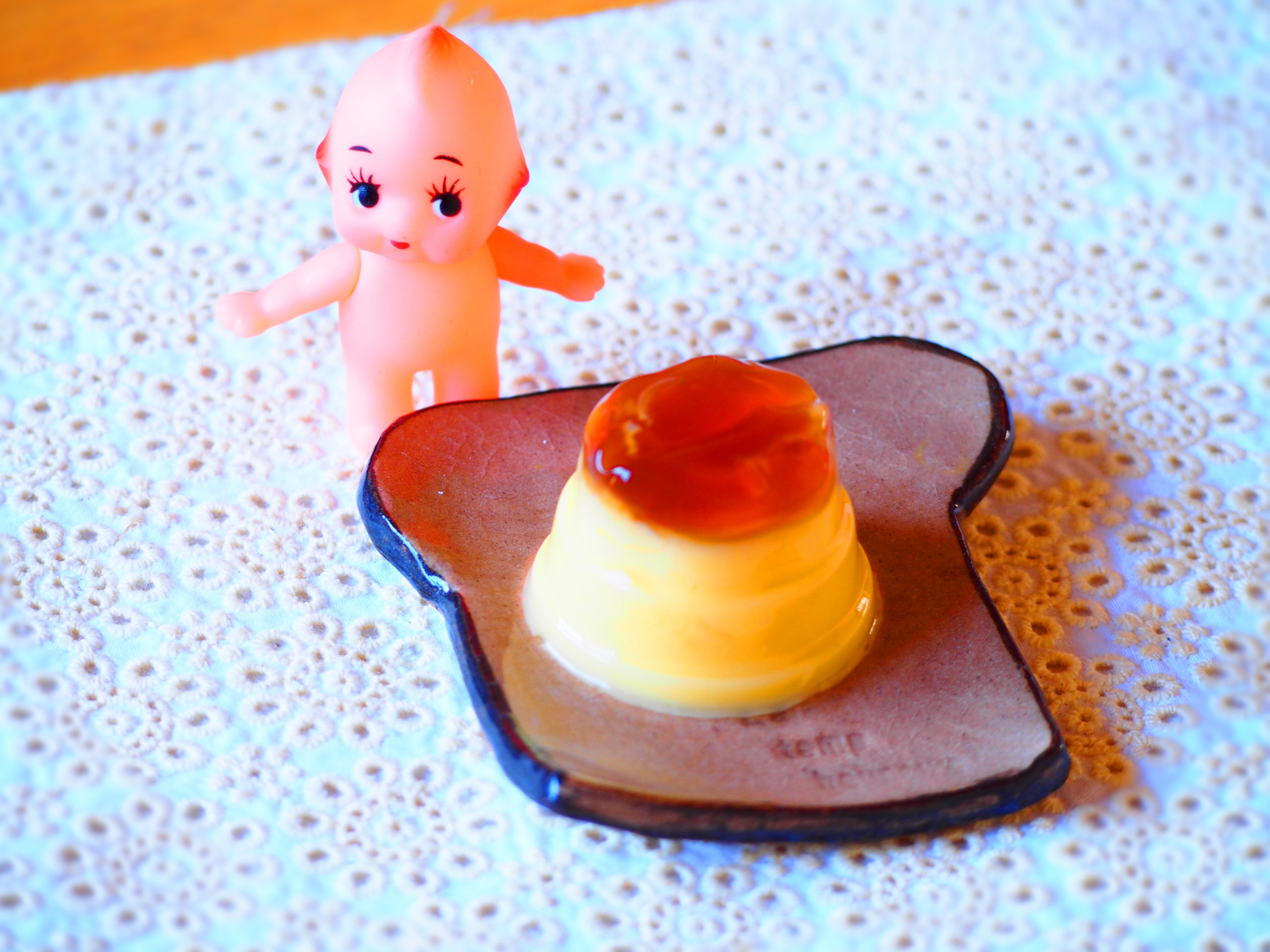
4-vinylphenol and 4-ethylphenolare said to be related, with aromas ofKewpie dolls or medicinal notes, which are also considered unfavorable.
This too might be interesting if felt only very faintly, but if too strong, it may still be labeled as poor quality.
Effects of Oxidation
When producing wine, the point requiring the most attention is"oxidation".
Since oxidation is important enough to warrant its own topic, I'll skip the details, but excessive oxidation, beyond being an off-flavor,will undoubtedly greatly deteriorate the wine. (Sherry and others are exceptions).
A representative example of off-flavors caused by oxidation isaldehydic notes.
And as oxidation progresses,burnt aromas, soy sauce, aged sakethe wine begins to emit aromas that erase its original character.
The effects of oxidation can be easily confirmed by opening a purchased bottle of wine and leaving it in an oxidative environment for about a week.
Among naturally-made wines, some neglect this oxygen management, and the validity of their existence is also being debated. (Whether they should be evaluated on aspects other than quality, such as being thoroughly natural or being a rare micro-winery, is questionable.)
However, the former is complete oxidation, whilehigh-quality naturally-made wines are described as "oxidative"..
For example, barrel aging is one form of oxidative maturation, but if the oxidation contributes positively to wine quality improvement, then it can becomea flavor that is not "off".
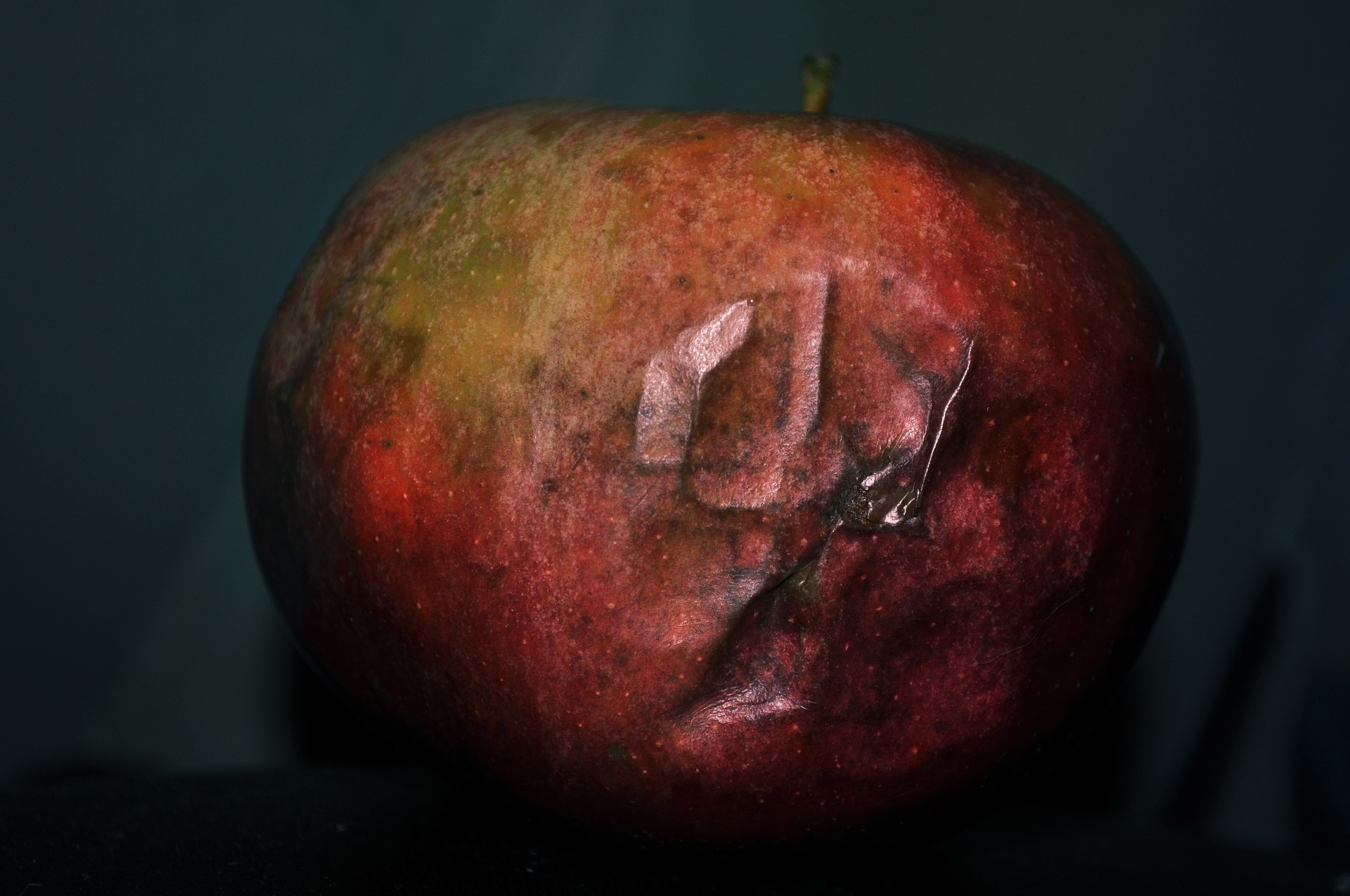
For example, aldehydic notes are sometimes described as the aroma of a freshly cut apple surface.
Wines without added sulfites tend to become oxidative wines, but if the resulting aroma levelis a fresh apple nuance or nutty notes, many people would likely find it rather pleasant.
Naturally-made wines described as having "interesting aromas" can also be said to be"high-quality oxidative wines".
Volatile Acidity
Volatile acidity is the Japanese translation of volatile acidity, and is often called"VA".
Wine's volatile acidity includespropionic acid, butyric acid, folic acid, among others, but probably the most important for off-flavors isacetic acid.
When wine becomes contaminated by acetic acid bacteria somewhere in the brewing process, acetic acid and ethyl acetate are produced, giving the wine a defective aroma.
"Ethyl acetate odor"is also called, having a nail polish remover-like aroma, and if too much is present, it is definitely poor quality.
While the French appellation d'origine contrôlée regulations and O.I.V (International Organisation of Vine and Wine. Office International de la vigne et du vin) set levels for volatile acidity per liter, naturally-made wines, due to production circumstances,contain a certain amount of volatile acidity.
However, even if a large amount of volatile acidity is present, if the wine has enough aroma to cover it, it may be considered a complex wine andbe deemed "correct"..
It's entirely possible that a naturally-made wine you encountered and found delicious actually had an extremely high level of volatile acidity.
Fall for the Character!
There are many more common off-flavor elements found in naturally-made wines.
Nevertheless, what applies to all of them is ultimately"balance"..
For example, many naturally-made wines are slightly effervescent, which is because, being naturally made,some yeast remaining in the bottle undergoes secondary fermentation.
While this would be concerning in mass-produced wines, in naturally-made winesyou should feel its vitality and even find it favorable..
There are naturally-made wines that have gone off the rails, and conversely, there are terrifyingly clean naturally-made wines.
If you approach wine with knowledge of these facts, the way you taste naturally-made wines will surely change.
Wines considered poor quality can also beviewed as "character"..
Why not try searching for natural wines while paying attention to their flavors?
References
Wine Aroma Evaluation Terminology / Nami Goto
Introduction to Natural Wine | Isabelle Legeron, Reina Shimizu